Hyundai Sonata DN8 Ventilated Seats Review — Cost & Results
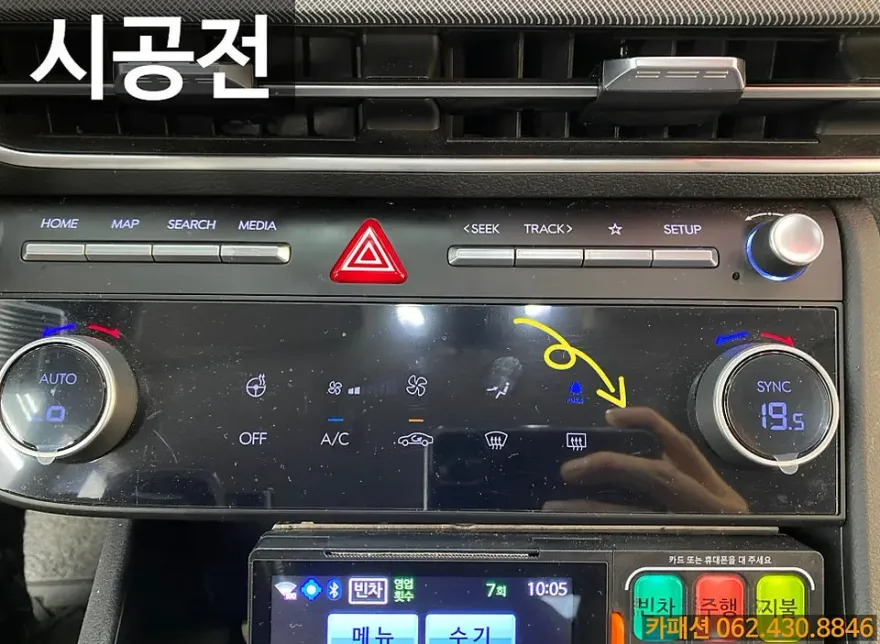
Before
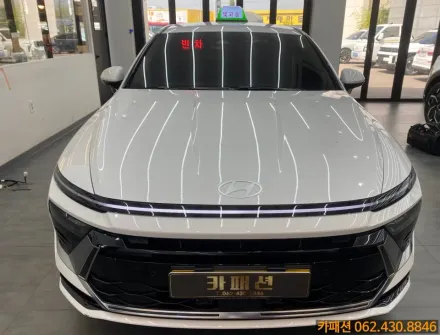
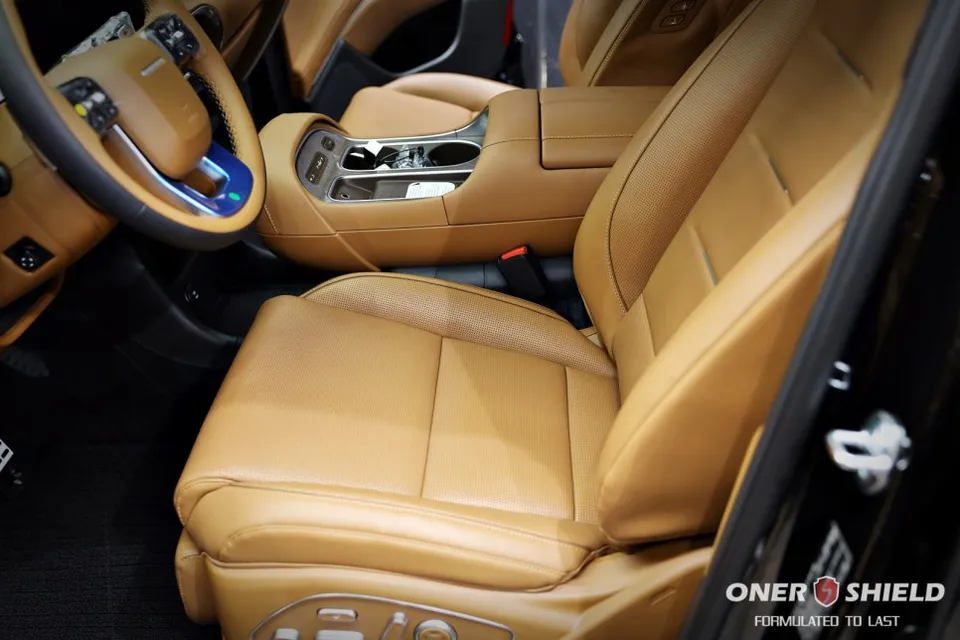
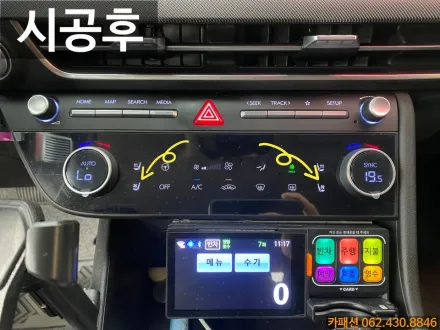
After
Process photos
Hyundai Sonata DN8 ventilated seat retrofit costs approx. ₩300k-₩500k. Enjoy enhanced comfort and reduced driving fatigue.
Hyundai Sonata DN8 Seat Ventilation Upgrade
Long hours spent driving, especially for professional drivers like taxi operators, can lead to significant discomfort from sweat and heat buildup. For Hyundai Sonata DN8 owners who spend a considerable amount of time behind the wheel, the need for enhanced comfort is paramount. This review delves into the benefits and process of retrofitting ventilated seats, focusing on a specific installation for a Sonata DN8 taxi. We'll cover the installation process, the tangible before-and-after results, and help you decide if a seat climate upgrade is a worthwhile investment for your vehicle.
The Need for Ventilated Seats in the Sonata DN8
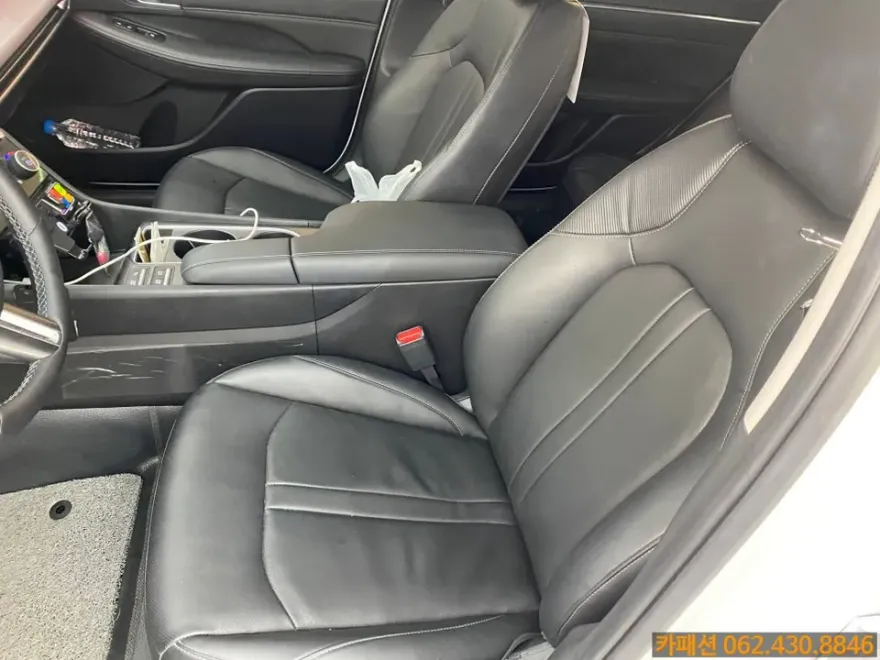
Anyone who drives for extended periods, particularly in warmer climates or during summer months, can attest to the discomfort of a sweaty back and the general feeling of clamminess. This discomfort isn't just a minor annoyance; it can significantly increase fatigue, reduce concentration, and potentially impact driving safety. Recognizing this, the owner of this Hyundai Sonata DN8 taxi opted for a driver's seat ventilation system. This upgrade goes beyond mere cooling; it actively creates a more comfortable and pleasant driving environment, mitigating the fatigue associated with long journeys. Opting for an OEM-style installation ensures the system integrates seamlessly, functioning as if it were a factory-installed feature.
Seat Ventilation & Heating Installation Process
The installation process for this Hyundai Sonata DN8 focused on activating the ventilated seat function using components that mirror original equipment manufacturer (OEM) standards. The procedure involves precisely fitting air ducts within the seat structure to create pathways for airflow. Following this, a blower unit is installed to effectively circulate air through these ducts. The entire process adheres to strict guidelines, ensuring a clean and functional integration. For the Sonata DN8 with its touch-based automatic climate control, the integration is particularly neat. While the original unit lacked a dedicated ventilation button, the retrofit activates this control on the existing auto-climate panel, allowing for convenient operation. This means no need for separate switches or bulky additions, maintaining the car's interior aesthetics.
Installation process:
- Precision fitting of air ducts within the driver's seat structure.
- Installation of a blower unit to circulate air effectively.
- Integration of the ventilation control button with the existing touch-based auto-climate control panel.
- Thorough testing of all functions, including airflow strength and control responsiveness.
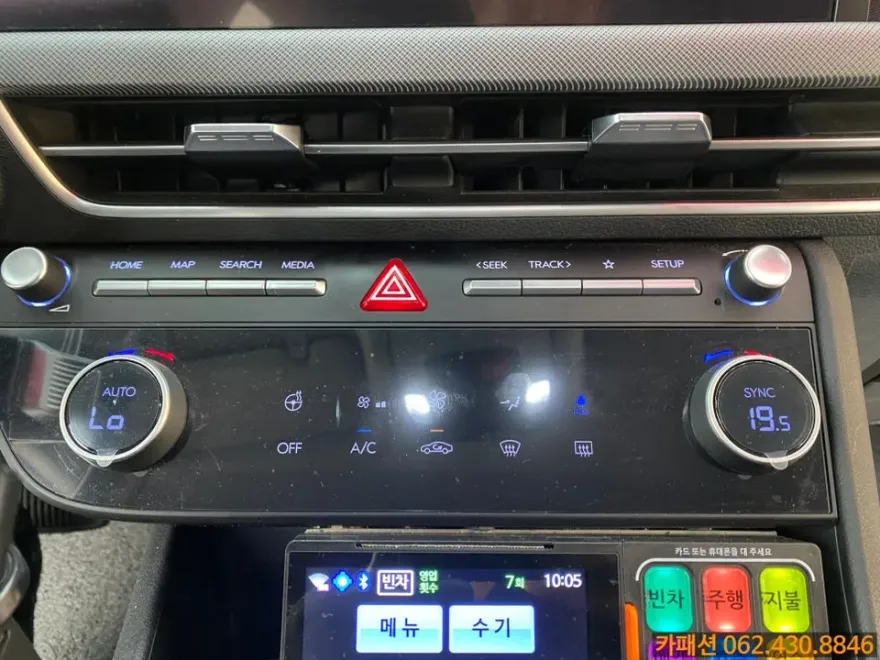
Results and Considerations for Seat Climate Upgrade
Post-installation, a comprehensive check confirms all functions operate correctly. The ventilated seats in this Sonata DN8 offer three levels of airflow intensity, allowing the driver to customize their comfort. The immediate sensation of cool air emanating from the seat, controlled via the integrated OEM button, provides a significant improvement over standard seating. Because the installation uses OEM-grade parts and methods, the system feels like a natural extension of the car's original features. This seamless integration is a key factor in the high satisfaction reported by users. For those considering a seat climate upgrade, the benefits of reduced fatigue and enhanced driving comfort are substantial.
Regarding the Seat Ventilation & Heating cost for a Hyundai Sonata DN8, the typical price range for a driver's side OEM-style ventilation retrofit in Korea is approximately 300,000 to 500,000 KRW (roughly $230-$380 USD, depending on exchange rates). However, the exact Seat Ventilation & Heating cost can vary based on the vehicle's year, specific options, the scope of the installation (ventilation only or with heating), and the quality of parts used. Installation time for ventilation alone is usually around 3 to 4 hours. If heated seats are included, the duration will be longer. It's crucial to get a precise quote after a professional assessment of your vehicle.
When considering a Seat Ventilation & Heating installation, prioritize using genuine or high-quality aftermarket parts for optimal compatibility and durability. Discuss the integration with your specific climate control panel (touchscreen vs. physical buttons) with the installer, as this affects the final look and functionality. Ensure the system offers adjustable fan speeds, ideally three or more levels, to suit different preferences and conditions. Finally, always conduct a thorough post-installation test to verify that all functions, including airflow and control responsiveness, are working perfectly before finalizing the service.
Frequently Asked Questions
Q. How much does ventilated seat installation cost for a Hyundai Sonata DN8?
In Korea, the installation cost for a driver's side ventilated seat on a Hyundai Sonata DN8 typically ranges from 300,000 to 500,000 KRW (approx. $230-$380 USD). Prices can vary based on specific vehicle options and parts used.
Q. How long does seat ventilation installation take on a Hyundai Sonata DN8?
Seat ventilation installation on a Hyundai Sonata DN8 usually takes about 3 to 4 hours for the ventilation-only function. Durability is generally high with OEM-style parts, and basic maintenance involves keeping the seat upholstery clean.
Q. Are aftermarket ventilated seats worth it for a Hyundai Sonata DN8?
Yes, ventilated seats are highly recommended for Hyundai Sonata DN8 owners who drive frequently, especially in warm climates, as they significantly improve comfort and reduce fatigue. The value lies in the enhanced driving experience and potential health benefits from reduced heat exposure.
Q. How are ventilated seats installed in a Hyundai Sonata DN8?
Installation involves fitting air ducts into the seat, installing a blower fan, and integrating controls with the car's climate system, often activating a button on the existing panel. The process is meticulous to ensure proper airflow and seamless integration.
Q. What is the difference between OEM and aftermarket ventilated seats for a Hyundai Sonata DN8?
OEM-style aftermarket installations aim to replicate factory functionality and integration, often using similar components and methods. The key difference is often cost and the availability of specific features, with aftermarket options providing a more accessible upgrade path.
Q. What should I know before getting Seat Ventilation & Heating on a Hyundai Sonata DN8? (common regrets and mistakes)
The most common regret is not confirming the integration with the specific climate control panel (touch vs. physical buttons), which can affect aesthetics and usability. Always verify compatibility and ensure the installer uses quality parts for long-term performance.
OhCar Partner Shop