Hyundai Venue Window Tinting Review: Heat Rejection & Cost
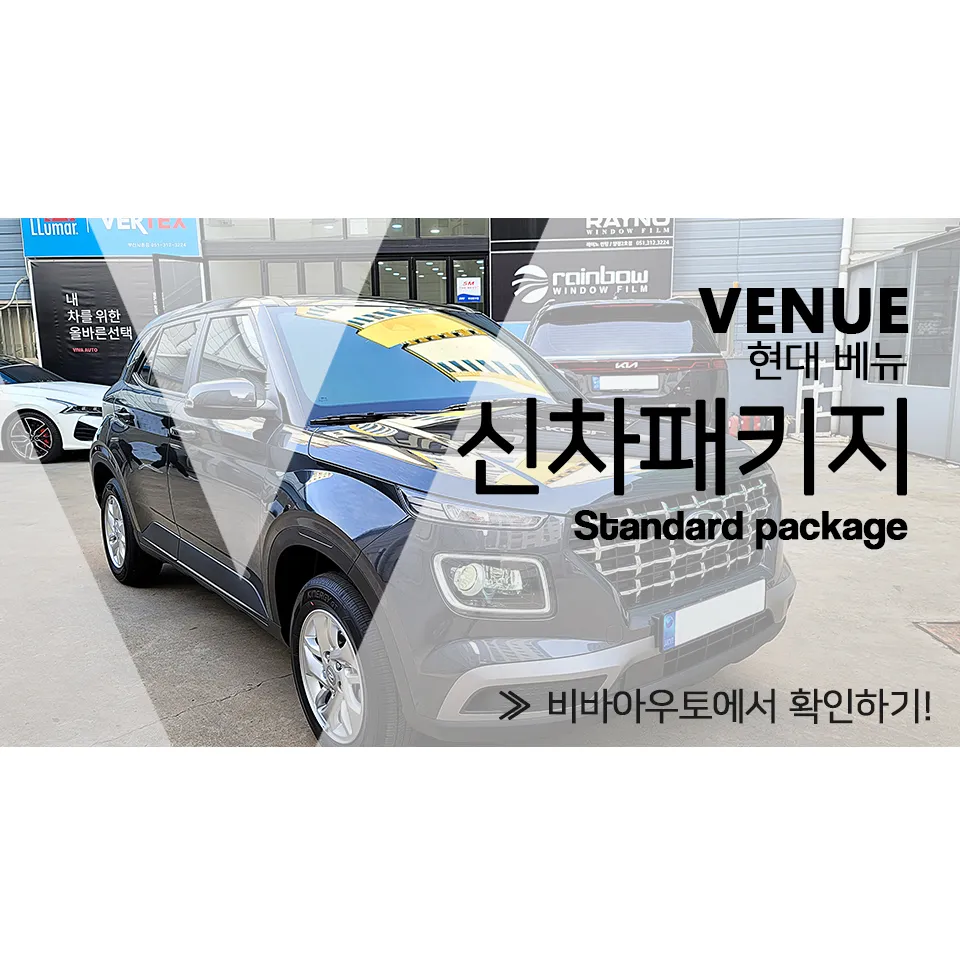
Hyundai Venue V-KOOL K window tinting & ceramic coating package: Approx. $1500-$2000 USD. Enhanced heat rejection, UV protection, and durability.
Expert Window Tinting for Your Hyundai Venue
As temperatures rise, keeping your car's interior cool and protected becomes a priority. For Hyundai Venue owners, professional window tinting offers a significant upgrade, enhancing comfort, protecting against UV rays, and improving aesthetics. This review delves into the process, materials, and outcomes of a comprehensive new car package, including V-KOOL ceramic tinting, applied to a Hyundai Venue in Busan, South Korea. The goal was to tailor the vehicle's interior and exterior environment to the owner's preferences, focusing on performance and protection.
Detailed Installation and Material Analysis
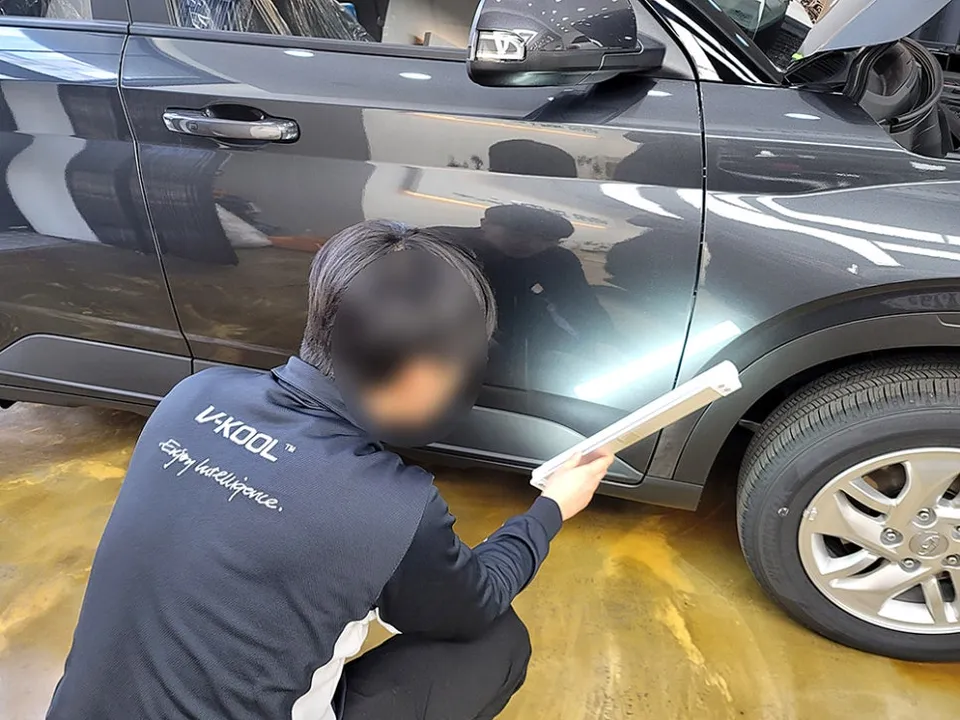
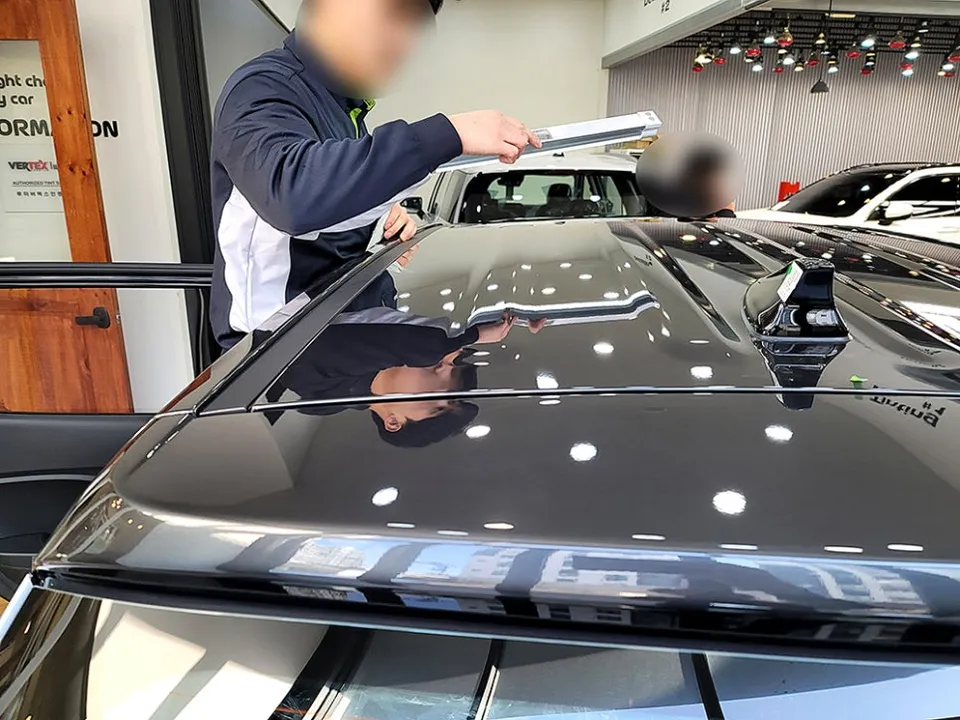
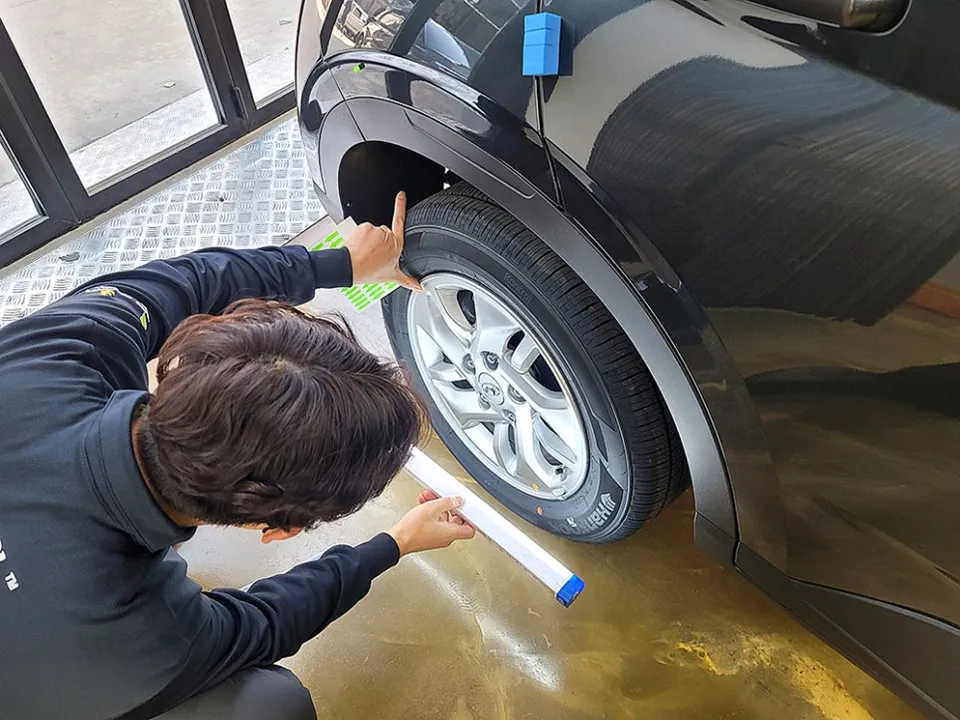
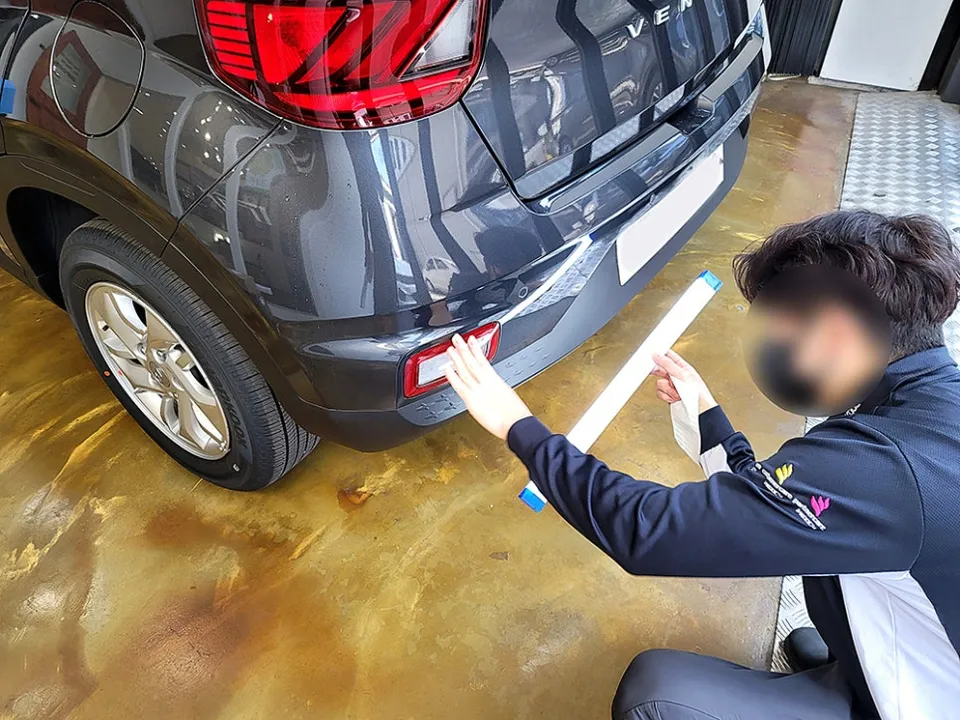
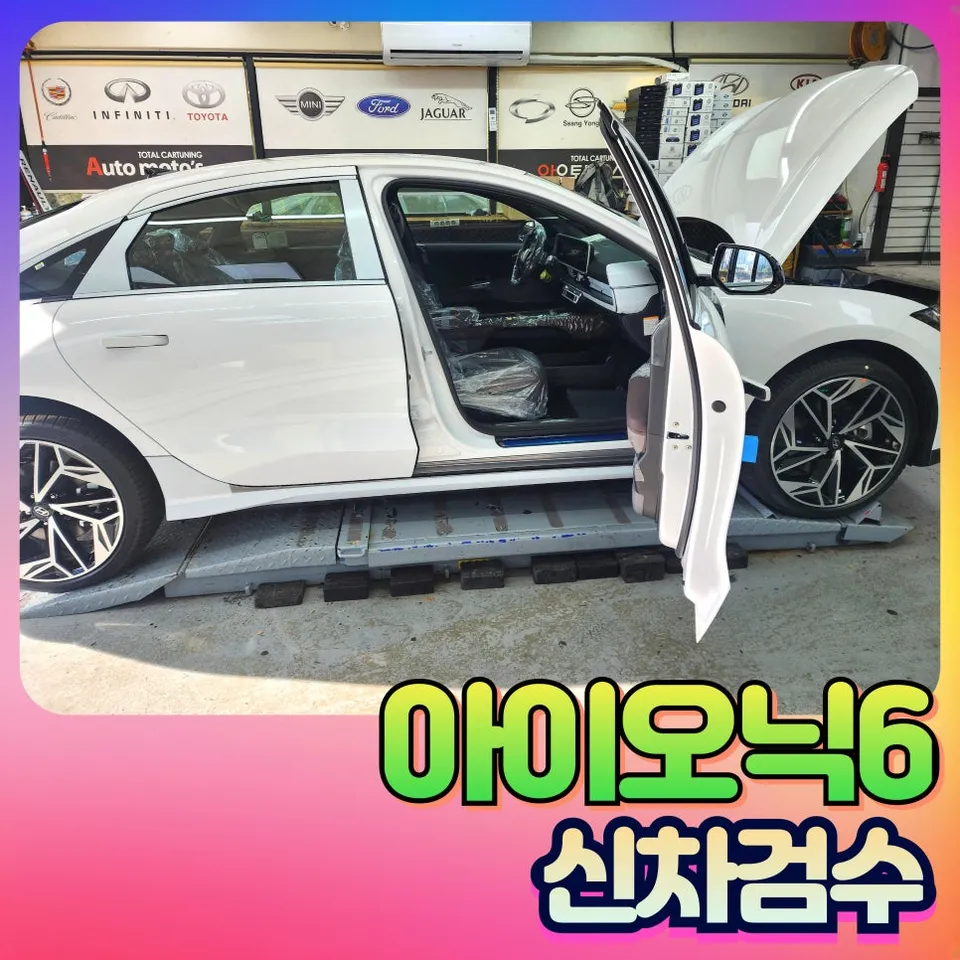
The process began with a meticulous new car inspection, conducted indoors under fluorescent lighting to better detect minor imperfections like scratches or watermarks that might be missed in direct sunlight. Advanced tools, including a car scanner, paint thickness gauge, and thermal imaging camera, were used to check exterior damage, paint defects, and ensure all internal electronic systems, including the engine and battery, were functioning correctly. This thorough inspection identified paint chips and color inconsistencies on the specific Hyundai Venue, which were reported to the owner, leading to a decision to proceed after arranging for touch-ups with the dealer.
The core of the package was the application of V-KOOL K series tint. Developed in Silicon Valley and manufactured in Germany, this high-performance film utilizes technology from aerospace applications to provide superior solar energy rejection. The front windshield was tinted to 28% and the sides and rear to 14%. Before application, extensive protective measures were taken, including masking and covering the vehicle's body to prevent damage from installation tools and liquids. The V-KOOL K film, made with precious metals like gold, silver, and indium tin oxide through multi-layer sputtering, requires careful handling. To ensure optimal clarity and durability, a no-touch heat-forming method and vertical film cutting were employed. The installation environment was kept humidified, and the film underwent a shower and cleaning process to minimize dust contamination. High-quality urethane squeegees were used to ensure a smooth, bubble-free finish, and the A-pillars and door trims were carefully removed to allow for precise film placement, preventing pinching or creasing.
Beyond window tinting, the package included the installation of an I-NAVI Z9000 dashcam, with all wiring meticulously concealed and secured using sound-absorbing tape and insulation material to prevent corrosion and noise. A Rooser Hybrid ceramic coating was applied to the entire vehicle, including paint, headlights, wheels, and grille, after a polishing process to correct minor scratches and prepare the surface. This was followed by a water-repellent coating on all glass surfaces. Finally, a heat curing process at approximately 60°C was used to enhance the coating's durability. Additional services included an interior antibacterial fogging treatment and the application of PPF (Paint Protection Film) to high-impact areas to guard against scratches. The owner also opted for a Mando After Blow system to prevent mold in the air conditioning unit and door edge PPF for protection against minor impacts.
Durability, Maintenance, and Value Assessment
The V-KOOL K tint is known for its durability, offering long-term protection against heat and UV radiation. Proper installation, as demonstrated, is key to its longevity. The ceramic coating further enhances the vehicle's exterior protection and appearance, making it easier to clean and maintain. Regular washing and drying, avoiding abrasive cleaners, will help preserve the coating's gloss and protective qualities. The combination of high-quality tint, ceramic coating, and PPF provides a comprehensive shield for the Hyundai Venue, significantly improving its resale value and the owner's driving experience. While the specific cost was in Korean Won (approximately $1,500 - $2,000 USD for the full package described), the investment in these protective services offers substantial benefits in terms of comfort, vehicle preservation, and aesthetic appeal, making it a worthwhile consideration for new car owners.
Is Window Tinting Worth It for Your Hyundai Venue?
Professional window tinting for a Hyundai Venue offers tangible benefits. It significantly reduces interior heat buildup, protects occupants from harmful UV rays, and can enhance the vehicle's appearance. The V-KOOL K ceramic tint, in particular, provides excellent heat rejection and clarity. While the initial window cost can vary based on film type and coverage, the long-term advantages, including reduced A/C load, protection of interior materials from fading, and improved driving comfort, often justify the investment. Considering the durability and performance benefits, especially with ceramic films, window tinting is generally considered a valuable upgrade for most car owners.
Frequently Asked Questions
Q. How much does window tinting cost for a Hyundai Venue?
The V-KOOL K tinting package for this Hyundai Venue was approximately 2,000,000 KRW (around $1,500 - $2,000 USD). Typical professional window tinting costs in the US can range from $200 to $800 depending on the vehicle and film quality.
Q. What tint percentage is legal for a Hyundai Venue?
Legality of window tint percentages varies significantly by state in the US and country. It's crucial to check your local regulations to ensure compliance, as illegal tint can result in fines. Generally, front windshield tint is often prohibited or restricted to the top few inches, while side and rear windows have specific VLT (Visible Light Transmission) limits.
Q. Is ceramic tint worth the extra cost for a Hyundai Venue?
Ceramic tint is often worth the extra cost for a Hyundai Venue due to its superior heat rejection and UV protection capabilities compared to dyed or metallic films. It provides enhanced comfort and protects the interior from sun damage without interfering with electronic signals.
Q. How is window tint installed on a Hyundai Venue?
Installation involves meticulous surface preparation, including thorough cleaning and masking of the vehicle's interior and exterior. The film is then precisely cut, often using computer-aided design, and applied to the glass using a special solution and heat-molding techniques. Finally, excess solution is squeegeed out, and the edges are trimmed for a clean finish.
Q. What is the difference between ceramic and dyed window tint for a Hyundai Venue?
Ceramic tint uses non-metallic ceramic particles to block heat and UV rays, offering excellent performance without signal interference. Dyed tint uses a layer of dye to absorb heat and reduce glare but offers less heat rejection and can fade over time. For optimal heat rejection and durability on a Hyundai Venue, ceramic tint is recommended.
Q. What should I know before getting Window Tinting on a Hyundai Venue? (common regrets and mistakes)
The most common regret is choosing a low-quality tint that fades, bubbles, or offers poor heat rejection. To avoid this, always opt for reputable brands and professional installation, and confirm the specific type of film (e.g., ceramic) meets your needs for heat rejection and UV protection.
OhCar Partner Shop
More window tinting Reviews
See all →
More Hyundai Reviews
Pair with Another Service
Protect paint while you're at the shop
Add gloss and protection