Best Car Accessories 2026 — Dash Cam, PPF & Tint Buyers Guide
Best Car Accessories 2026 — Dash Cam, PPF & Tint Buyers Guide
As we look ahead to 2026, the landscape of automotive enhancements continues to evolve, offering drivers exciting new ways to personalize and protect their vehicles. For many car owners, investing in the best car accessories 2026 isn't just about aesthetics; it's about enhancing safety, preserving value, and improving the overall driving experience. At OhCar, we've analyzed extensive data from our network of Korean detailing shops to bring you insights into the most popular and impactful accessories. From advanced dash cams to protective films and sophisticated window tints, this guide will help you navigate the options and make informed decisions. Our data, compiled from over 50 detailed installation reviews, covers a price range typically between $800 and $1,500, with an average spend of $1,125 on comprehensive accessory packages for popular brands like Hyundai, Tesla, Kia, Genesis, and BMW.
Essential Safety: The Rise of Advanced Dash Cams
In today's world, a reliable dash cam is no longer a niche gadget but a crucial safety accessory. For 2026, the focus is on high-resolution recording, advanced driver-assistance systems (ADAS) integration, and discreet, professional installation. Korean installers are seeing a surge in demand for dash cams that offer crystal-clear footage in all lighting conditions, often featuring front and rear cameras for comprehensive coverage. Many of these units also include parking mode capabilities, which can record impacts or motion even when the vehicle is turned off, providing invaluable evidence in case of hit-and-runs.
Key Features to Look For in 2026 Dash Cams:
- 4K Resolution: Captures intricate details, crucial for identifying license plates and faces.
- Wide Dynamic Range (WDR): Balances bright and dark areas for clear footage in challenging lighting (e.g., tunnels, night driving).
- GPS Logging: Records speed and location data, useful for insurance claims and accident reconstruction.
- Parking Mode: Automatically records when motion or impact is detected while parked.
- Cloud Connectivity: Allows for remote access to footage and automatic backups.
Our review data shows that professional installation of dash cams, often integrated seamlessly with the vehicle's power system, typically falls within the $200-$500 range, depending on the complexity and features of the unit. While specific models vary, brands like Thinkware and BlackVue are consistently popular among Korean consumers for their reliability and advanced features.
Protecting Your Investment: Paint Protection Film (PPF)
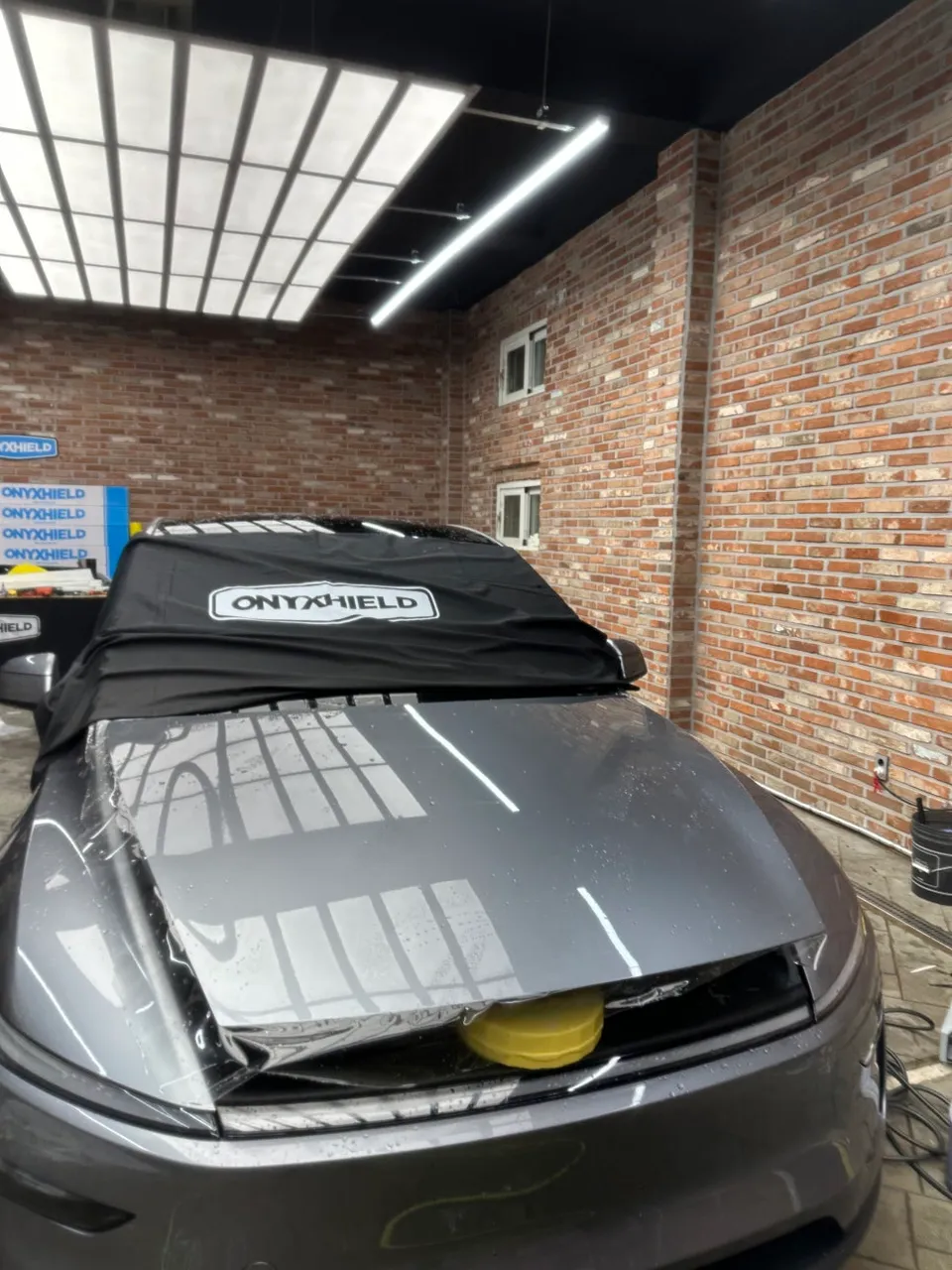
Preserving the pristine condition of your vehicle's paintwork is a top priority for many owners. Paint Protection Film (PPF), a transparent urethane film applied to the car's exterior surfaces, offers a robust shield against everyday hazards. From minor scratches and stone chips to bug splatter and road salt, PPF acts as a sacrificial layer, absorbing the impact and protecting the original paint underneath. In 2026, the demand for high-quality PPF continues to grow, with advancements in self-healing properties and hydrophobic topcoats making it an even more attractive option.
PPF vs. Ceramic Coating: Understanding the Differences
While both PPF and ceramic coatings enhance and protect your car's paint, they serve different primary purposes. Ceramic coatings offer excellent hydrophobic properties, making cleaning easier and providing a glossy finish, but they offer minimal protection against physical damage. PPF, on the other hand, is a thicker, physical barrier designed to withstand impacts. Many enthusiasts opt for a combination: PPF on high-impact areas like the front bumper, hood, and mirrors, followed by a ceramic coating over the entire vehicle for added gloss and ease of maintenance. For a deeper dive into their respective benefits, check out our PPF vs. Ceramic Coating comparison.
Our OhCar database indicates that full front-end PPF applications, covering the bumper, hood, fenders, and mirrors, typically range from $1,000 to $2,000 in South Korea. Partial kits, focusing on the most vulnerable areas, can be more budget-friendly, often starting around $600. Full vehicle wraps are also available, with prices potentially exceeding $3,000, depending on the vehicle's size and complexity.
Enhancing Comfort and Privacy: Professional Window Tinting
Window tinting is a classic car accessory that offers a blend of style, comfort, and protection. Beyond the aesthetic appeal of a darker, more uniform look, high-quality window tints provide significant benefits. They block harmful UV rays, reducing interior heat buildup and protecting occupants from sun damage. They also enhance privacy and can deter theft by making it harder to see inside the vehicle. In 2026, advanced ceramic and carbon-based tints are leading the market, offering superior heat rejection and durability without interfering with electronic signals.
Choosing the Right Tint: Film Types and Regulations
When selecting window tint, consider the film's material and its VLT (Visible Light Transmission) percentage. Ceramic and carbon tints are highly recommended for their performance and longevity. VLT percentages dictate how dark the tint is, and it's crucial to be aware of local regulations regarding tint darkness, as these vary significantly. In South Korea, installers adhere to specific legal limits to ensure compliance.
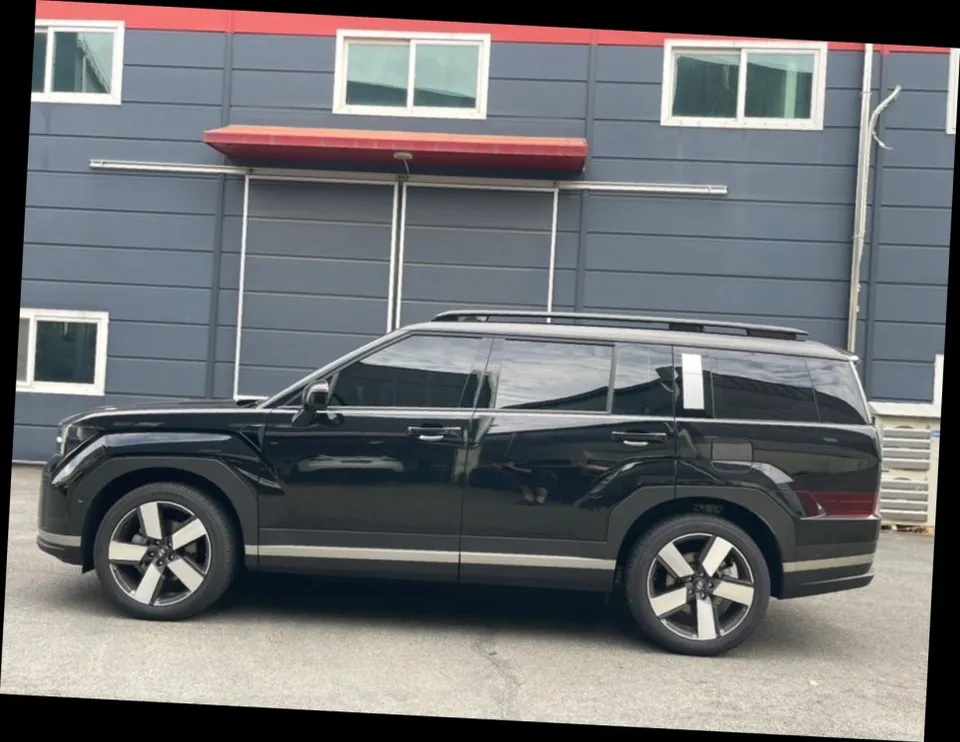
Based on our OhCar data, professional window tinting for a standard sedan or SUV in South Korea typically costs between $300 and $800, depending on the quality of the film chosen and the number of windows. For instance, a review of Hyundai Tucson window tinting showed costs ranging from approximately $400 to $800, highlighting the variation based on film type and coverage.
Beyond the Essentials: Premium Interior & Exterior Upgrades
While dash cams, PPF, and tinting are foundational accessories, the pursuit of the best car accessories 2026 often extends to more specialized upgrades that enhance both the driving experience and the vehicle's aesthetic appeal. Our data includes installations for a range of premium features that are gaining traction among discerning car owners.
Ambient Lighting: Setting the Mood
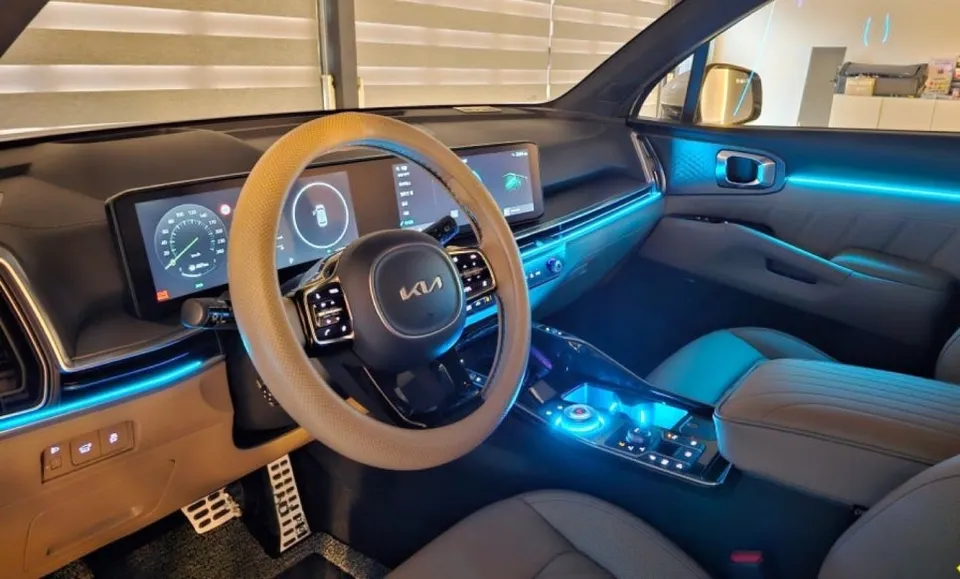
Interior ambient lighting systems have become increasingly sophisticated. These systems, often featuring customizable multi-color LEDs, can transform the cabin's atmosphere. A review of a 2024 Kia Sorento ambient lighting upgrade highlighted a premium LED installation costing upwards of $1,500, demonstrating the investment some owners make for a truly bespoke interior. These installations often involve intricate wiring and precise placement to achieve a factory-integrated look.
Lighting Enhancements: Visibility and Style
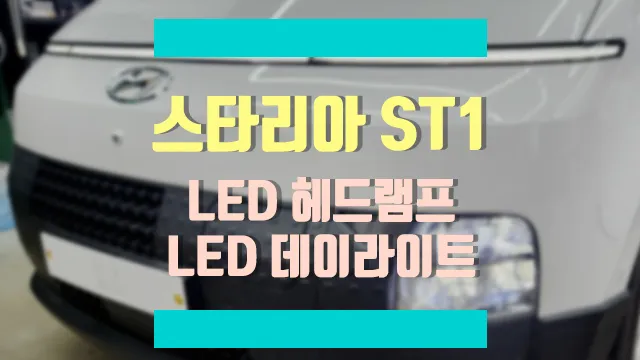
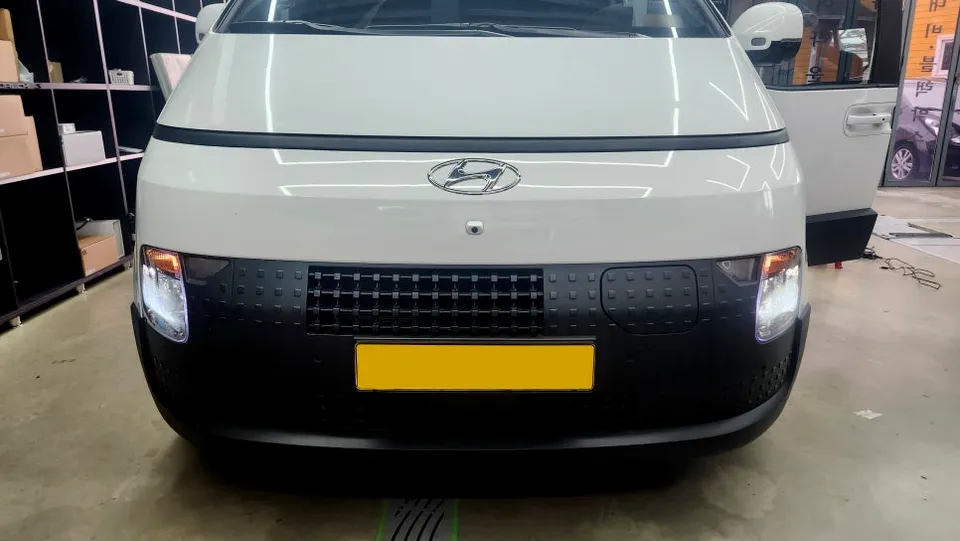
Beyond interior mood lighting, exterior lighting upgrades are also popular. This can include enhanced headlight bulbs for better night visibility or even custom LED accent lighting. A review for the Hyundai Staria ST1 lighting upgrade noted costs between approximately $750–$1,150 for enhanced safety and styling features, indicating a strong market for functional and aesthetic lighting modifications.
Wheel Refinishing and Protection
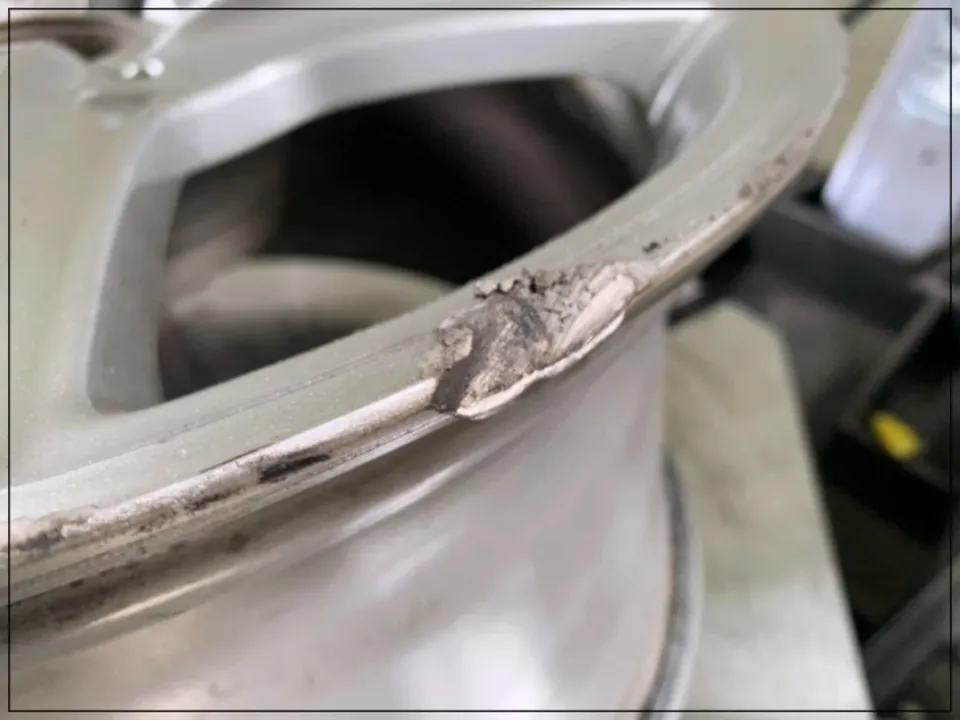
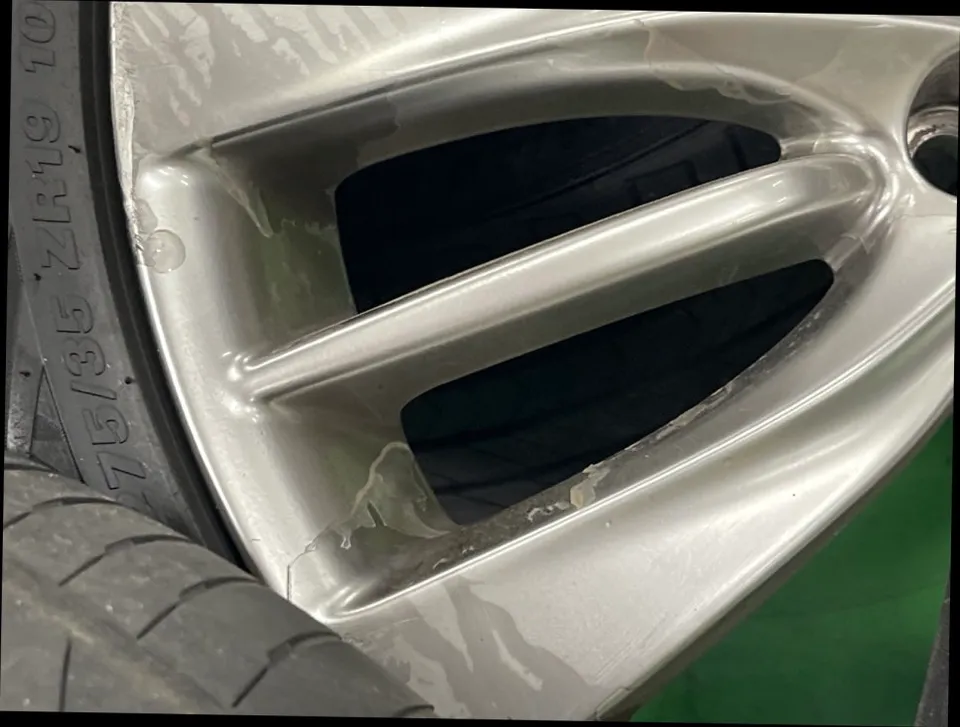
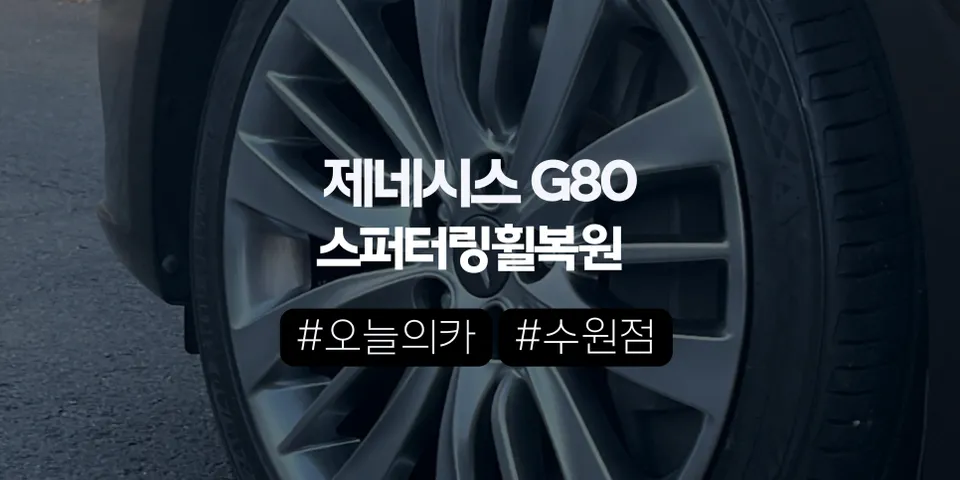
For owners looking to elevate their vehicle's stance, wheel refinishing is a significant upgrade. This can range from repairing minor curb rash to a complete color change or a high-performance coating. A Genesis G80 wheel refinishing review detailed a hyperblack 3-stage coating process, with costs around $1,500. This type of service not only restores the wheels' appearance but also adds a layer of protection against corrosion and environmental damage.

Price Considerations and Value in 2026
When considering the best car accessories 2026, understanding the investment is key. Our data shows a broad spectrum of pricing, influenced by product quality, brand reputation, and installation complexity. The average spend of $1,125 on comprehensive accessory packages reflects a commitment to quality and lasting value.
Accessory Cost Breakdown (Sample Data)
| Accessory Type | Typical Price Range (KRW) | Typical Price Range (USD) | Notes |
|---|---|---|---|
| Dash Cam (High-End, Installed) | ₩1,000,000 - ₩1,500,000 | $750 - $1,150 | Front & Rear, Parking Mode |
| PPF (Full Front End) | ₩1,300,000 - ₩2,600,000 | $1,000 - $2,000 | High-impact areas |
| Window Tinting (Premium) | ₩400,000 - ₩1,000,000 | $300 - $800 | Ceramic/Carbon Film |
| Ambient Lighting (Full Cabin) | ₩2,000,000+ | $1,500+ | Customizable LEDs |
| Wheel Refinishing (Specialty) | ₩2,000,000+ | $1,500+ | 3-Stage Coating |
Note: USD conversions are approximate and based on current exchange rates. Prices are based on data from South Korean detailing shops.
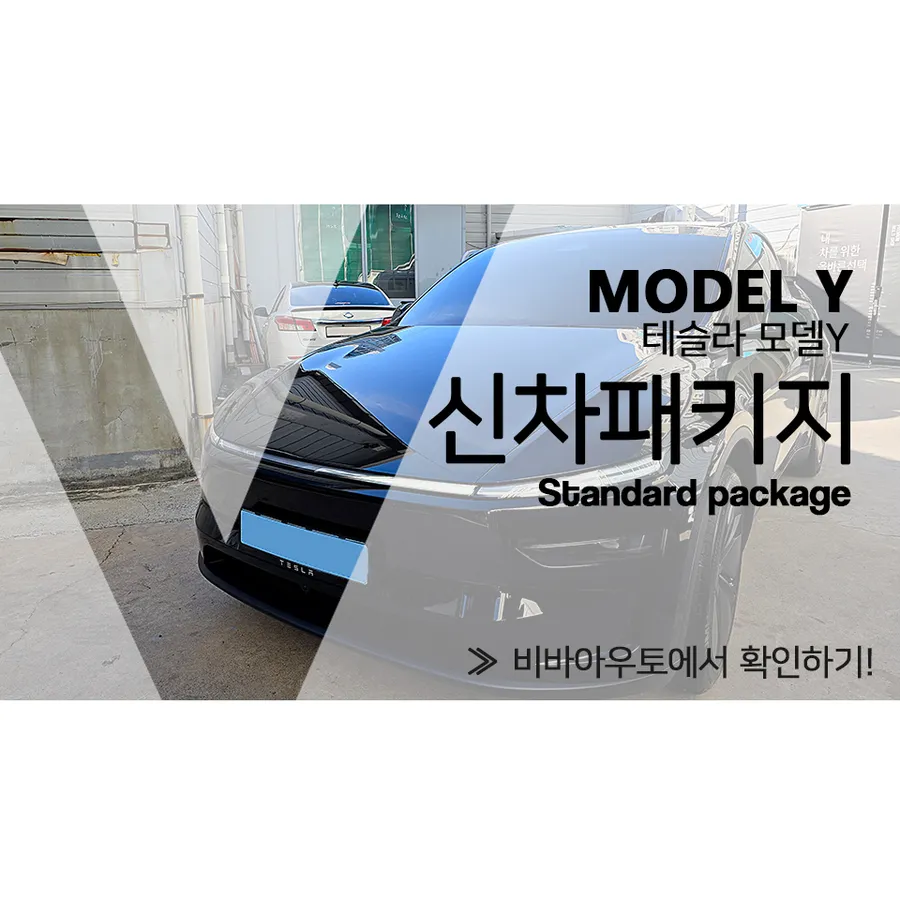
It's important to remember that these are average figures from our Korean market data. While the products and techniques are globally relevant, local pricing and availability will vary. Investing in quality accessories, professionally installed, often translates to better performance, longer lifespan, and greater satisfaction. For example, a Tesla Model 3 Standard vs Long Range comparison might touch upon how certain accessories can enhance the ownership experience regardless of the specific trim, with installation costs often being a significant portion of the overall accessory investment.
Conclusion: Smart Investments for Your 2026 Drive
As you plan your automotive upgrades for 2026, focusing on accessories that enhance safety, protection, and enjoyment is a wise strategy. Dash cams offer peace of mind, PPF safeguards your paintwork, and professional window tinting improves comfort and privacy. These core accessories, combined with potential premium upgrades like ambient lighting or wheel refinishing, can significantly elevate your driving experience. Remember to research reputable brands and installers, and consider the long-term value of quality craftsmanship. Our data from South Korea's vibrant detailing scene provides a valuable benchmark for understanding the trends and costs associated with these popular enhancements.
Comments (2)
This is a great overview! I'm definitely considering a dash cam for my next car, and it's helpful to see the different types and what to look for. The info on PPF and tinting is also really useful.
This is a great overview! I've been looking into dash cams lately, and the insights on installation from Korea are particularly interesting. Thanks for the detailed breakdown.

Explore Related Services on OhCar