Jeep Renegade Front & Rear Sensor Installation Review
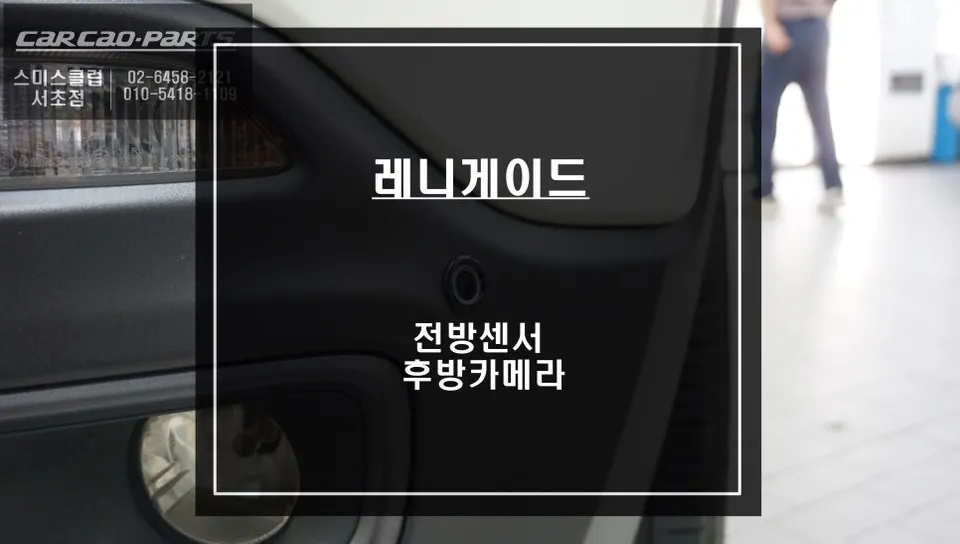
Jeep Renegade front/rear sensor & camera install: Enhances parking safety by eliminating blind spots with audible alerts and clear rear views.
Enhance Your Jeep Renegade's Parking Safety with Sensor Installation
This review details the installation of front parking sensors and a rear camera system for the Jeep Renegade. These systems are crucial for detecting obstacles in blind spots, alerting the driver with audible warnings, and ensuring safer parking maneuvers. We'll walk through the step-by-step process of this essential upgrade.
Precision Front Sensor Installation on the Renegade Bumper
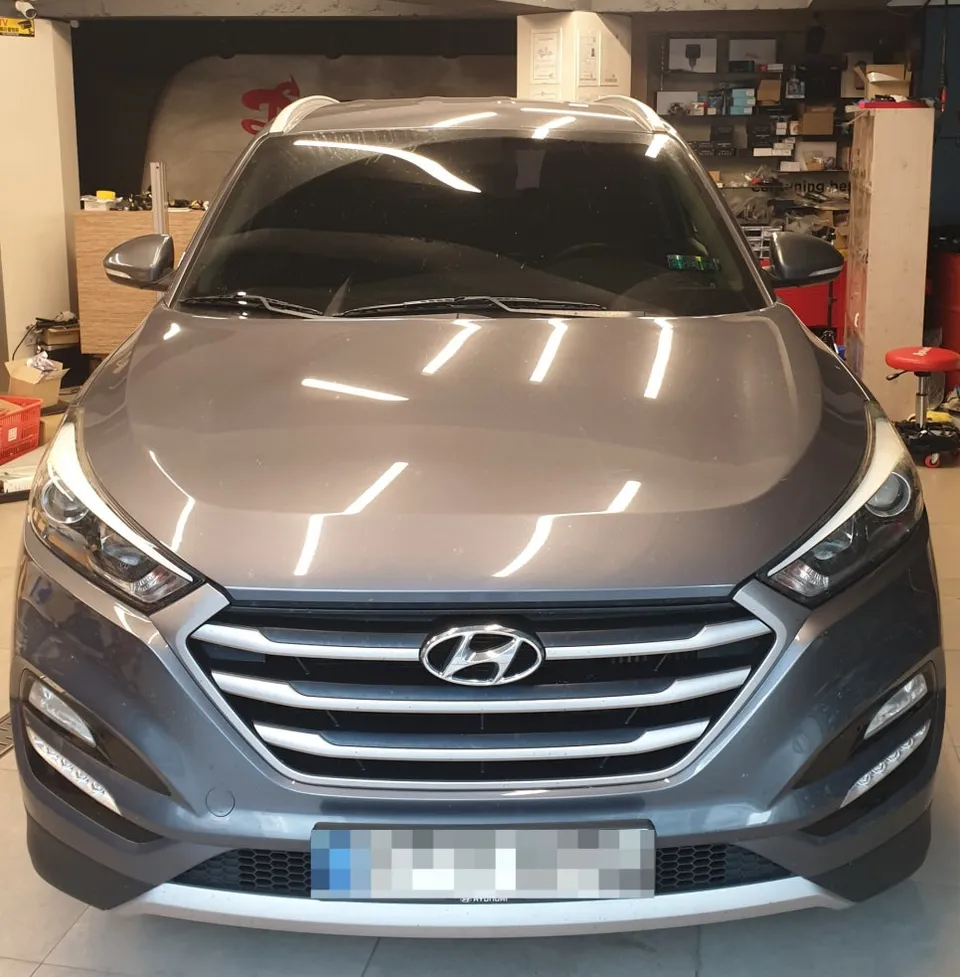
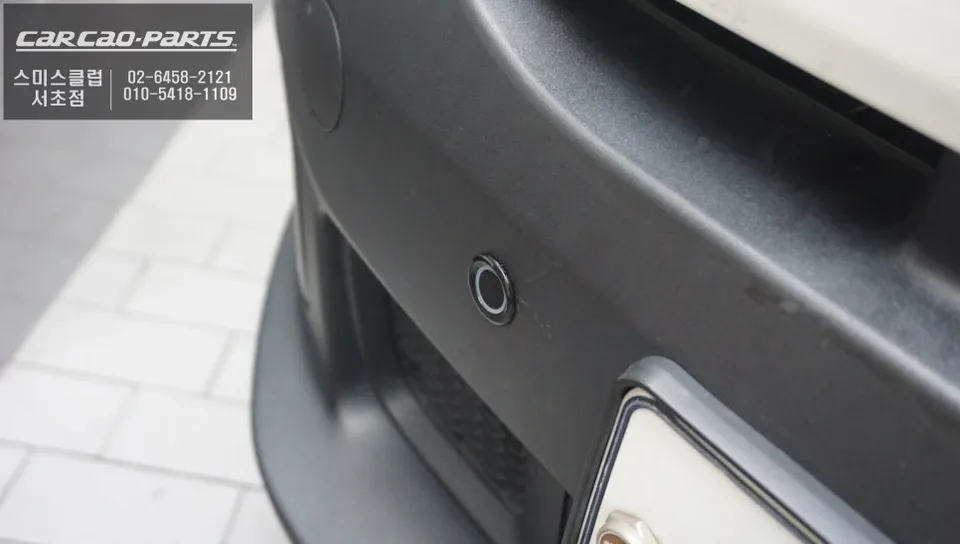
The first step in installing front parking sensors is matching the sensor color to the vehicle's bumper. For the Jeep Renegade, which often features a black bumper, the black Autorex FD-500 sensors were chosen to ensure a seamless, factory-like appearance. Selecting sensors that match the bumper color significantly enhances the overall aesthetic and professional finish of the installation – a detail often overlooked but vital for quality work.
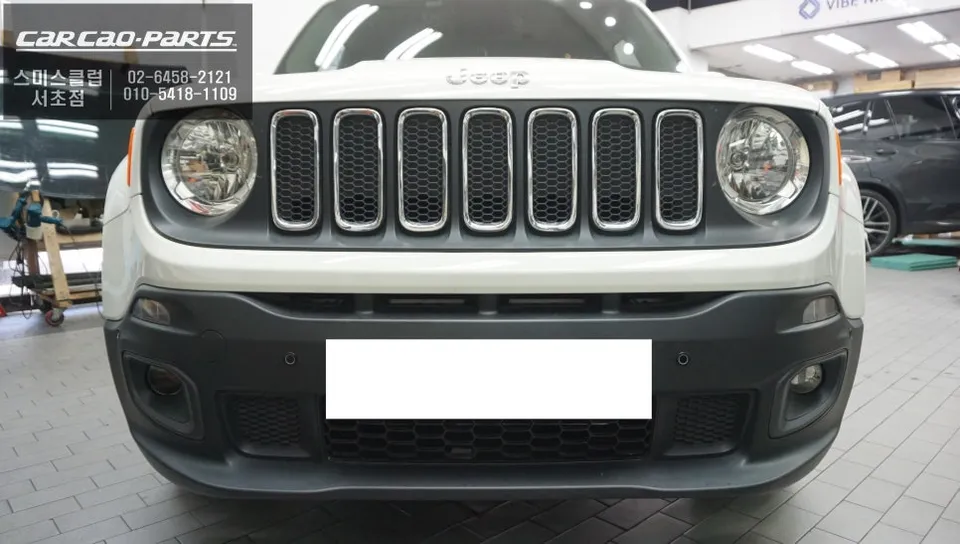
The sensors are strategically placed on the front bumper: two on the sides and two towards the center, totaling four sensors. Precise drilling is required to create openings for each sensor, minimizing any potential damage to the bumper while ensuring optimal functionality. To protect the bumper during this process, protective tape is applied before any drilling commences, safeguarding the vehicle's original finish.
Advanced Sensor Performance with 4-Stage Alerts
A key advantage of the Autorex FD-500 sensors is their multi-stage warning system. The system provides an initial alert when an obstacle is 80cm away, followed by a faster alert at 60cm, and a continuous warning at 40cm. This graduated alert system gives the driver ample time to react and avoid potential collisions.
Beyond the alerts, the sensor's detection range and angle are critical. While many lower-cost sensors offer a limited 60-degree detection angle, the FD-500 boasts a wide angle of over 80 degrees, effectively covering side blind spots. This wide-angle detection is increasingly important for modern vehicles, which often have larger dimensions.
Why a Rear Camera is Essential for the Renegade
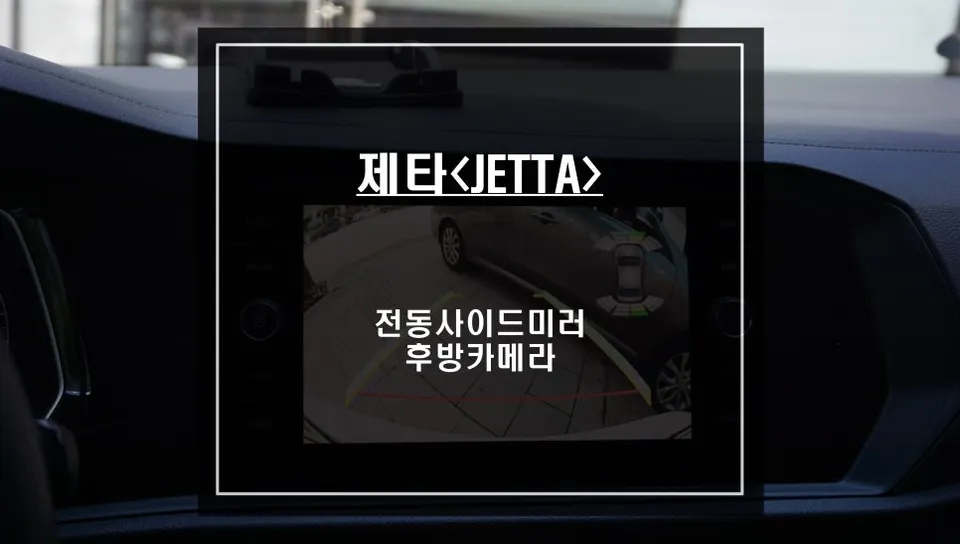
While some higher trims of the Jeep Renegade come equipped with a factory rear camera, many standard models do not. Relying solely on mirrors can leave significant blind spots, making it difficult to detect approaching vehicles or obstacles when reversing. This is particularly challenging during parking.
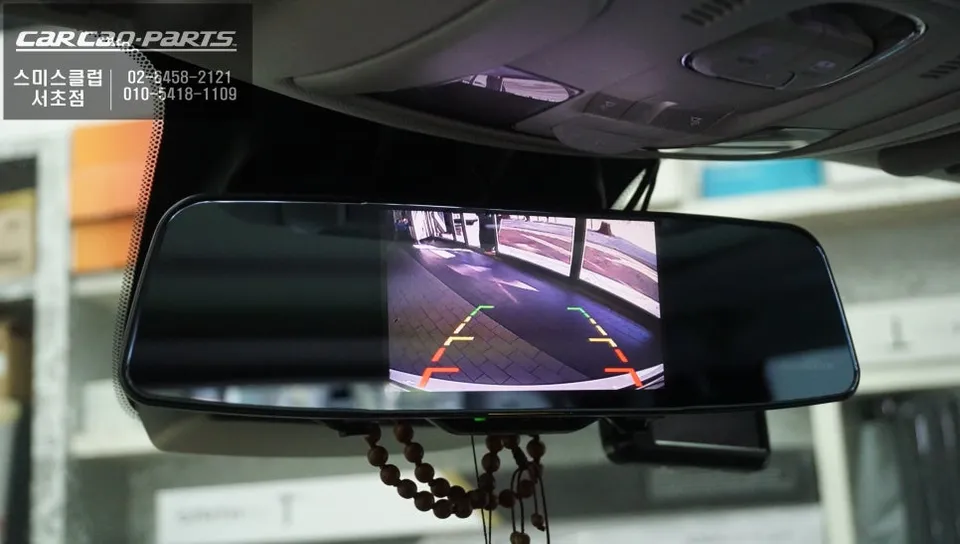
For Renegade models lacking a factory camera, a popular and cost-effective solution is a 5-inch rearview mirror monitor combined with a rear camera. This setup offers excellent practicality and is a preferred option for many drivers seeking to improve their vehicle's safety features without the expense of a full factory system.
Seamless Rearview Mirror Monitor Installation
The rearview mirror monitor is designed to attach directly to the existing factory mirror. This mounting method is highly advantageous as it doesn't require additional dashboard space while still providing a clear view of the camera feed. The mirror functions normally until reverse gear is engaged, at which point the rear camera's image appears on the central part of the screen.
Proper signal connection between the monitor and camera is crucial to avoid interference or poor image quality. Professional installation ensures that wiring is neatly routed along the vehicle's headliner, maintaining the interior's aesthetics and minimizing signal loss. This meticulous wiring approach is a hallmark of expert installation services.
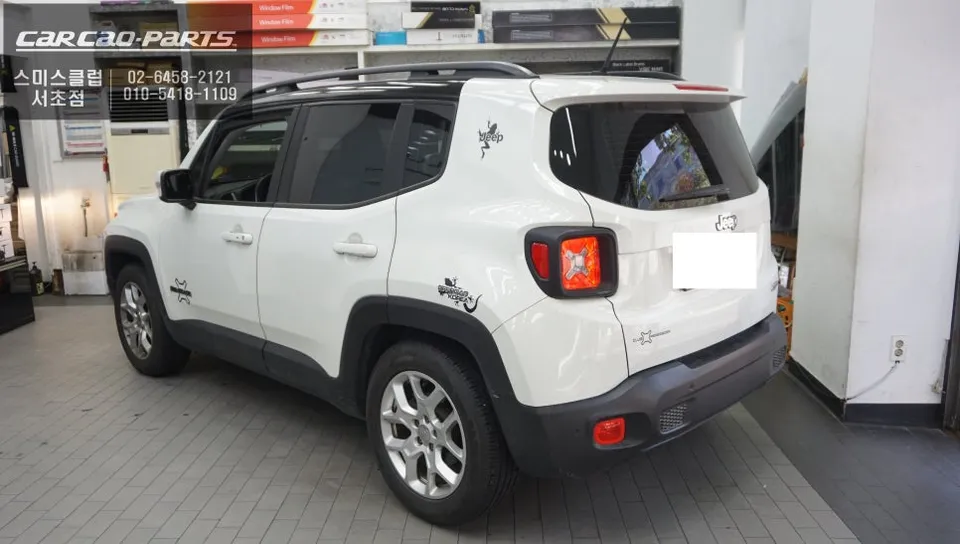
High-Quality Rear Camera Mounting
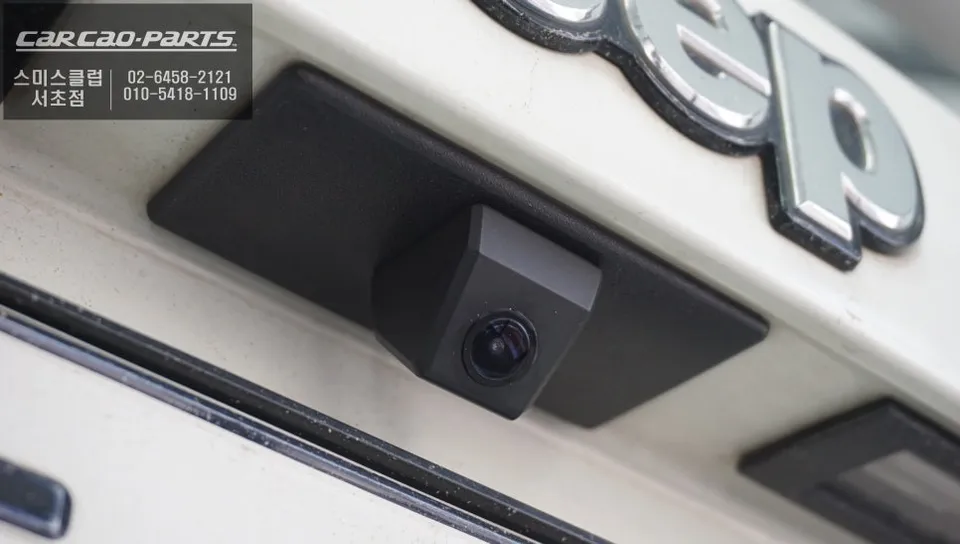
The rear camera was selected to complement the Renegade's rear design, opting for a matte black finish. A camera with a wide-angle lens, typically 170 degrees or more, is essential for covering the entire rear area.
The camera is mounted by precisely drilling into the vehicle's rear garnish panel. This method ensures a secure fit and a clean look, avoiding damage from oversized holes or instability from undersized ones. Such attention to detail in placement and mounting is key to a professional finish.
Frequently Asked Questions
Q. How much does OEM option and factory upgrade installation cost for a Jeep Renegade?
The cost for this specific front and rear sensor and camera installation on a Jeep Renegade was detailed in Korean Won, translating to approximately $300-$500 USD. Typical US pricing for similar aftermarket parking sensor and camera systems can range from $200 to $800, depending on the brand and features.
Q. How long does OEM options installation take on a Jeep Renegade?
This type of sensor and camera installation typically takes between 2 to 4 hours to complete. Regular maintenance involves ensuring the sensors and camera lens are clean and unobstructed for optimal performance, and checking connections periodically.
Q. Are OEM options worth adding after purchase for a Jeep Renegade?
Adding parking sensors and a rear camera is highly recommended for Jeep Renegade models that don't come equipped with them, especially for drivers who frequently navigate tight spaces or have visibility concerns. The enhanced safety, convenience, and potential to avoid costly parking-related damage offer significant value.
Q. How are OEM factory options installed on a Jeep Renegade?
Installation involves precisely drilling holes in the front bumper for sensors and the rear garnish for the camera. Wiring is then carefully routed through the vehicle's interior, often along the headliner, to connect to a rearview mirror monitor or a dedicated display. Finally, sensors and the camera are securely mounted and tested.
Q. What is the difference between dealer-installed options and aftermarket upgrades for a Jeep Renegade?
Dealer-installed options are typically OEM (Original Equipment Manufacturer) parts installed by the dealership, often integrated seamlessly with the vehicle's systems. Aftermarket upgrades, like the system reviewed, are sourced from third-party manufacturers and can offer similar functionality, sometimes at a lower cost or with different features, but integration may vary.
Kakao Parts