Mercedes-Benz E-Class OEM Options Review
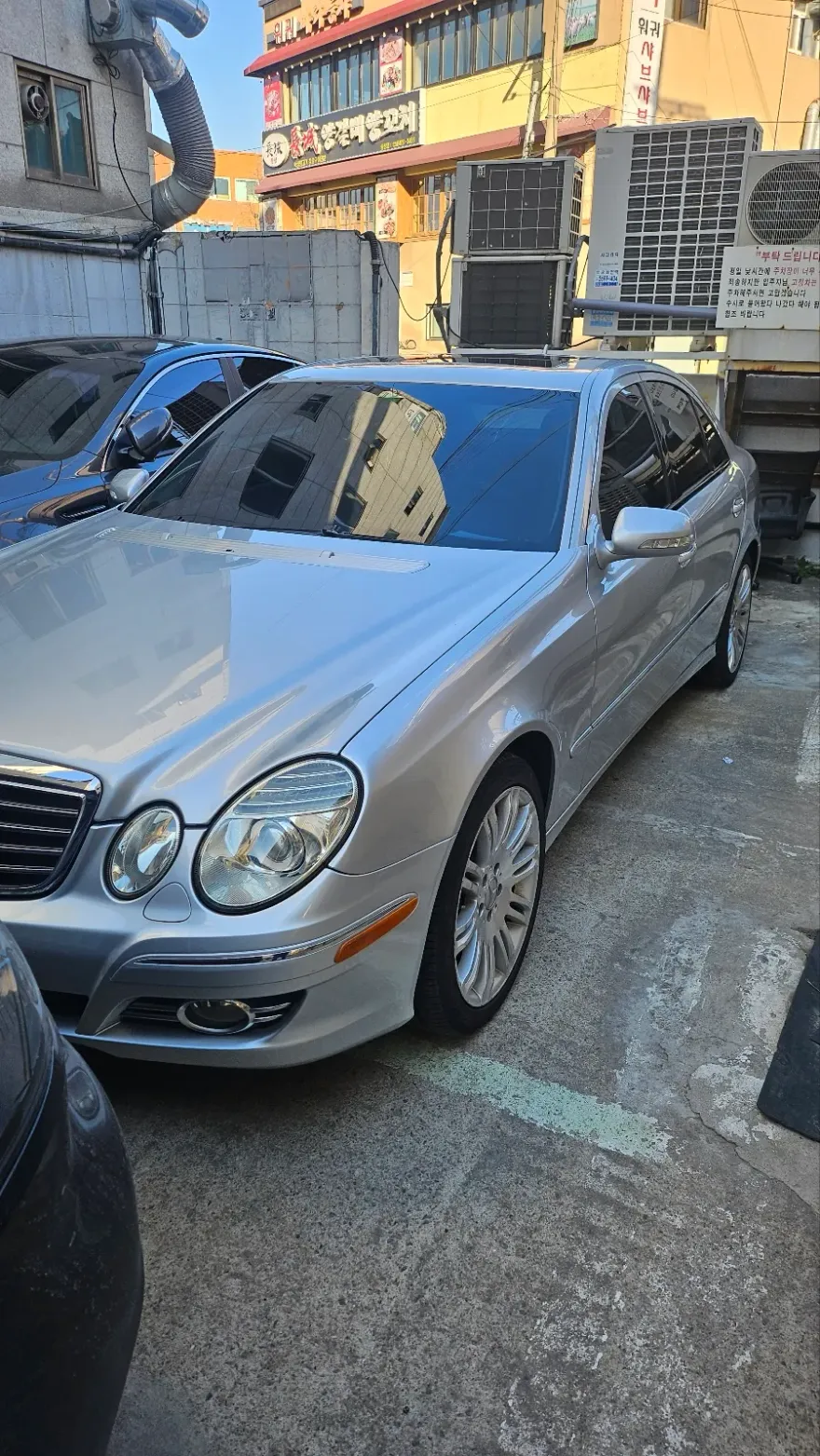
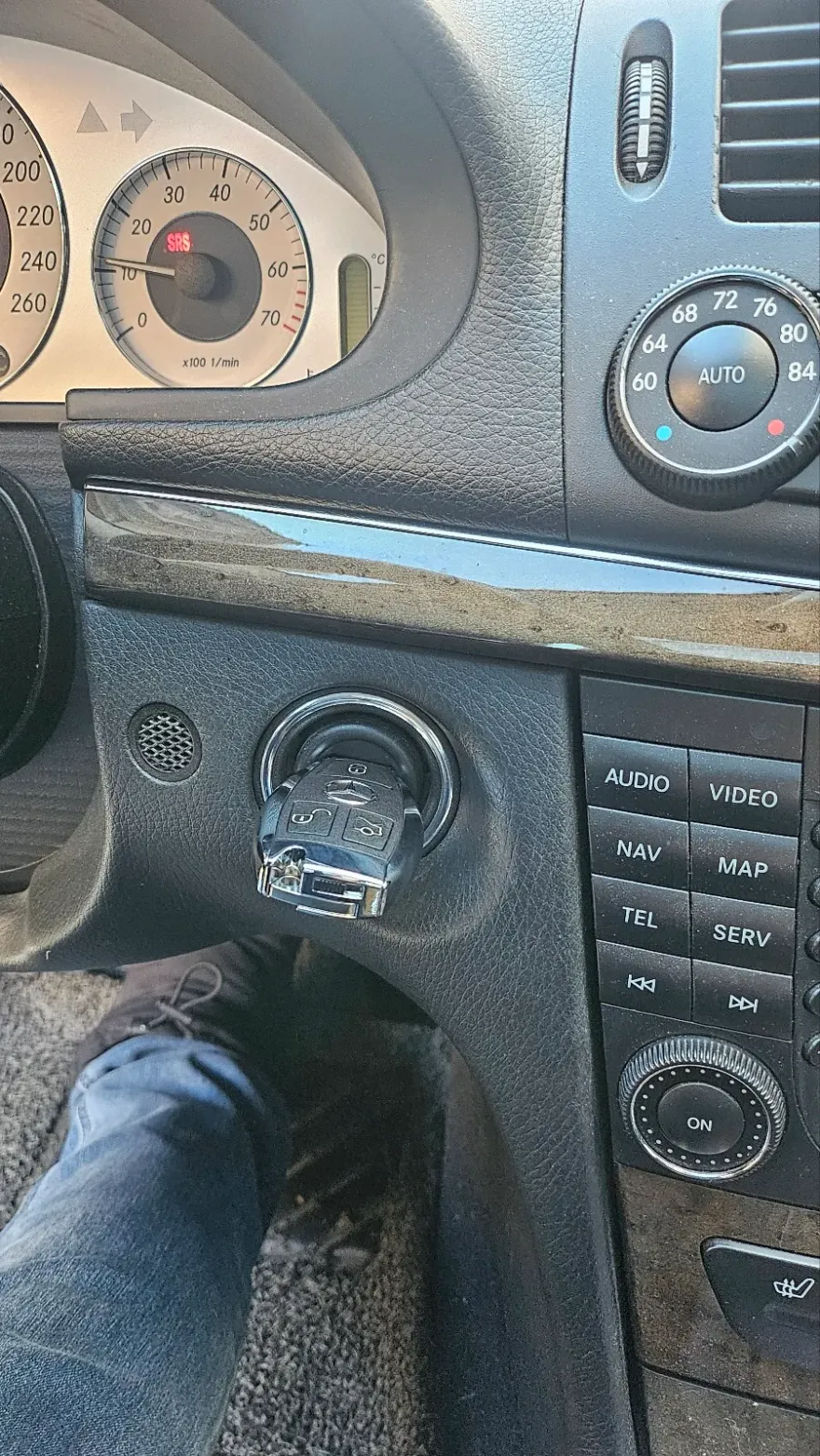
Mercedes-Benz E-Class OEM options installation costs vary. Factory upgrades offer seamless integration and high durability.
Understanding OEM Options for Your Mercedes-Benz E-Class
For owners of the Mercedes-Benz E-Class, particularly models like the W211, the desire to enhance vehicle functionality and aesthetics is common. While many aftermarket solutions exist, focusing on OEM (Original Equipment Manufacturer) options, often referred to as factory option retrofits or dealer options, offers a unique set of advantages. These are parts and features designed and approved by Mercedes-Benz for your specific model, ensuring perfect integration and maintaining the vehicle's integrity. This review delves into the world of OEM options, covering their installation, potential results, durability, and whether they represent a worthwhile investment for your E-Class.
Installation Process and Potential Results
The installation of OEM options on a Mercedes-Benz E-Class is typically performed by certified technicians who understand the intricate systems of the vehicle. The process can vary significantly depending on the specific option being retrofitted. For instance, adding a factory-integrated navigation system or an upgraded sound system involves connecting directly into the car's existing electrical architecture and infotainment system. Similarly, retrofitting features like parking sensors or advanced lighting systems requires precise mounting and integration with the car's control modules.
Installation process:
- Diagnosis and Planning: Technicians assess the vehicle's current configuration and the chosen OEM option to plan the integration.
- Component Installation: Physical parts are installed, such as sensors, control units, or display modules, often requiring interior trim removal.
- Wiring and Integration: Electrical connections are made to the vehicle's harness, and the new components are programmed to communicate with the car's systems.
- Testing and Calibration: The functionality of the new option is thoroughly tested and calibrated to ensure it operates as intended by the manufacturer.
The before-and-after results of installing OEM options are often seamless. Unlike aftermarket parts that might look out of place or function inconsistently, OEM upgrades integrate perfectly with the E-Class's design and user interface. For example, a factory navigation system will use the original dashboard display and controls, providing an intuitive user experience. The durability of these options is generally high, as they are built to the same standards as the original components of your Mercedes-Benz.
Cost, Durability, and Decision Making
The cost of OEM options for a Mercedes-Benz E-Class can vary widely. Simple retrofits, like adding a specific trim piece or a mild performance enhancement, might cost a few hundred dollars (or the equivalent in Korean Won, which could range from several hundred thousand KRW to over a million KRW for more complex systems). More involved upgrades, such as advanced driver-assistance systems or premium audio packages, can run into the thousands of dollars (or several million KRW). It's crucial to get a detailed quote from a reputable dealer or specialist who handles factory option retrofits.
Durability is a strong suit for OEM options. Because they are designed by Mercedes-Benz, they are engineered to withstand the rigors of daily use and integrate flawlessly with the vehicle's existing systems. Maintenance is typically minimal, often aligning with the vehicle's regular service schedule. For example, if you retrofit parking sensors, their maintenance would likely involve occasional cleaning, similar to your car's exterior.
When considering whether OEM options are worth it for your Mercedes-Benz E-Class, weigh the benefits of seamless integration, guaranteed compatibility, and manufacturer-backed quality against the cost. If you prioritize a factory-perfect finish and long-term reliability, investing in OEM options can significantly enhance your driving experience and potentially maintain the vehicle's resale value better than aftermarket alternatives. For owners seeking specific functionalities that were not originally equipped, a factory upgrade offers the most integrated and aesthetically pleasing solution.
Frequently Asked Questions
Q. How much does OEM option and factory upgrade installation cost for a Mercedes-Benz E-Class?
OEM option installation costs for a Mercedes-Benz E-Class can range from several hundred to several thousand US dollars, depending on the complexity of the upgrade. In Korea, this could translate to hundreds of thousands to millions of KRW.
Q. How long does OEM options installation take on a Mercedes-Benz E-Class?
The durability of OEM options is generally high, as they are designed to meet manufacturer standards. Basic maintenance usually involves keeping the components clean, aligning with your vehicle's regular service schedule.
Q. Are OEM options worth adding after purchase for a Mercedes-Benz E-Class?
OEM options are worth considering for Mercedes-Benz E-Class owners who prioritize seamless integration and long-term reliability. They offer a factory-perfect finish and can better preserve the vehicle's resale value compared to aftermarket alternatives.
Q. How are OEM factory options installed on a Mercedes-Benz E-Class?
OEM factory options are installed through a multi-step process: 1. Diagnosis and planning by technicians. 2. Physical component installation, potentially involving trim removal. 3. Wiring and programming to integrate with the car's systems. 4. Thorough testing and calibration.
Q. What is the difference between dealer-installed options and aftermarket upgrades for a Mercedes-Benz E-Class?
Dealer-installed OEM options are designed and approved by Mercedes-Benz for perfect integration and reliability, whereas aftermarket upgrades are made by third-party companies and may not offer the same level of compatibility or aesthetic match.
OhCar Partner Shop