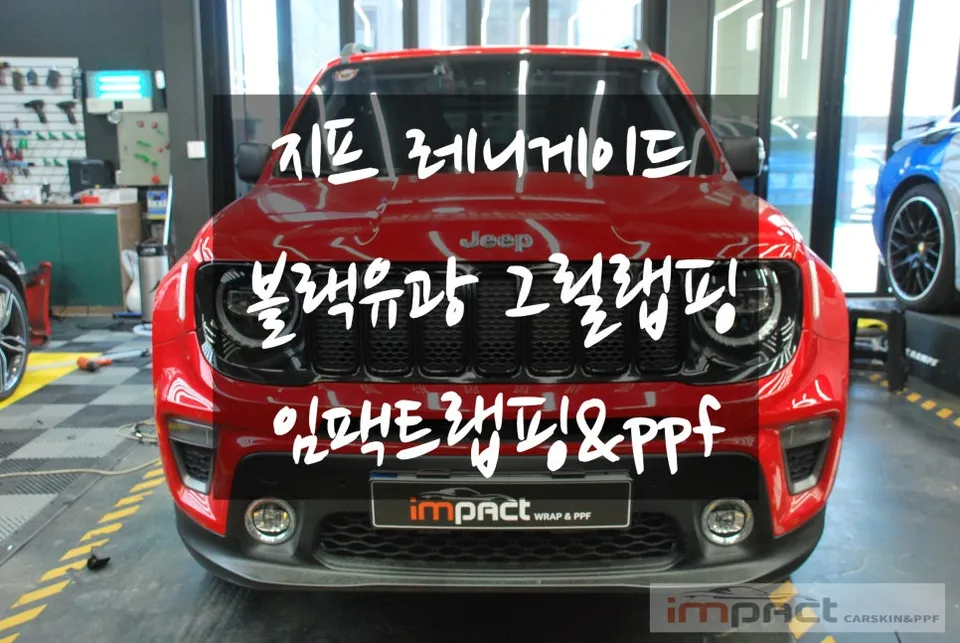
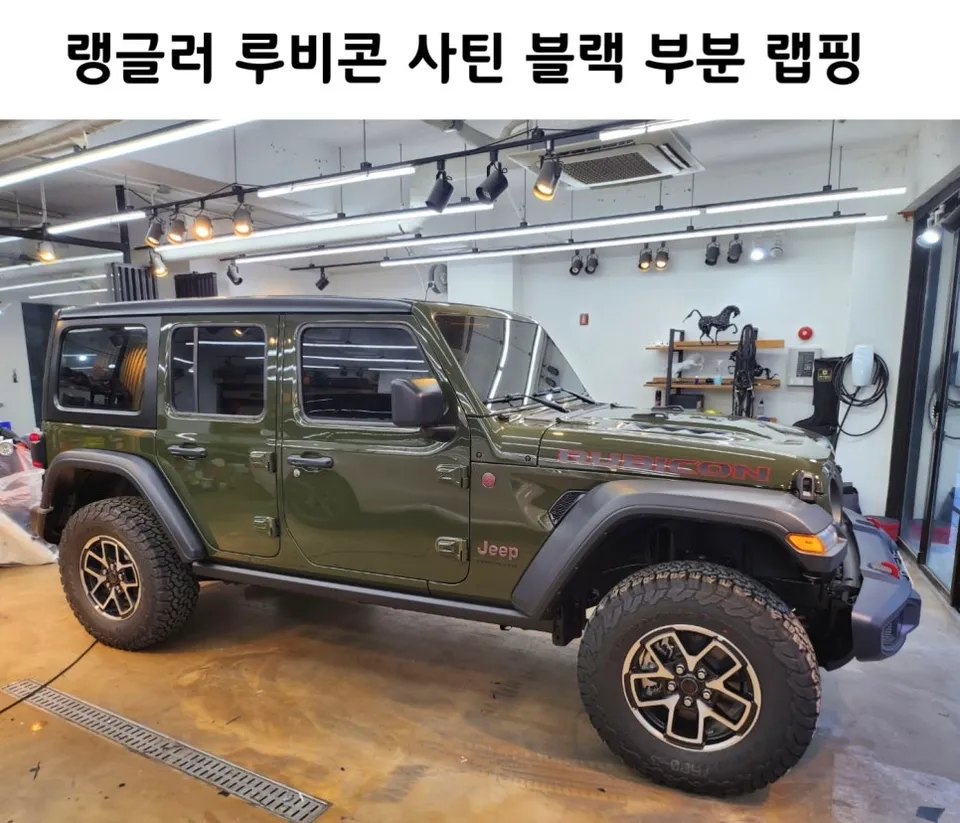
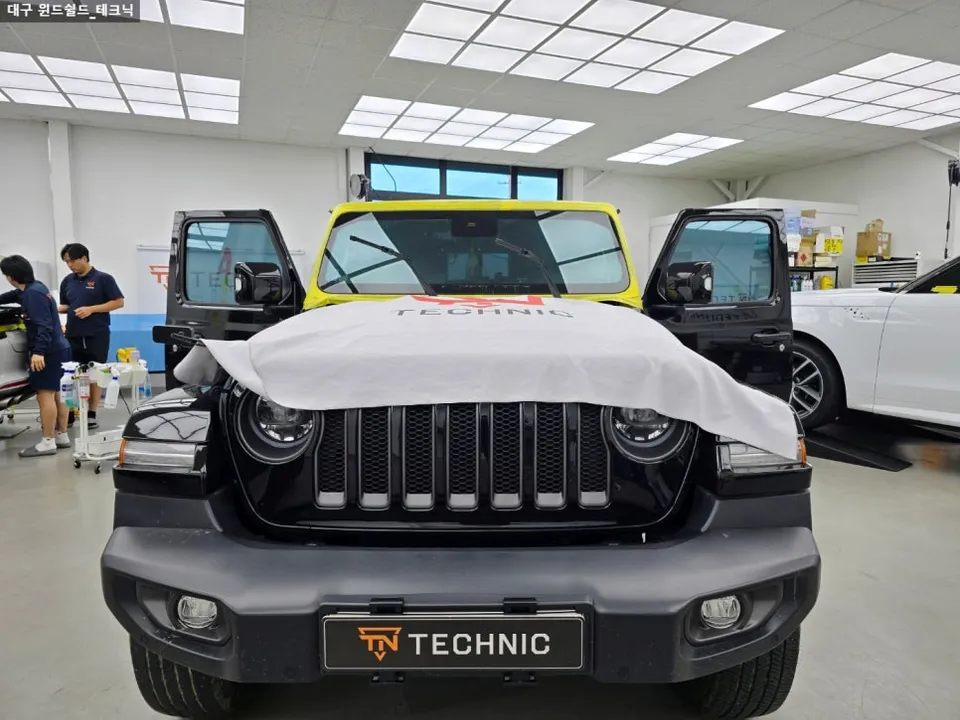
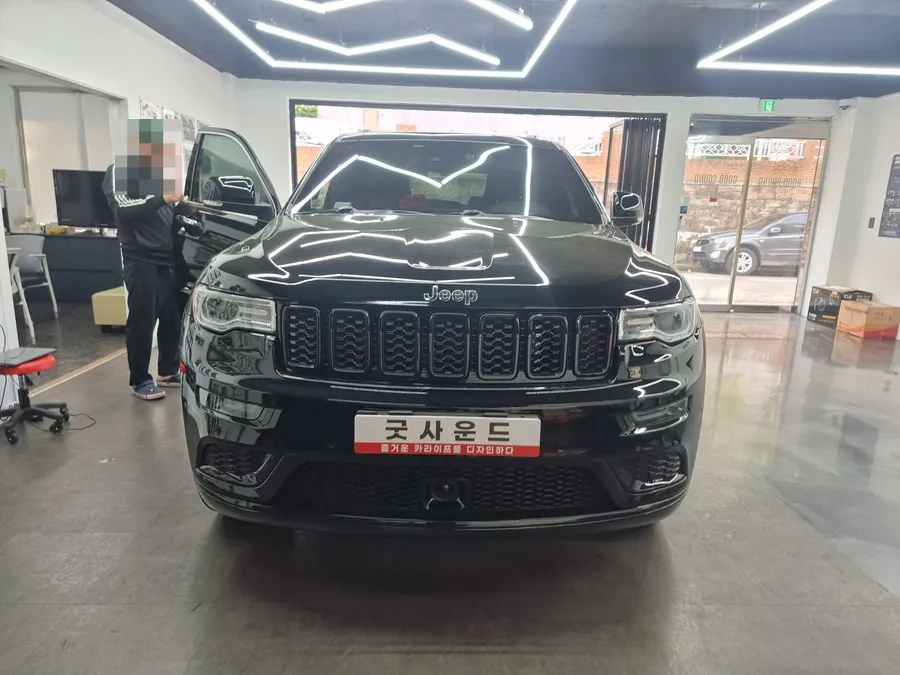
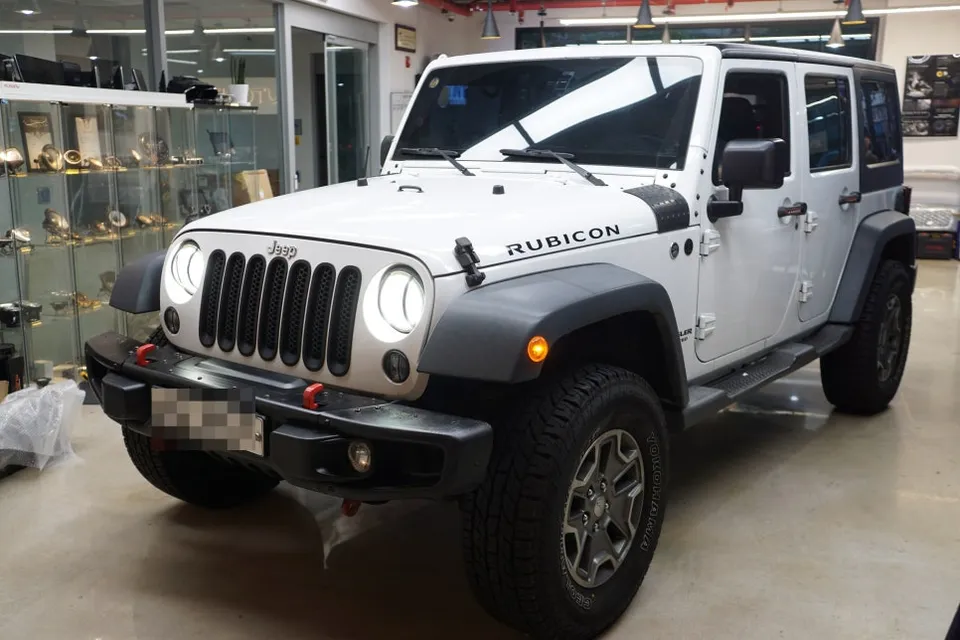
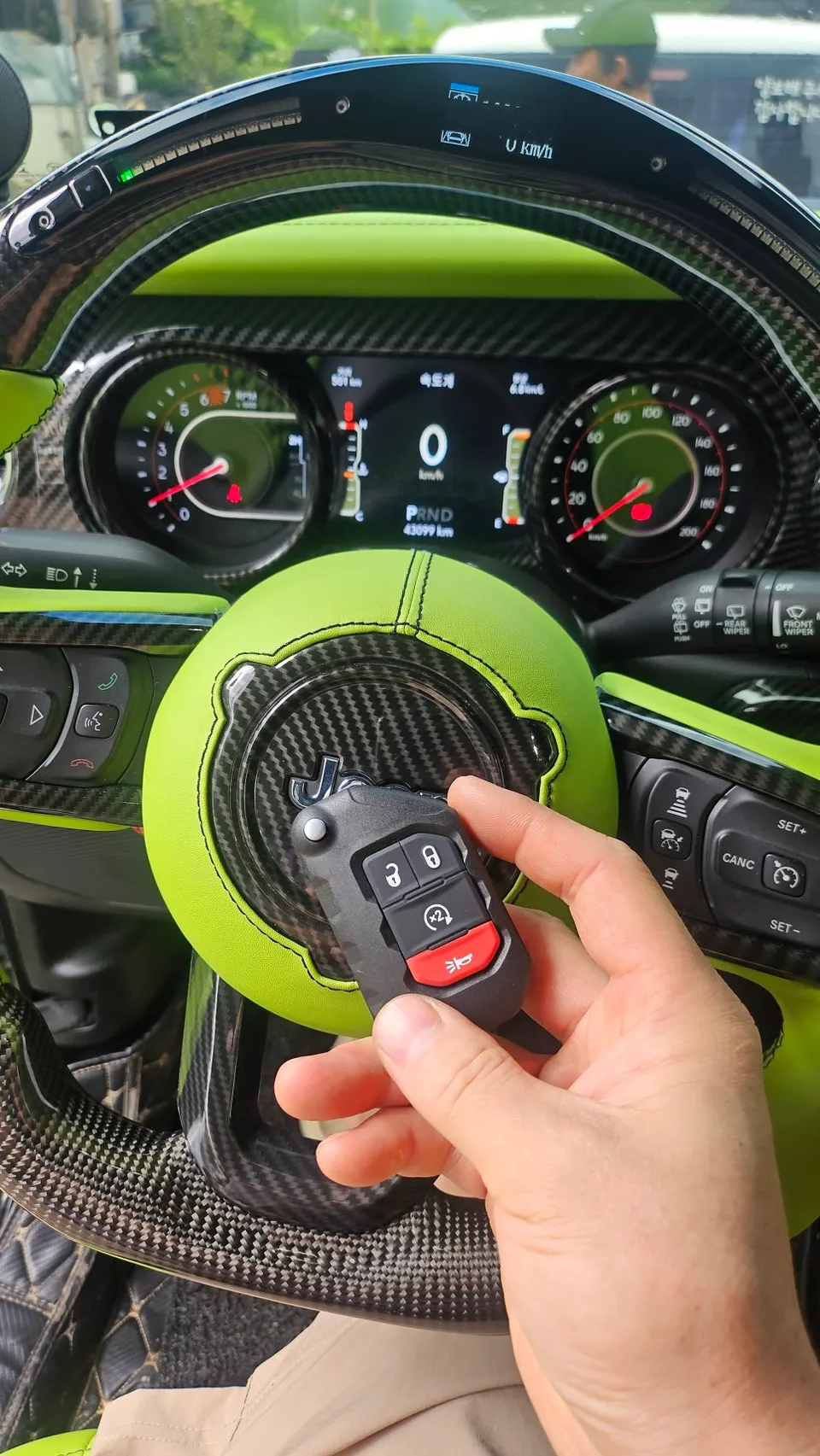
Jeep Wrangler Body Kit Review — Enhanced Style & Functionality
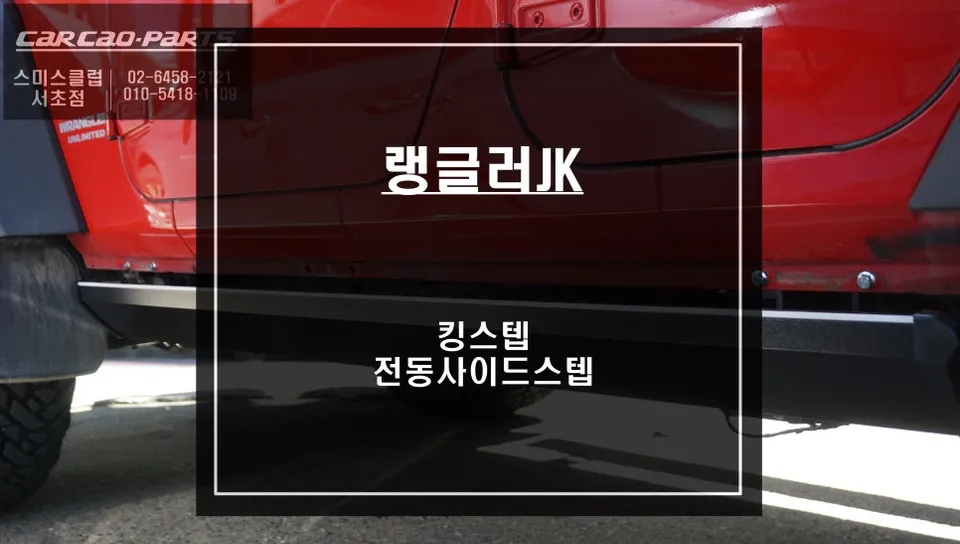
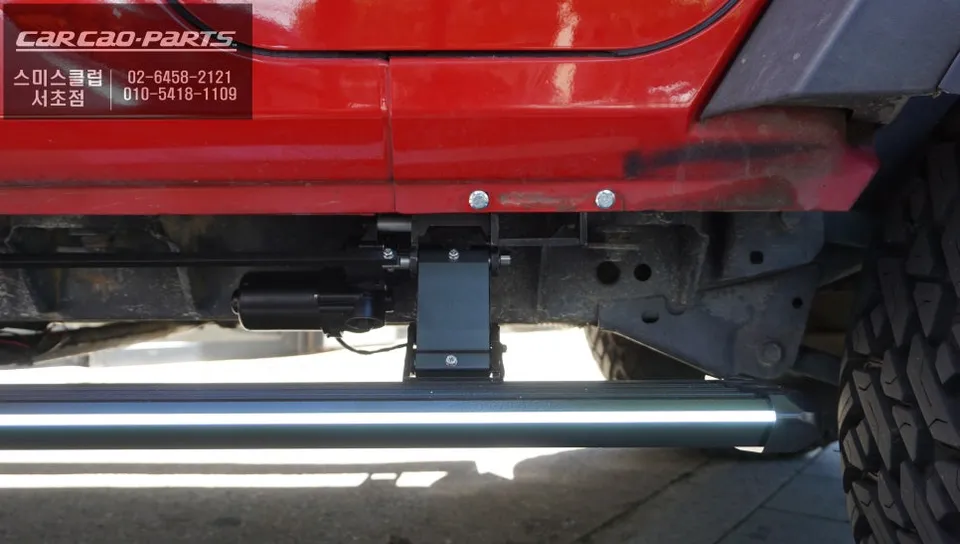
Jeep Wrangler Body Kit: Starting from ₩1,500,000. Enhances style and presence.
Transform Your Jeep Wrangler with a Custom Body Kit
The Jeep Wrangler is an icon of off-road capability and rugged style. However, for some owners, the desire to further personalize their vehicle and enhance its presence on the road or trail is strong. A custom body kit offers a way to achieve this, providing a more aggressive stance, unique styling cues, and sometimes even improved aerodynamics or functionality. This review delves into the world of body kits for the Jeep Wrangler, exploring the benefits, installation, and overall value they bring to this legendary SUV.
Key Features and Benefits of a Jeep Wrangler Body Kit
Body kits for the Jeep Wrangler are designed to modify the vehicle's exterior, often including components like front and rear bumpers, fender flares, side skirts, and spoilers. The primary goal is usually aesthetic enhancement, giving the Wrangler a more imposing or customized look. Beyond looks, some kits are engineered to improve aerodynamic efficiency, potentially leading to better high-speed stability or fuel economy, though this is more common on performance-oriented vehicles. For the Wrangler, the focus often remains on visual appeal and complementing its inherent rugged character.
Materials vary, with common options including durable polyurethane, lightweight fiberglass-reinforced plastic (FRP), and sometimes carbon fiber for a premium, high-performance feel. Each material offers different levels of impact resistance, flexibility, and weight. Installation typically involves replacing or augmenting factory body panels. The result is a vehicle that stands out from the crowd, reflecting the owner's personal style and vision for their Jeep.
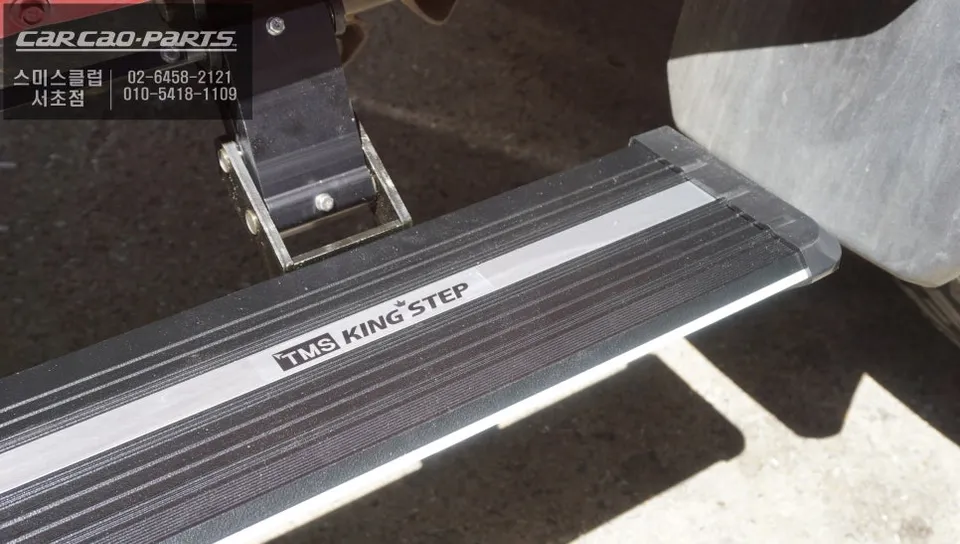
Installation Process: Enhancing Your Wrangler
Installing a body kit on a Jeep Wrangler can range from a straightforward bolt-on process to a more involved modification requiring professional expertise. The exact steps depend heavily on the specific kit and its components. Generally, the process involves careful preparation, precise fitting, and secure attachment of new parts.
- Preparation: Thoroughly clean the vehicle's existing body panels where the new kit will be attached. Remove any existing trim or components that will be replaced.
- Component Fitting: Carefully align and test-fit each new body kit component (e.g., bumper, fender flares) to ensure proper fitment and alignment with the vehicle's body lines. Minor adjustments may be necessary.
- Attachment: Secure the new components using the provided hardware. This often involves utilizing existing mounting points on the Wrangler's chassis or body, or drilling new holes as specified by the kit manufacturer.
- Finishing: Once all components are securely attached, inspect the installation for any gaps or misalignments. Professional painters can be consulted for custom color matching and finishing if the kit is unpainted.
While some DIY enthusiasts can tackle simpler kits, complex modifications or those requiring significant bodywork are best left to experienced professionals to ensure a flawless finish and structural integrity.
Frequently Asked Questions
Q. How much does a body kit cost for a Jeep Wrangler?
The body kit featured in this review costs approximately ₩1,500,000. In the US, similar custom body kits for a Jeep Wrangler can range from $500 to $3,000 or more, depending on the brand, materials, and complexity.
Q. How long does body kit installation take on a Jeep Wrangler?
Installation time varies greatly depending on the kit's complexity, ranging from a few hours for simple bolt-on parts to several days for kits requiring extensive modification and professional painting. Regular cleaning and avoiding harsh chemicals will help maintain the body kit's finish.
Q. Is a body kit worth it for a Jeep Wrangler?
A body kit is worth it for Jeep Wrangler owners seeking a unique aesthetic and a more personalized look for their vehicle. It offers a significant visual upgrade that can enhance the vehicle's presence and resale appeal.
Q. How is a body kit installed on a Jeep Wrangler?
Installation typically involves preparing the vehicle's surface, test-fitting the new components, and then securely attaching them using provided hardware, often utilizing existing mounting points or requiring new holes to be drilled. Professional installation is recommended for complex kits to ensure a perfect fit and finish.
Q. What is the difference between FRP and polyurethane body kits for a Jeep Wrangler?
FRP (Fiberglass Reinforced Plastic) kits are generally lighter and more rigid, often requiring professional finishing, while polyurethane kits are more flexible and impact-resistant, making them more durable for off-road use. For a rugged vehicle like the Wrangler, polyurethane often offers better resilience.
Kakao Parts