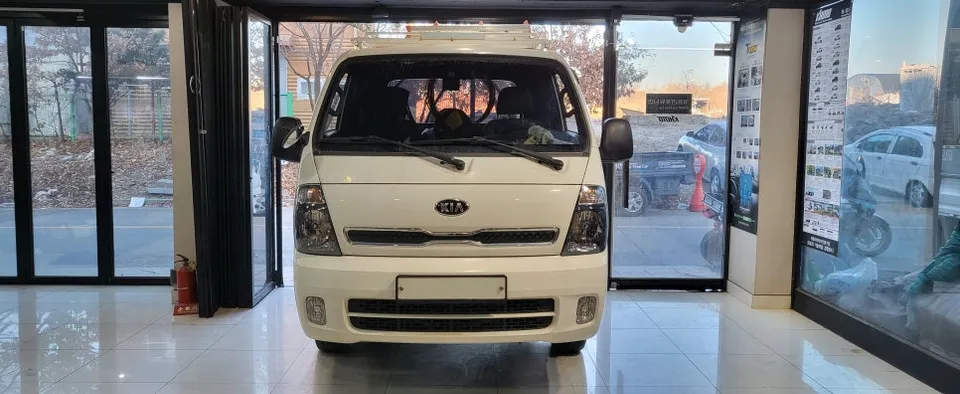
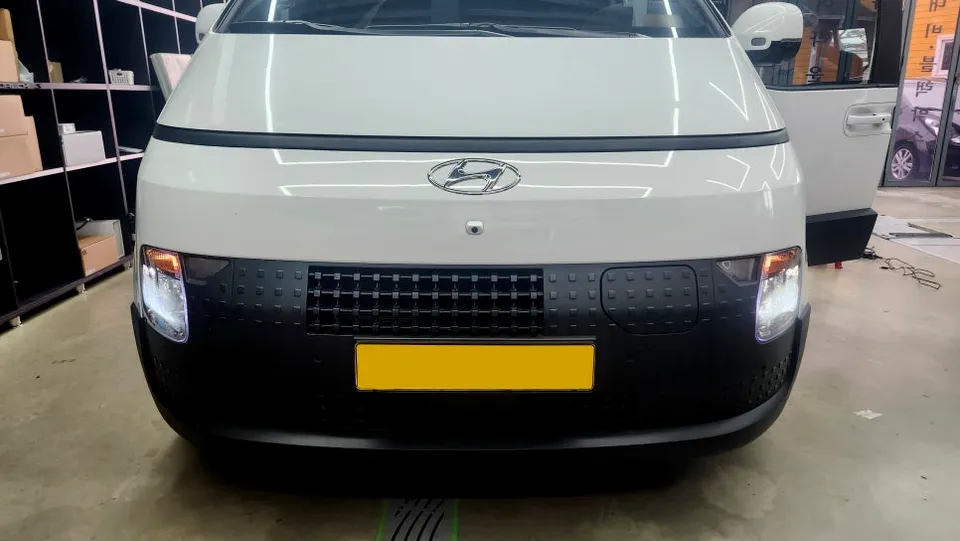
Kia Bongo 3 Dash Cam Installation Review
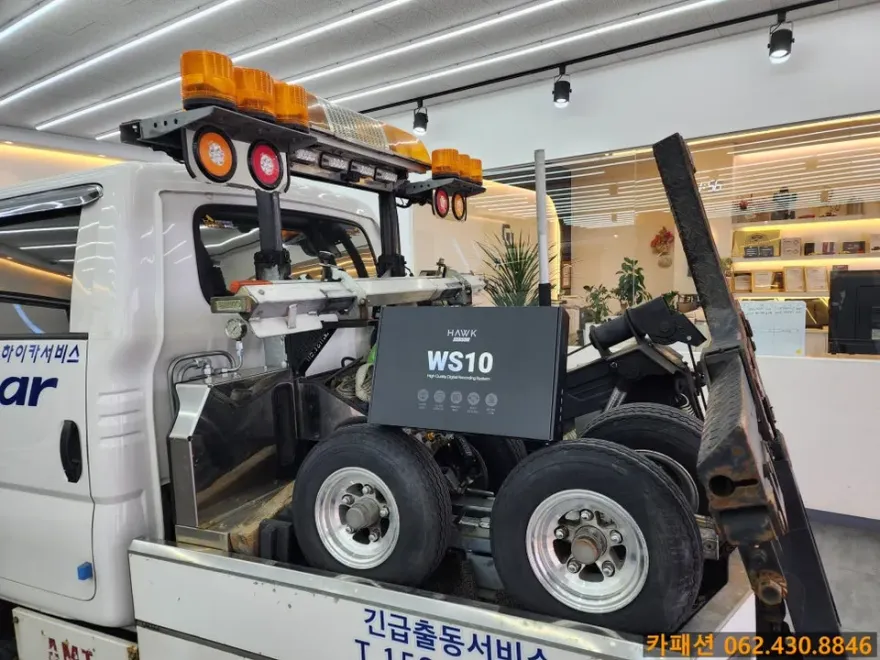
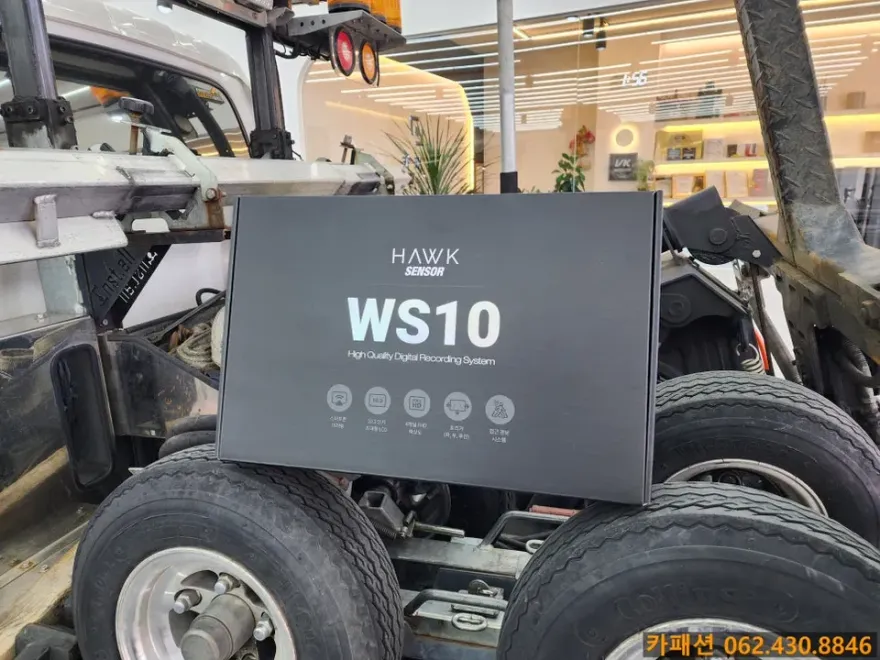
4-channel dash cam installation on Kia Bongo 3 tow truck: approx. ₩300,000-₩600,000. Enhances safety with full coverage.
Why a 4-Channel Dash Cam is Essential for Your Kia Bongo 3 Tow Truck
For specialized vehicles like the Kia Bongo 3 tow truck, comprehensive visibility is paramount. Standard 2-channel dash cams, which typically cover only the front and rear, often fall short. The extensive operational radius of a tow truck means constant interaction with surrounding vehicles and pedestrians, increasing the risk of side-impact incidents or minor scrapes. A 4-channel dash cam system, recording front, rear, and both sides, significantly minimizes blind spots. This enhanced coverage is crucial for capturing accurate evidence in the event of any accident, especially during complex towing maneuvers where unexpected situations can arise.
Hawk Sensor WS10: Features and Durability
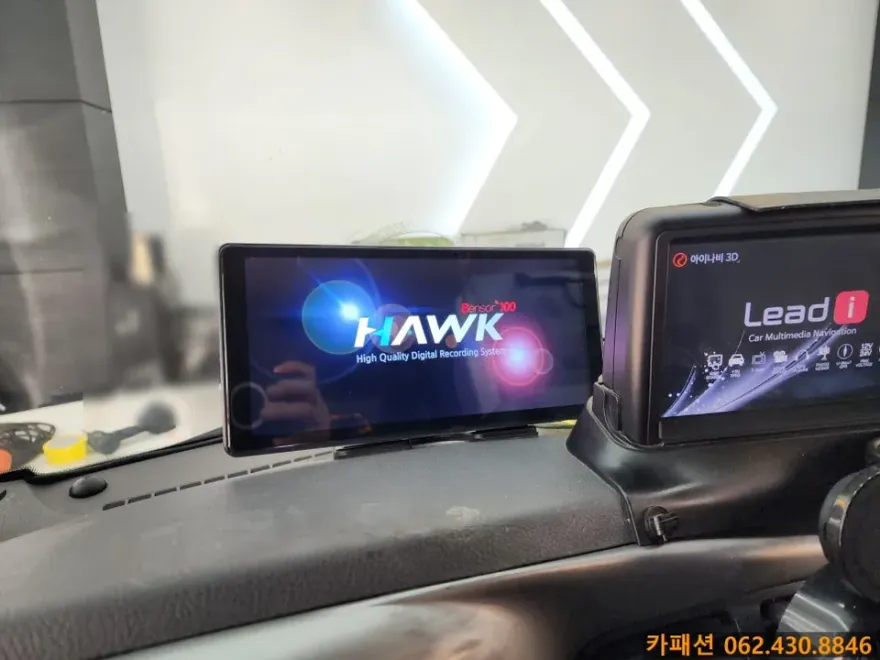
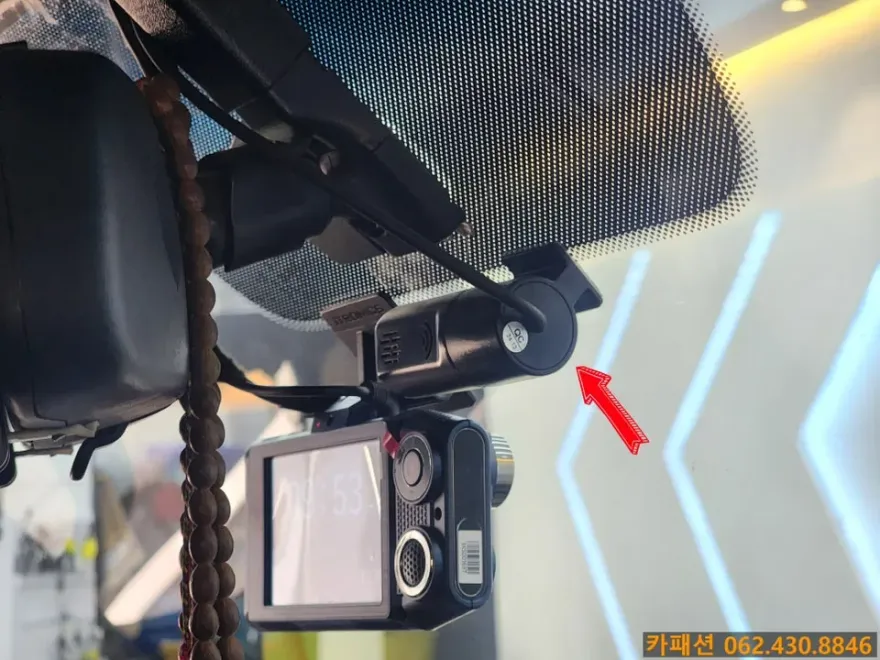
The Hawk Sensor WS10 model, installed on this Kia Bongo 3, boasts a large 10.36-inch wide monitor, providing a clear, panoramic view of all four camera feeds. This allows drivers to monitor their surroundings comprehensively at a glance. Beyond its multi-channel recording capabilities, the WS10 is built to withstand harsh conditions. Its cameras feature an IP69 waterproof and dustproof rating, ensuring reliable performance through various weather conditions, including rain, snow, and even high-pressure car washes. This robust design is particularly beneficial for work vehicles like the Bongo 3 that are frequently exposed to the elements.
Dash Cam Installation Process and Considerations
Professional dash cam installation ensures optimal placement and secure wiring, maximizing the device's effectiveness and longevity. For a 4-channel system on a Kia Bongo 3, this involves carefully mounting cameras to cover all critical angles – typically the front windshield, rear, and both side mirrors or pillars. The system is often hardwired into the vehicle's electrical system for continuous power, enabling features like parking mode monitoring. While the specific cost can vary based on the chosen dash cam model and installation complexity, 4-channel systems generally range from approximately ₩300,000 to over ₩600,000 (roughly $220 - $440 USD, subject to exchange rates) in Korea. It's always best to get a precise quote after a vehicle inspection.
Installation process:
- Camera Placement: Strategically mount the front, rear, and side cameras to ensure maximum coverage and minimal obstruction.
- Wiring: Route the camera cables discreetly through the vehicle's interior trim and connect the main unit and power source.
- Hardwiring: Connect the dash cam to the vehicle's fuse box for continuous power, enabling parking mode functionality.
- Testing: Verify all cameras are recording correctly and the monitor displays all feeds as expected.
When considering dash cam installation for your Kia Bongo 3, especially for commercial use, the investment in a 4-channel system like the Hawk Sensor WS10 offers significant safety and evidence-gathering advantages. The durability of the IP69-rated cameras and the convenience of a wide monitor make it a worthwhile upgrade for any tow truck operator prioritizing security and peace of mind.
Frequently Asked Questions
Q. How much does dash cam installation cost for a Kia Bongo 3?
In Korea, professional 4-channel dash cam installation for a Kia Bongo 3 typically ranges from ₩300,000 to over ₩600,000. Similar professional installations in the US can range from $200 to $500+ depending on the system's complexity.
Q. How long does dash cam installation take on a Kia Bongo 3?
Professional dash cam installation on a Kia Bongo 3 usually takes about 3 to 4 hours, though this can vary based on the specific vehicle and any additional features. Regular cleaning of the camera lenses is recommended for optimal performance.
Q. Is a hardwired dashcam worth it over a self-install for a Kia Bongo 3?
A hardwired dashcam is highly recommended for a Kia Bongo 3, especially for tow truck operations, as it enables crucial parking mode features and ensures continuous power. Professional installation ensures proper integration and durability, making it a worthwhile investment for reliable recording.
Q. How is a dash cam professionally installed on a Kia Bongo 3?
Professional installation involves strategically mounting the cameras (front, rear, sides), routing cables discreetly through the interior trim, and hardwiring the unit to the vehicle's fuse box for continuous power. Finally, all cameras and the monitor are tested to ensure proper function.
Q. What is the difference between a 2-channel and 4-channel dash cam for a Kia Bongo 3?
A 2-channel dash cam records only the front and rear, while a 4-channel system adds coverage for both sides of the vehicle, significantly reducing blind spots. For a Kia Bongo 3 tow truck, the 4-channel system is recommended for its superior all-around visibility and accident evidence gathering.
OhCar Partner Shop