Kia Bongo 3 Navigation & Camera Upgrade Review
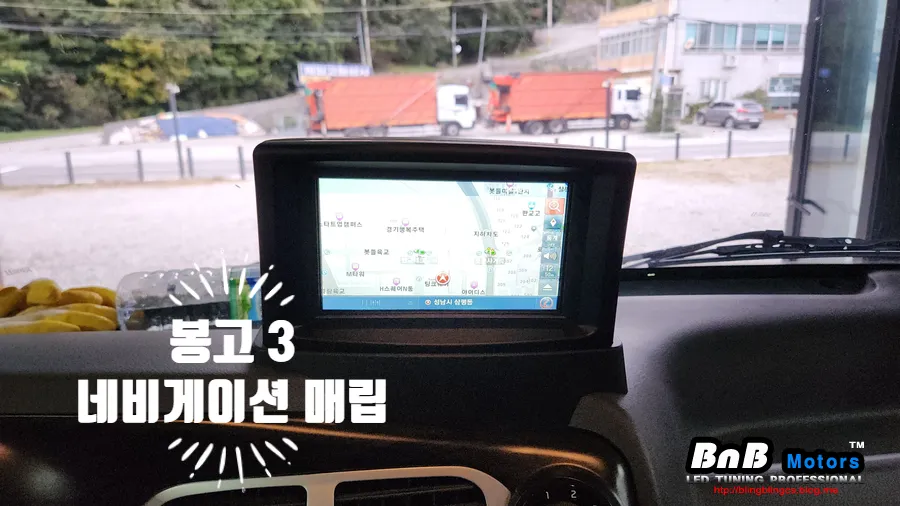

Kia Bongo 3 navigation and rear camera upgrade enhances safety and efficiency. Improves visibility for commercial use.
Upgrading Your Kia Bongo 3 for Enhanced Efficiency and Safety
For commercial vehicles like the Kia Bongo 3, especially the mini-dump variant, integrating a navigation system and a rear-view camera is no longer a luxury but a necessity. These upgrades significantly boost operational efficiency and driver safety, particularly crucial for vehicles with large cargo spaces where blind spots are a concern. This review details a recent installation that transformed a Bongo 3 mini-dump, providing a more convenient and secure driving experience.
Why Navigation and Rear Camera are Essential for the Bongo 3 Mini-Dump
The Kia Bongo 3 mini-dump is a workhorse, valued for its substantial cargo capacity and robust performance in demanding environments like construction sites and logistics operations. However, its considerable size can make maneuvering in tight spaces, such as narrow alleys or parking lots, challenging. The limited rear visibility inherent in such large vehicles increases the risk of accidents during reversing. Installing a high-quality, integrated navigation system and a clear rear-view camera system directly addresses these issues. The navigation unit offers clear, wide-screen guidance, making complex routes easier to follow, while the rear camera drastically reduces blind spots, minimizing the potential for costly collisions. These enhancements translate directly into improved driving comfort and operational uptime.
The Installation Process: Precision and Integration
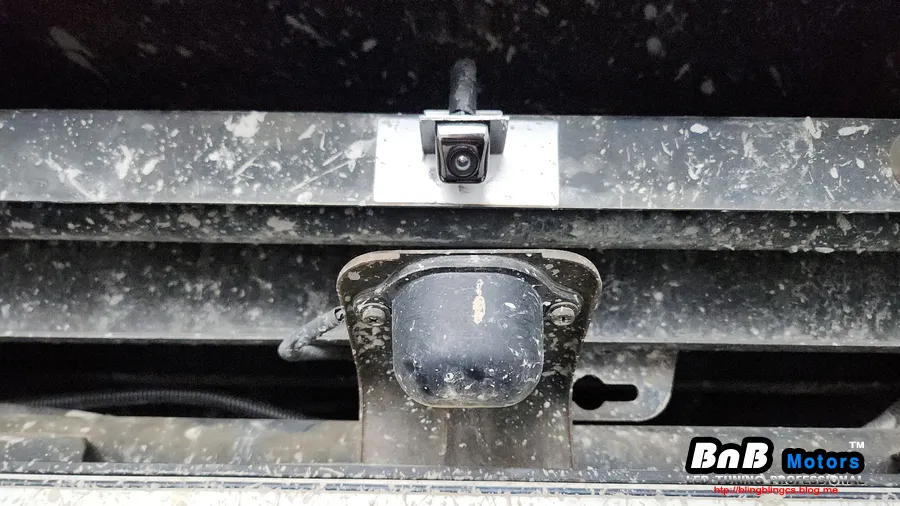
The installation process for the Kia Bongo 3 involved a meticulous approach to ensure seamless integration and optimal performance. The procedure began with a thorough inspection of the vehicle to identify the best mounting locations. The rear-view camera was securely fastened to the rear of the vehicle, angled precisely to capture the widest possible field of view without obstruction. Care was taken to ensure the camera remained stable even during transit, preventing image shake or detachment.
Installation Process:
- Camera Mounting: The high-definition rear camera is precisely positioned on the vehicle's tailgate or bumper for maximum rear visibility.
- Wiring Integration: All wiring is carefully routed through the vehicle's interior, using protective conduits and sound-dampening materials to prevent rattles and ensure long-term durability.
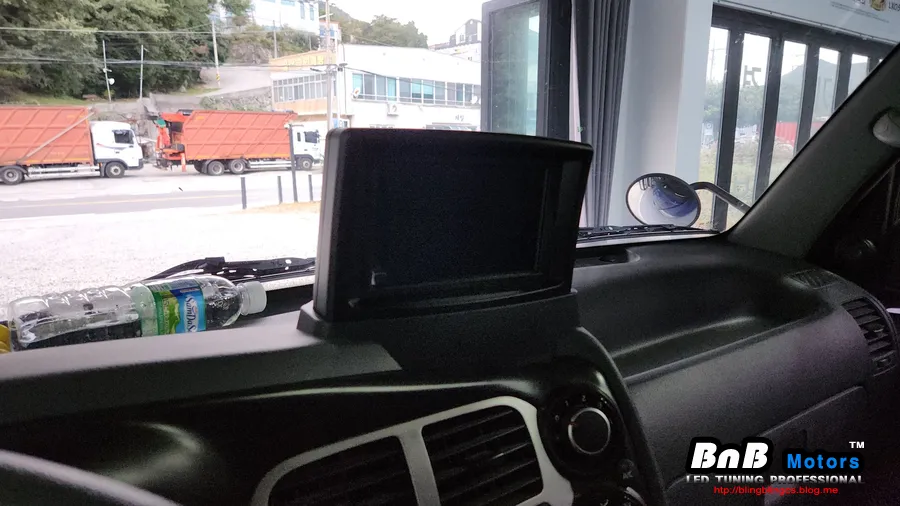
- Navigation Unit Installation: A dedicated dash kit is used to seamlessly integrate the navigation unit into the dashboard, ensuring a factory-like appearance.
- System Testing: Post-installation, all functions are rigorously tested, including GPS signal acquisition, touch screen responsiveness, and camera feed clarity.
The wiring was managed with extreme care, employing sound-deadening materials and protective tubing to prevent electrical issues and annoying interior noises. For the navigation system, a custom-fit dash kit was utilized, ensuring the unit sat flush with the dashboard, maintaining an aesthetic that complements the original interior design. This integrated approach ensures the driver's view is unobstructed while providing easy access to all navigation and camera functions.
Transformative Results: Enhanced Visibility and Control
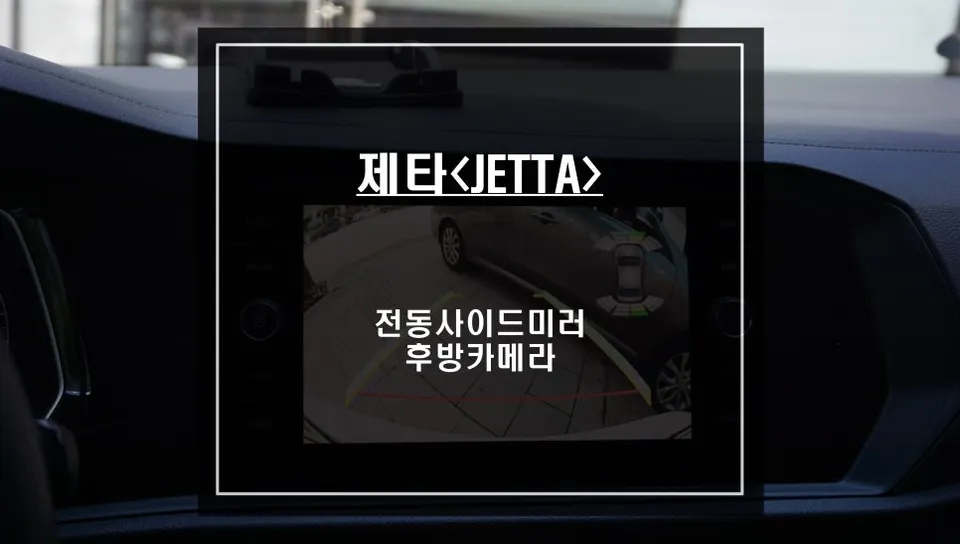
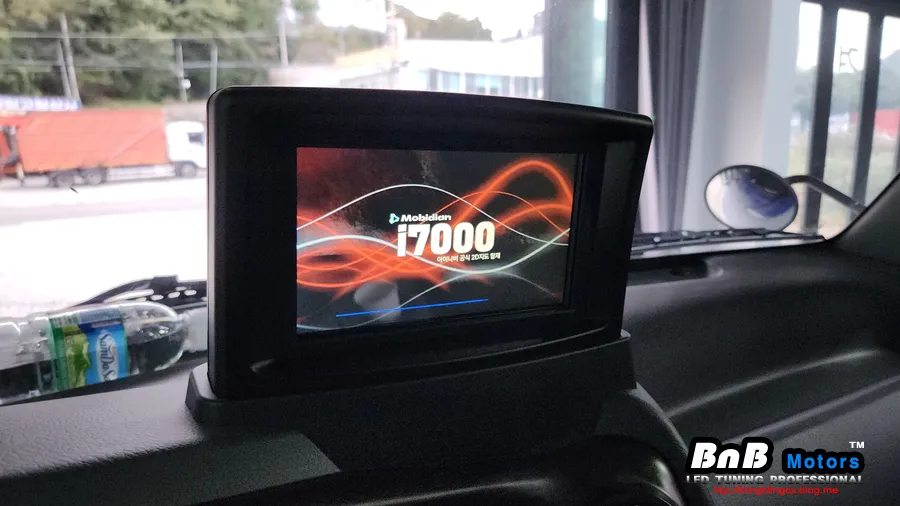
Following the installation, the Kia Bongo 3 mini-dump experienced a significant upgrade in its driver interface. The large, high-resolution navigation screen now provides real-time traffic updates and precise route guidance, making daily operations smoother. Crucially, when the vehicle is put into reverse, the entire screen displays a clear, wide-angle view of the area behind the truck. This comprehensive rear visibility is invaluable for navigating tight parking spots, maneuvering around obstacles, and preventing low-speed collisions, thereby increasing driver confidence and reducing operational risks.
Frequently Asked Questions
Q. How much does navigation and rear camera installation cost for a Kia Bongo 3?
The cost for this specific navigation and rear camera installation on a Kia Bongo 3 was not detailed in the original Korean context, but typical professional installations in the US can range from $500 to $1500 depending on the system's complexity and features.
Q. How long does navigation and rear camera installation take on a Kia Bongo 3?
Professional installation typically takes between 2 to 4 hours, ensuring all wiring is securely routed and integrated. Regular maintenance involves checking camera lens clarity and ensuring software is up-to-date.
Q. Are navigation and rear cameras worth adding after purchase for a Kia Bongo 3?
Yes, adding navigation and rear cameras significantly enhances safety and operational efficiency, especially for commercial use. They are highly recommended for drivers who frequently navigate tight spaces or operate in busy environments.
Q. How are navigation and rear cameras installed on a Kia Bongo 3?
1. The rear camera is mounted securely at the optimal rear position. 2. Wiring is carefully routed through the vehicle interior, protected and sound-dampened. 3. The navigation unit is integrated into the dashboard using a custom-fit kit for a factory look. 4. All systems are tested for full functionality.
Q. What is the difference between dealer-installed options and aftermarket upgrades for a Kia Bongo 3?
Dealer-installed options are typically integrated during manufacturing or by the dealership, often maintaining factory warranty. Aftermarket upgrades, like the one described, are installed by specialized shops and can offer more customization or advanced features, though warranty considerations may differ.
OhCar Partner Shop