Lexus ES 300h OEM Options Review — Safety Upgrade
Service Price
$150+
Estimated price · Actual price may vary by shop
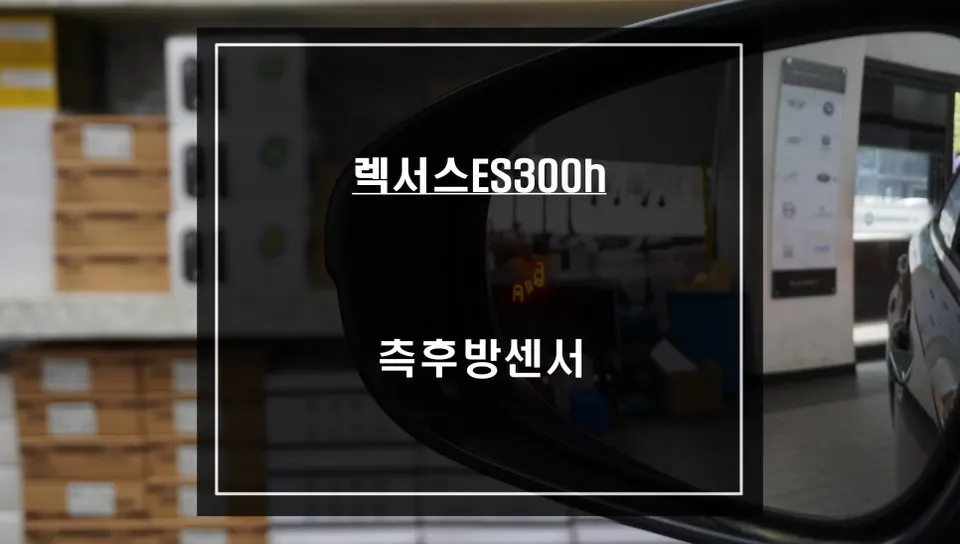
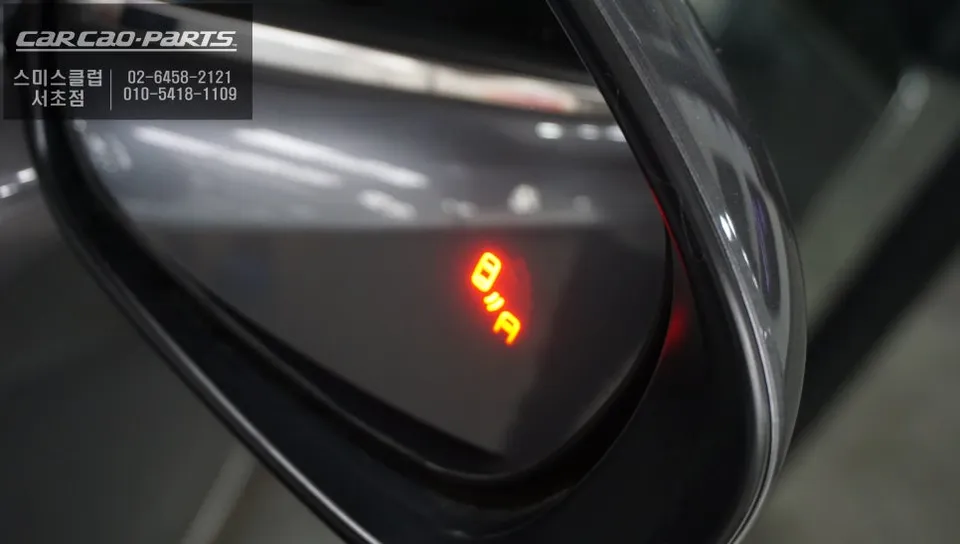
Lexus ES 300h blind-spot sensors: $150+. Enhances safety by alerting drivers to vehicles in blind spots.
Enhancing Safety with Blind-Spot Monitoring on the Lexus ES 300h
Even premium sedans like the Lexus ES 300h can benefit from enhanced safety features. For many owners, the anxiety of not fully seeing vehicles in blind spots during lane changes is a common concern. This review details the process and benefits of retrofitting OEM blind-spot warning sensors, often referred to as a factory option retrofit, to address this very issue. The goal is to achieve a seamless integration that feels like a factory upgrade, improving overall driving confidence.
Why Blind-Spot Sensors are Essential
The 'blind spot' – the area around your vehicle that cannot be seen directly by the driver – poses a significant risk, especially on highways and during lane changes. Statistics indicate that blind-spot-related accidents account for a substantial portion of all collisions. While the Lexus ES 300h offers a comfortable and refined driving experience, its standard configuration may not provide adequate rear-side visibility. This is where the necessity of a blind-spot sensor system, a crucial dealer option retrofit, becomes clear. These systems typically use radar sensors (S-RADAR) to detect moving vehicles within a 5-7 meter range behind and to the sides of the car. By focusing on moving objects, they minimize false alarms from stationary vehicles, making them a reliable safety aid.
Professional Installation for a Factory Look
Choosing a reputable installer is key for a clean and effective OEM options installation. The process requires precision to ensure functionality without compromising the vehicle's aesthetics. A thorough consultation involves assessing the vehicle's current state, confirming it's free of prior modifications, and planning the most discreet wiring routes. Transparency regarding OEM Options cost is also important; while the original context mentions a range of ₩1.2-2.8 million (approximately $900-$2100 USD) for similar systems on imported sedans in Korea, a typical US installation for such a retrofit can start around $150+ for basic systems, with more advanced options costing significantly more. The installation itself usually takes about 2-3 hours, often completed the same day.
The Installation Process: Precision and Integration
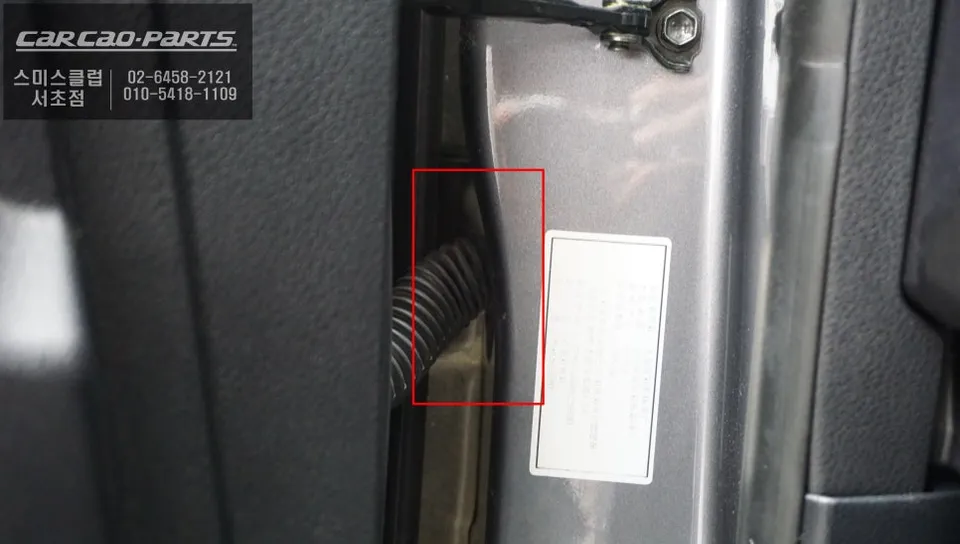
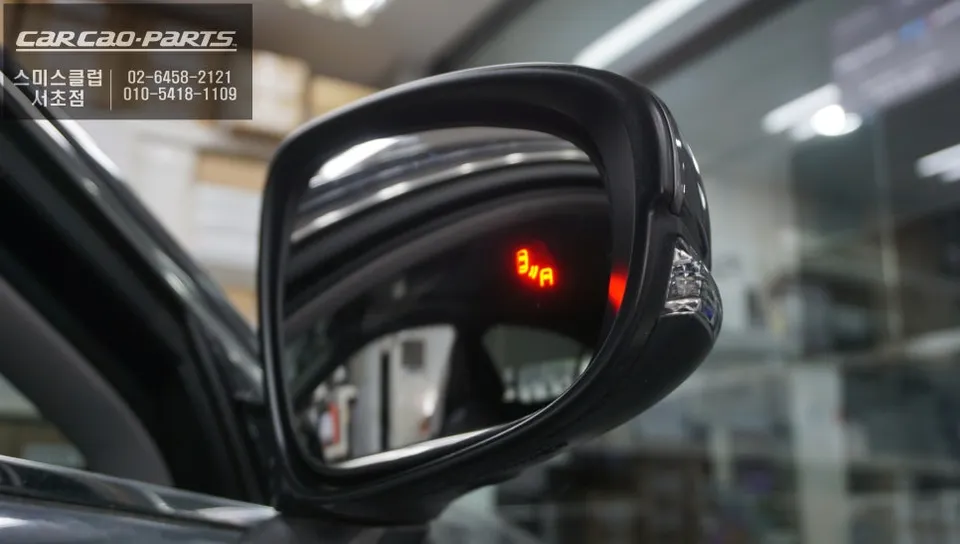
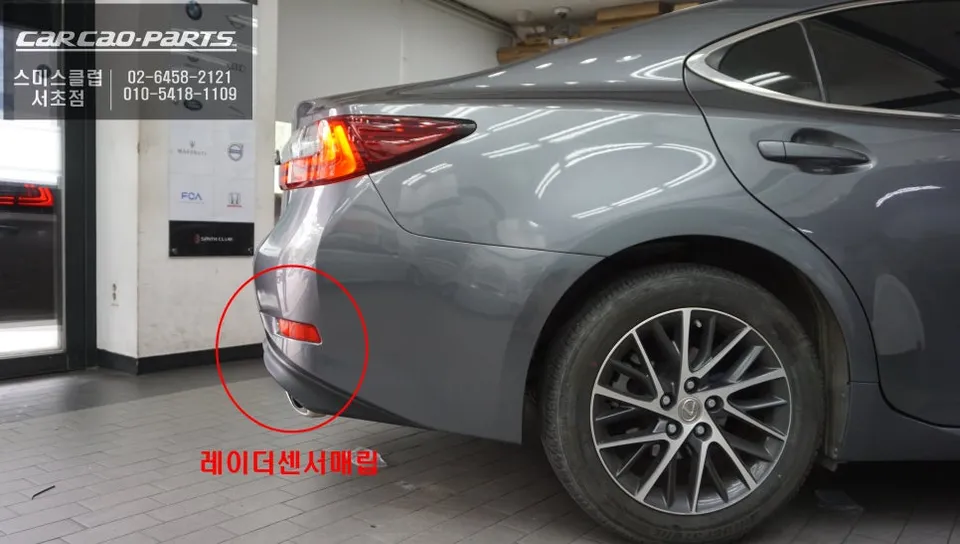
The installation of OEM options like blind-spot sensors involves meticulous work. It typically includes two main components: the warning indicators integrated into the side mirrors and the radar sensors mounted discreetly. The process often involves disassembling the side mirror housings to install LED warning lights and potentially wider-angle mirrors. Wiring is carefully routed through protective conduits, such as the 'genuine corrugated tubing' mentioned in the source, to ensure weatherproofing and prevent damage from elements like rain or dust. The radar sensors are usually mounted beneath the rear bumper. This requires precise positioning and angling, often using specialized tools like a digital angle gauge, to achieve the optimal detection range of 5-7 meters. The wiring is then routed cleanly through the vehicle's interior, utilizing existing channels along the dashboard and door frames for a factory-like finish.
Before and After Results: Enhanced Awareness
Before the installation, the primary concern is the limited visibility in the rear-side quadrants of the Lexus ES 300h. After the OEM options are installed, drivers gain a significant advantage. The integrated LED indicators in the side mirrors illuminate when a vehicle is detected in the blind spot, providing an immediate visual cue. This dramatically reduces the anxiety associated with lane changes and enhances overall situational awareness. The system's ability to accurately detect moving vehicles means drivers can rely on it to alert them to potential hazards they might otherwise miss, contributing to a safer driving experience.
Durability and Maintenance
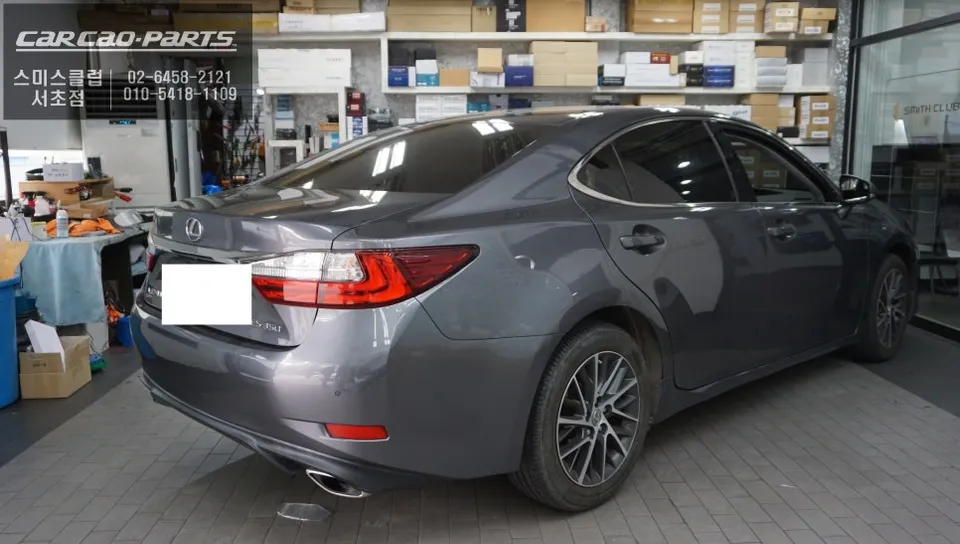
When installed correctly using quality components, these OEM options are designed for long-term durability. The weatherproofing of the sensors and wiring ensures they can withstand various environmental conditions. Maintenance is generally minimal, typically involving occasional cleaning of the sensor areas on the bumper if they become obstructed by dirt or debris. Regular checks of the mirror-integrated indicators to ensure they are functioning correctly are also advisable.
Is the OEM Options Upgrade Worth It?
For Lexus ES 300h owners who frequently drive in busy traffic or on highways, the peace of mind offered by blind-spot monitoring can be invaluable. The cost, while an investment, is often justified by the enhanced safety and reduced risk of accidents. The seamless integration of these factory options ensures they function reliably and maintain the vehicle's premium aesthetic. If you prioritize safety and want to mitigate the risks associated with blind spots, this upgrade is a worthwhile consideration.
Frequently Asked Questions
Q. How much does OEM option and factory upgrade installation cost for a Lexus ES 300h?
While a specific installation in Korea was noted to range from approximately $900-$2100 USD, a typical US installation for OEM blind-spot sensors on a Lexus ES 300h can start around $150+ for basic systems.
Q. How long does OEM options installation take on a Lexus ES 300h?
The installation of OEM options like blind-spot sensors is generally durable and requires minimal maintenance. Occasional cleaning of the bumper-mounted sensors is recommended to ensure optimal performance.
Q. Are OEM options worth adding after purchase for a Lexus ES 300h?
Yes, adding OEM blind-spot sensors is highly recommended for Lexus ES 300h owners who frequently drive in traffic, as it significantly enhances safety and peace of mind. The investment is often justified by the reduced risk of accidents.
Q. How are OEM factory options installed on a Lexus ES 300h?
Installation involves mounting radar sensors discreetly, often under the rear bumper, and integrating LED warning lights into the side mirrors. Wiring is carefully routed through protective conduits and existing vehicle channels for a clean, factory-like finish.
Q. What is the difference between dealer-installed options and aftermarket upgrades for a Lexus ES 300h?
OEM options, whether factory-installed or dealer-retrofitted, are designed and manufactured by the car's maker for seamless integration and guaranteed compatibility. Aftermarket upgrades are made by third-party companies and may vary in quality and integration.
Kakao Parts