Kia Carnival Body Repair & Painting Review — Cost & Results
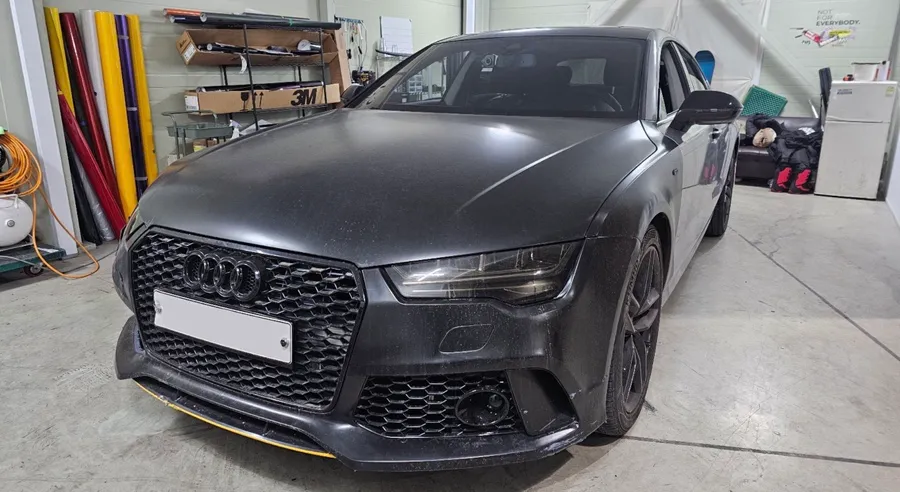
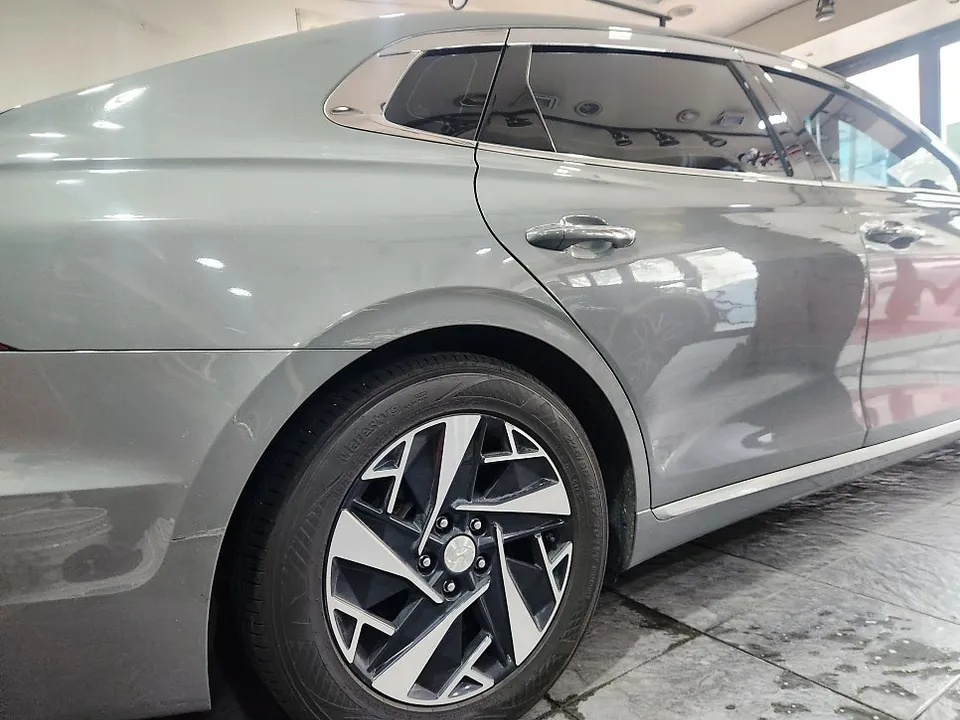
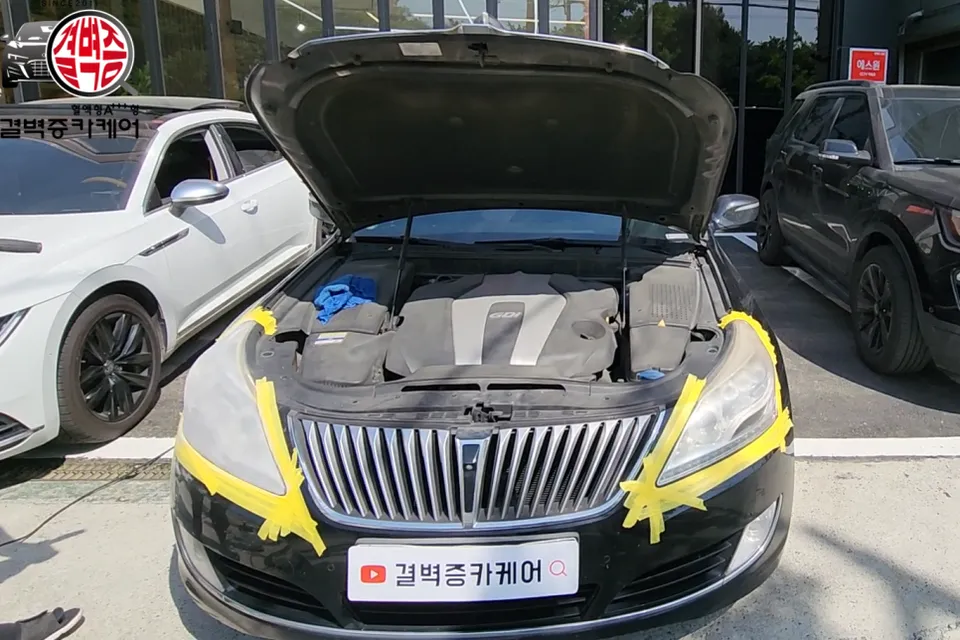
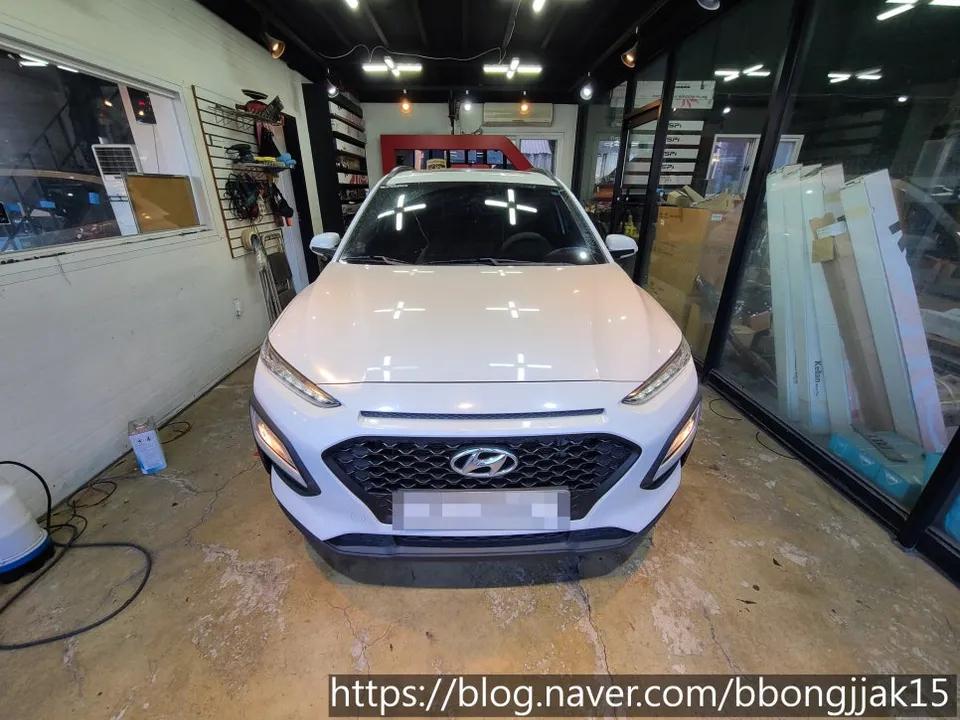
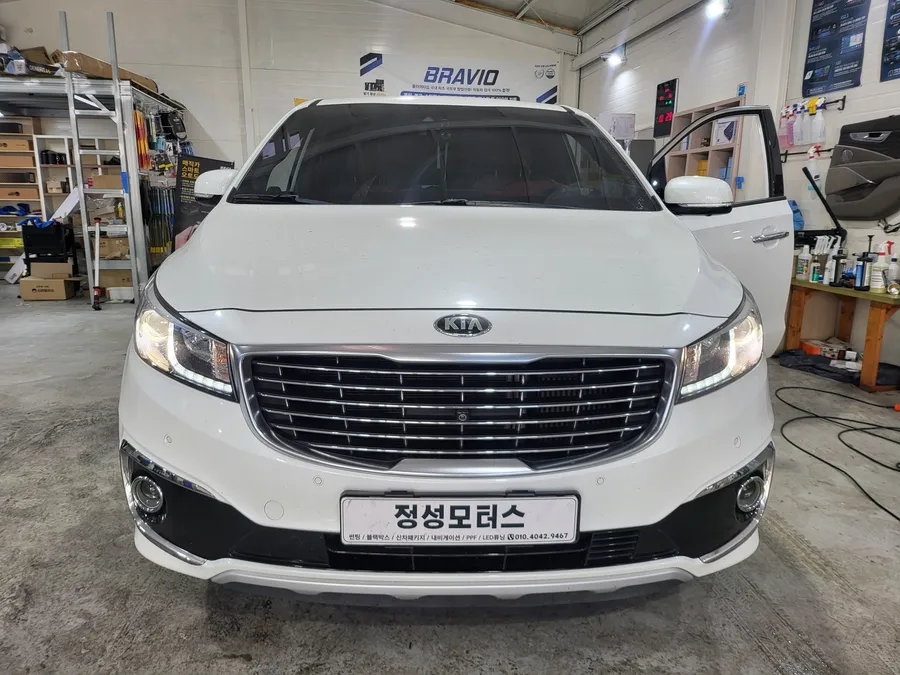
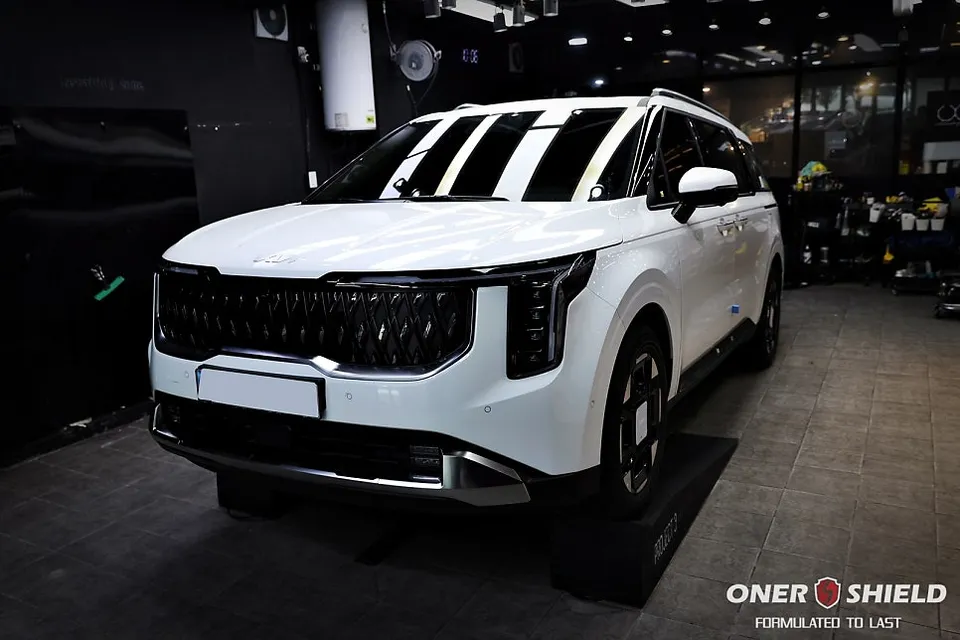
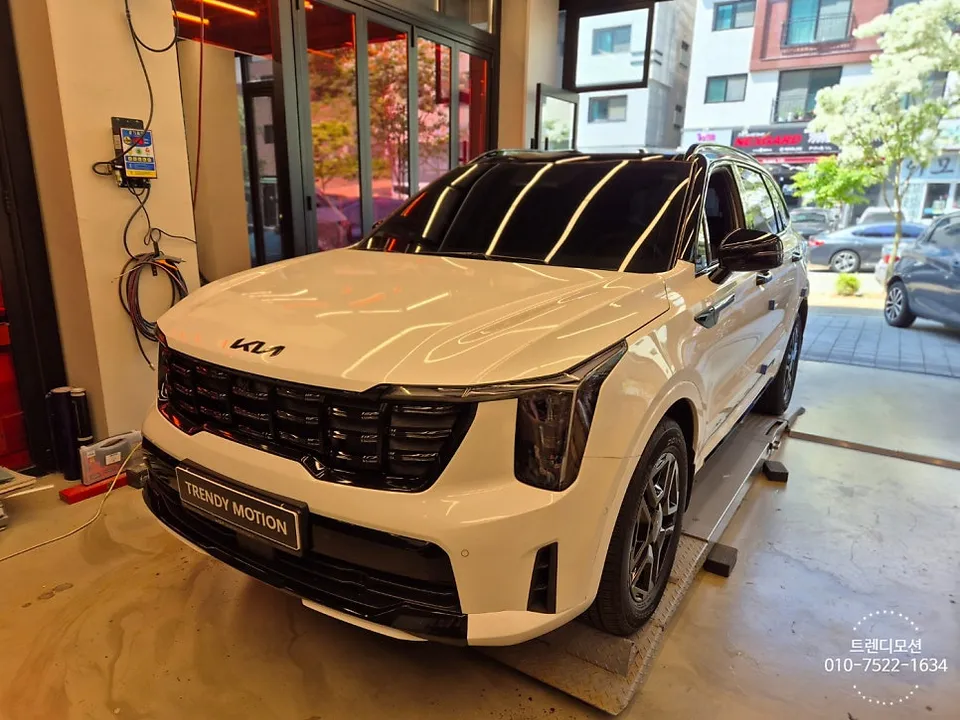
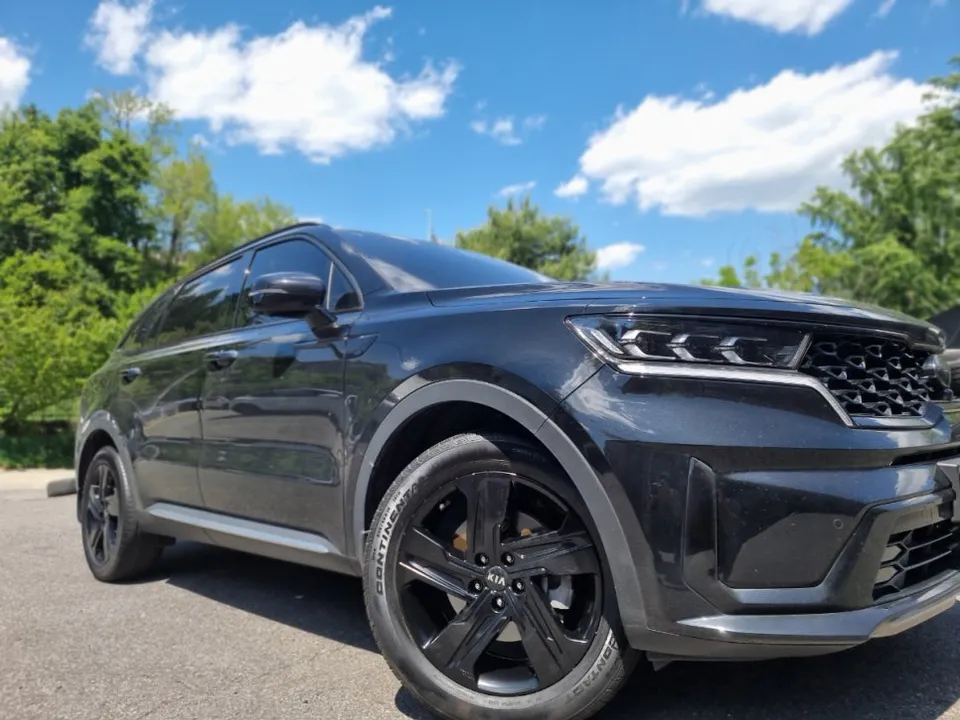
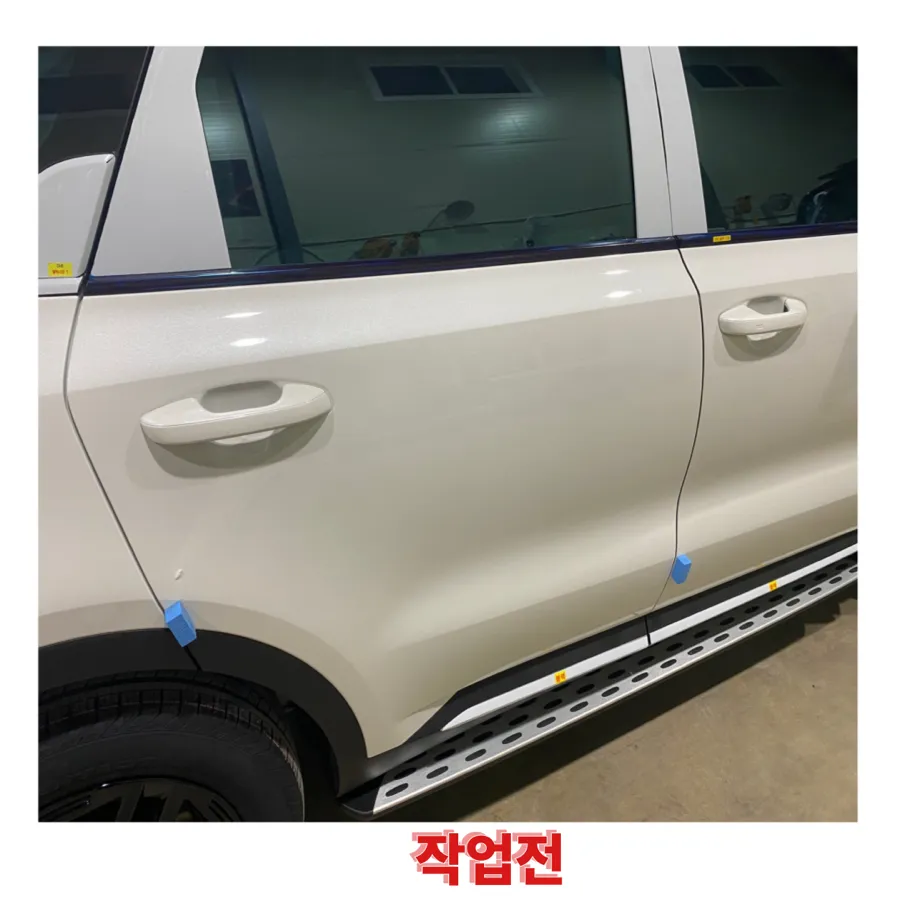
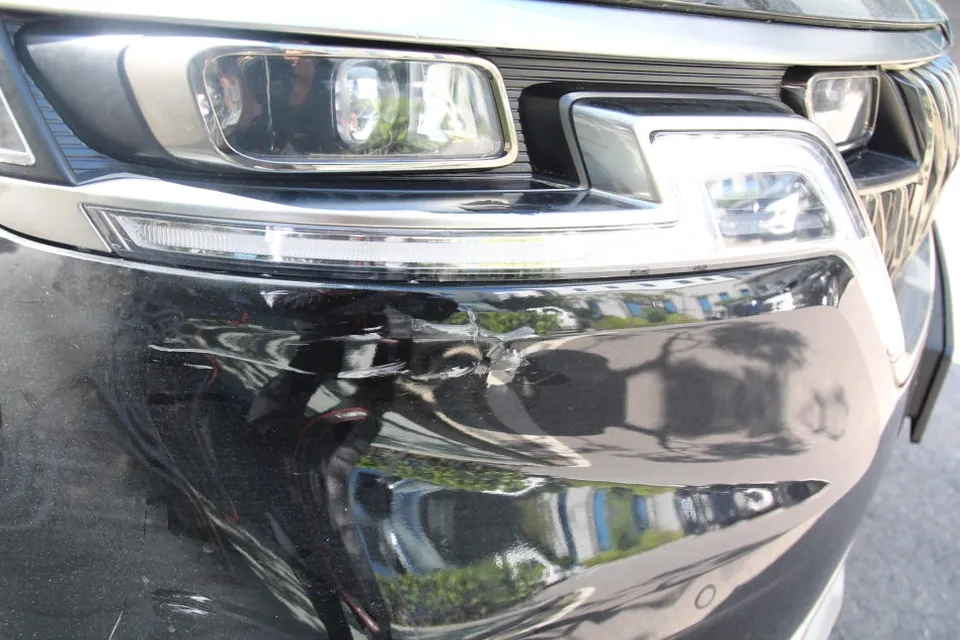
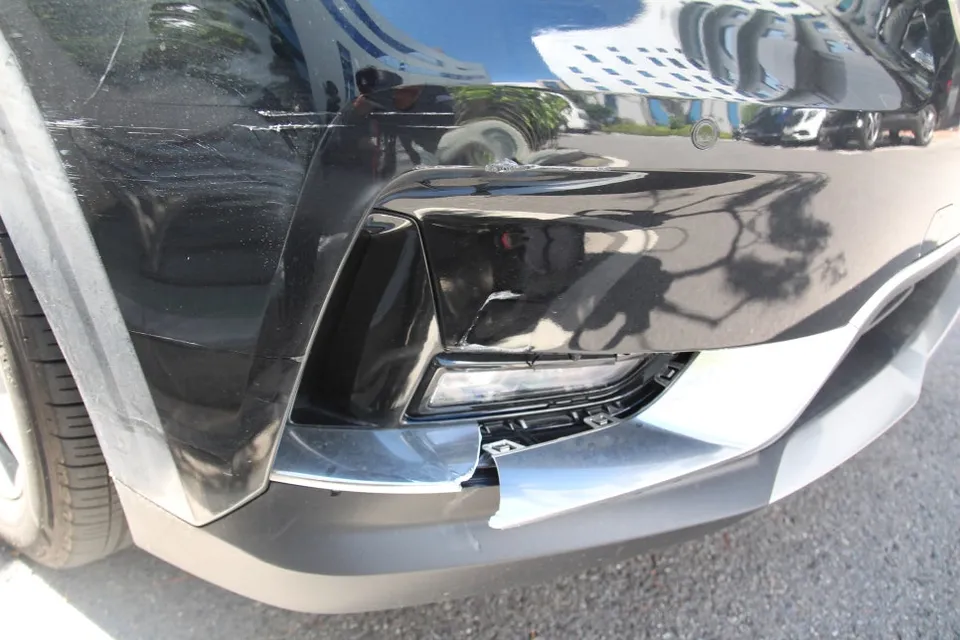
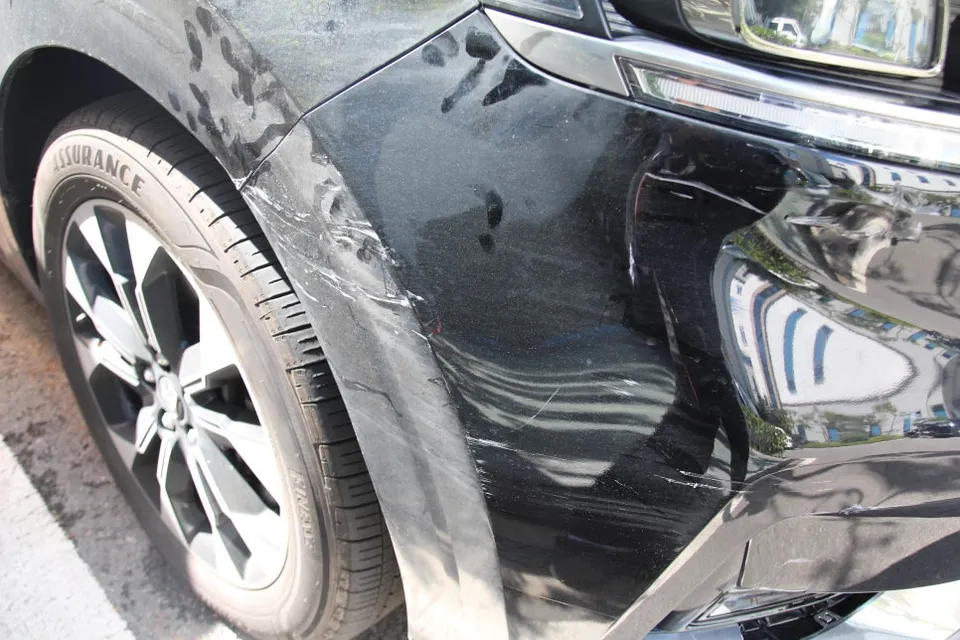
Before
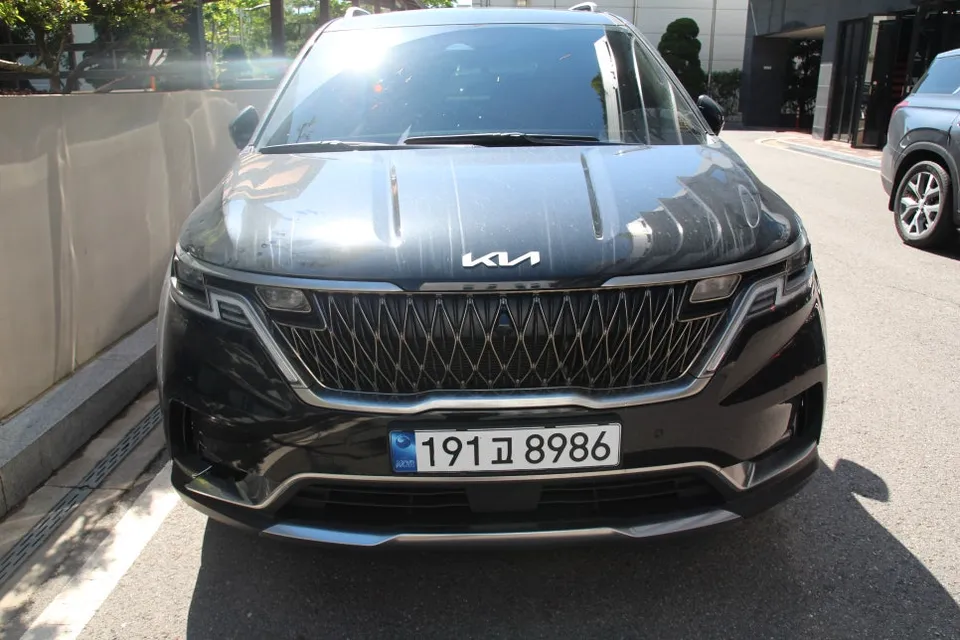
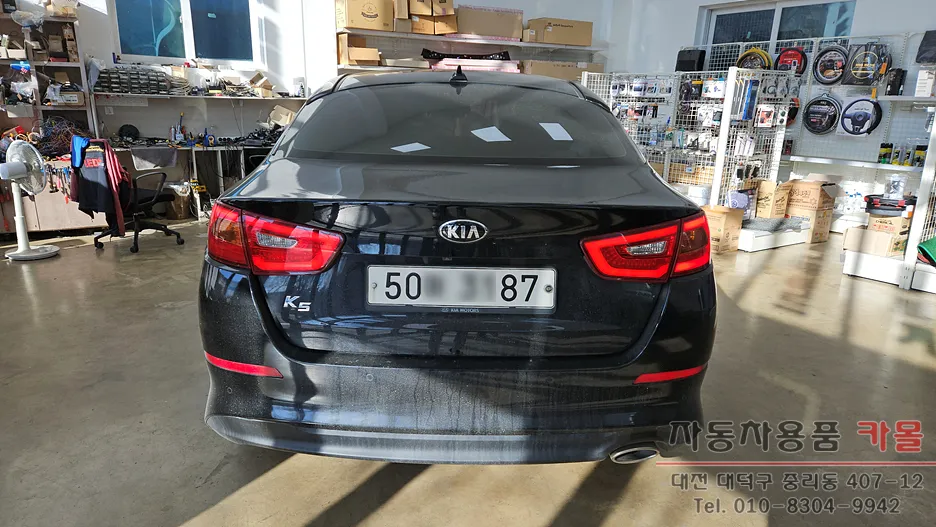
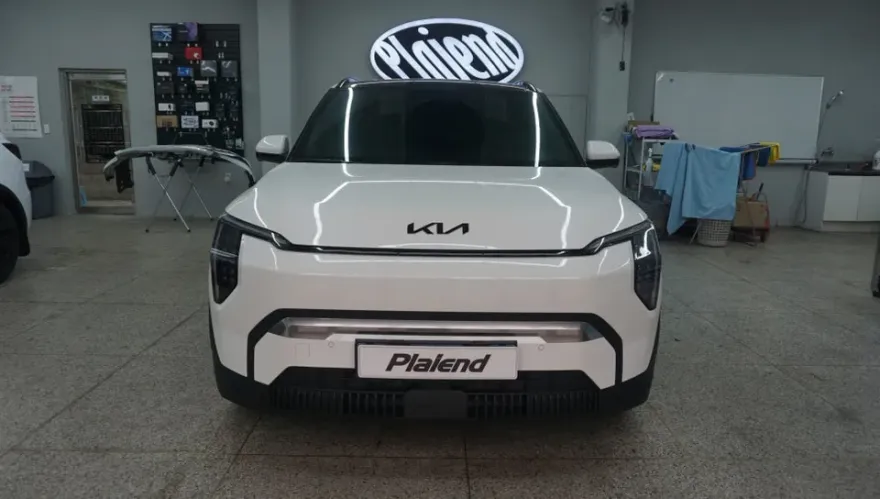
After
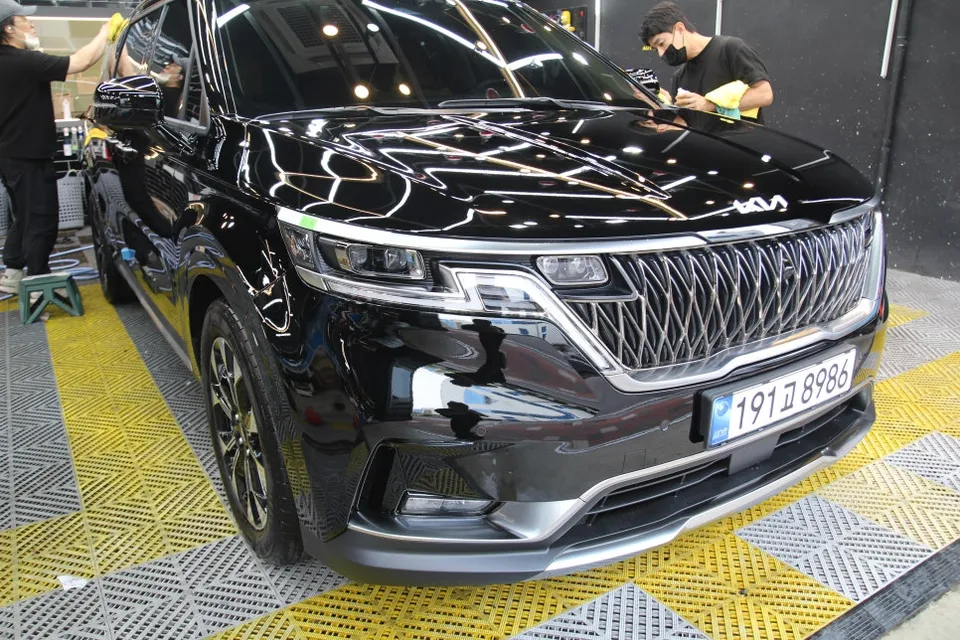
Kia Carnival body repair & painting: Results restore original finish. Durability depends on quality work. Worth it for appearance & value.
Kia Carnival Body Repair & Painting: A Comprehensive Review
For Kia Carnival owners who spend significant time on the road, maintaining the vehicle's appearance and structural integrity is crucial. This review delves into the specifics of auto body repair and painting services, focusing on a recent experience with a Kia Carnival. We'll cover the installation process, the tangible before-and-after results, the materials used, expected durability, and ultimately, whether investing in this service is a worthwhile decision. The work discussed was performed by a specialized shop in South Korea, offering insights into professional body repair and paintwork.
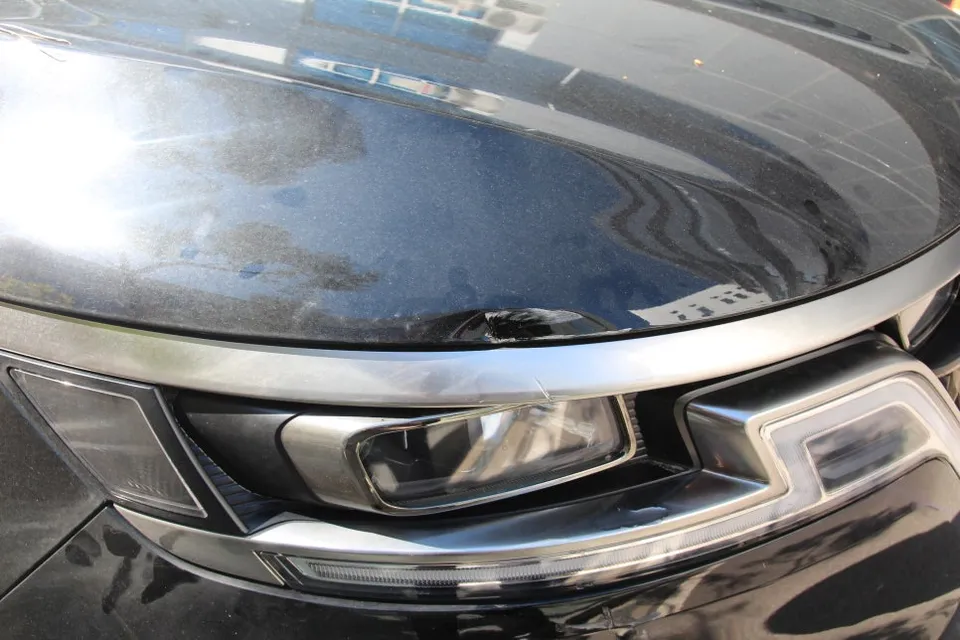
The Body Repair & Painting Process
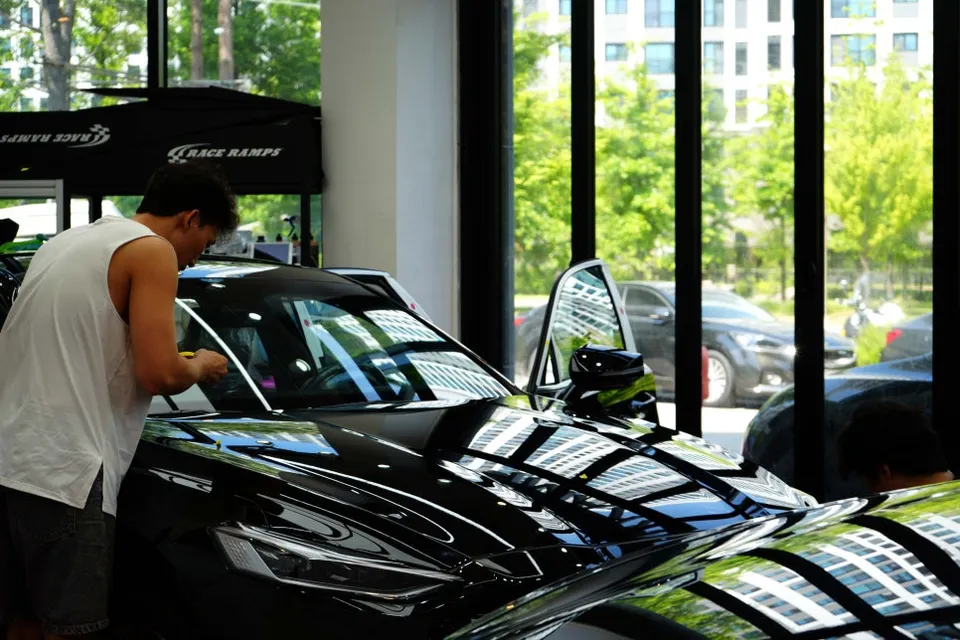
When your Kia Carnival sustains damage, whether it's a minor dent, a deep scratch, or more significant panel issues, professional auto body repair and painting are essential. The process involves meticulous attention to detail to restore the vehicle to its pre-damage condition. This often includes techniques like dent removal, panel straightening, and precise paint matching to ensure a seamless finish. For minor imperfections, techniques such as Paintless Dent Repair (PDR) might be employed, while more severe damage may require traditional bodywork and repainting.
Installation process:
- Damage Assessment: A thorough inspection of the affected area to determine the extent of the damage and the best repair approach.
- Surface Preparation: Cleaning, sanding, and priming the damaged area to ensure proper adhesion of filler and paint.
- Bodywork: Repairing dents, straightening panels, or replacing parts as needed using specialized tools and techniques.
- Painting: Applying primer, base coat, and clear coat, meticulously color-matched to the original Kia Carnival paint.
- Finishing: Buffing and polishing the painted area to achieve a smooth, factory-like finish.
The choice between PDR and conventional body repair depends on the nature of the damage. PDR is ideal for small dents where the paint is not broken, offering a quicker and often more cost-effective solution. For larger dents, creases, or areas where the paint is compromised, traditional auto body repair methods are necessary. The goal is always to achieve a durable, aesthetically pleasing result that protects the vehicle's metal from corrosion.
Results, Durability, and Maintenance
The effectiveness of auto body repair and painting is best judged by the before-and-after results. In this case, the Kia Carnival's damaged sections were restored to their original condition, with the new paint perfectly matching the existing factory finish. The repaired areas were indistinguishable from the surrounding panels, showcasing the skill of the technicians. Durability is a key concern; high-quality paint and proper application techniques ensure the repair will last for years, resisting fading and environmental wear. Regular washing and waxing, similar to the maintenance of the rest of the vehicle, will help preserve the integrity and appearance of the repaired and painted areas. Avoiding harsh chemicals and automatic car washes that can swirl paint is also recommended.
Is Body Repair & Painting Worth It for Your Kia Carnival?
Deciding whether to proceed with body repair and painting involves weighing the cost against the benefits. For significant damage, the service is undoubtedly worth it to restore the vehicle's safety, appearance, and resale value. Even for smaller issues like scratches or minor dents, addressing them promptly can prevent further deterioration, such as rust. The cost can vary widely depending on the extent of the damage and the specific repair techniques required. While the exact cost for this Kia Carnival service in South Korea was not detailed in the source, professional auto body repair typically involves labor and material costs. For context, minor bumper repair might range from a few hundred dollars, while extensive panel repair and repainting could cost significantly more. Ultimately, investing in quality auto body repair and painting protects your Kia Carnival and maintains its aesthetic appeal.
Frequently Asked Questions
Q. How much does auto body repair cost for a Kia Carnival?
The cost for this Kia Carnival's body repair and painting was performed in South Korea, with specific pricing not detailed. Typical US costs for minor bumper repair can range from $300-$800, while more extensive panel work and repainting can run into thousands of dollars.
Q. How long does auto body repair take for a Kia Carnival?
The durability of auto body repairs is generally excellent, often lasting many years if high-quality materials and techniques are used. To maintain the finish, regularly wash and wax your Kia Carnival, and avoid abrasive cleaning methods.
Q. Is auto body repair covered by insurance for a Kia Carnival?
Auto body repair and painting services are most beneficial for owners looking to restore their Kia Carnival's appearance and structural integrity after damage. This service is valuable for maintaining resale value and preventing further deterioration of the vehicle's bodywork.
Q. How is auto body repair done on a Kia Carnival?
Auto body repair typically involves these steps: 1. Assessing the damage to determine the repair method. 2. Preparing the surface by cleaning and sanding. 3. Performing necessary bodywork like dent removal or panel straightening. 4. Applying color-matched paint in multiple layers. 5. Finishing with buffing and polishing for a seamless look.
Q. What is the difference between PDR and conventional body repair for a Kia Carnival?
Paintless Dent Repair (PDR) is used for minor dents where paint is intact, offering a faster, often cheaper solution. Conventional body repair is necessary for larger dents, creases, or when paint is damaged, involving filling, sanding, and repainting.
OhCar Partner Shop