Kia Carnival KA4 Body Kit Installation Review
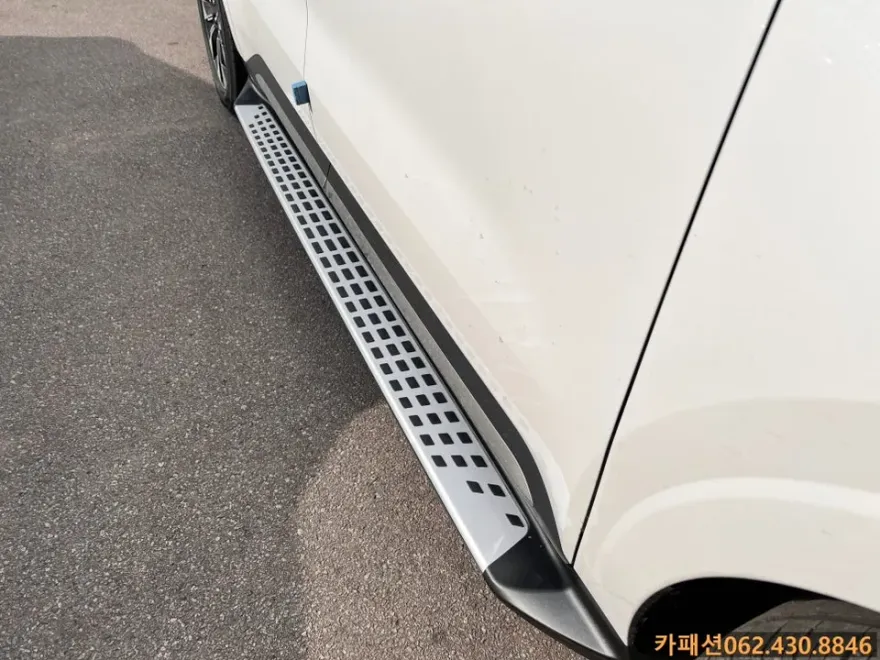
Kia Carnival KA4 body kit installation: Costs vary. Enhances aesthetics and potentially aerodynamics. Professional installation recommended.
Enhancing Your Kia Carnival KA4 with a Body Kit
The Kia Carnival KA4 is a popular choice for families and adventurers, known for its spacious interior and versatile capabilities. However, some owners seek to further personalize their vehicle's appearance and aerodynamics. This is where a body kit, often referred to as an aero kit, comes into play. A body kit can dramatically alter the look of your Carnival, adding a sportier or more aggressive stance.
This review delves into the specifics of body kit installation for the Kia Carnival KA4, covering aspects like cost, the visual transformation, and the long-term benefits. While the original context for this information comes from a specific installation in South Korea, the principles and considerations for body kit upgrades are universal for car owners looking to customize their vehicles.
Understanding Body Kit Components and Benefits
A typical body kit for a vehicle like the Kia Carnival KA4 might include several components designed to work together. These often include a new front bumper or front lip, side skirts, and a rear bumper or diffuser. The goal is to create a cohesive and enhanced aesthetic that flows with the vehicle's original lines.
The primary benefits of installing a body kit extend beyond just looks. While the visual upgrade is significant, many kits are designed with aerodynamics in mind. A well-designed aero kit can potentially improve airflow, reduce drag, and even contribute to better stability at higher speeds, though the effect on an MPV like the Carnival is often more about aesthetics than performance gains.
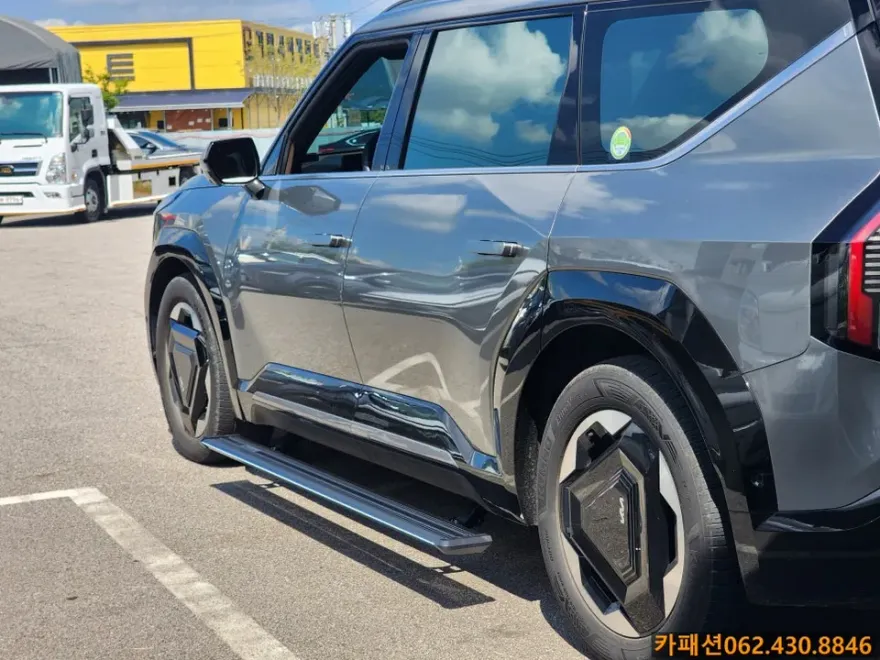
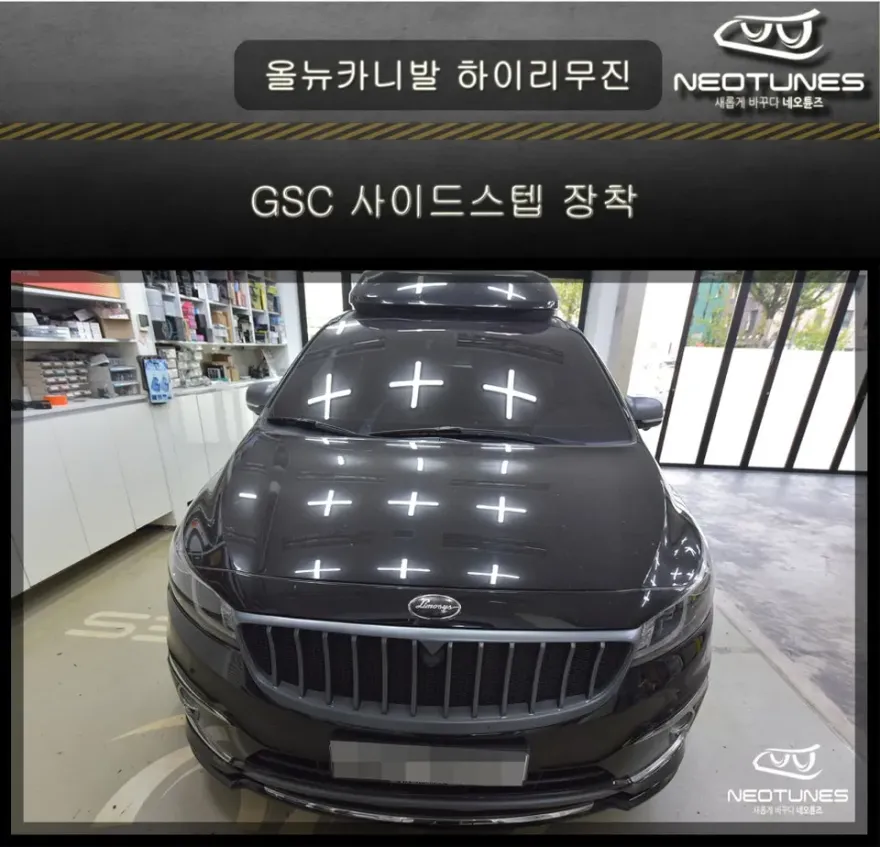
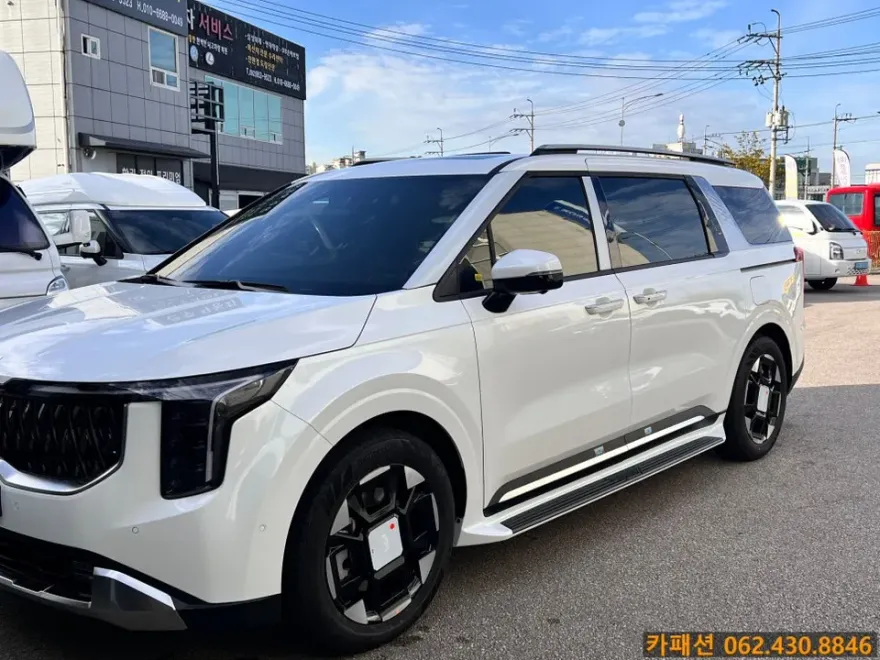
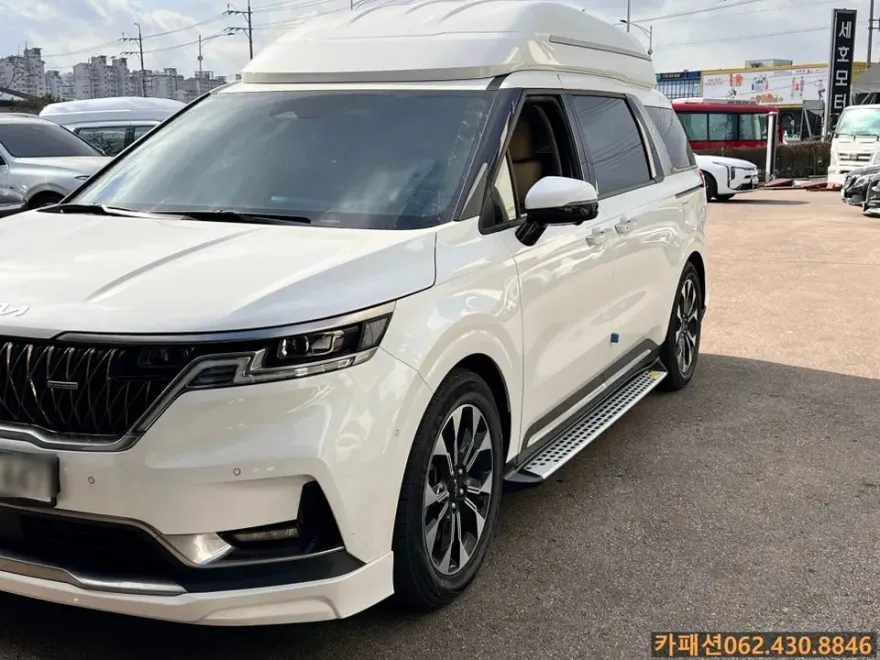
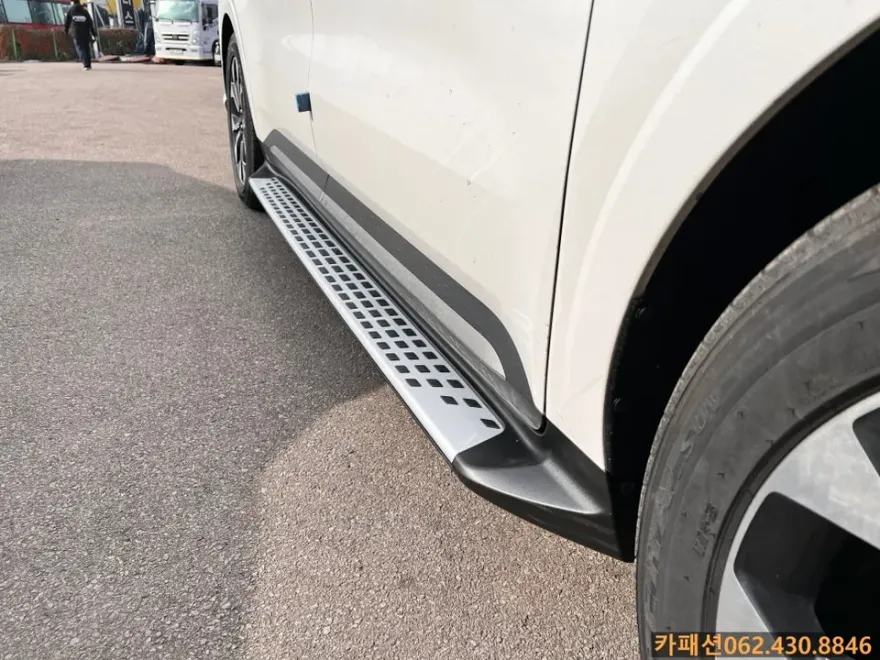
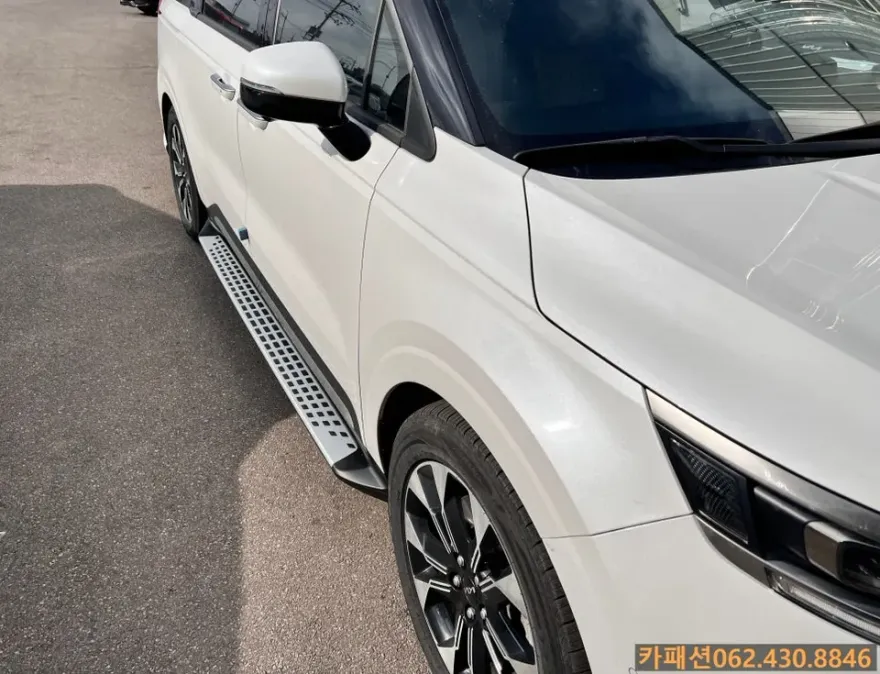
The original context highlights the installation of genuine 'Gravity' genuine side steps for the Carnival KA4 High Limousine. These specific side steps are designed for enhanced ingress and egress, particularly for children and the elderly, due to the vehicle's higher stance. They utilize existing mounting points, avoiding the need for drilling into the car's chassis, and are rated to support up to 200kg. This focus on practicality and integration with the vehicle's original design is a key consideration when choosing any body kit component.
The Body Kit Installation Process and Considerations
Installation process:
- Preparation: The vehicle's existing bumpers and side panels are carefully removed or prepared for the new components. The new body kit parts are inspected for fit and any necessary minor adjustments are made.
- Fitment and Alignment: The new front lip, side skirts, and rear elements are test-fitted to ensure precise alignment with the vehicle's body lines. This step is crucial for a seamless look.
- Attachment: Using the vehicle's original mounting points where possible, or through carefully drilled holes (if required by the kit), the components are securely fastened. The original context mentions using existing holes for side steps, which is ideal for preserving the vehicle's integrity.
- Finishing: Any gaps are addressed, and the new parts are securely attached. The vehicle is then cleaned, and the new body kit is ready for use.
The installation of a body kit, especially one involving multiple components like a front lip, side skirts, and rear diffuser, requires precision. While some enthusiasts might attempt DIY installation, professional installation is highly recommended to ensure a perfect fit, proper alignment, and secure attachment. This minimizes the risk of damage to the vehicle or the new parts, and ensures the final result looks factory-fitted.
The original Korean review details a specific side-step installation that took approximately 3-4 hours. The time for a full body kit installation can vary significantly depending on the complexity of the kit, the material (e.g., polyurethane vs. fiberglass-reinforced plastic - FRP), and the installer's experience. It's wise to budget a full day for a comprehensive body kit upgrade.
Durability, Maintenance, and Is It Worth It?
The durability of a body kit largely depends on the material it's made from and the quality of the installation. Polyurethane kits are generally more flexible and resistant to cracking upon minor impacts, making them a popular choice for daily drivers. FRP kits can be more rigid but may be more susceptible to damage from bumps or scrapes. Regular cleaning with mild soap and water will help maintain the finish. Avoid abrasive cleaners or high-pressure washing directly on the kit's edges.
When considering if a body kit is worth the investment for your Kia Carnival KA4, weigh the aesthetic improvements against the cost and potential risks. For owners who want a unique look that stands out from the standard MPV profile, a well-chosen and professionally installed body kit can be a very satisfying upgrade. The enhanced visual appeal can also contribute to the vehicle's perceived value.
The decision to install a body kit should align with your personal preferences and budget. If you prioritize a customized appearance and are willing to invest in quality parts and professional installation, a body kit can be a worthwhile modification for your Kia Carnival KA4.

Frequently Asked Questions
Q. How much does a body kit cost for a Kia Carnival KA4?
The specific side steps mentioned in the Korean context were installed using genuine parts. Full body kit costs can vary widely, but expect professional installation in the US to range from $1,500 to $4,000 or more, depending on the kit's complexity and brand.
Q. How long does body kit installation take on a Kia Carnival KA4?
Installation time can vary, but a full body kit upgrade typically takes between 4 to 8 hours for professional installation. Proper fitment and finishing are key to a seamless look and long-lasting durability.
Q. Is a body kit worth it for a Kia Carnival KA4?
A body kit is worth it for Kia Carnival KA4 owners seeking a more aggressive or personalized aesthetic. It significantly enhances the vehicle's visual appeal, making it stand out, though it's primarily an aesthetic modification.
Q. How is a body kit installed on a Kia Carnival KA4?
Installation typically involves carefully removing factory components, test-fitting the new body kit parts (front lip, side skirts, rear bumper), and securely attaching them using pre-drilled holes or the vehicle's existing mounting points. Professional alignment is crucial for a factory-like finish.
Q. What is the difference between FRP and polyurethane body kits for a Kia Carnival KA4?
Polyurethane kits are more flexible and impact-resistant, making them ideal for daily driving and less prone to cracking. FRP kits are typically more rigid but can be more brittle and susceptible to damage from minor impacts.
OhCar Partner Shop