Kia Carnival KA4 OEM Options Review — Factory Upgrade Cost
Service Price
$40–80
Estimated price · Actual price may vary by shop
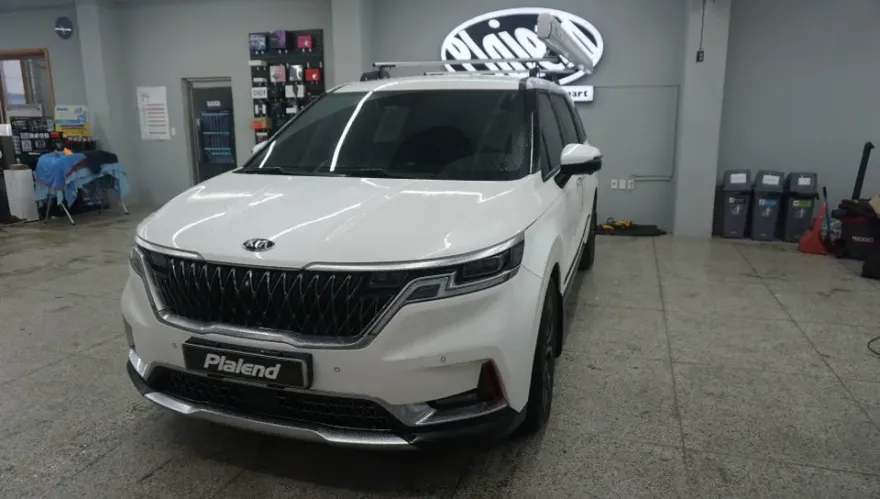
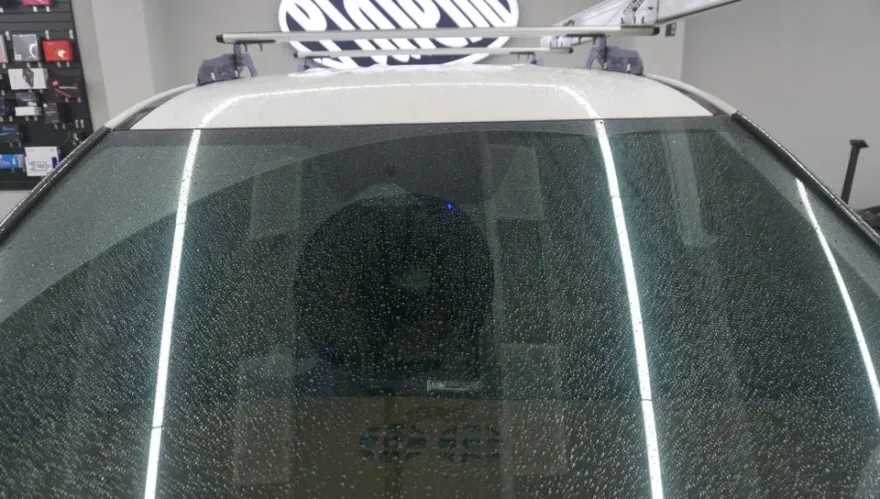
Kia Carnival KA4 OEM rain sensor retrofit: ~$30-60. Adds automatic wipers and headlights.
Enhance Your Kia Carnival KA4 with OEM Options
Many Kia Carnival KA4 owners, especially those with 2022 models or earlier, have noted the absence of certain convenient features even in top trims. A common point of discussion is the lack of a rain sensor, which automatically controls the wipers based on weather conditions. Fortunately, this and other desirable features can often be retrofitted using genuine OEM parts, bringing your vehicle up to par with newer models or higher trim levels. This review delves into the process, benefits, and considerations of adding OEM options like the rain sensor to your Kia Carnival KA4.
The Value of Factory Option Retrofits
The appeal of factory option retrofits, such as adding a rain sensor to a Kia Carnival KA4, lies in their seamless integration and guaranteed compatibility. Unlike aftermarket solutions, OEM options are designed by the manufacturer, ensuring they function exactly as intended and maintain the vehicle's original aesthetic and electronic integrity. For the KA4 Carnival, a significant upgrade is the rain sensor, which was notably missing from pre-2022 models even in fully equipped configurations. By installing genuine Kia rain sensor modules, multi-function switches, and related control units (IBU), you can achieve the same functionality found in factory-equipped vehicles. This not only enhances driving convenience, particularly in inclement weather, but also adds to the overall value and appeal of your car. The process ensures that the new features operate with the same precision and reliability as if they were installed at the factory.
Installation Process and Post-Upgrade Benefits
Retrofitting OEM options like the rain sensor on a Kia Carnival KA4 involves a precise installation process. The estimated cost for such a retrofit in Korea can range from approximately ₩40,000 to ₩80,000 (roughly $30-$60 USD, though actual US pricing may vary significantly). The installation typically requires specialized tools and expertise to ensure a flawless finish. Here’s a general overview of how it works:
- Windshield Preparation: The area on the front windshield where the rain sensor will be mounted is carefully prepared. This may involve precise cutting or modification of the glass area to accommodate the sensor module without compromising structural integrity.
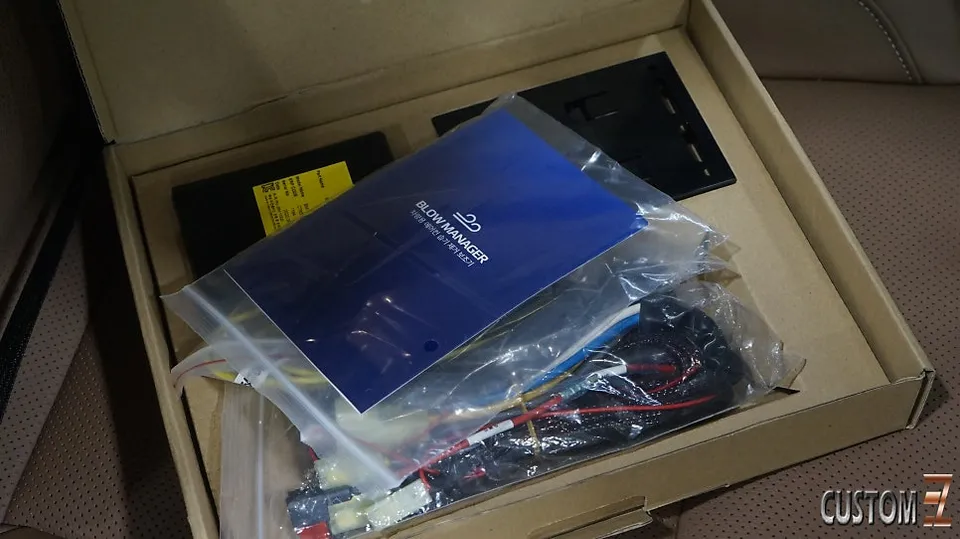
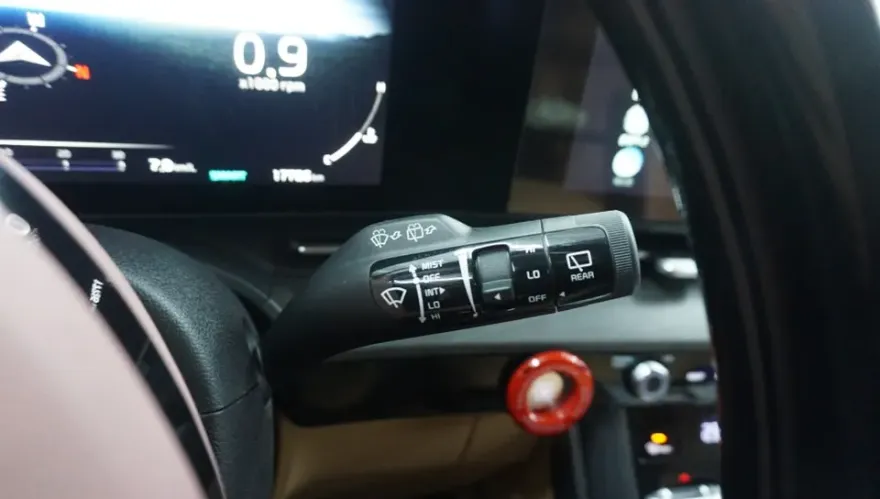
- Component Replacement: Key components are swapped out. This includes replacing the standard multi-function switch stalk with one that supports the rain sensor function and installing the rain sensor module itself. The vehicle's IBU (Integrated Body Unit) may also need to be updated or replaced to communicate with the new sensor.
- Wiring and Integration: Necessary wiring harnesses are connected, and the new components are integrated into the vehicle's existing electrical system. This ensures all functions work in harmony with the car's computer.
- Testing and Calibration: After installation, the system is thoroughly tested to confirm the rain sensor and associated automatic functions (like auto headlights, which are often linked) are working correctly. Calibration ensures optimal performance in various conditions.
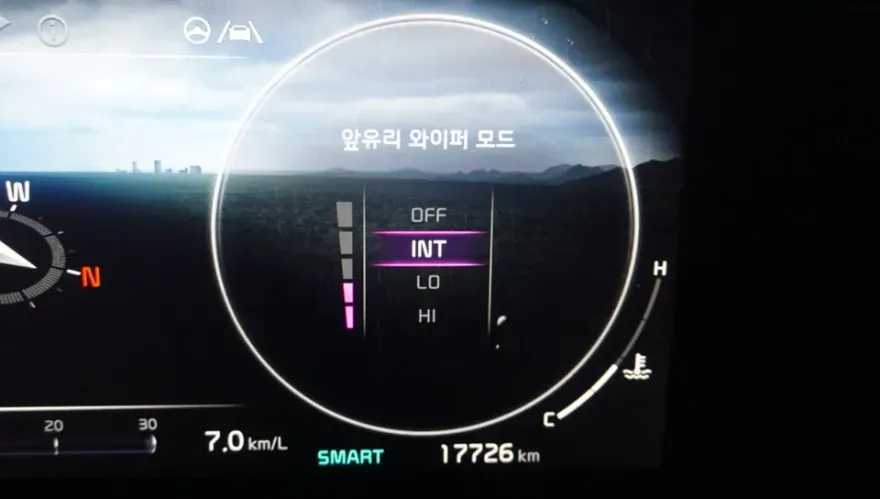
Once installed, the benefits are immediate. The instrument cluster will display an 'AUTO' indicator for the wipers, signifying that the automatic mode is active. The system will then intelligently adjust wiper speed based on the intensity of rainfall, allowing you to focus solely on driving. A significant secondary benefit often realized with rain sensor installation is the activation or improvement of the auto-headlight function. The same sensor module can detect ambient light levels, automatically turning your headlights on in low-light conditions (like dusk, dawn, or entering tunnels) and off when sufficient light returns. This dual functionality significantly enhances safety and convenience, making driving in varied conditions much easier and more comfortable. The integration is so seamless that the modified windshield area looks completely factory-original.
Frequently Asked Questions
Q. How much does OEM option and factory upgrade installation cost for a Kia Carnival KA4?
In Korea, the cost for OEM option retrofits like rain sensors on a Kia Carnival KA4 typically ranges from ₩40,000 to ₩80,000 (approximately $30-$60 USD). Actual installation costs in the US may vary.
Q. How long does OEM options installation take on a Kia Carnival KA4?
The installation of OEM options such as a rain sensor typically takes around 3 to 4 hours to complete. Proper maintenance involves ensuring the sensor area on the windshield remains clean for accurate readings.
Q. Are OEM options worth adding after purchase for a Kia Carnival KA4?
Adding OEM options like a rain sensor is highly recommended for owners of pre-2022 Kia Carnival KA4 models lacking this feature. It significantly enhances driving convenience and safety by automating wiper and headlight functions.
Q. How are OEM factory options installed on a Kia Carnival KA4?
OEM factory options are installed by first preparing the windshield for the sensor module, then replacing the multi-function switch and integrating the sensor and control units. Finally, the system is tested and calibrated for optimal performance.
Q. What is the difference between dealer-installed options and aftermarket upgrades for a Kia Carnival KA4?
OEM options, whether dealer-installed or factory-retrofitted, use genuine manufacturer parts for seamless integration and guaranteed performance. Aftermarket upgrades, while potentially cheaper, may not offer the same level of compatibility or long-term reliability.
OhCar Partner Shop