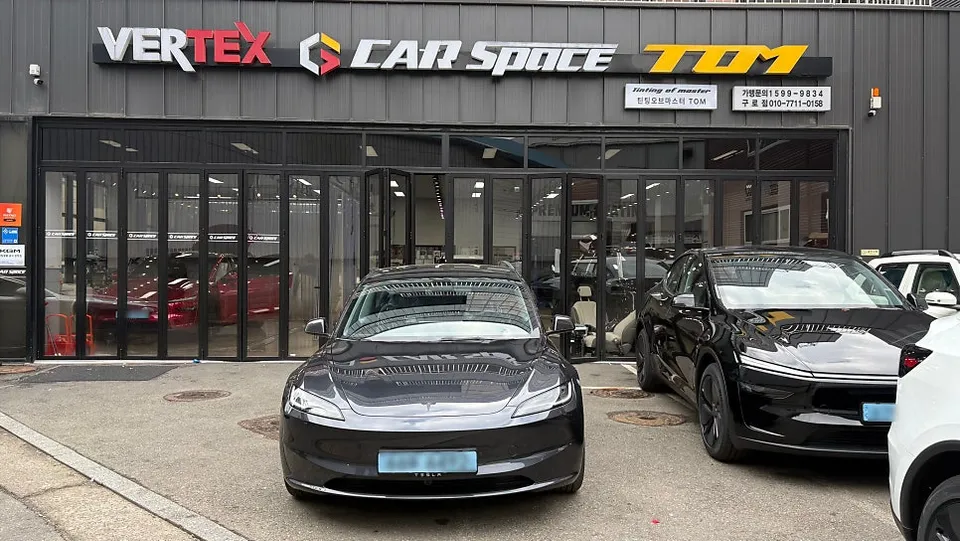
Kia EV6 OEM Options Review: Drive Wise Cost & Results
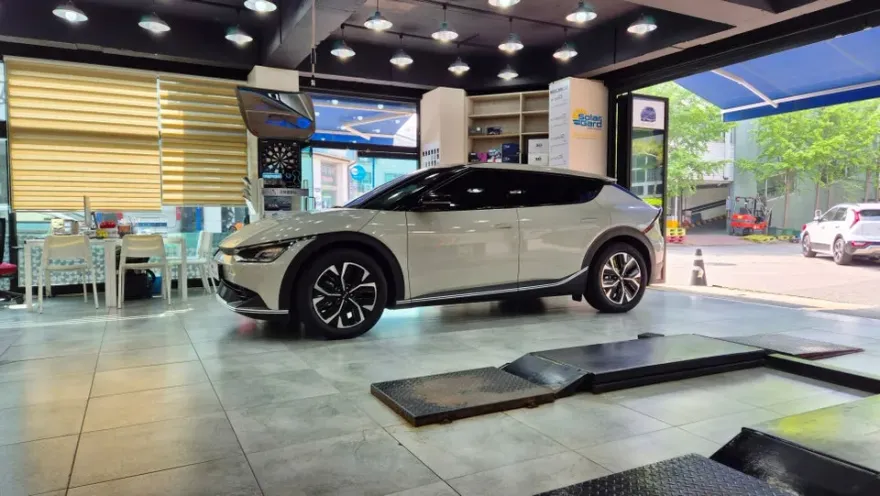
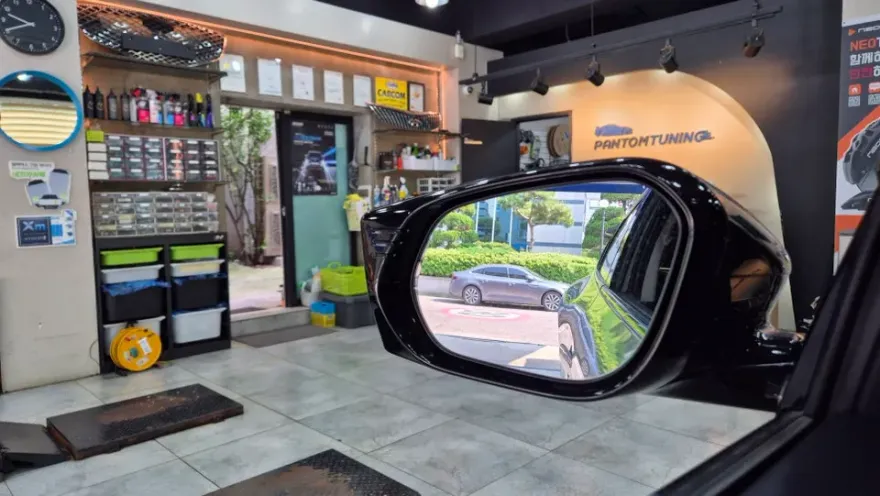
Kia EV6 Drive Wise OEM retrofit: Approx. KRW 300-800+. Adds advanced safety & semi-autonomous driving features.
Upgrade Your Kia EV6 with Drive Wise OEM Options
Many Kia EV6 owners desire the advanced safety and semi-autonomous driving features often thought to be exclusive to higher trims or specific factory packages. Fortunately, it's possible to retrofit sophisticated ADAS (Advanced Driver Assistance Systems) like the Drive Wise package, bringing your EV6 up to par with the latest in automotive technology. This review details the installation process, functionality, and considerations for adding these OEM options to your Kia EV6, based on real-world installations and owner feedback from Korea.
What Does the Drive Wise Upgrade Add?
The Drive Wise option is more than just a simple add-on; it's a comprehensive safety and convenience system. It integrates multiple radar sensors to provide enhanced collision warnings and avoidance capabilities. This includes:
- Forward Collision-Avoidance Assist (FCA): Detects potential frontal collisions and can apply brakes automatically. This extends to detecting vehicles, pedestrians, and cyclists.
- Forward Collision-Avoidance Assist - Junction (FCA-J): Specifically designed for intersections, it warns and brakes if a collision risk is detected when turning left or right across oncoming traffic.
- Blind-Spot Collision-Avoidance Assist (BCA): Monitors blind spots and can intervene to prevent a collision during a lane change.
- Rear Cross-Traffic Collision-Avoidance Assist (RCCA): Warns and brakes if a vehicle approaches from the side while reversing.
- Highway Driving Assist 2 (HDA2): An advanced semi-autonomous driving system that assists with steering, maintaining speed, and even performing lane changes when the turn signal is activated on highways.
The system leverages the EV6's existing front radar and camera, supplemented by newly installed front and rear corner radars. These sensors feed data into an ADAS ECU (Electronic Control Unit), which intelligently analyzes driving conditions to enhance safety and driving comfort.
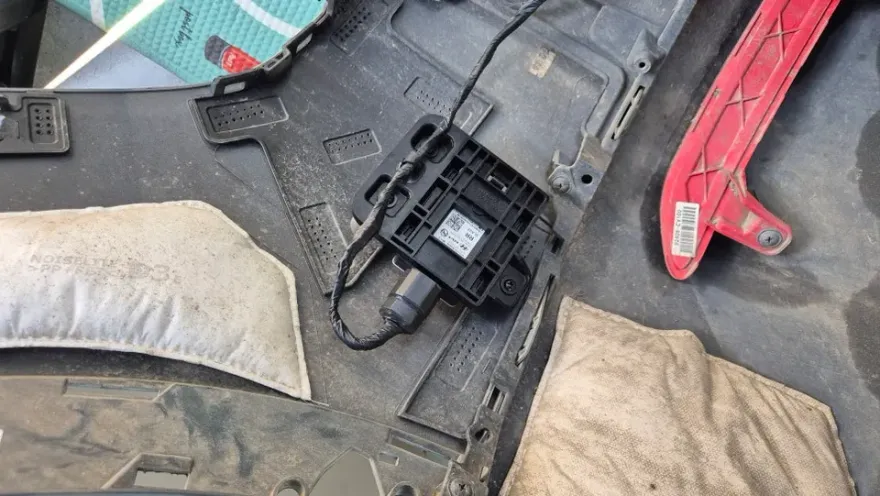
Installation Process and Results
Retrofitting the Drive Wise OEM options involves precise installation of radar sensors and integration with the vehicle's existing systems. The process typically includes:
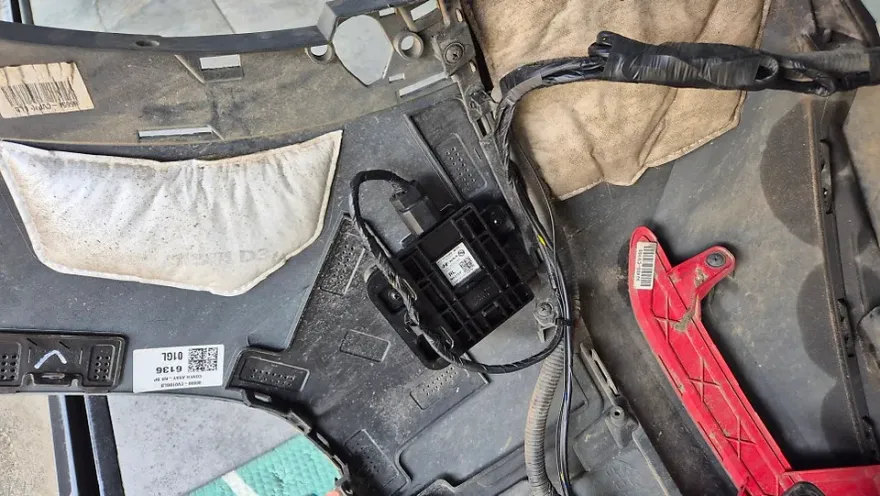
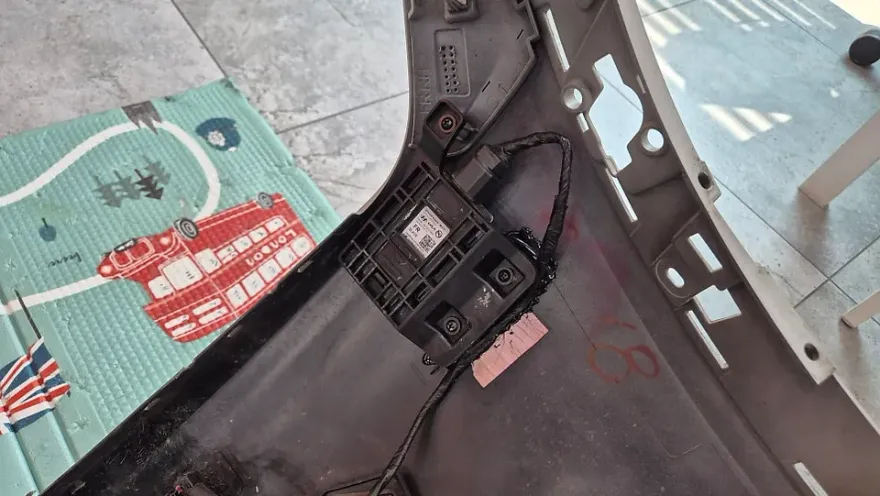
- Rear Radar Installation: Two radar sensors are mounted discreetly behind the rear bumper, enhancing blind-spot monitoring for lane changes and detecting approaching vehicles or pedestrians when reversing.
- Front Radar Installation: Two radar sensors are installed behind the front bumper, covering the front and front-side areas to detect potential hazards during forward driving and at intersections.
- ECU Integration and Calibration: The new sensors, along with existing forward radar and cameras, are connected to the ADAS ECU. Sophisticated coding and calibration are then performed to ensure all functions work seamlessly and accurately.
- System Activation and Testing: After calibration, warning messages may appear temporarily, which are cleared through final coding. All new safety and semi-autonomous features are then activated and tested to confirm proper operation.
Post-installation, drivers can access and configure the new features through the vehicle's infotainment system. The results are a significantly enhanced safety net, reducing driver fatigue and the risk of accidents, particularly in complex urban environments and on highways. The HDA2 upgrade, for instance, makes highway cruising considerably more relaxed and safer.
Cost and Considerations for the Drive Wise Upgrade
The cost for retrofitting the Drive Wise OEM options on a Kia EV6 can vary significantly. Factors influencing the price include the specific components required (number of radar sensors, ECU type), the labor costs at the installation facility, and the vehicle's original trim level. In Korea, such retrofits typically range from several hundred thousand KRW to over a million KRW (approximately $300 - $800+ USD), depending on the extent of the upgrade. Installation usually takes about 3-4 hours and can often be completed within a single day. It's crucial to use genuine OEM parts and ensure the installation is performed by experienced technicians to maintain the integrity of the vehicle's systems and potentially its warranty. While this is a significant investment, for drivers who prioritize safety and advanced driving assistance, the enhanced peace of mind and driving experience can make the factory option retrofit a worthwhile upgrade.
Frequently Asked Questions
Q. How much does OEM option and factory upgrade installation cost for a Kia EV6?
The cost for retrofitting OEM options like Drive Wise on a Kia EV6 typically ranges from several hundred thousand to over a million Korean Won (approx. $300-$800+ USD), depending on the specific features added. Exact pricing requires a vehicle-specific consultation.
Q. How long does OEM options installation take on a Kia EV6?
Installation of OEM options such as the Drive Wise system usually takes around 3-4 hours and can typically be completed within a single day. Proper calibration is key to ensuring the long-term durability and functionality of these systems.
Q. Are OEM options worth adding after purchase for a Kia EV6?
Adding OEM options like Drive Wise is most beneficial for EV6 owners who frequently drive in complex urban environments or on highways and prioritize advanced safety and semi-autonomous driving features. The enhanced safety and reduced driving fatigue offer significant value for these drivers.
Q. How are OEM factory options installed on a Kia EV6?
OEM factory options are installed by integrating genuine parts, such as radar sensors and control units, into the vehicle's existing electrical system. The process involves mounting the hardware, connecting it to the ADAS ECU, and performing precise coding and calibration to activate all functions.
Q. What is the difference between dealer-installed options and aftermarket upgrades for a Kia EV6?
Dealer-installed OEM options utilize genuine factory parts and are designed to integrate seamlessly with the vehicle's systems, often maintaining warranty coverage. Aftermarket upgrades, while potentially cheaper, may use non-OEM parts and could impact vehicle warranty or system compatibility.
Q. What should I know before getting OEM Options on a Kia EV6? (common regrets and mistakes)
The most common regret is underestimating the cost or complexity of the installation. To avoid this, always get a detailed quote including parts, labor, and calibration, and ensure the installer is reputable and experienced with OEM retrofits.
OhCar Partner Shop