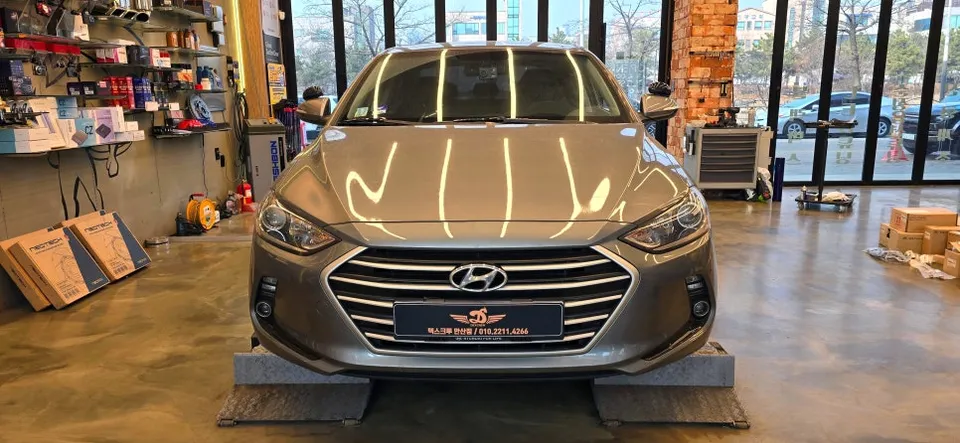
Kia K3 Rear Air Vent Installation Review
Service Price
$40–80
Estimated price · Actual price may vary by shop
Before
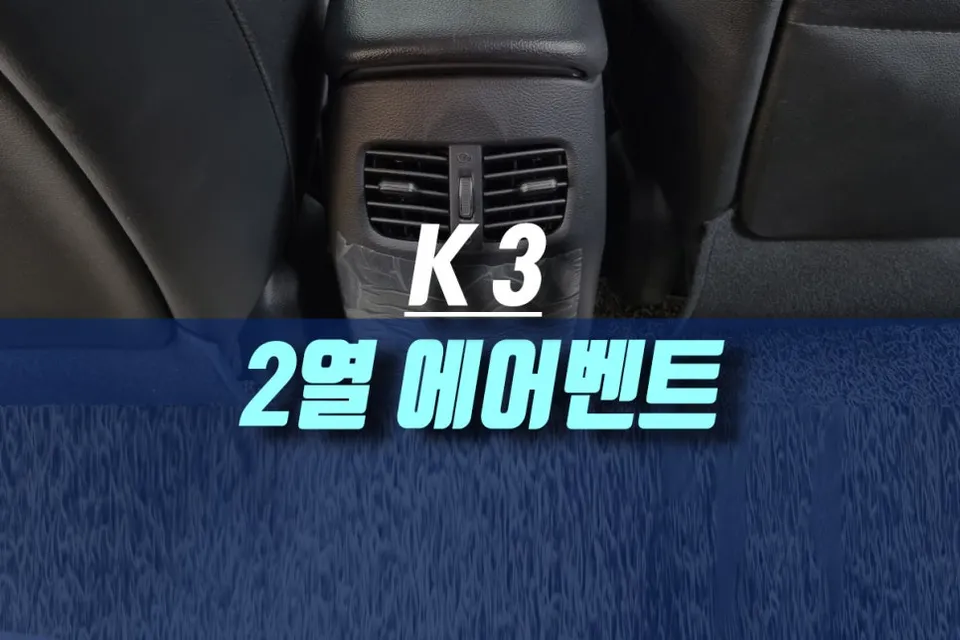
After
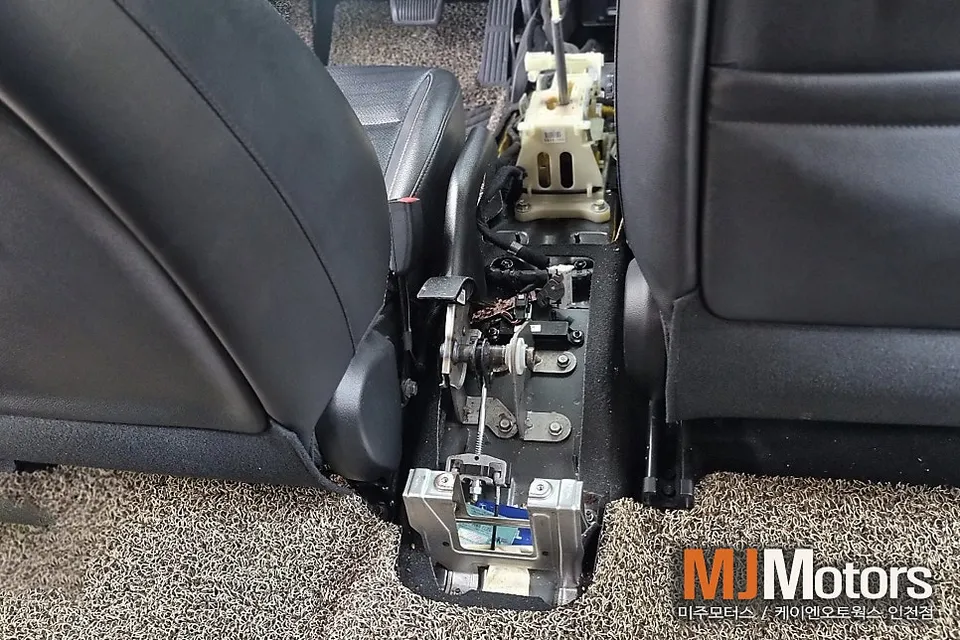
Process photos

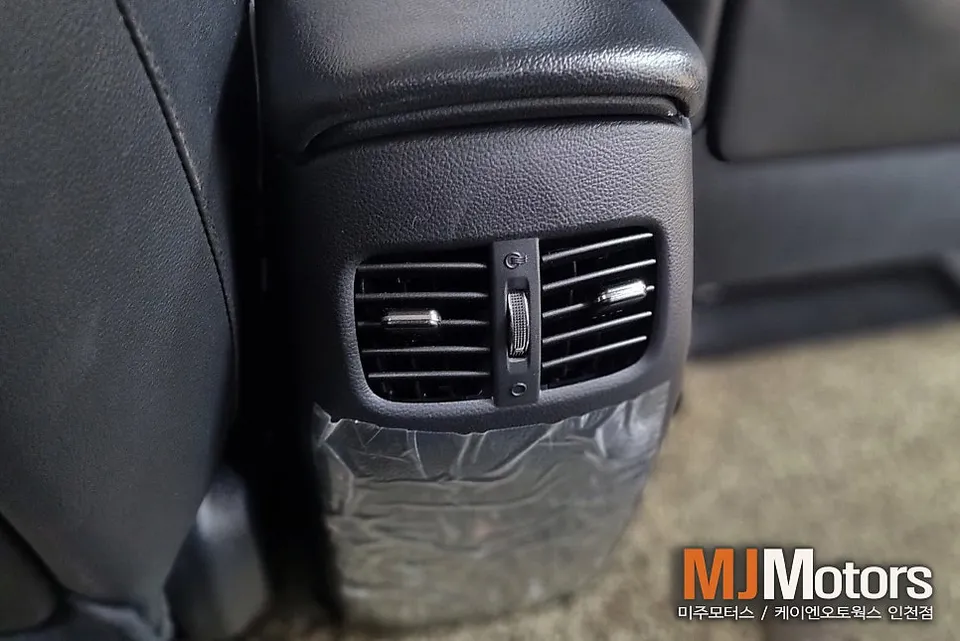
Kia K3 rear air vent installation adds comfort and independent control for rear passengers. Optional USB ports available.
Why Your Kia K3 Needs Rear Air Vents
Many Kia K3 owners who frequently travel with family or passengers are opting for a rear air vent installation. This upgrade is particularly popular because, in some trims, the K3 lacks rear air vents, leaving backseat occupants to suffer through hot or cold weather without adequate climate control. The difference in comfort, especially during long summer drives, can be significant. This modification ensures that all passengers enjoy a more pleasant and balanced cabin temperature.
Key Takeaways:
Vehicle: Kia K3
Service: Rear Air Vent Installation
Benefits: Independent temperature control for rear passengers, enhanced cabin comfort.
Optional Add-on: USB charging ports.
This guide will cover why the rear air vent upgrade is essential, the installation process, and what you can expect after the modification.
Addressing the Lack of Rear Climate Control
The availability of rear air vents in the Kia K3 often depends on the specific trim level. Lower trims may not come equipped with this feature as standard. Without dedicated vents, the air conditioning or heating system struggles to effectively circulate air to the back seats. This leads to a common complaint: the front of the car is comfortable, but the rear remains too hot or too cold. This temperature imbalance can make longer journeys uncomfortable for rear passengers.
The Installation Process: From Blank Console to Climate Control
The process begins by identifying the blank center console panel in the rear of the vehicle, which is present in K3 models without the air vent option. This panel needs to be carefully removed.
Installation Process:
1. Remove the Blank Console: The existing blank panel is carefully detached from the center console, requiring the removal of clips and screws without damaging the surrounding trim.
2. Install Air Ducts: The crucial step involves fitting the air ducts that will channel conditioned air from the main HVAC system to the rear vents. This ensures there's a pathway for airflow.
3. Mount the New Vent Console: A new console piece, complete with left and right air vents, is installed. This unit is designed to integrate seamlessly with the existing interior.
4. Final Assembly: All components are securely fastened, and the interior is reassembled, ensuring a factory-like finish.
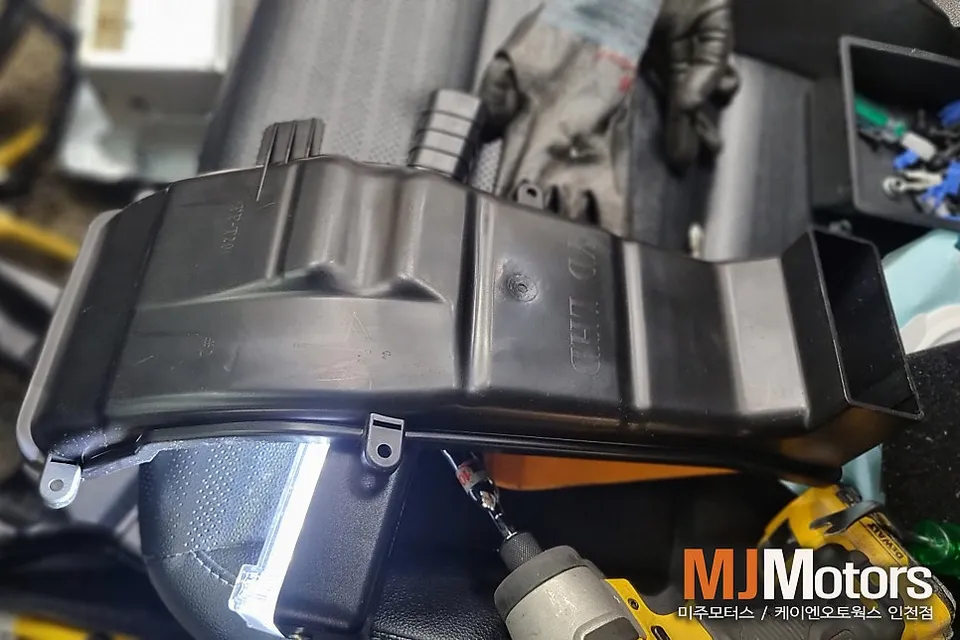
Enjoying Enhanced Comfort and Convenience
Once installed, the most significant improvement is the ability for rear passengers to independently control their airflow. You can direct more cool air to the left side or less warm air to the right, allowing for personalized comfort. This is especially beneficial when the number of rear passengers varies or when different individuals have different temperature preferences. The upgrade significantly boosts rear-seat comfort during extended drives.
Additionally, many owners choose to combine the rear air vent installation with the addition of USB charging ports. This dual upgrade enhances both the comfort and convenience of the rear seating area, making it ideal for families on road trips who need to keep devices charged.
Frequently Asked Questions
Q. How much does the rear air vent installation cost for a Kia K3?
The cost for installing rear air vents on a Kia K3 typically ranges from ₩150,000 to ₩300,000 in Korea. In the US, similar aftermarket installations can range from $150 to $300, depending on the shop and parts used.
Q. How long does the rear air vent installation last on a Kia K3?
When installed correctly using quality parts, the rear air vents function as a permanent upgrade, lasting the lifetime of the vehicle. Regular checks to ensure vents are clear of debris will maintain optimal airflow.
Q. Is the rear air vent installation worth it for a Kia K3?
This upgrade is highly recommended for Kia K3 owners who frequently carry passengers in the rear, especially during hot or cold weather. It significantly improves overall cabin comfort and passenger satisfaction.
Q. How is the rear air vent installation done on a Kia K3?
The installation involves removing the blank rear center console panel, fitting the necessary air ducts to connect to the HVAC system, and then installing a new console piece equipped with functional air vents. The process ensures a factory-integrated look and feel.
Q. What is the best rear air vent option for a Kia K3?
The most effective option is the installation of OEM-style rear air vents that integrate seamlessly with the vehicle's existing climate control system. This ensures proper airflow and a clean aesthetic, often including the option for dual USB ports.
OhCar Partner Shop