Kia K5 Window Tinting Review: Reflective Film for Value
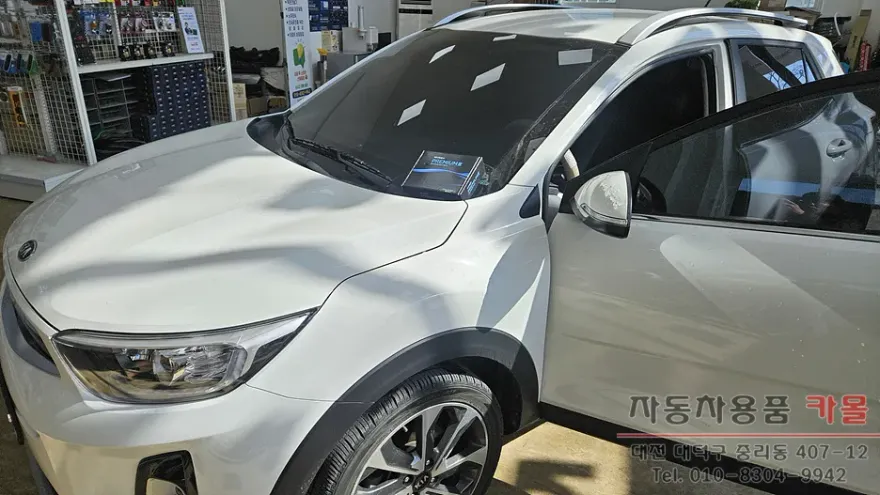
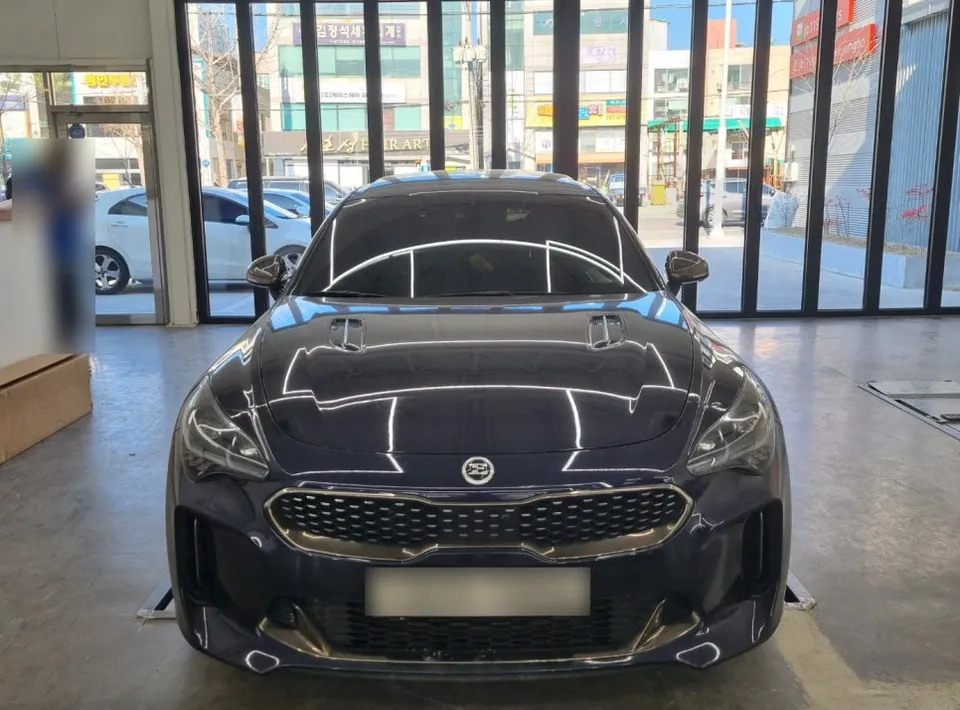
Before
After

Process photos
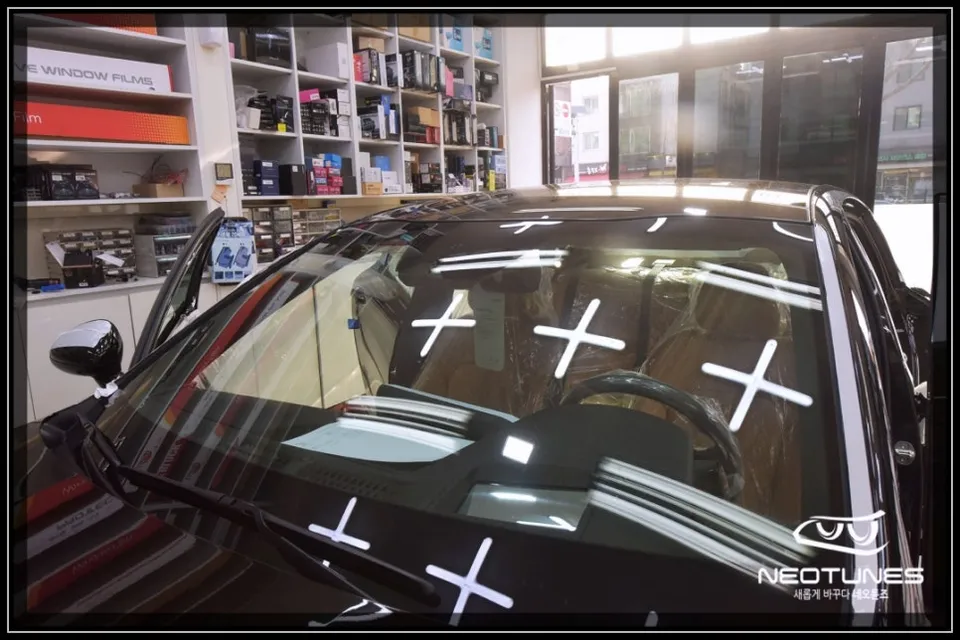
Kia K5 DL3 window tinting with reflective film in Yongin. Offers good heat rejection and style at a cost-effective price.
Choosing the Right Window Film for Your Kia K5 DL3
As summer approaches, car owners are increasingly seeking professional window tinting services. Whether you're looking to upgrade your new Kia K5 DL3 or replace old film, selecting the right window film is crucial. It's not just about aesthetics; the film's performance directly impacts interior temperature, UV protection, and even nighttime visibility. Understanding these factors will help you make an informed decision for your vehicle.
Key Considerations: Heat Rejection and Tint Darkness
When selecting window film, prioritize its heat rejection capabilities. While most films offer basic UV protection, the efficiency in blocking solar heat varies significantly. For vehicles like the Kia K5 with large glass surfaces, a film with superior heat rejection is essential. Reflective films, containing metallic elements, directly bounce away solar heat, while non-reflective films absorb and re-emit it. Choosing between them depends on your priorities. For the Kia K5 DL3, considering a reflective film like Label Block Bless offers a good balance of performance and value, often chosen by drivers in the Yongin area.
Film darkness, often referred to by "national standards" (around 25-30% for the front windshield and 10-15% for sides/rear), needs careful consideration. Modern sedans like the Kia K5 often have darker factory tint on their windows. Therefore, applying the "national standard" might result in a darker appearance than expected. It's best to consult with a professional installer who can assess your car's specific tint levels and your personal preferences to determine the optimal darkness for your K5.
Reflective vs. Non-Reflective Window Film
The primary difference lies in their technology and appearance. Reflective window films contain metallic particles that directly reflect solar heat, offering excellent thermal insulation and a variety of aesthetic color options (blue, gold, green). This can add a stylish, customized look to your Kia K5. However, be aware that in some regions, the metallic content might interfere with radio signals or GPS. Non-reflective films, on the other hand, use carbon or ceramic materials to absorb and dissipate heat. They offer a more natural, black appearance without concerns about signal interference and are often more budget-friendly.
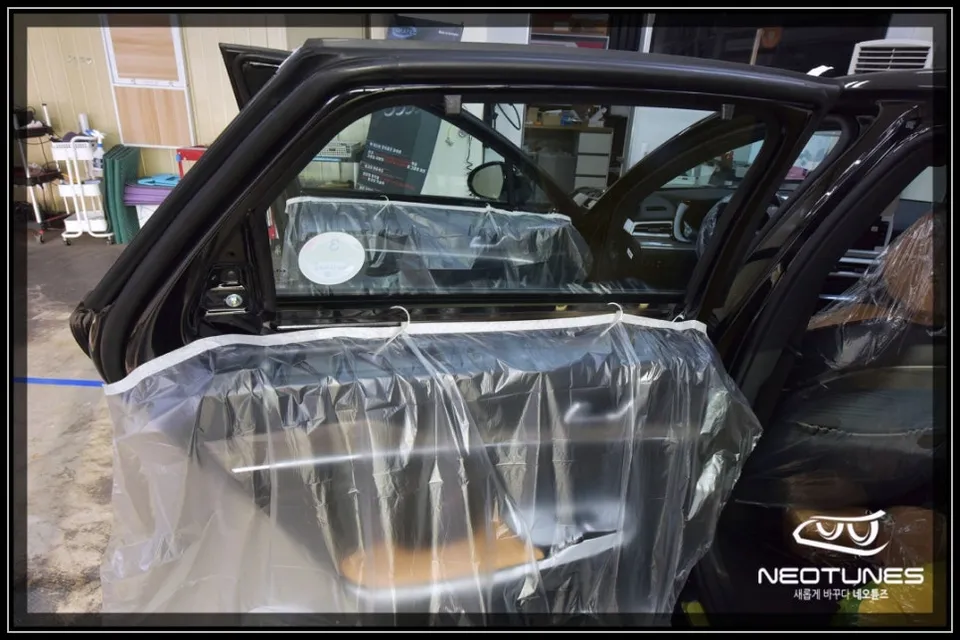
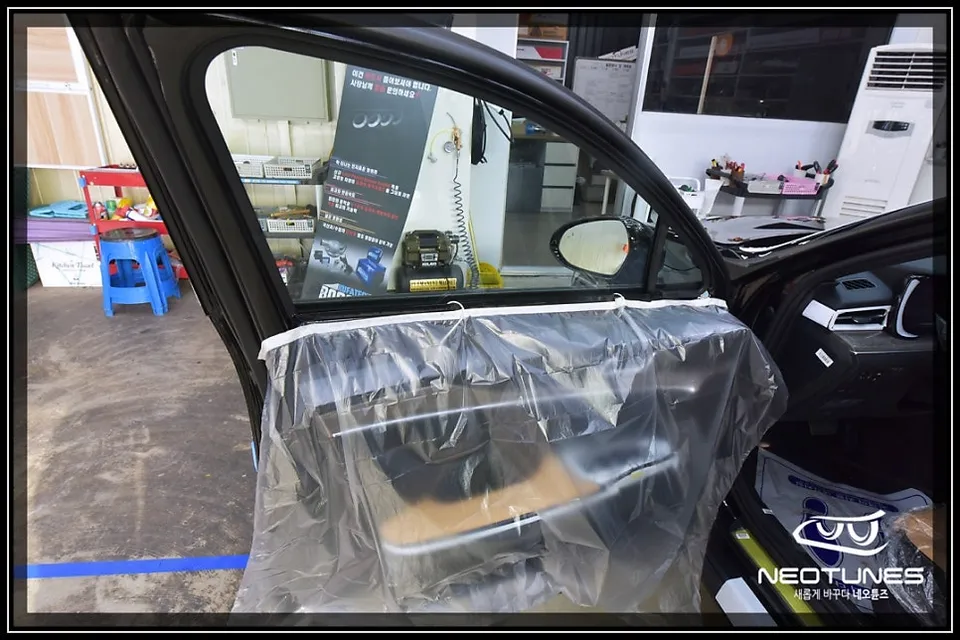
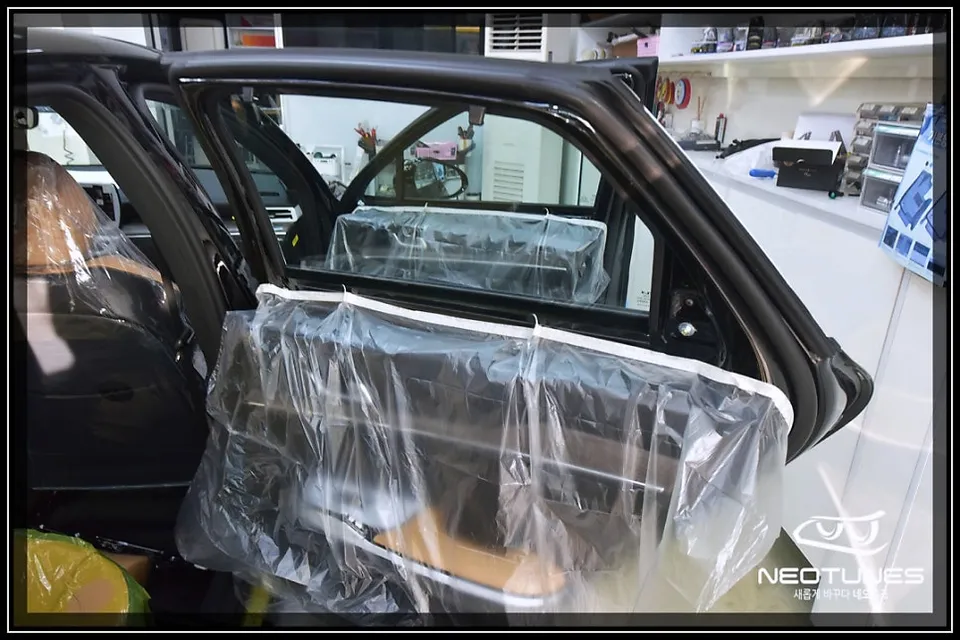
Installation process:
- Thorough Cleaning: The window surfaces are meticulously cleaned to remove all dirt, dust, and debris, ensuring optimal adhesion.
- Precise Cutting: The chosen window film is precisely cut to match the exact dimensions of each window.
- Application: The film is carefully applied to the interior of the glass, using specialized tools to smooth out any bubbles or imperfections.
- Curing: The tint needs time to cure and bond fully with the glass, typically taking a few days.
Frequently Asked Questions
Q. How much does window tinting cost for a Kia K5 DL3?
The cost for this specific reflective film installation on the Kia K5 DL3 was a cost-effective option in Yongin. Typical professional window tinting services in the US can range from $200 to $600 depending on the vehicle and film type.
Q. What tint percentage is legal for a Kia K5 DL3?
Legal tint percentages vary by state in the US; it's crucial to check local regulations. Proper installation ensures the tint adheres well and lasts for many years with minimal maintenance, such as avoiding rolling down windows for the first few days.
Q. Is ceramic tint worth the extra cost for a Kia K5 DL3?
Ceramic tint offers superior heat rejection and UV protection without metallic interference, making it ideal for those prioritizing maximum comfort and longevity. While more expensive, it provides excellent long-term value for drivers seeking the best performance.
Q. How is window tint installed on a Kia K5 DL3?
Installation begins with thoroughly cleaning the glass surfaces. Next, the window film is precisely cut to fit each window. Finally, the film is applied to the interior of the glass using specialized tools to ensure a smooth, bubble-free finish and then allowed to cure.
Q. What is the difference between ceramic and dyed window tint for a Kia K5 DL3?
Ceramic tint uses non-conductive ceramic particles for heat rejection without signal interference, offering superior performance and durability. Dyed tint uses a layer of dye to absorb heat and reduce glare, is more affordable, but can fade over time.
Today's Car
More window tinting Reviews
See all →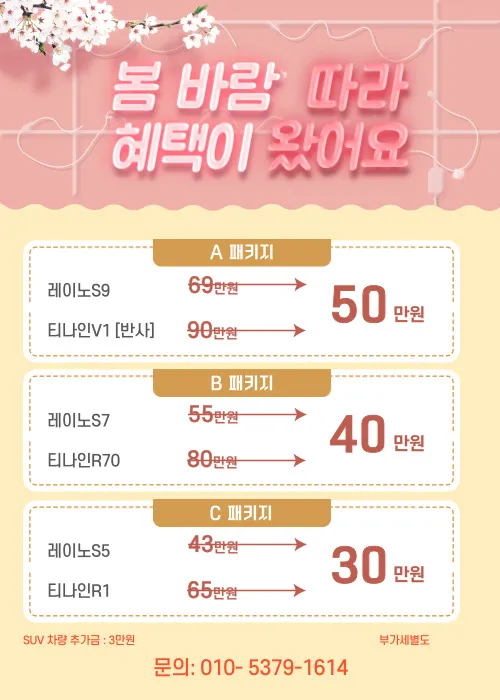


More Kia Reviews


Pair with Another Service
Protect paint while you're at the shop
Add gloss and protection