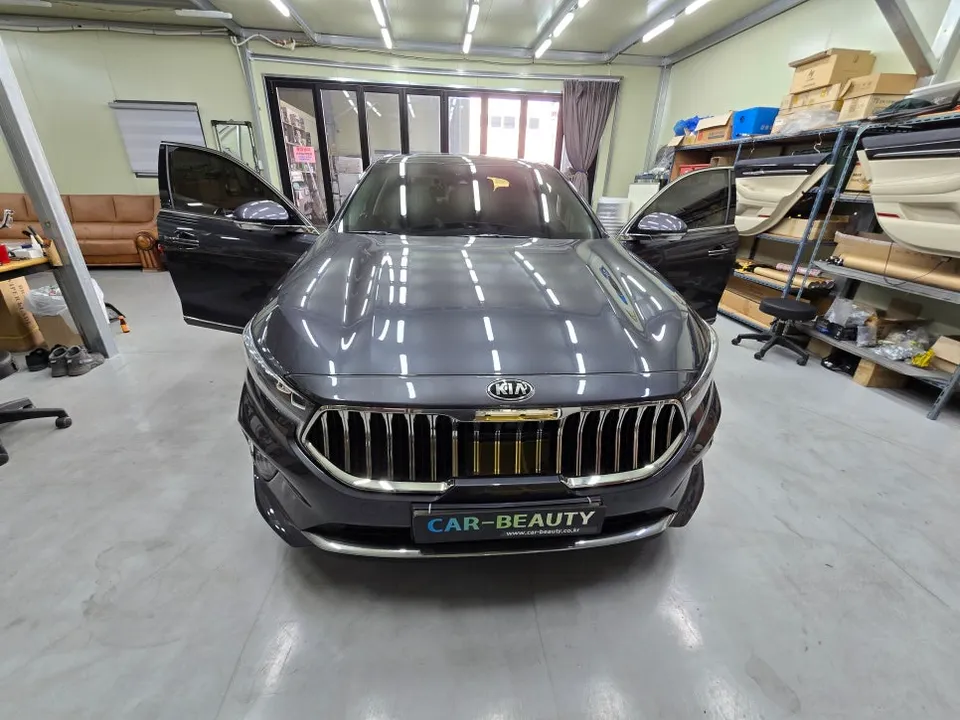
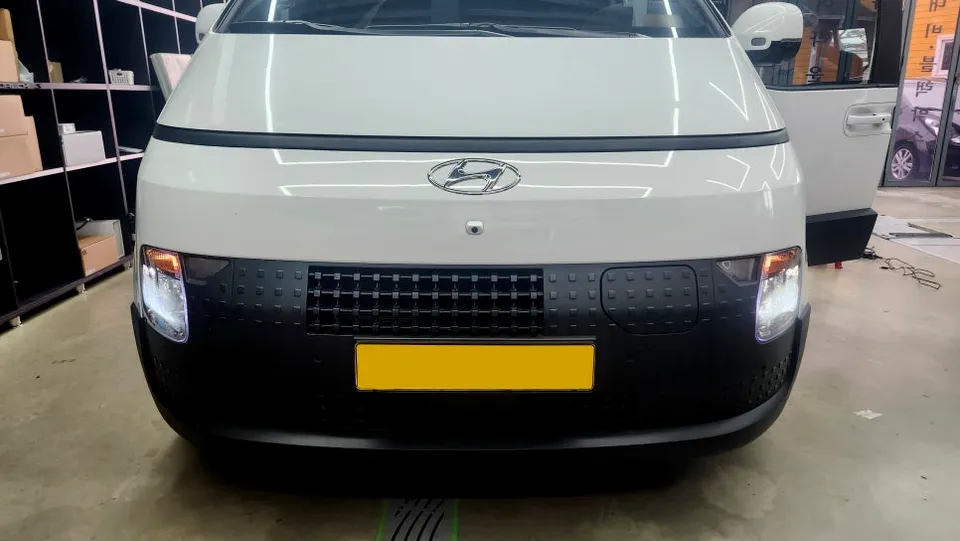
Kia K8 GL3 Lighting Upgrade Review — Sequential Turn Signals
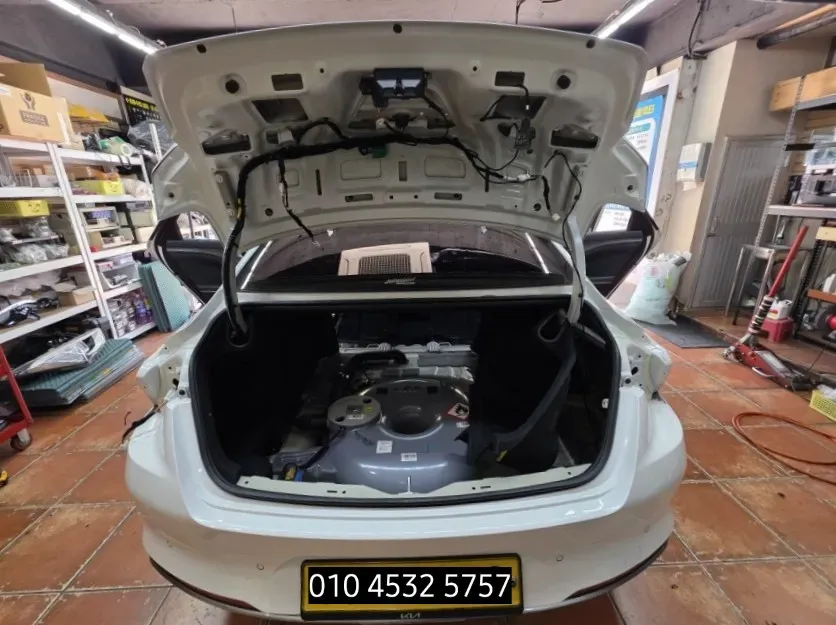
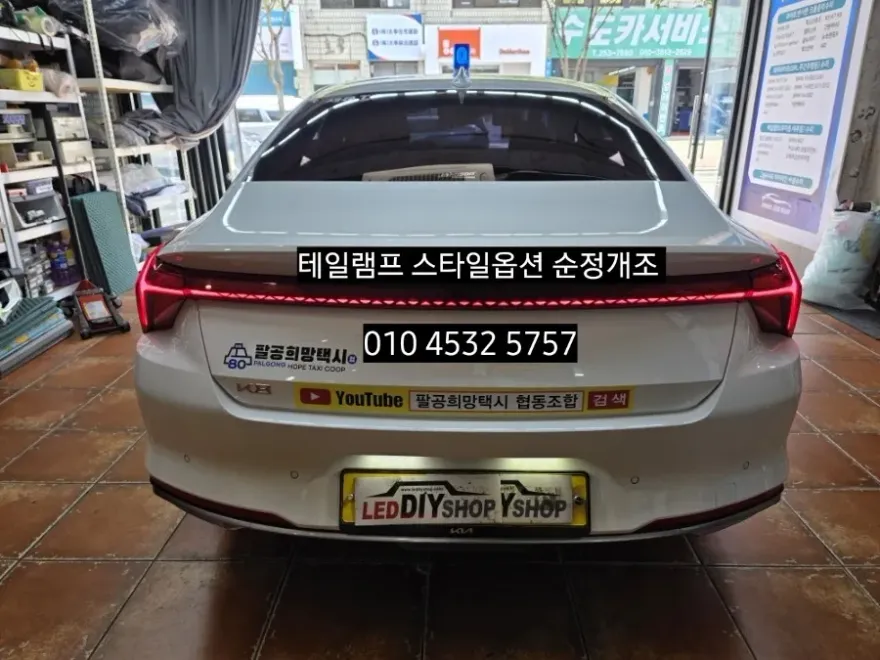
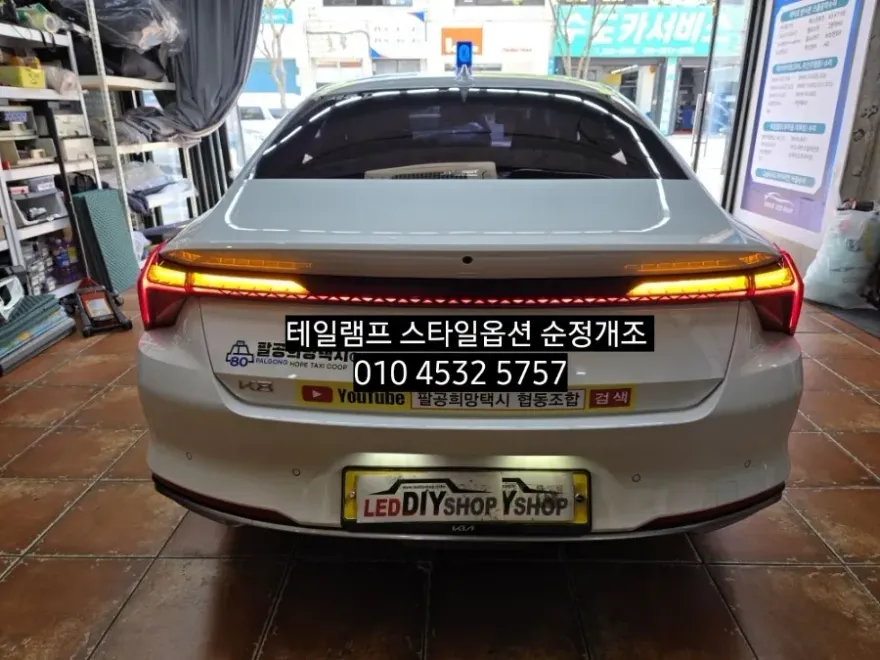
Kia K8 GL3 sequential LED tail light upgrade: Cost-effective using used parts. Enhances rear aesthetics with dynamic turn signals.
Upgrade Your Kia K8 GL3 with Sequential LED Tail Lights
Many Kia K8 GL3 owners find the stock turn signal illumination a bit underwhelming. This is especially true for those who opted out of certain style packages or drive models where advanced lighting isn't standard. Fortunately, a popular modification involves upgrading the tail light turn signals to a sequential, dynamic LED style. This review explores a real-world installation, focusing on the process, cost-effectiveness, and the visual transformation it brings to the rear of the K8 GL3.
Cost-Effective Upgrade Using Used Parts
While new parts are always an option, the market for used components for the Kia K8 GL3 is quite active. This allows for a more budget-friendly approach to upgrading your lighting. By utilizing quality used parts, you can significantly reduce the overall cost compared to purchasing brand-new components. While used parts might show minor signs of wear, reputable installers carefully select high-quality items that are in excellent condition and fully functional, ensuring the aesthetic and performance are not compromised. This approach makes advanced lighting features more accessible.
The Importance of Professional Installation
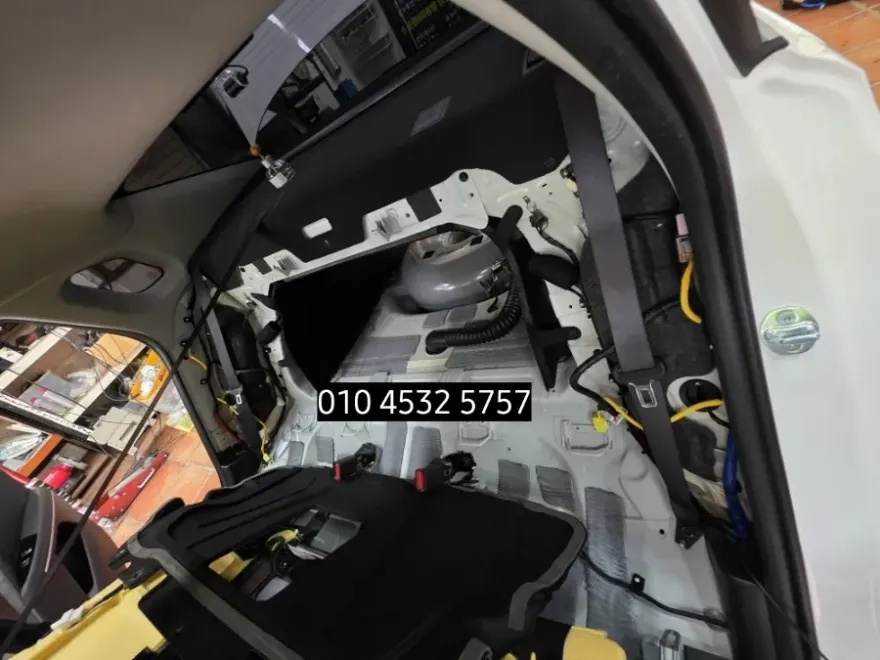
The key to a successful and safe lighting upgrade, whether it's an LED headlight upgrade or a taillight upgrade, lies in the quality of the wiring. A meticulous and factory-like wiring job is crucial for both the appearance and the reliability of the system. Sometimes, this process requires removing entire seat sections to access the necessary wiring harnesses. This isn't just about aesthetics; it's about ensuring electrical integrity, preventing potential issues, and guaranteeing the stable operation of your new sequential LED lights. A professional installation ensures that the upgrade integrates seamlessly with your vehicle's existing electrical system.
Installation Process:
- Careful removal of existing tail light assemblies.
- Integration of new sequential LED modules and wiring harnesses.
- Meticulous routing and connection of all wires to match factory standards.
- Testing of all functions, including sequential turn signals and hazard lights.
- Reassembly and final inspection.
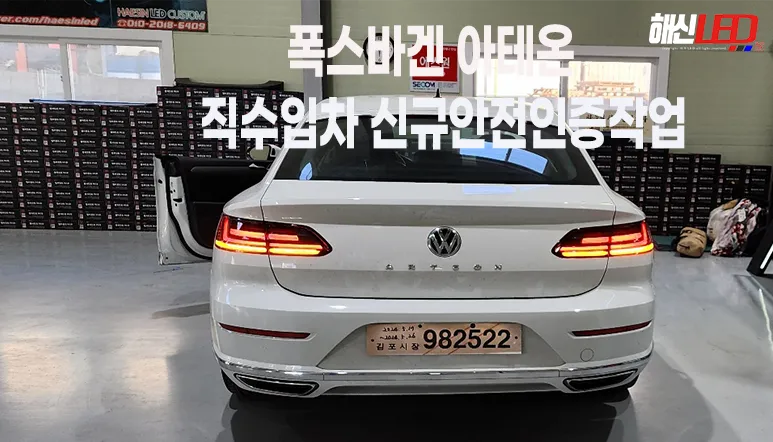
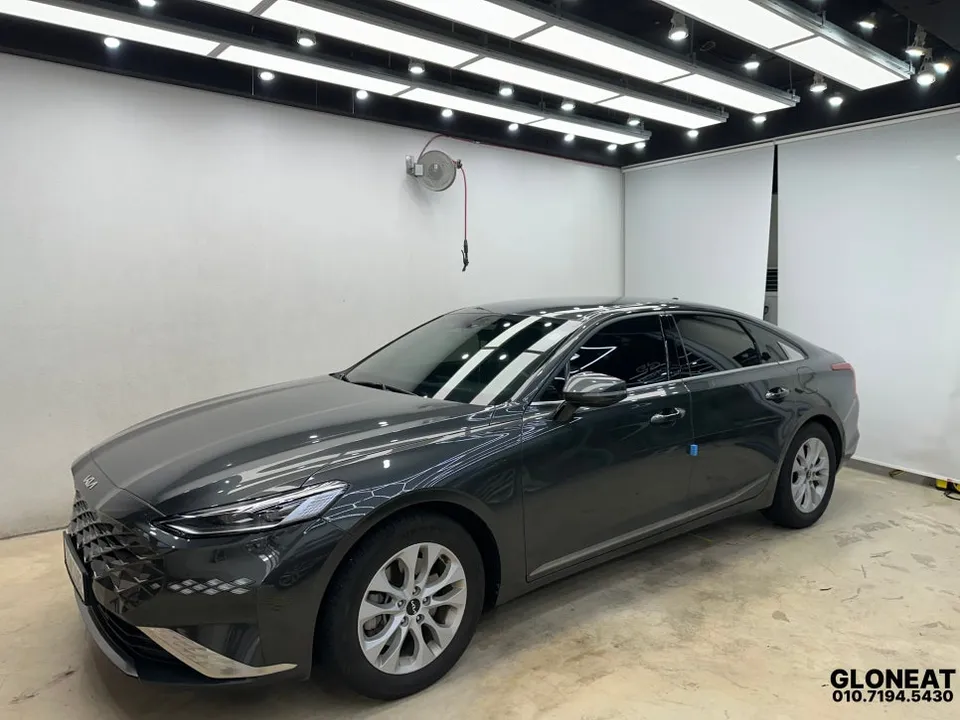
The result is a dynamic, sequential turn signal that enhances the K8 GL3's rear profile, making it look more modern and premium. When the hazard lights are activated, both tail lights illuminate fully, just like the factory setup, ensuring safety and compliance.
Frequently Asked Questions
Q. How much does an LED lighting upgrade cost for a Kia K8 GL3?
The cost for this specific sequential LED tail light upgrade on a Kia K8 GL3, utilizing used parts, was significantly reduced. While exact figures vary, similar upgrades in the US can range from $300 to $800 depending on the parts and labor involved.
Q. How long do aftermarket LED headlights last on a Kia K8 GL3?
Quality aftermarket LED lighting components typically last between 10,000 to 20,000 hours of use, often outlasting traditional halogen bulbs. Regular cleaning of the lenses and ensuring proper ventilation can help maximize their lifespan.
Q. Is an LED lighting upgrade worth it for a Kia K8 GL3?
An LED lighting upgrade is most worth it for Kia K8 GL3 owners seeking a more modern and premium aesthetic for their vehicle's rear. The enhanced visual appeal and dynamic turn signal function offer significant value for those who find the stock lighting lacking.
Q. How is an LED lighting upgrade installed on a Kia K8 GL3?
Installation involves carefully removing the original tail lights, integrating the new sequential LED modules, and meticulously connecting all wiring to factory standards. This ensures both a clean look and reliable operation of the new lighting features.
Q. What is the difference between HID and LED headlights for a Kia K8 GL3?
LED headlights offer instant illumination, superior energy efficiency, and a longer lifespan compared to HID (High-Intensity Discharge) systems. While HID lights provide bright light, LEDs are generally considered the more advanced and durable lighting technology for modern vehicles.
OhCar Partner Shop