Kia K900 Steering Wheel Customization Review
Service Price
$40–80
Estimated price · Actual price may vary by shop
Before
After
Process photos
Kia K900 steering wheel customization: Costs vary, from basic wraps ($40-$80) to full replacements (approx. $220-$440+). Enhances luxury and feel.
Why Upgrade Your Kia K900 Steering Wheel?
Many Kia K900 owners consider upgrading their steering wheel for a more refined and comfortable driving experience. The appeal lies in both enhanced aesthetics and improved ergonomics. While the original steering wheel is functional, a custom option can significantly elevate the interior's luxury feel, making each drive more enjoyable. This review delves into the specifics of steering wheel customization for the K900, covering what to expect in terms of cost, installation, and the tangible benefits.
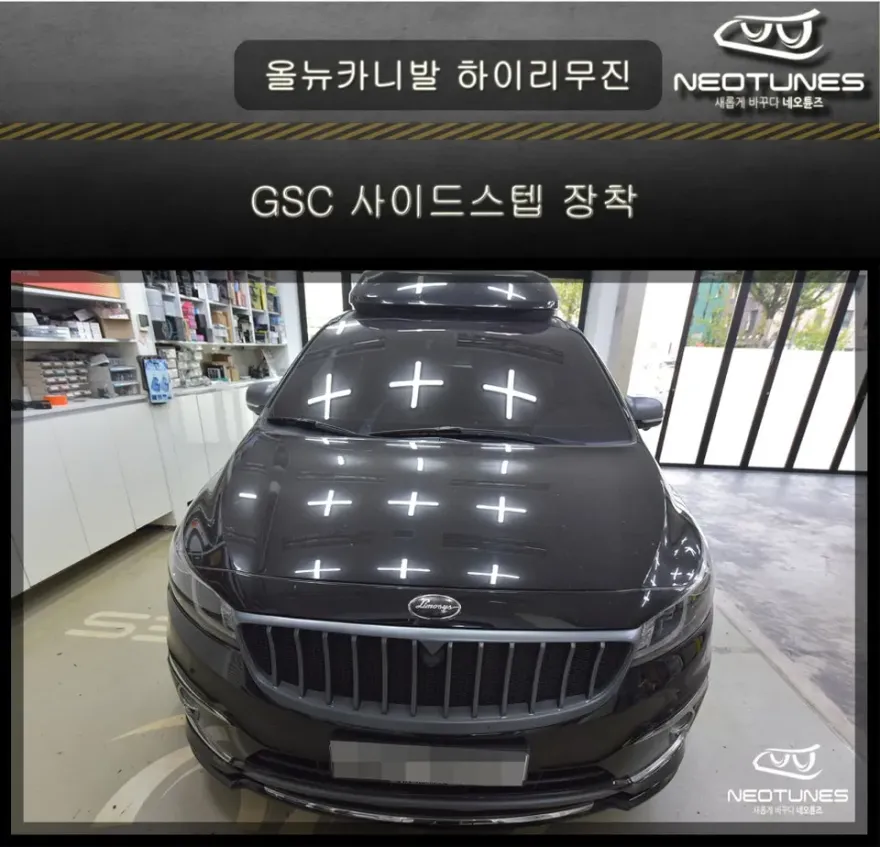
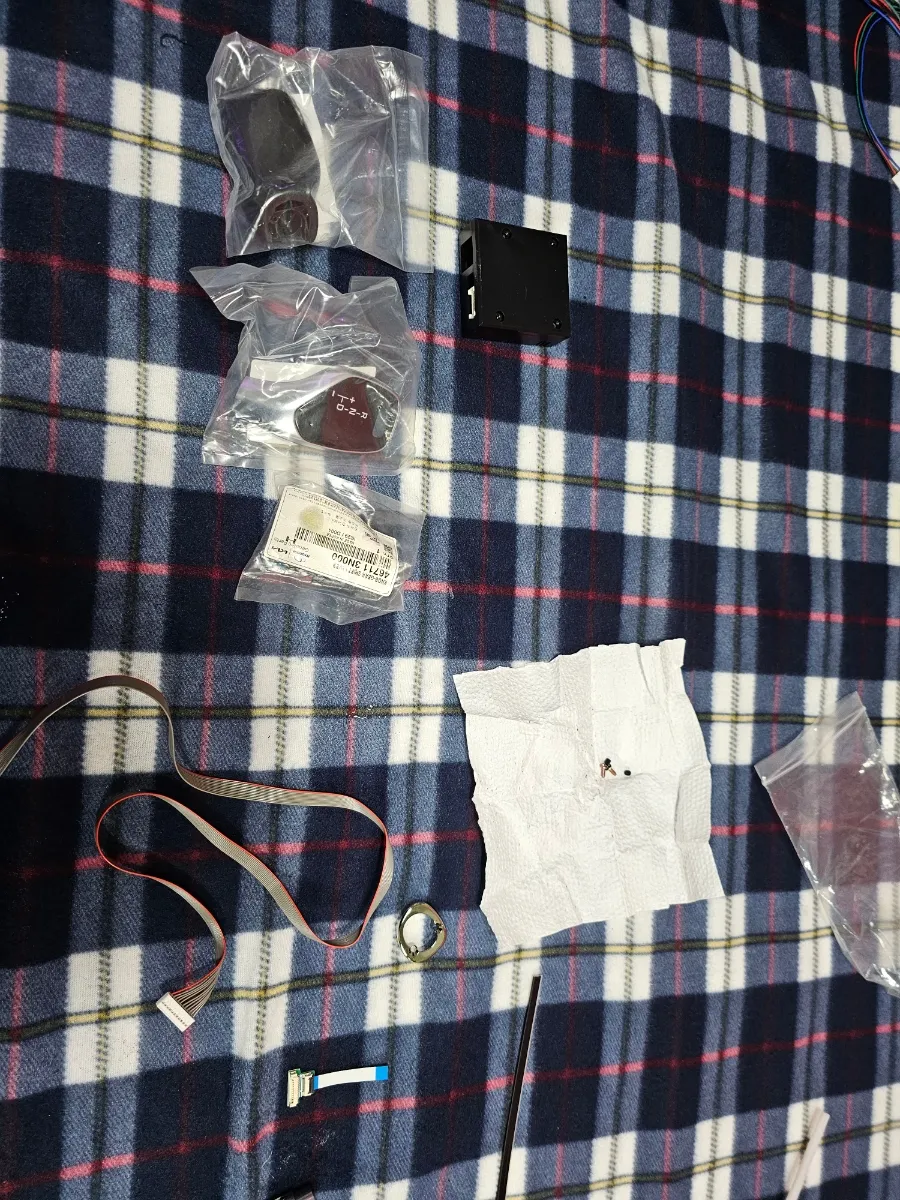
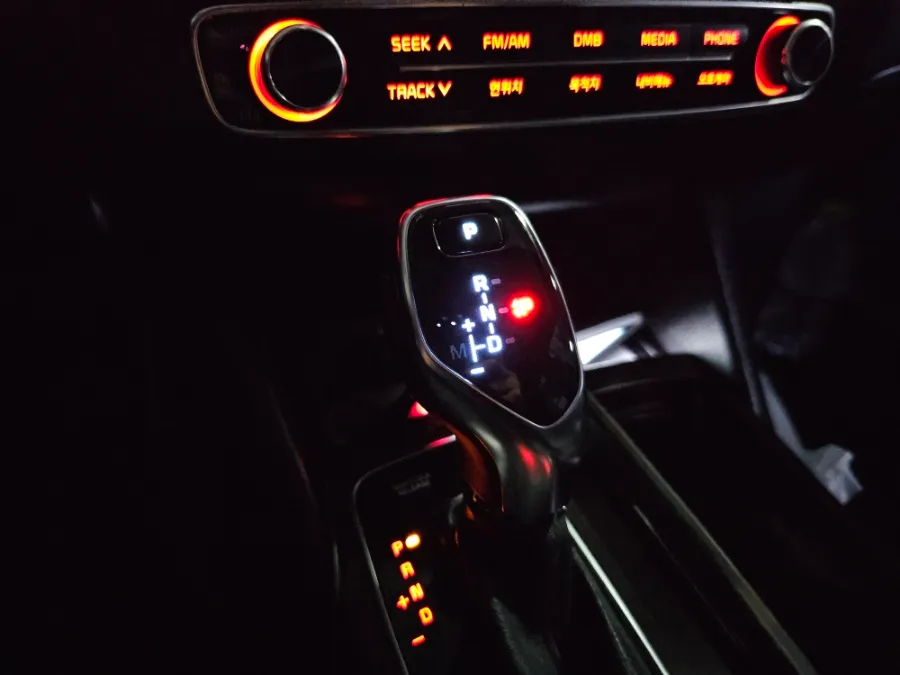
The Appeal of Customization: Beyond just looks, a custom steering wheel can offer a superior grip and feel. For instance, switching to materials like Alcantara or premium leather can transform the tactile experience. The Korean context for this upgrade often involves replacing the standard wheel with a design inspired by luxury models, such as the 'Equus gear knob' style, which emphasizes a push-button operation for a sleeker, more modern interface. This isn't just about aesthetics; it's about refining the interaction with a core part of your vehicle.
[IMAGE_1]
Installation Process and Considerations
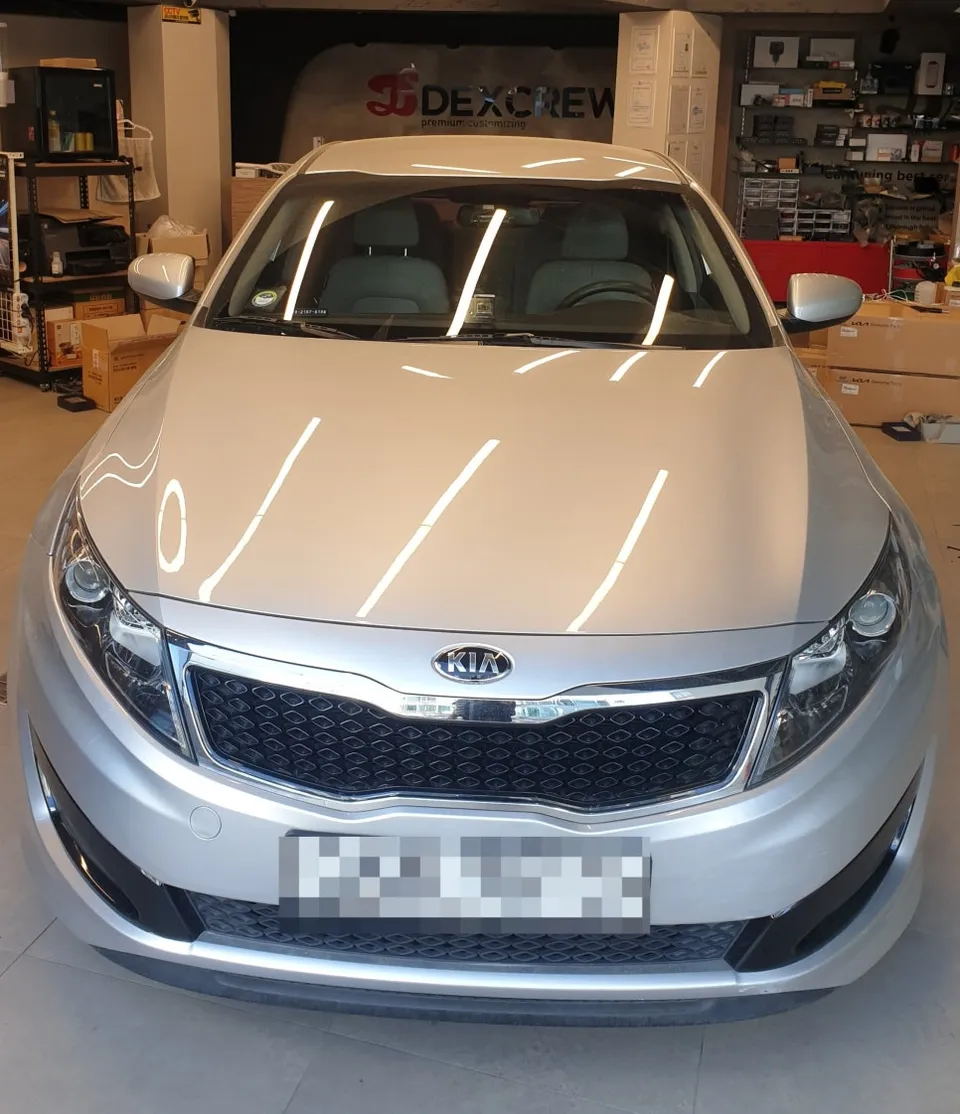
The installation of a custom steering wheel, particularly the type inspired by luxury models, can be more involved than a simple wrap. While attaching the physical wheel might seem straightforward, the critical aspect often lies in the wiring. In the Korean context, specialized shops emphasize meticulous wiring to prevent disconnections and ensure a clean, safe integration. This attention to detail is paramount for the longevity and safety of the upgrade.
Installation Process:
- Initial Assessment: The vehicle is inspected to determine the specific type of custom steering wheel (e.g., push-button vs. push-button/actuator combo) and any necessary modules.
- Wiring Integration: Specialized wiring is carefully routed and connected to the vehicle's systems, ensuring secure connections and proper functionality of all controls.
- Physical Installation: The new steering wheel is mounted onto the steering column.
- Testing and Finishing: All functions are tested to ensure they operate correctly, and the installation is completed with a final check for fit and finish.
Key Considerations: The quality of the wiring work is a major determinant of satisfaction. Opting for a lower price might compromise the expertise of the installer, potentially leading to issues down the line. It's crucial to choose a reputable installer who prioritizes safety and quality.
[IMAGE_2]
[IMAGE_3]
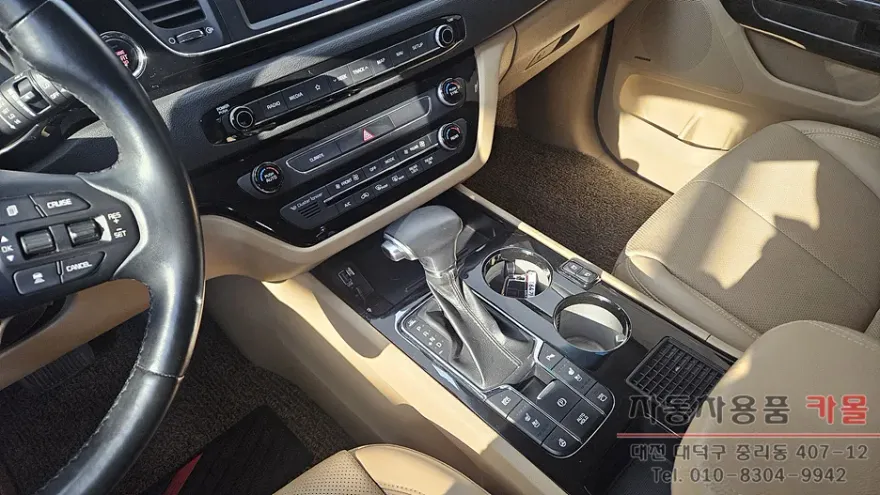
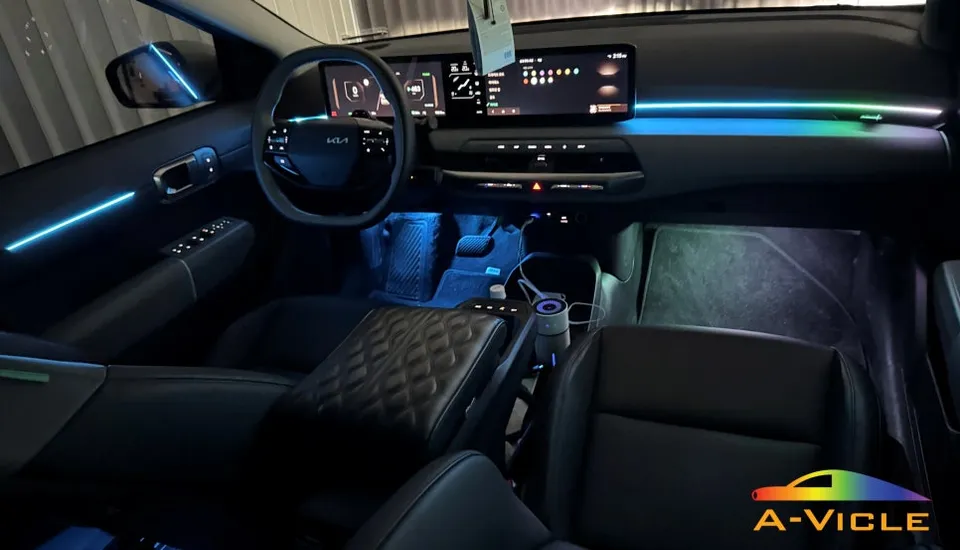
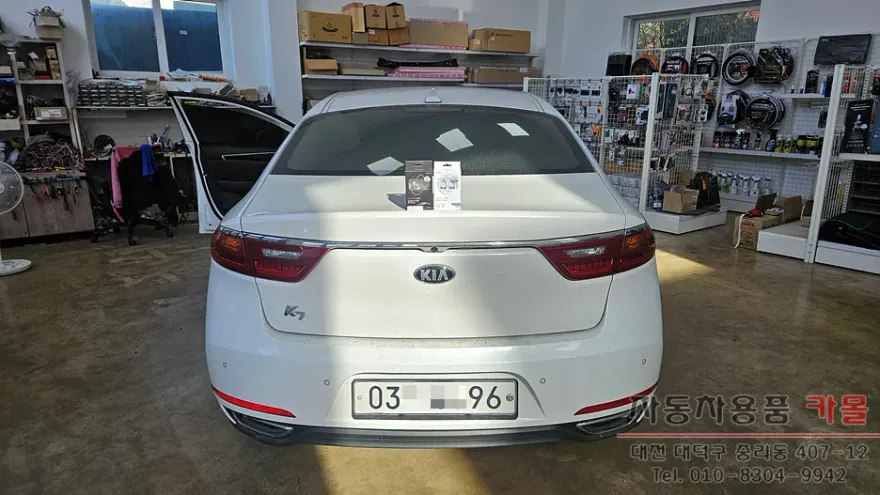
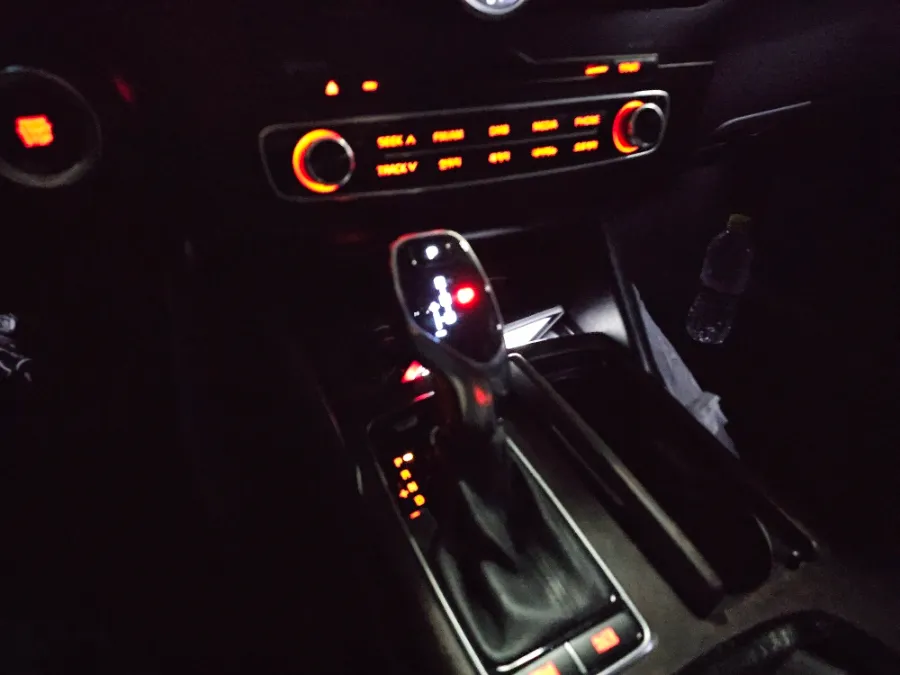
There are typically two main types of custom steering wheels: a push-button type and a combined push-button/actuator type. These variations affect the price, so it's advisable to decide which you prefer before the installation begins. The example shown here features the convenient push-button type.
[IMAGE_4]
Cost, Durability, and Making the Decision
The cost for steering wheel customization on a Kia K900 can vary. In the Korean market, prices typically range from approximately 300,000 to 600,000 KRW (roughly $220-$440 USD, depending on exchange rates), depending on the chosen steering wheel type and any integrated modules. While the provided US price range is $40-$80, this likely refers to a simple steering wheel cover or wrap, not a full replacement or specialized modification like the one discussed from the Korean context. For a full custom steering wheel installation as described, expect costs to be significantly higher than a basic wrap.
Durability and Maintenance: Custom steering wheels, especially those with premium materials like Alcantara or high-grade leather, require specific care. Alcantara, while luxurious, can wear over time with heavy use and may require specialized cleaning products. Leather is generally more durable but can also benefit from regular conditioning to prevent drying and cracking. The longevity of the installation also depends heavily on the quality of the initial wiring and fitting.
Is it Worth It?: For Kia K900 owners seeking a significant upgrade in interior luxury and driving feel, a custom steering wheel can be a worthwhile investment. It transforms a primary touchpoint in the vehicle, offering a more premium experience. However, it's essential to weigh the cost against the perceived benefits and to ensure the installation is performed by a skilled professional to guarantee safety and satisfaction.
Frequently Asked Questions
Q. How much does steering wheel customization cost for a Kia K900?
Basic steering wheel wraps in the US can range from $40-$80. More involved custom steering wheel installations, like those seen in the Korean market with specialized designs, can cost upwards of 300,000-600,000 KRW (approx. $220-$440+ USD).
Q. How long does steering wheel wrapping or replacement take on a Kia K900?
A full custom steering wheel installation, including wiring, can take approximately 3-4 hours. Proper maintenance, such as conditioning leather or cleaning Alcantara with appropriate products, will help ensure its durability.
Q. Is a custom steering wheel worth it for a Kia K900?
A custom steering wheel is worth it for Kia K900 owners prioritizing a significant upgrade in interior luxury and tactile driving experience. It offers a substantial enhancement to a key interaction point within the vehicle.
Q. How is a custom steering wheel installed on a Kia K900?
Installation involves careful wiring integration to ensure all vehicle functions are maintained, followed by the physical mounting of the new steering wheel. Finally, all controls are tested for proper operation.
Q. What is the difference between an Alcantara wrap and a leather replacement for a Kia K900?
Alcantara offers a suede-like, high-grip feel that is very luxurious but requires careful maintenance, while leather provides a classic, durable, and premium feel that benefits from regular conditioning. For a sporty feel and enhanced grip, Alcantara is often preferred, whereas leather offers a more traditional luxury aesthetic.
OhCar Partner Shop