Kia K900 Window Tinting Review: Cost & Heat Rejection
Service Price
$115–150
Estimated price · Actual price may vary by shop
Before
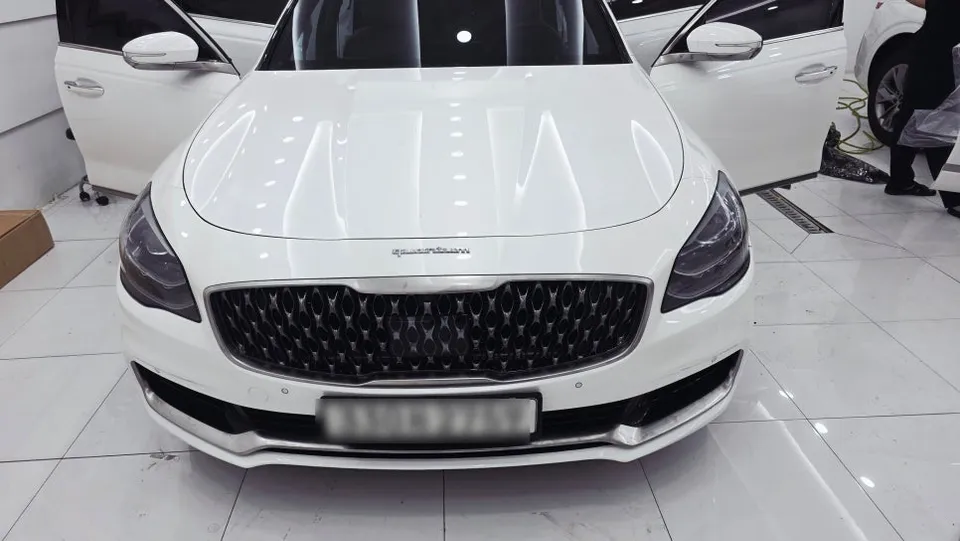
After
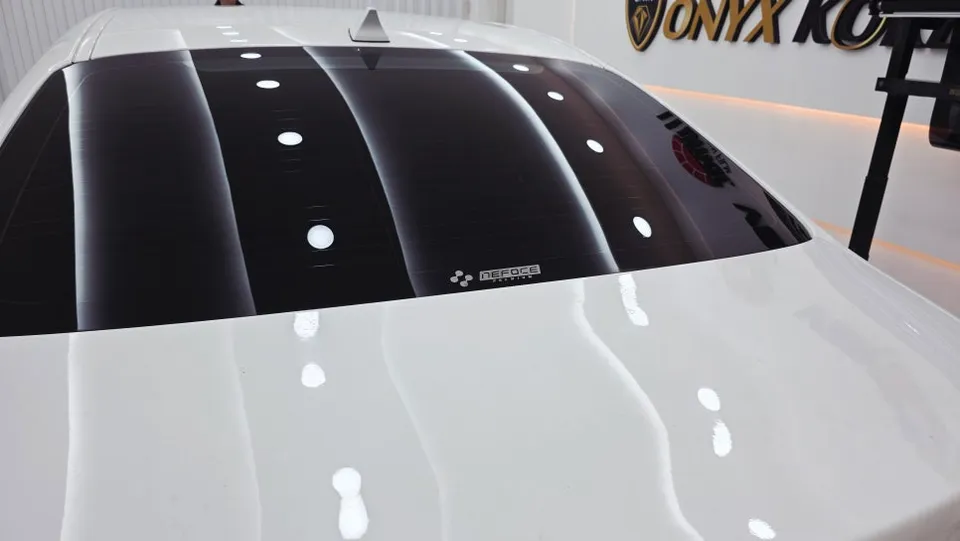
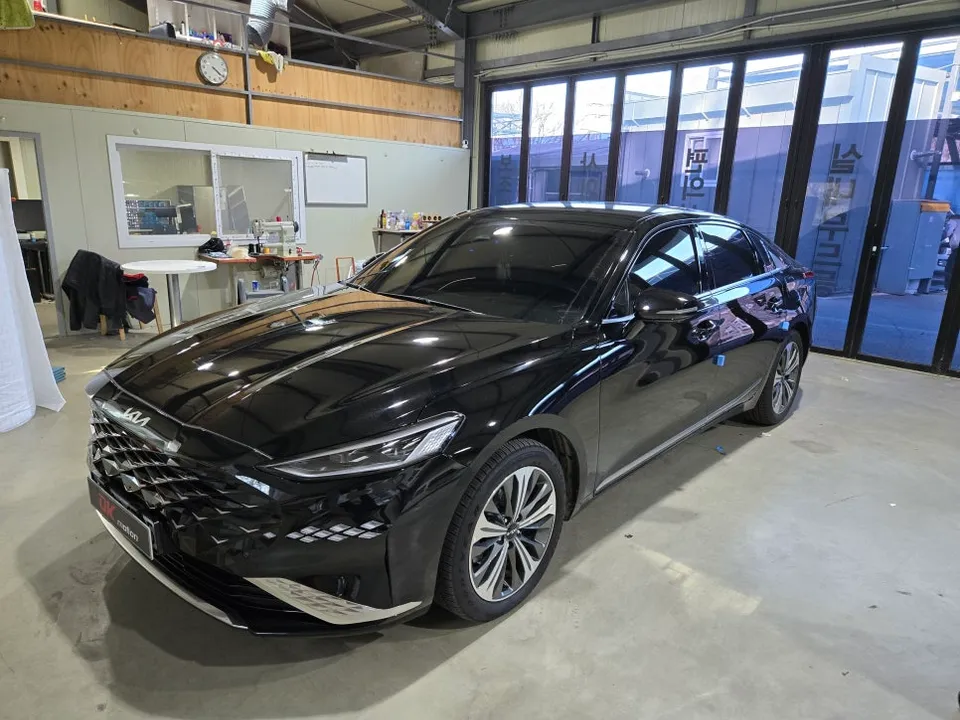
Process photos
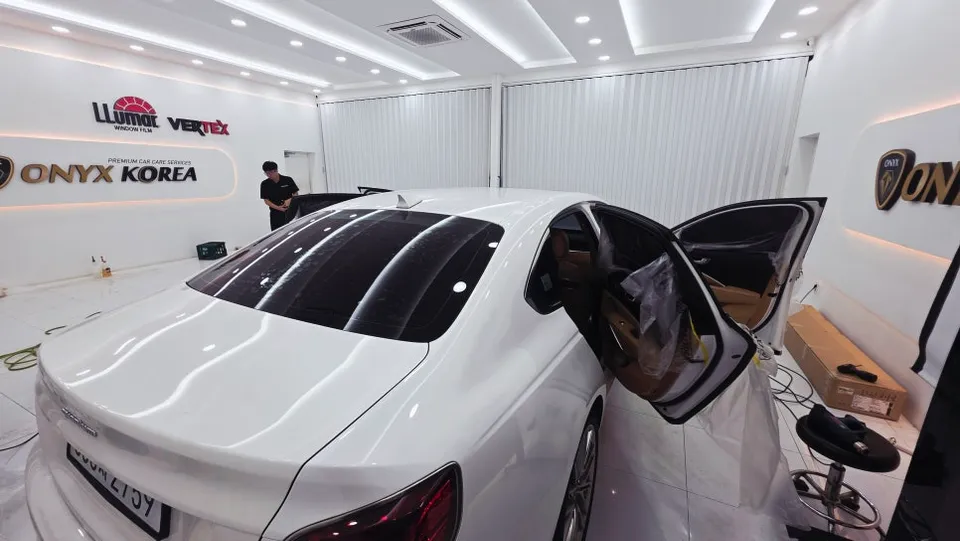
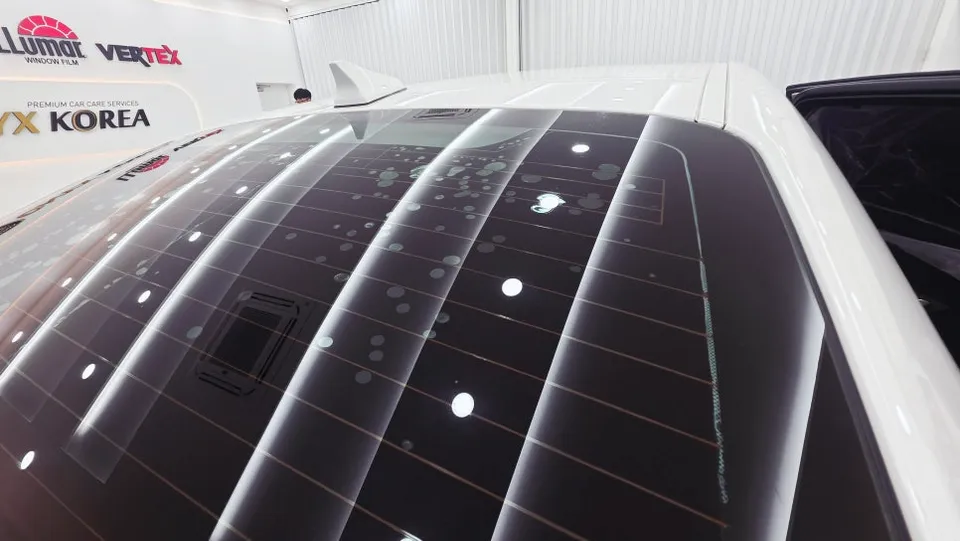
Kia K900 window tinting: ~$115-$150. Fixes bubbling, improves heat rejection & UV protection.
Understanding Kia K900 Window Tint Issues: The 'Bubbling' Phenomenon
Many Kia K900 owners have encountered a frustrating issue on their rear windshields: a bubbly or 'popped' appearance. This common problem often stems from the quality of the initial window tint film. Typically, the coupon films provided with new car purchases are basic dyed products with limited heat-blocking capabilities. Over time, these films can discolor or their adhesive layers harden, leading to the unsightly bubbling effect. This article delves into a real-world Kia K900 re-tinting case to highlight the drawbacks of coupon films and present effective solutions.
Coupon Tint vs. Premium Heat Rejection Film: What's the Difference?
The standard coupon tinting offered with new vehicles is usually a dyed film. While it can block some sunlight, it doesn't effectively stop heat from entering the cabin. In contrast, premium heat rejection films excel at blocking infrared rays, significantly lowering interior temperatures. The Kia K900 owner in this case sought a re-tint not just because of the heat, but primarily because the bubbling on the rear window was too distracting – a classic symptom of low-quality coupon film.
The most frequent issues associated with coupon films include discoloration, excessive heat buildup inside the car, the aforementioned bubbling, and reduced visibility. The rear window is particularly susceptible to these problems because its weaker heat-reflective layer, combined with prolonged sun exposure, can cause the adhesive to harden. Furthermore, coupon tints typically lack a warranty, making it difficult to get replacements if problems arise.
Why Professional Removal is Crucial for Kia K900 Bubbled Tint
When window tint has developed bubbles, its removal becomes a delicate process. The primary concern is damaging the rear defroster lines. The K900's rear windshield has densely packed defroster elements, and aggressive removal can easily sever them. Professional installers first assess the vehicle's condition. Instead of shifting responsibility by saying 'defroster damage is possible,' they offer safe and proven removal methods.
In this specific case, the hardened adhesive left water spots after the old film was removed. Thoroughly cleaning these residues and ensuring a pristine surface is a hallmark of professional installation.
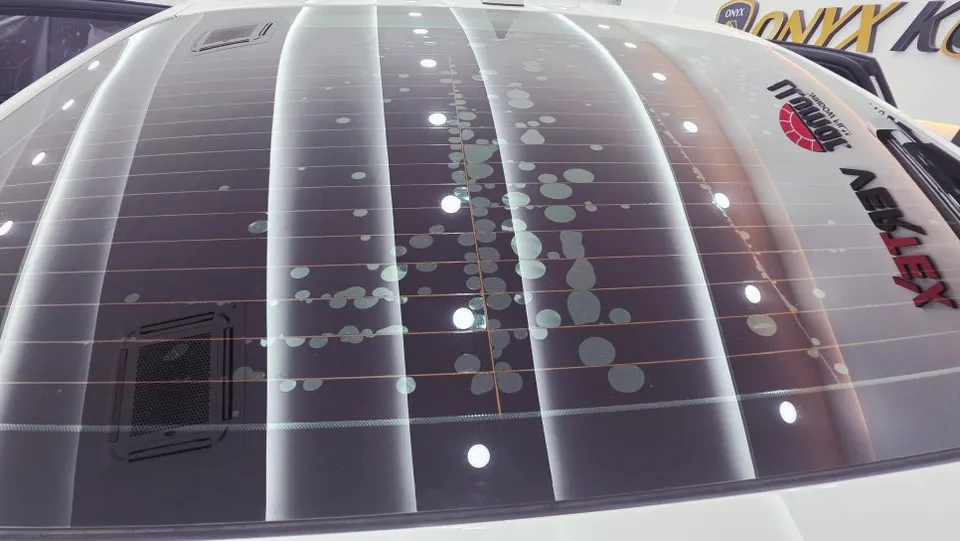
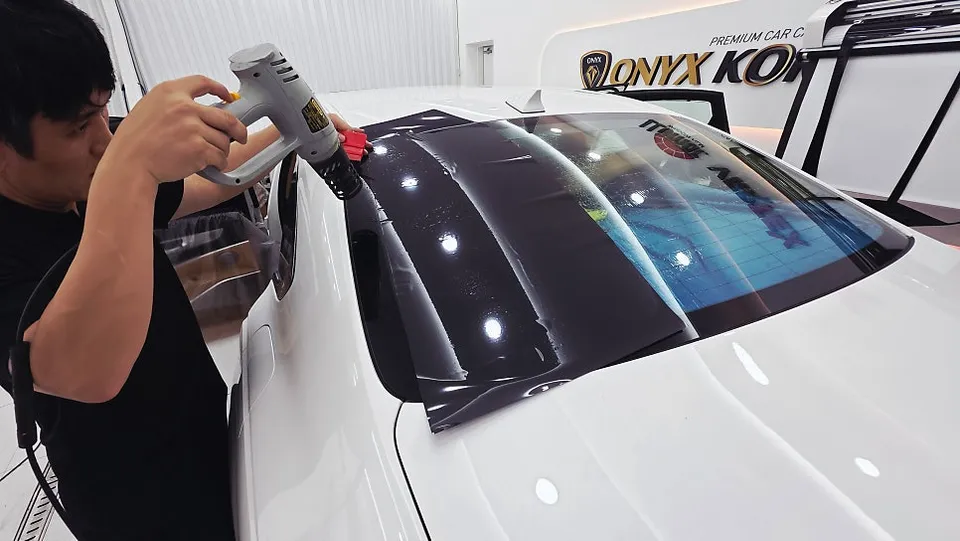
Installing Heat Rejection Window Tint on a Kia K900 Rear Windshield
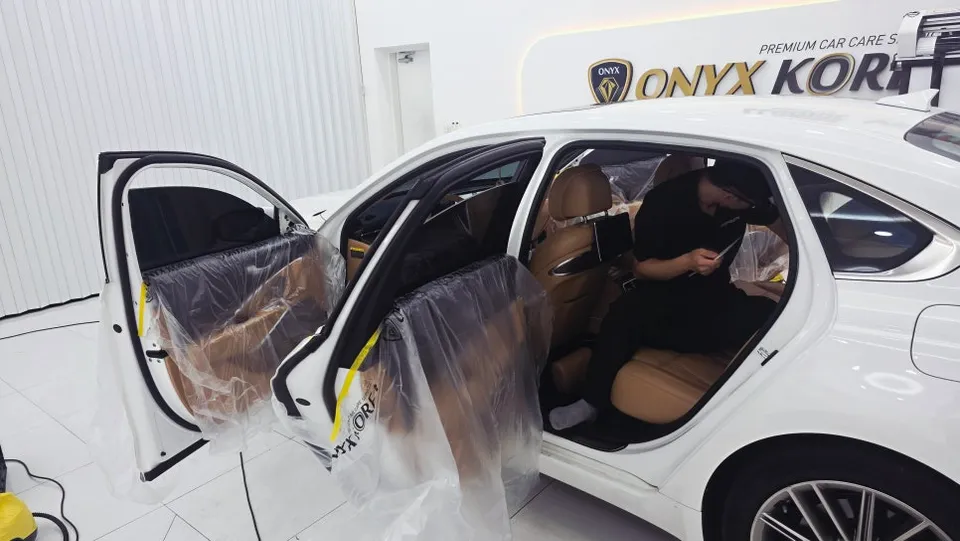
The Kia K900 features a distinct rounded contour on its side windows. This design requires precise film shaping, not just simple application, to prevent lifting at the bottom edge, which can allow dust to enter and compromise the finish.
Installation typically begins with the side windows. The film is accurately molded to match the K900's curves before moving to the rear windshield. At each stage, air bubbles must be meticulously removed, and all moisture expelled to ensure long-lasting adhesion and clarity.
Installation Process:
- Careful removal of old tint and adhesive residue.
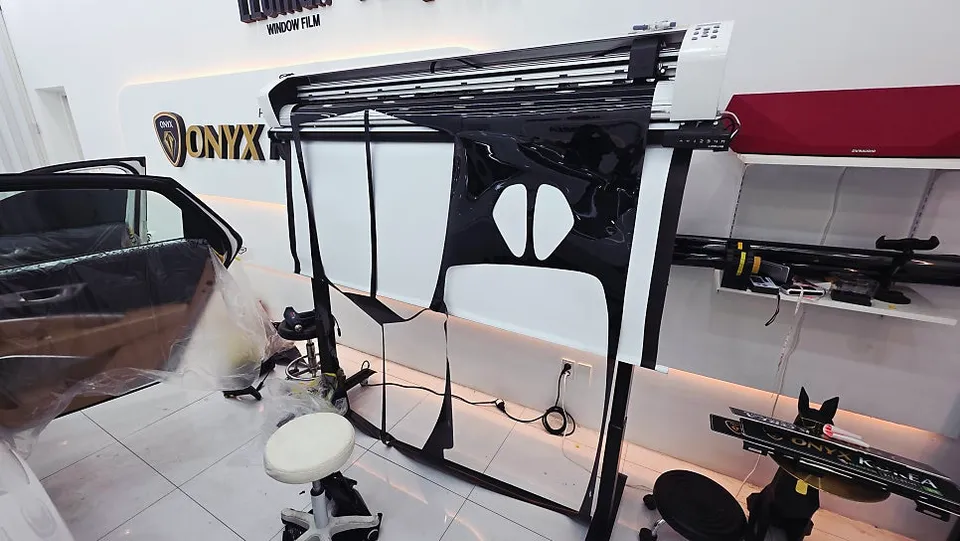
- Precise cutting and heat-molding of new film to match window contours.
- Application of film to the glass, meticulously removing all air and water.
- Final inspection and cleaning for a flawless finish.
Heat Rejection Window Tint Installation Cost and Warranty
For a Kia K900 rear windshield heat rejection tint, the cost typically ranges from ₩800,000 to ₩1,500,000 (approximately $600-$1150 USD). Including the side windows can increase the total to ₩1,200,000 to ₩1,800,000 (approximately $900-$1350 USD). The final price depends on factors like the film's grade (e.g., standard, premium, or specialized like Geolite), the scope of the installation (rear window only vs. full vehicle), and any necessary removal of old tint.
The premium heat rejection film used in this installation comes with a 10-year warranty. Unlike coupon films, this long-term coverage ensures that any future issues can be addressed through replacement. High-quality films generally maintain their appearance and performance for over 5-7 years, and with proper care, can last up to a decade.
Who Should Consider Heat Rejection Window Tint for Their Kia K900?
This type of advanced window tint is ideal for drivers who prioritize interior comfort and protection from the sun's harsh rays. If you frequently park in direct sunlight or live in a hot climate, the enhanced heat rejection capabilities will make a noticeable difference in cabin temperature and reduce the strain on your air conditioning system. It's also a great option for protecting your car's interior from UV damage, preserving leather seats and dashboard materials over time.
Frequently Asked Questions
Q. How much does window tinting cost for a Kia K900?
In Korea, rear window tinting for a Kia K900 can cost between ₩800,000-₩1,500,000 (approx. $600-$1150 USD), with full vehicle tinting ranging from ₩1,200,000-₩1,800,000 (approx. $900-$1350 USD). Typical US pricing for basic tinting can range from $115–$150 for sedans.
Q. How long does Kia K900 window tint last?
Premium heat rejection window films, like those offering 10-year warranties, can last over 5-7 years without discoloration and up to a decade with good maintenance. Regular cleaning with ammonia-free solutions and avoiding abrasive materials will help preserve the tint's clarity and performance.
Q. Is ceramic tint worth the extra cost for a Kia K900?
Ceramic tint is highly recommended for Kia K900 owners seeking superior heat rejection and UV protection, especially in hot climates. It offers significant comfort improvements and protects the interior from sun damage, making it a worthwhile investment for long-term vehicle enjoyment and preservation.
Q. How is window tint installed on a Kia K900?
Installation involves meticulously cleaning the glass, precisely cutting and heat-molding the film to the window's shape, and carefully applying it while removing all air and moisture. For the Kia K900, special attention is paid to its curved windows to ensure a seamless, bubble-free finish that adheres perfectly.
Q. What is the difference between ceramic and dyed window tint for a Kia K900?
Dyed window tint primarily blocks sunlight but allows heat to pass through, often leading to bubbling and discoloration over time. Ceramic tint uses advanced materials to block a significant amount of heat and UV rays without affecting visibility, offering superior performance and durability.
OhCar Partner Shop
More window tinting Reviews
See all →
More Kia Reviews
Pair with Another Service
Protect paint while you're at the shop
Add gloss and protection