Kia Carnival KA4 Body Kit Installation Review
Service Price
$40–80
Estimated price · Actual price may vary by shop
Before
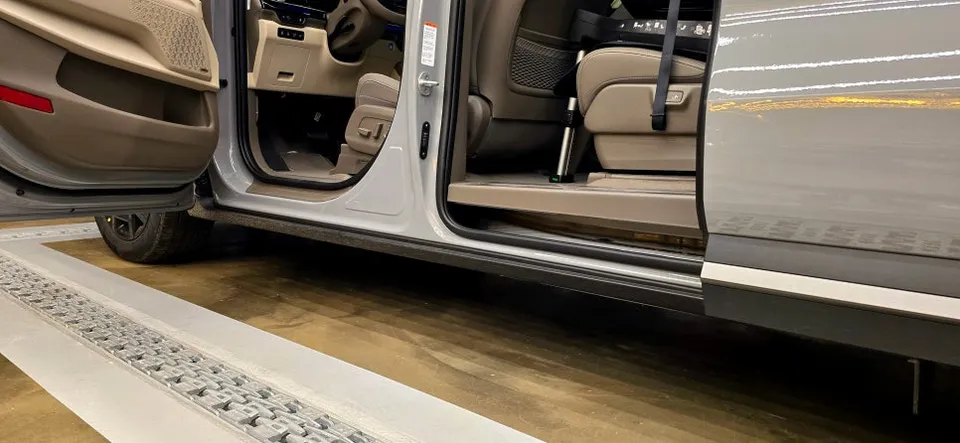
After
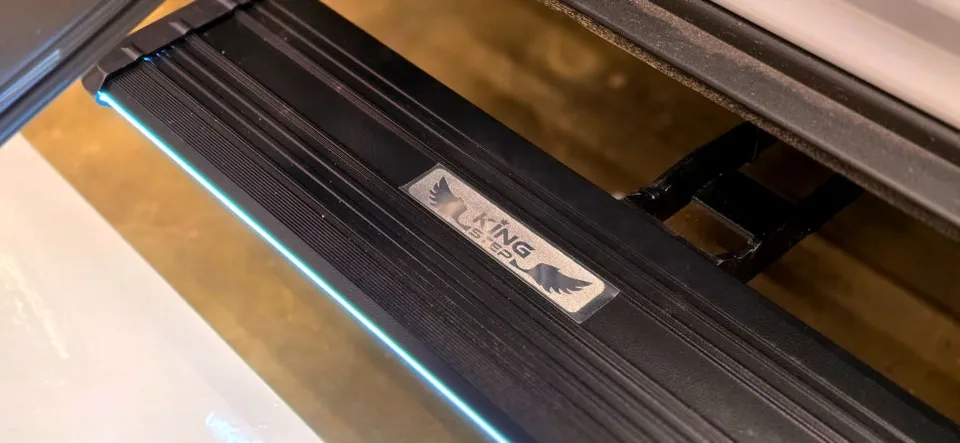
Process photos
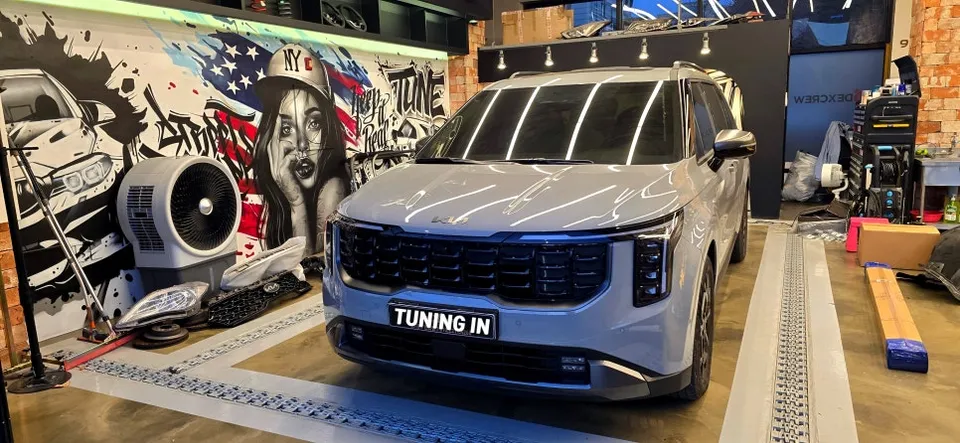
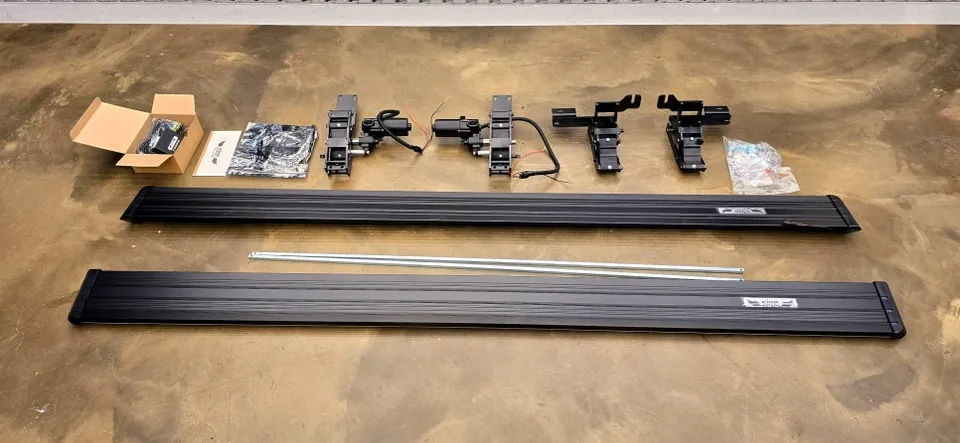
Kia Carnival KA4 body kit installation costs vary. Professional fitting enhances looks and can improve aerodynamics.
Enhancing Your Kia Carnival KA4 with an Aero Kit
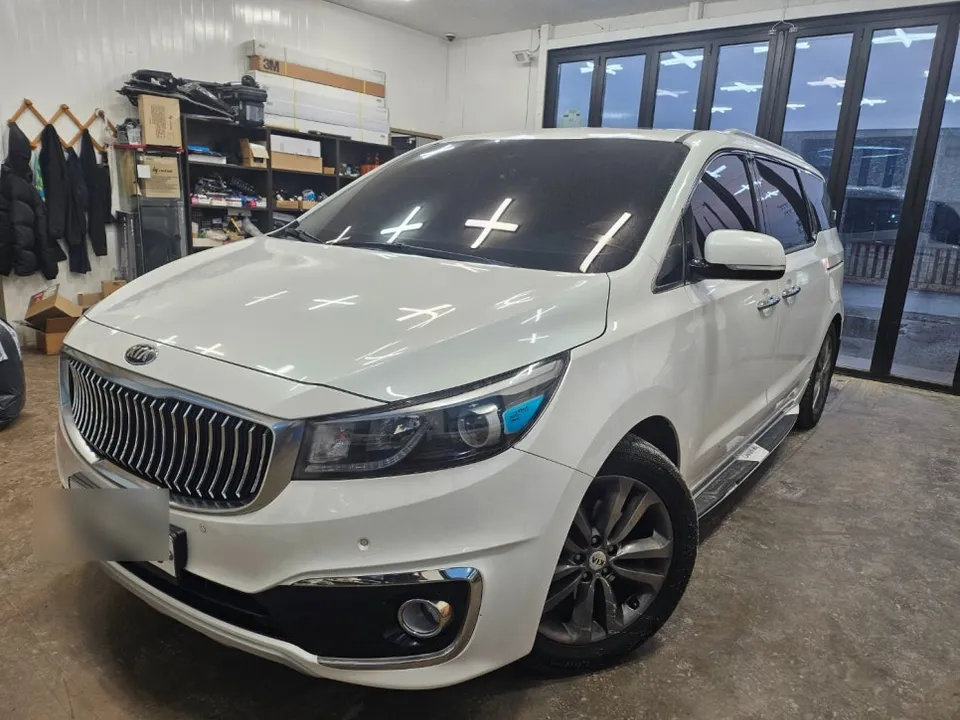
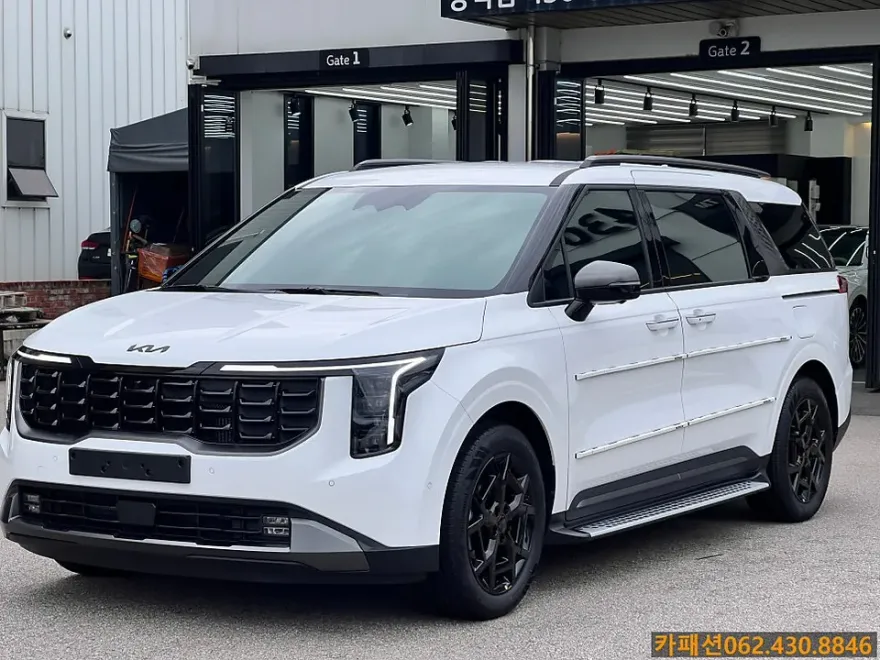
The Kia Carnival KA4, especially in its facelifted iteration, offers a spacious and premium experience. However, its elevated stance can present challenges for younger passengers or seniors during entry and exit. This is where an aftermarket body kit, often referred to as an aero kit, can significantly improve both practicality and aesthetics. While a body kit installation involves costs beyond the initial purchase price, the benefits in terms of convenience and visual appeal are often substantial. This review delves into the specifics of fitting an aero kit to the Carnival KA4, drawing insights from real-world installations.
Understanding Body Kit Costs and Installation
The cost of a body kit for a Kia Carnival KA4 can vary widely depending on the brand, material, and complexity of the kit. While the provided Korean context focuses on electric side steps, the general principles of aftermarket accessory installation apply. For a full body kit, which typically includes front lips, side skirts, and sometimes rear diffusers, you can expect the parts alone to range from a few hundred to over a thousand dollars in the US market. The installation cost is a separate consideration. Professional body kit installation typically involves precise fitting, potential minor modifications, and painting to match your vehicle's color. In Korea, the installation of accessories like electric side steps can range from 300,000 to 600,000 KRW (approximately $220-$440 USD), with simpler parts like front lips or side skirts potentially costing less for the parts and installation combined, perhaps in the $40-$80 USD range for basic components in the US, though full kits are considerably more. The installation process itself requires expertise to ensure proper alignment and secure attachment, preventing issues like rattling or damage during driving.
Before and After: The Visual and Functional Impact
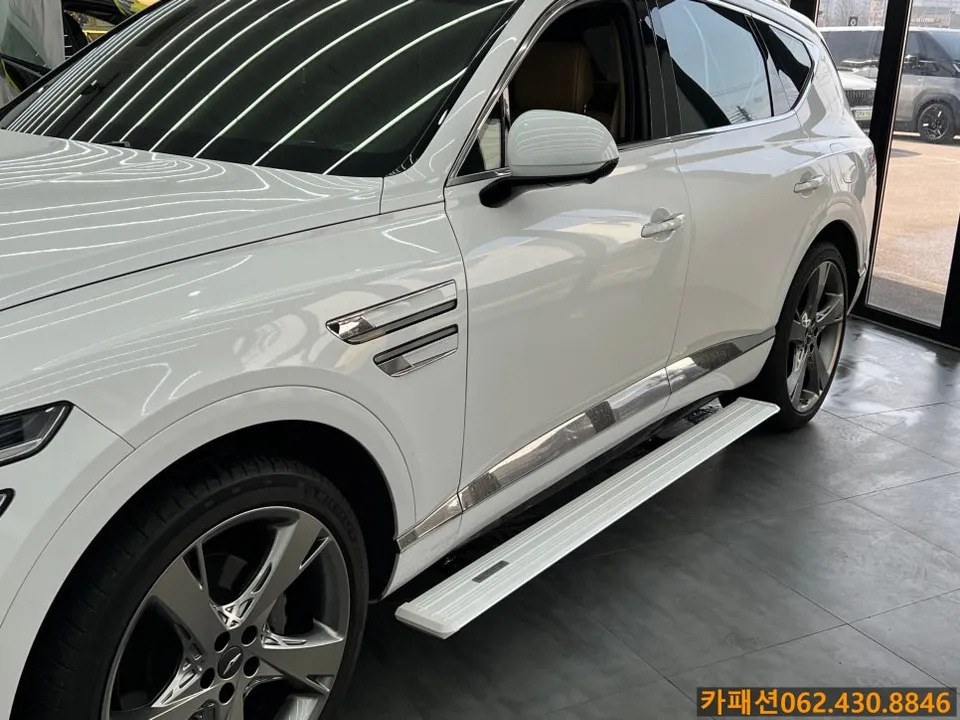
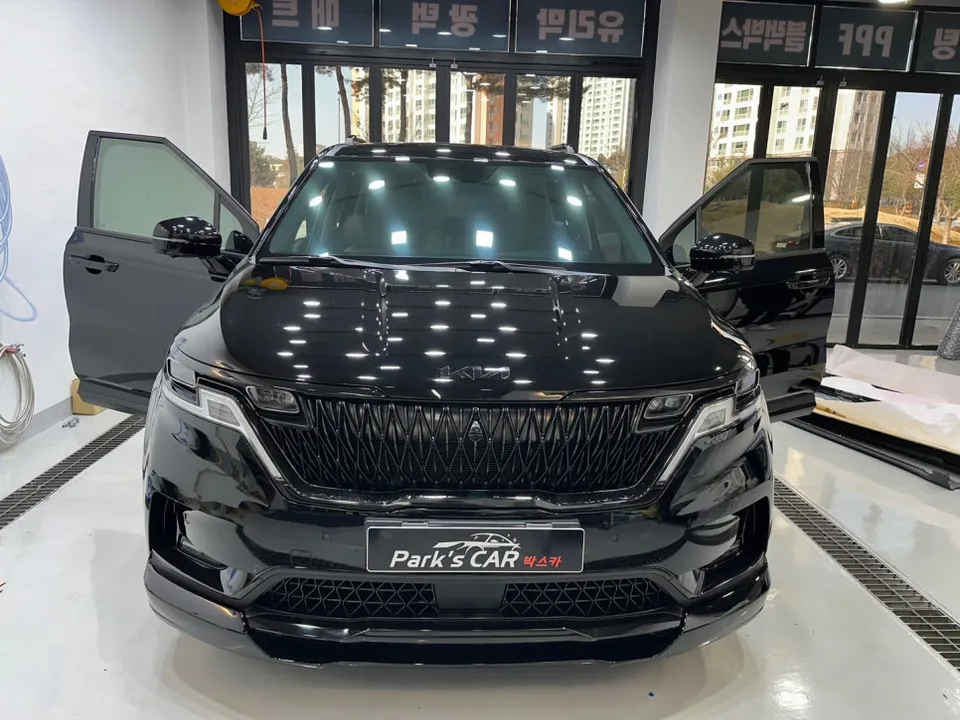
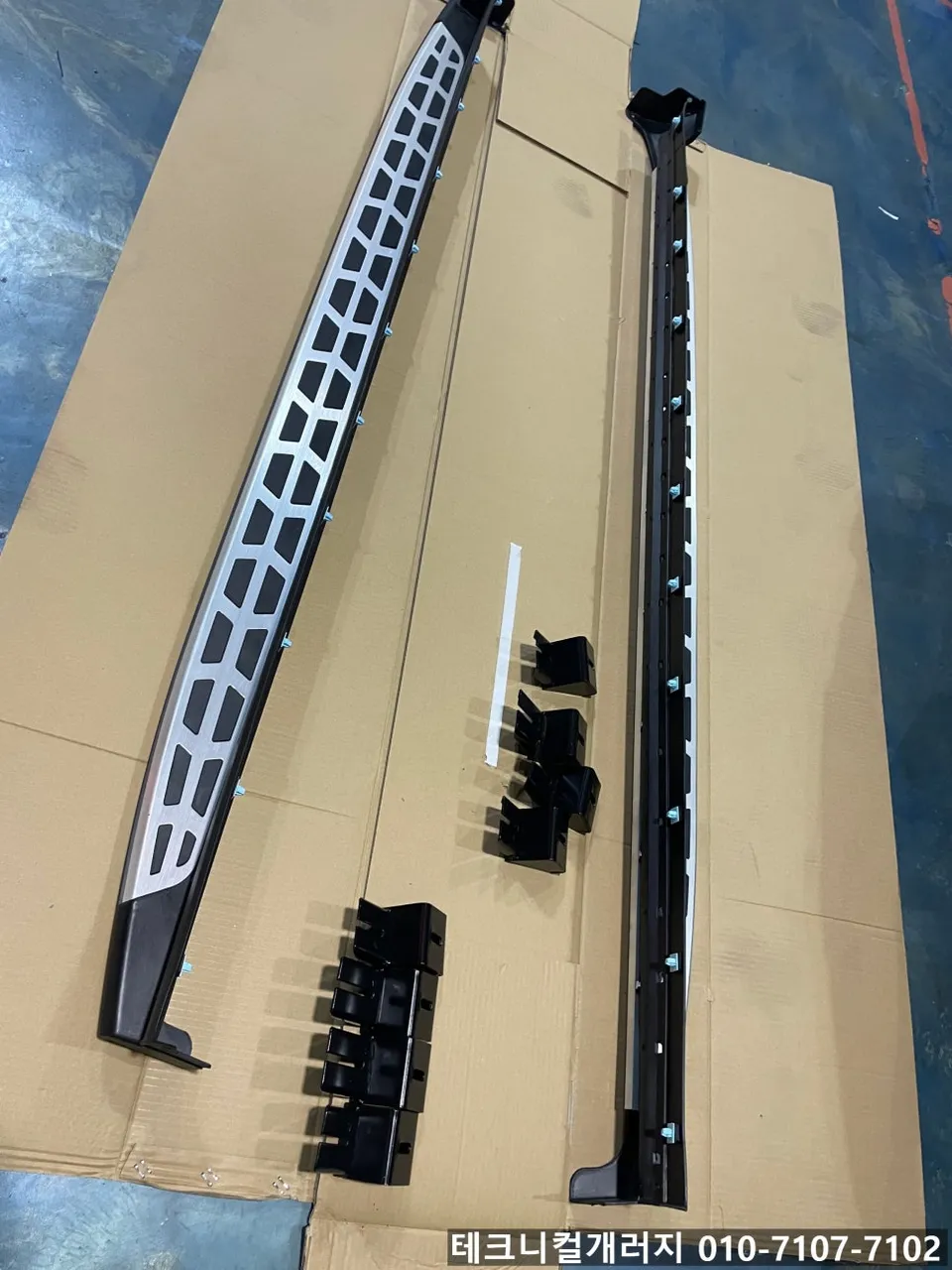
The most immediate impact of a body kit is visual. A well-designed aero kit can lower the perceived height of the Carnival KA4, giving it a sportier, more aggressive stance. Front lips add definition to the front bumper, side skirts visually connect the front and rear, and rear diffusers can enhance the sporty look. Beyond aesthetics, some body kit components can offer minor aerodynamic benefits, though this is less pronounced on an MPV compared to a sports car. The Korean context for side steps highlights a key functional improvement: easier ingress and egress. While not a direct body kit component, it illustrates the principle of enhancing practicality. For a body kit, the 'before' is the stock vehicle, and the 'after' is a more visually dynamic and personalized MPV. Durability is a key factor; kits made from materials like polyurethane tend to be more impact-resistant than fiberglass (FRP), offering better longevity against minor bumps and scrapes. Regular cleaning and inspection for any loose fittings will help maintain the kit's appearance and integrity over time.
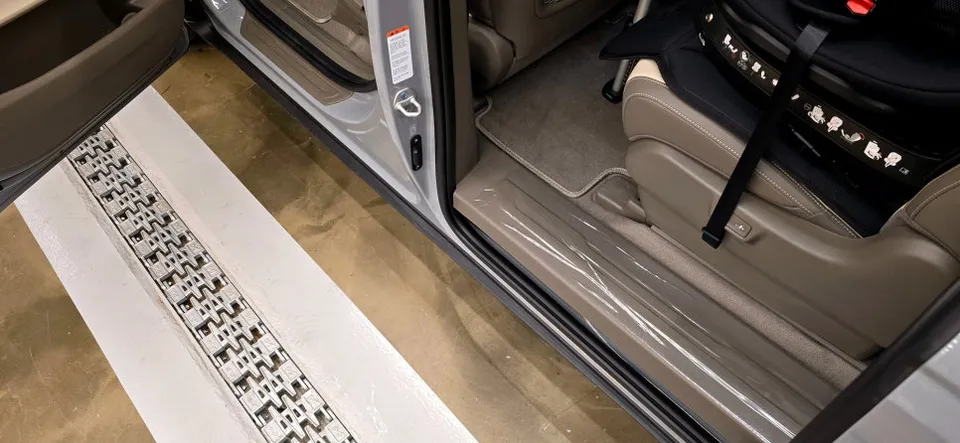
Is a Body Kit Installation Worth It for Your Carnival KA4?
Deciding whether a body kit is 'worth it' depends on your priorities. If you seek to significantly enhance the visual appeal of your Kia Carnival KA4 and give it a more customized, aggressive look, then a body kit can be a worthwhile investment. The cost, including parts and professional installation, should be weighed against the aesthetic improvements. For those primarily concerned with practicality, like easier access for passengers, other modifications like the electric side steps mentioned in the Korean context might be a more direct solution. However, if the goal is a comprehensive styling upgrade, a body kit, combined with other enhancements, can transform the vehicle's presence. Consider the materials used – polyurethane generally offers better durability and flexibility than FRP, potentially reducing the risk of damage from everyday driving conditions. Ultimately, the value is subjective and tied to how much you prioritize the visual transformation of your Carnival KA4.
Installation Process:
- Surface Preparation: The vehicle's body panels where the kit components will be attached are thoroughly cleaned and degreased.
- Component Fitting: Body kit pieces (front lip, side skirts, etc.) are carefully aligned with the vehicle's existing body lines.
- Attachment: Components are secured using a combination of automotive-grade adhesive tape, screws, and sometimes clips, depending on the kit's design and mounting points.
- Painting (if applicable): If the kit is unpainted, it will be professionally painted to match the vehicle's factory color.
- Final Inspection: A thorough check is performed to ensure all parts are securely fastened and the overall fit and finish are satisfactory.
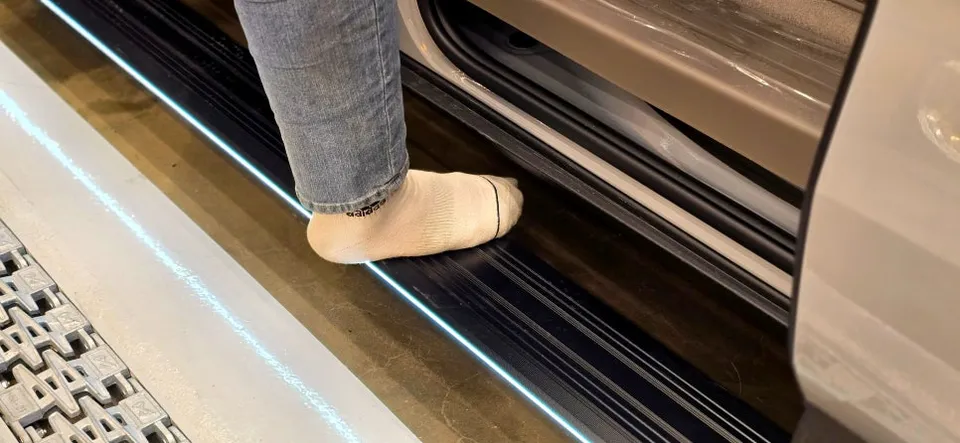
Frequently Asked Questions
Q. How much does a body kit cost for a Kia Carnival KA4?
While the Korean context mentions electric side steps costing around $220-$440 USD, a full body kit for a Kia Carnival KA4 in the US can range from several hundred to over a thousand dollars for parts alone, with installation costs being additional.
Q. How long does body kit installation take on a Kia Carnival KA4?
Installation time can vary, but professional body kit fitting typically takes several hours to a full day, depending on the kit's complexity and whether painting is required. Proper maintenance involves regular cleaning and checking for secure fittings.
Q. Is a body kit worth it for a Kia Carnival KA4?
A body kit is worth it if your primary goal is to significantly enhance the visual appeal and give your Kia Carnival KA4 a sportier, more customized look. The value proposition lies in the aesthetic transformation.
Q. How is a body kit installed on a Kia Carnival KA4?
Installation involves preparing the vehicle's surface, carefully aligning the body kit components like the front lip and side skirts, and securing them with automotive adhesive and screws. If unpainted, the kit is then professionally color-matched and painted before a final inspection.
Q. What is the difference between FRP and polyurethane body kits for a Kia Carnival KA4?
Polyurethane body kits are generally more flexible and impact-resistant than FRP (fiberglass-reinforced plastic) kits, offering better durability against minor road hazards. For most daily driving scenarios, polyurethane is often the recommended choice for longevity.
OhCar Partner Shop