Kia Mohave Interior Detailing Review — Spotless Deep Clean

Deep Clean Your Kia Mohave: More Than Just a Wash
The Kia Mohave, a quintessential large SUV, presents a unique challenge when it comes to maintenance. Its expansive body and broad surface area are magnets for dirt and grime. Exposure to harsh elements like winter road salt (calcium chloride) and summer exhaust fumes can accelerate wear and tear on both the paintwork and the interior. Neglecting regular care can lead to a rapid decline in the vehicle's condition. This particular Mohave arrived with noticeable dark streaks marring its white paint. For a vehicle of this size, a meticulous hand wash, like the one detailed here, is far more effective than an automated car wash.
This review focuses on the 'standard wash' service offered at Today's Car Yangju Branch. While the term 'standard' might suggest a basic service, the thoroughness of the process often surprises customers. We'll cover the Mohave's condition before the wash, the detailed steps of the standard wash, the transformation post-service, tips for SUV maintenance, and frequently asked questions.
Is a Standard Hand Wash Enough for a Large SUV like the Mohave?
Many car owners mistakenly believe that any wash is the same. However, the difference between a hand wash and an automatic car wash is significant, especially for large SUVs like the Mohave. Their height and extensive surface area mean automatic car washes often miss crucial areas. Contaminants can accumulate in door jambs, under the wheel arches, and along trim lines, requiring direct, manual attention for effective removal. This is where a detailed hand wash truly shines.
Winter presents additional challenges. Road salt, once dried, can bond stubbornly to the vehicle's surface, resisting simple water rinsing. If salt residue remains on a white paint finish like this Mohave's, it can accelerate paint oxidation, potentially leading to long-term damage and impacting the vehicle's warranty. A comprehensive wash addresses these specific concerns.
Before the Wash: The Mohave's Condition
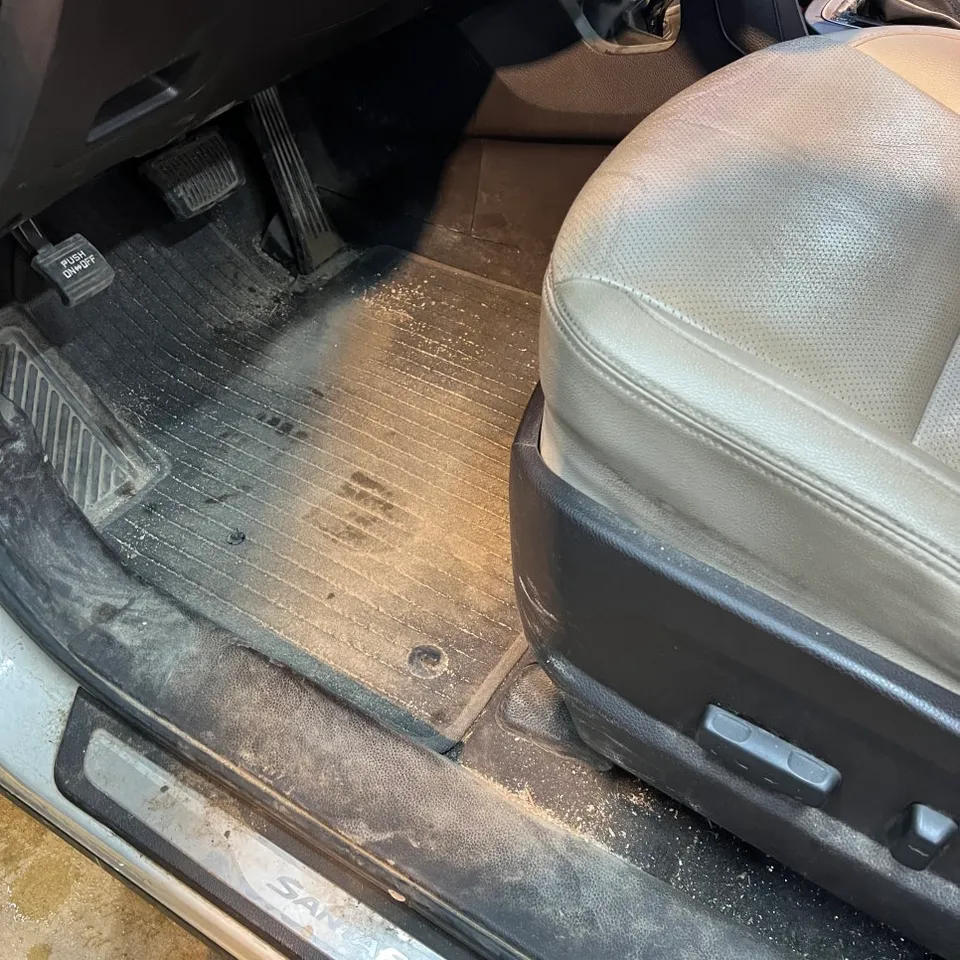
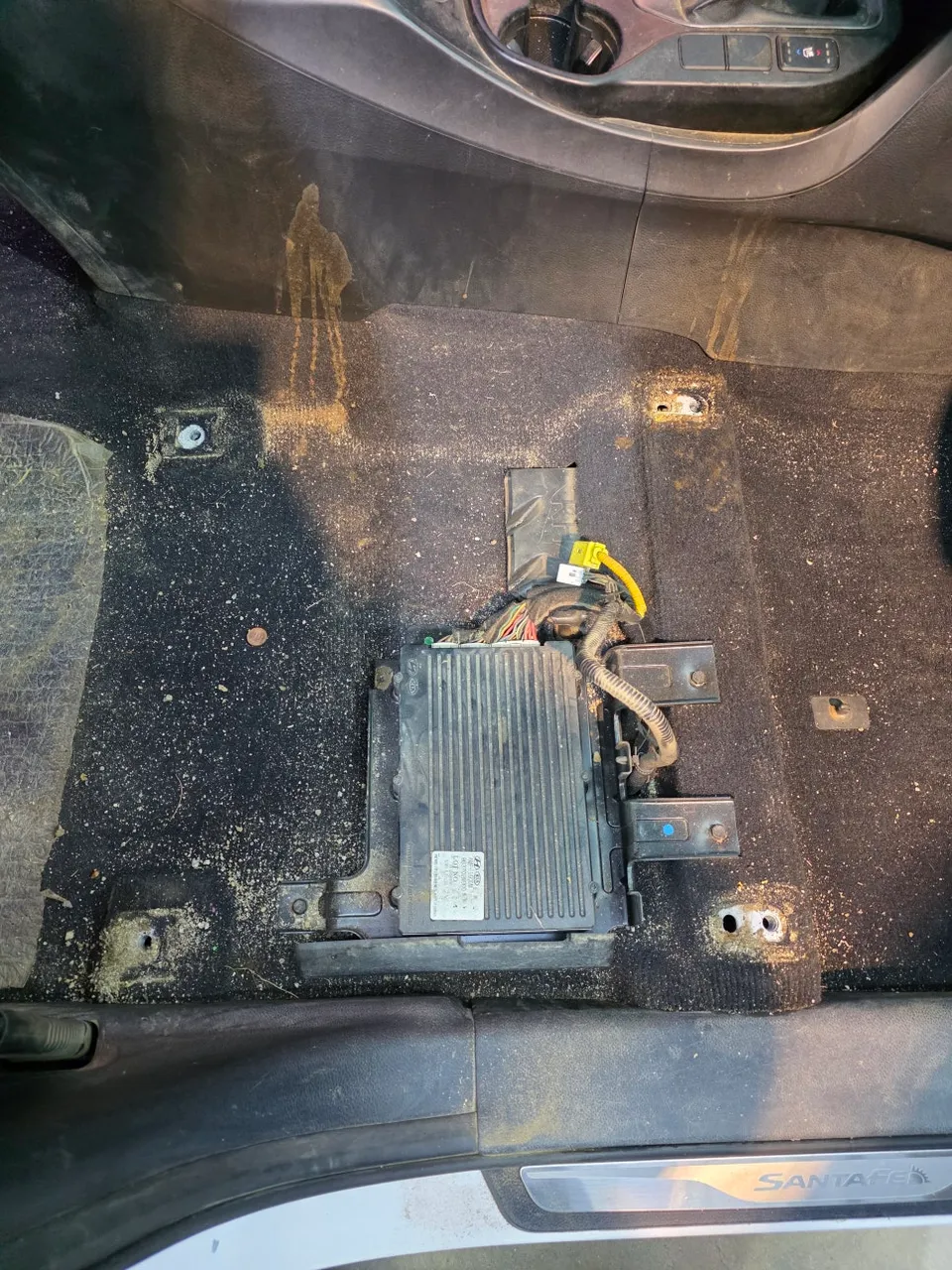
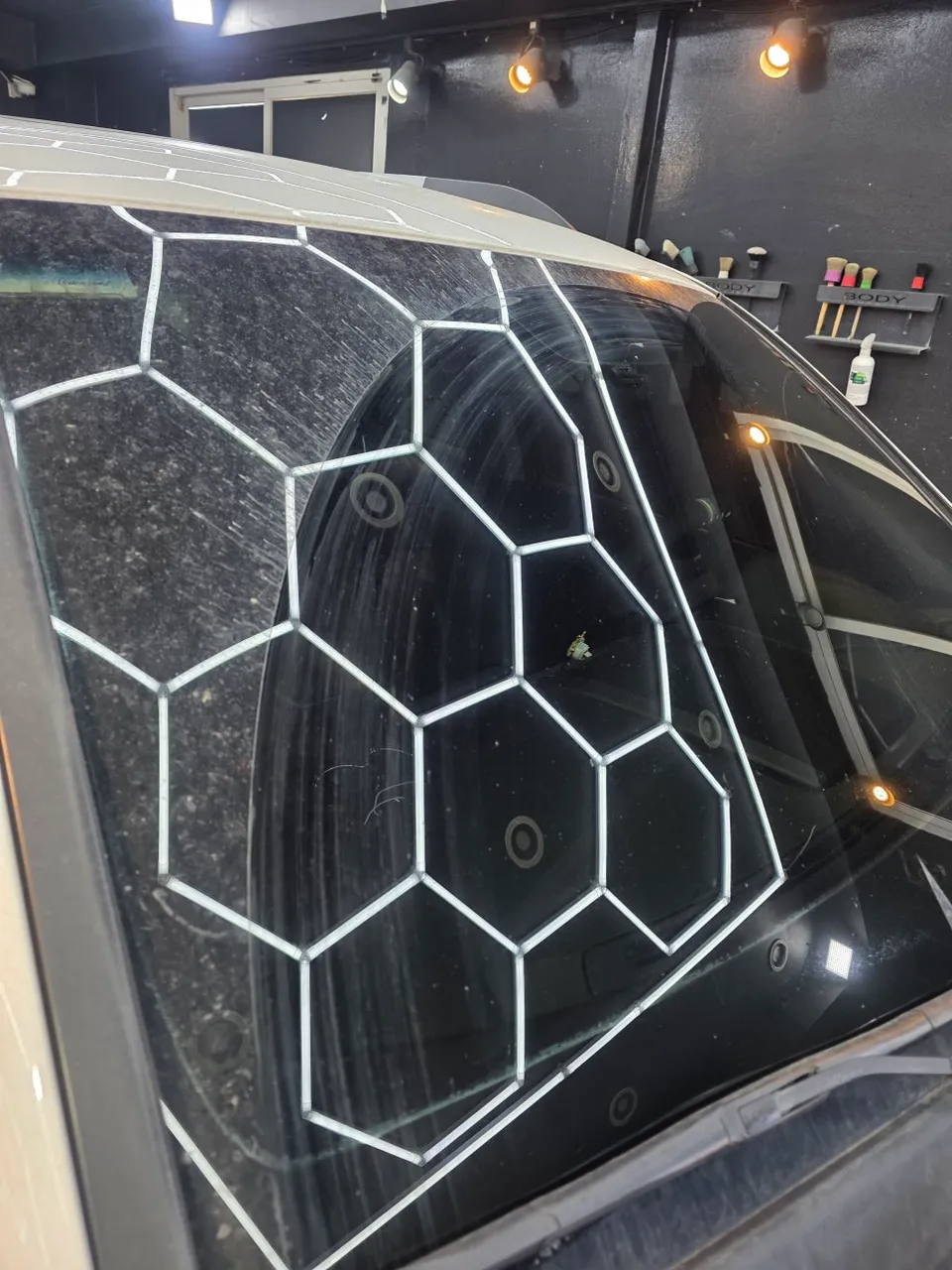
Upon arrival, the Mohave's condition was visibly concerning. The white paint was heavily obscured by a layer of greyish dirt, making the vehicle appear dull and neglected. The windshield, in particular, was so grimy that visibility was significantly impaired – a serious safety hazard for any driver. The wheel areas were caked with a thick mixture of black brake dust and salt residue, a common issue exacerbated by the SUV's larger wheel wells where dirt tends to accumulate more readily.
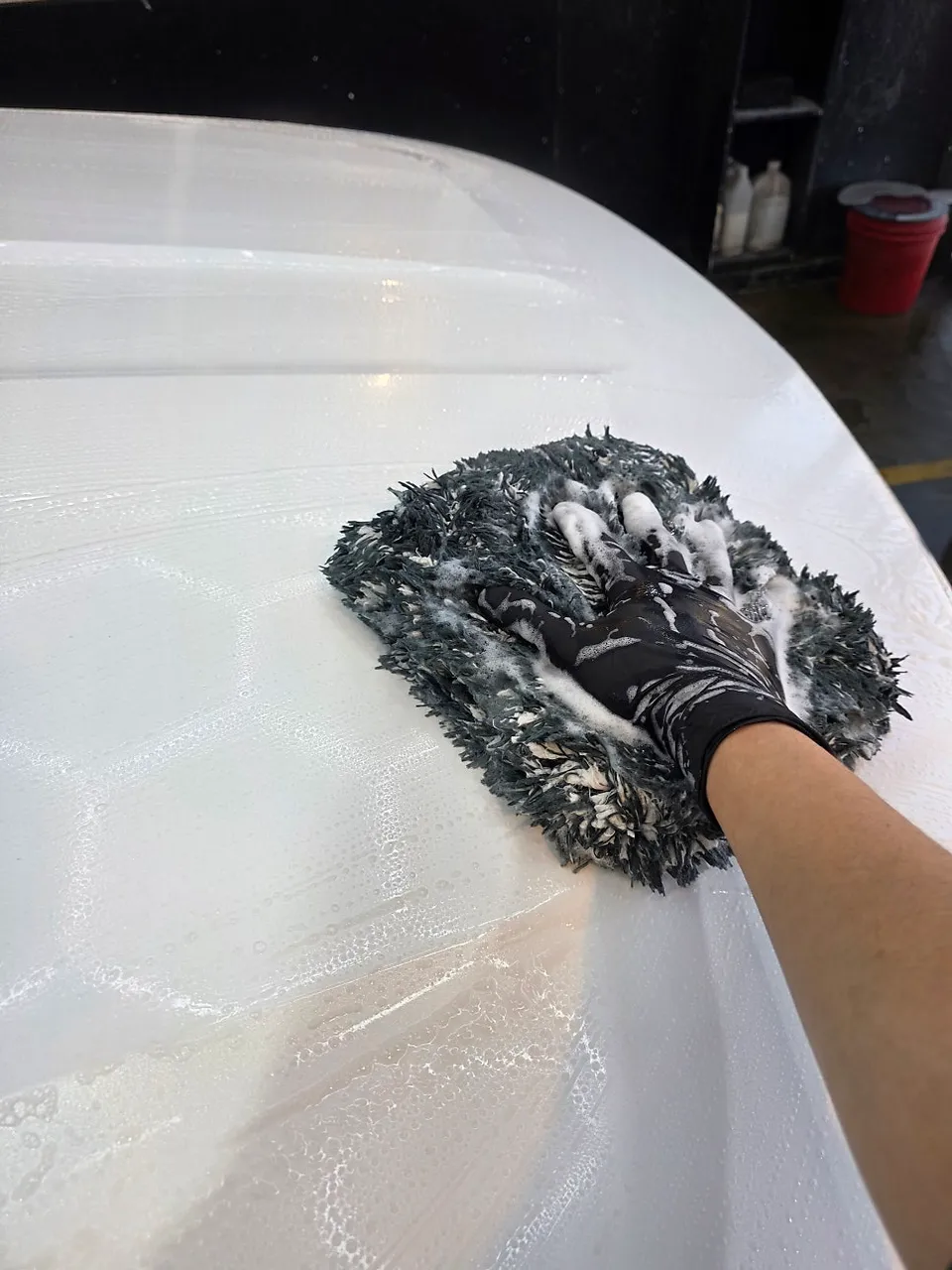
The Standard Wash Process: Meticulous Care, Not a Rush Job
Here’s a breakdown of the detailed hand wash process:
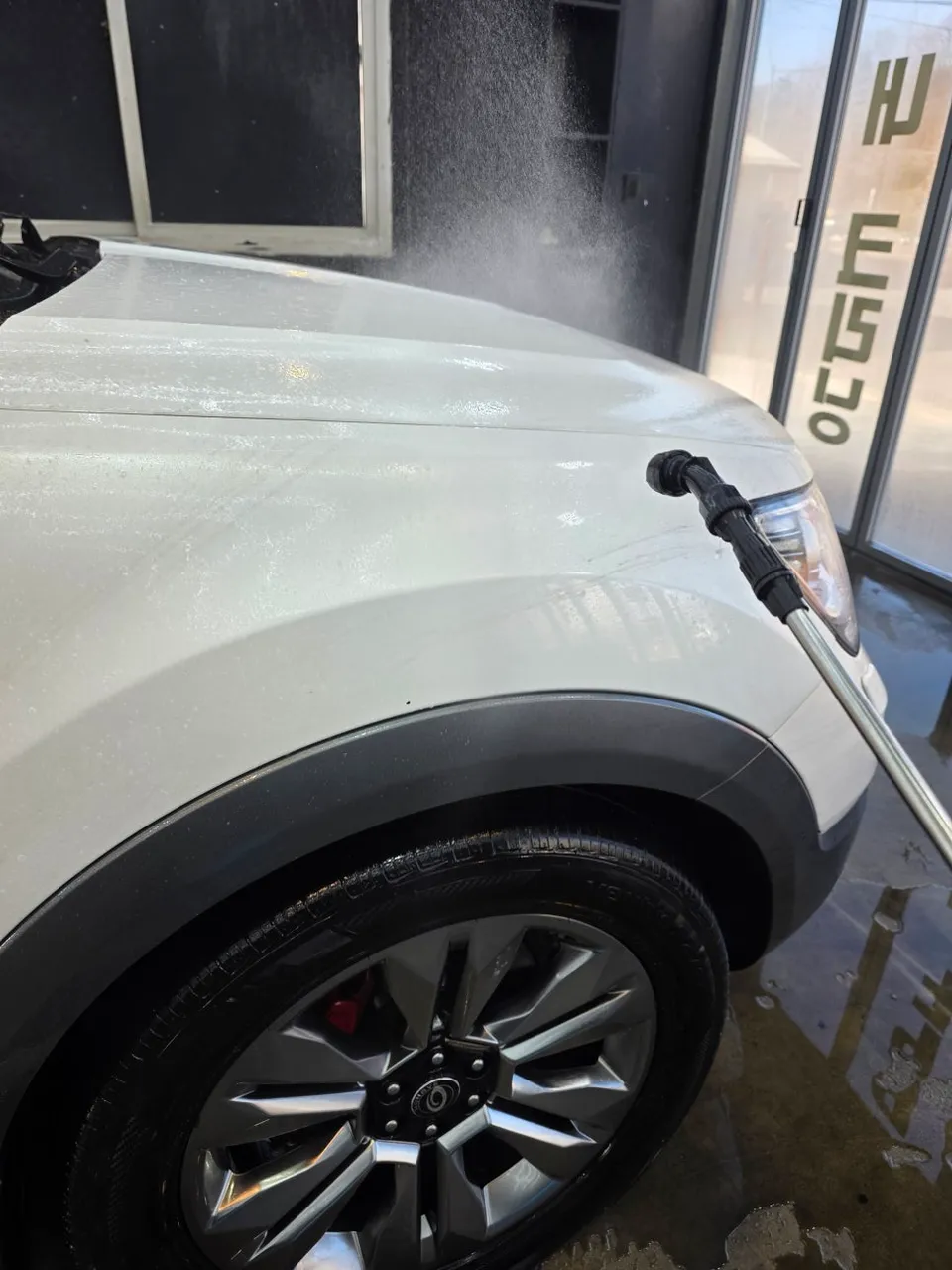
- Initial Rinse (Minimizing Scratch Risk): Instead of high-pressure steam, a standard water rinse is used. Steam can impart thermal shock to the paint, potentially causing micro-scratches, especially on older or weakened finishes. A controlled water pressure is safer and effectively removes loose dirt and salt, serving as the first stage of decontamination.
- Detailed Area Cleaning (Manual Attention): Many areas require hands-on cleaning. This includes meticulously wiping down emblems and trim lines with soft cloths, carefully cleaning door jambs and hinges (areas prone to water pooling), and thoroughly scrubbing the wheels and under the wheel arches where brake dust accumulates most heavily.
- Alkaline APC Application: APC, or All-Purpose Cleaner, is used to chemically neutralize and lift stubborn oily residues and remaining salt. This step is crucial for tackling deep-seated grime and is particularly effective against winter salt contamination, ensuring even trace amounts of salt are dissolved and removed to prevent paint oxidation.
This detailed approach ensures that even the 'standard' wash provides a level of clean that goes far beyond a quick automated service, restoring the Mohave's appearance and protecting its finish.
OhCar Partner Shop