Kia Ray EV Body Kit Review — Installation & Cost
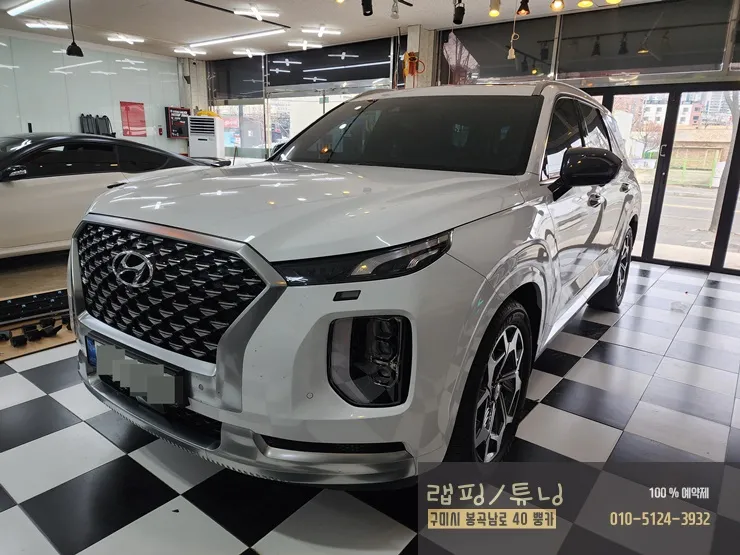
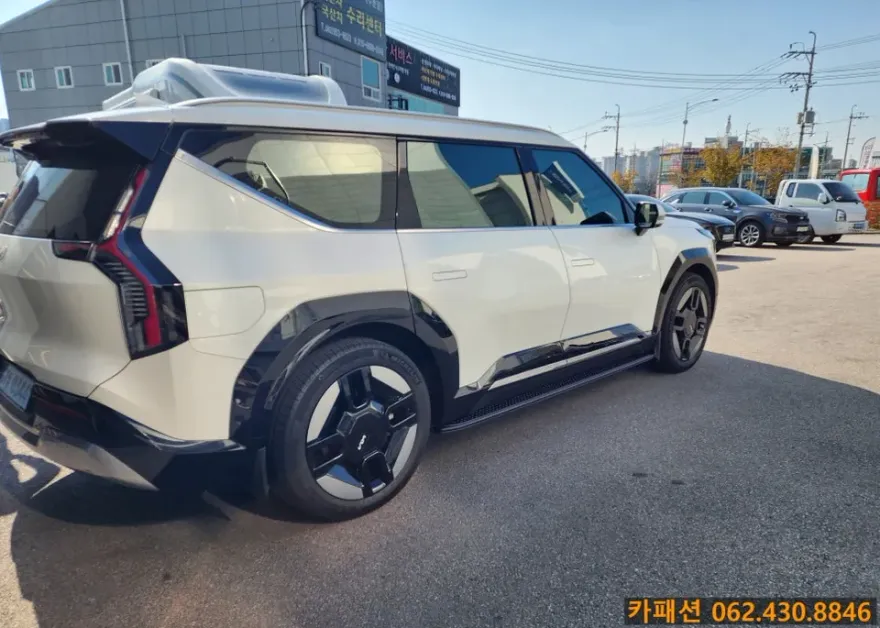
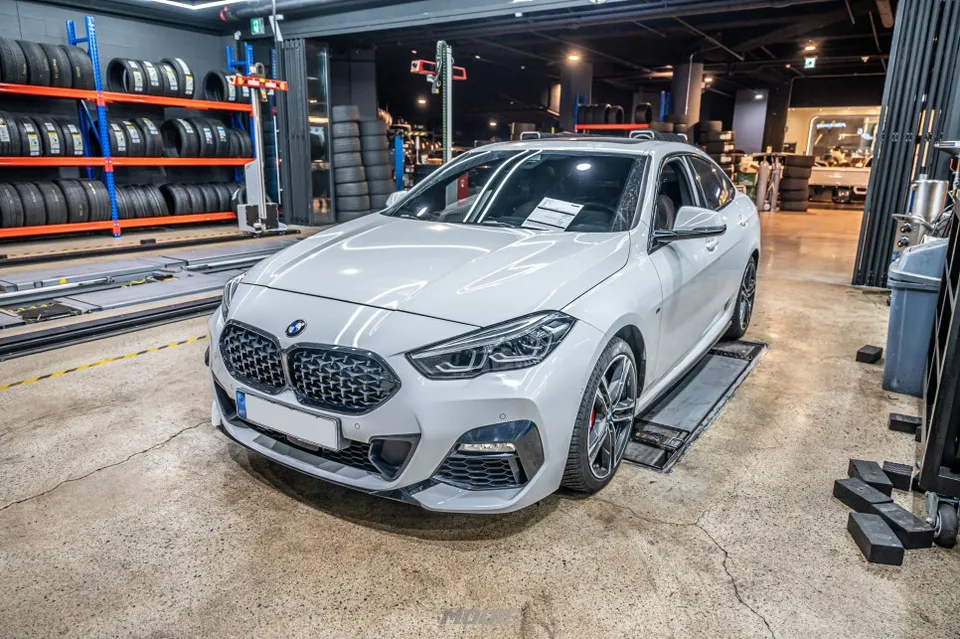
Before
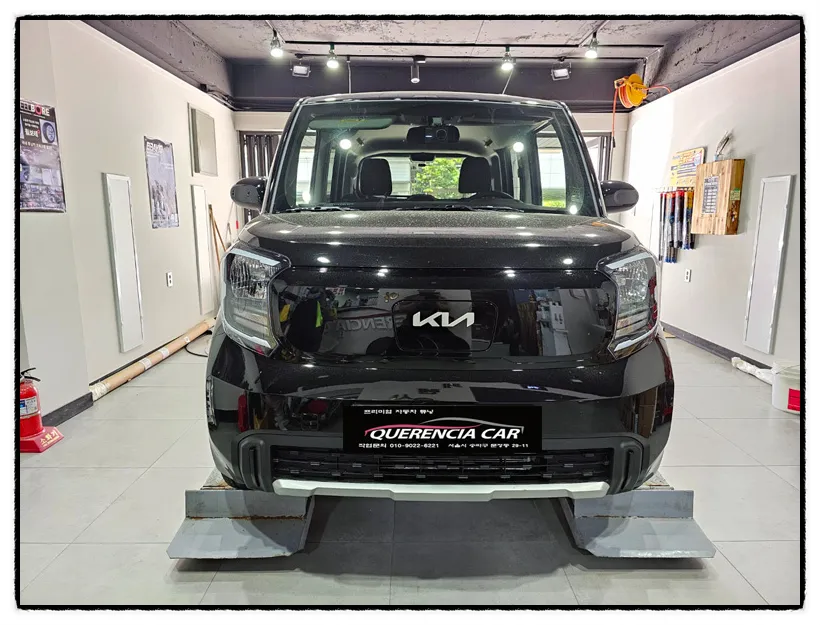
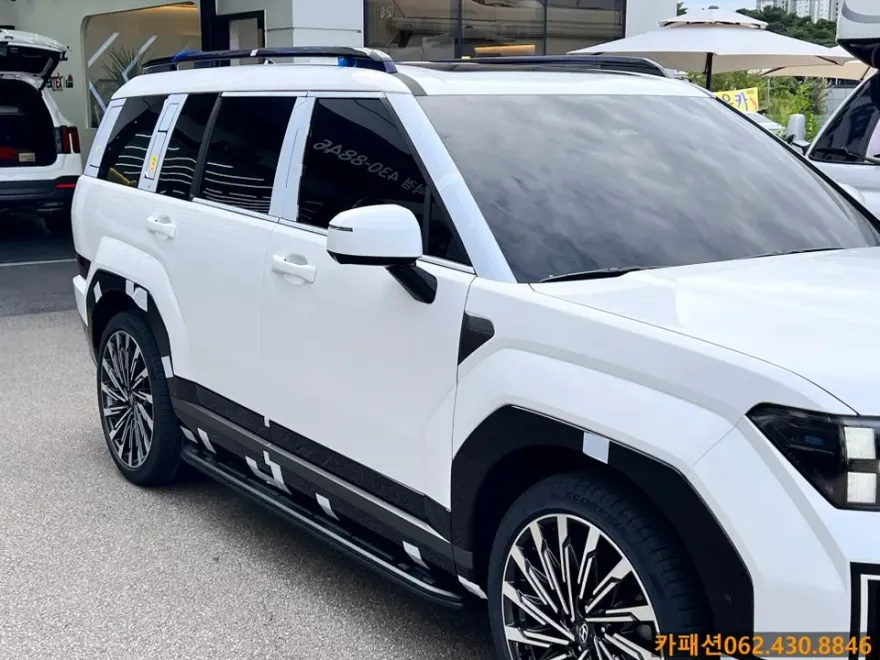
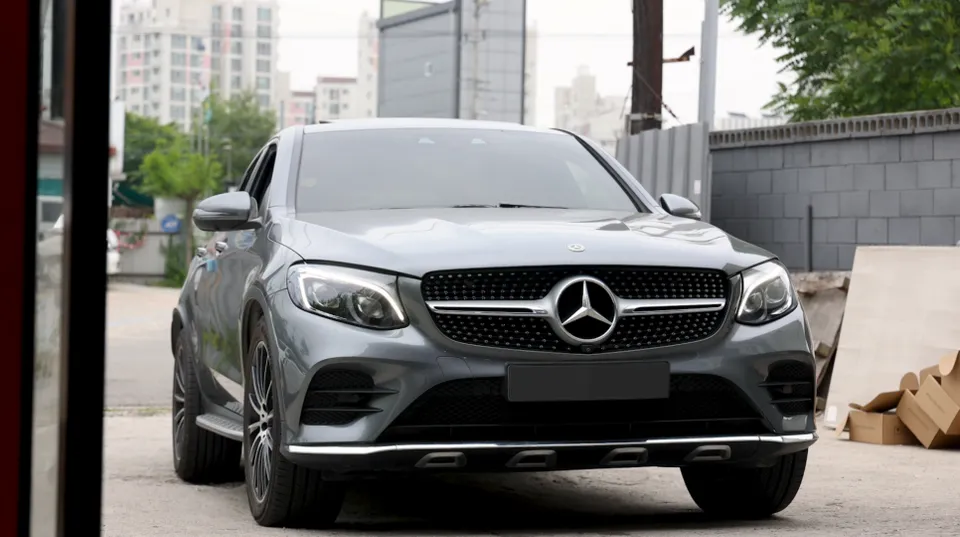
After
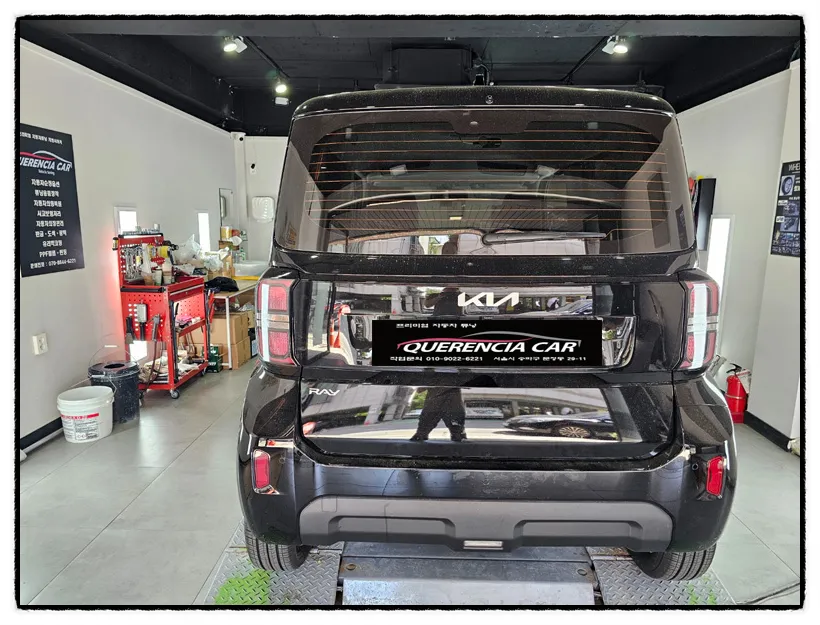
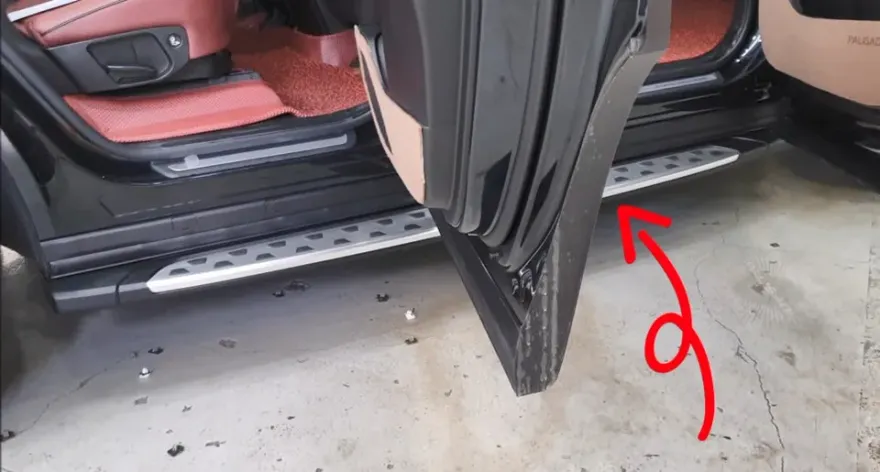
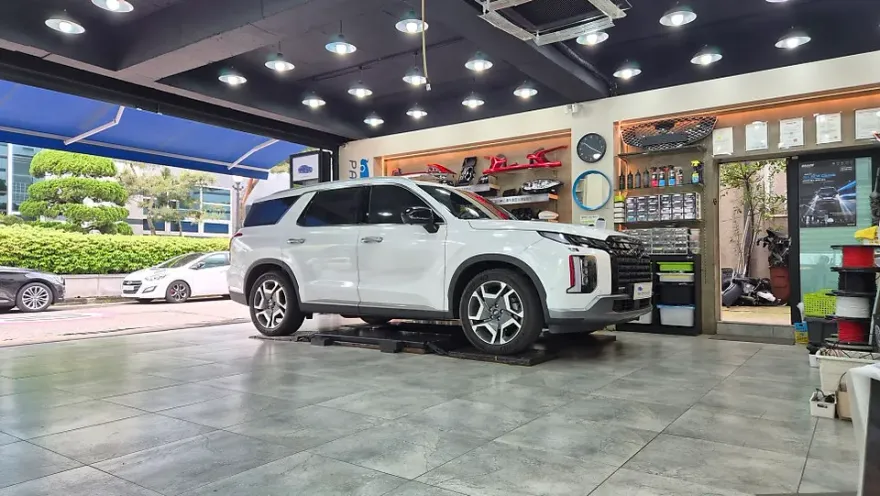
Process photos


Kia Ray EV body kit installation: approx. ₩500,000-₩1,000,000+. Transforms appearance with custom aero parts.
Kia Ray EV Body Kit Installation and Review
The Kia Ray EV, a compact and practical electric vehicle, can be further personalized with a body kit. This review delves into the specifics of body kit installation for the Ray EV, covering the potential costs, the visual transformations, and the overall value proposition. While the original context for this information comes from a tuning shop in South Korea, the principles of body kit application and considerations remain relevant for owners globally. We'll examine the process, materials, and what to expect before you commit to this modification.
Understanding Body Kits for the Kia Ray EV
A body kit, often referred to as an aero kit, typically includes components like a front lip spoiler, side skirts, and sometimes a rear diffuser or bumper enhancements. The primary goal is to alter the vehicle's aesthetic, giving it a sportier or more aggressive stance. For the Kia Ray EV, these kits are designed to complement its existing lines while adding a custom touch. Materials commonly used include Fiberglass Reinforced Plastic (FRP) and polyurethane. FRP is generally lighter and more rigid but can be more prone to cracking if impacted. Polyurethane offers better flexibility and impact resistance, making it more durable against minor bumps and scrapes, though it can be heavier and sometimes more expensive. The installation process involves carefully fitting these parts to the vehicle's existing body panels, often requiring precise alignment and secure fastening.
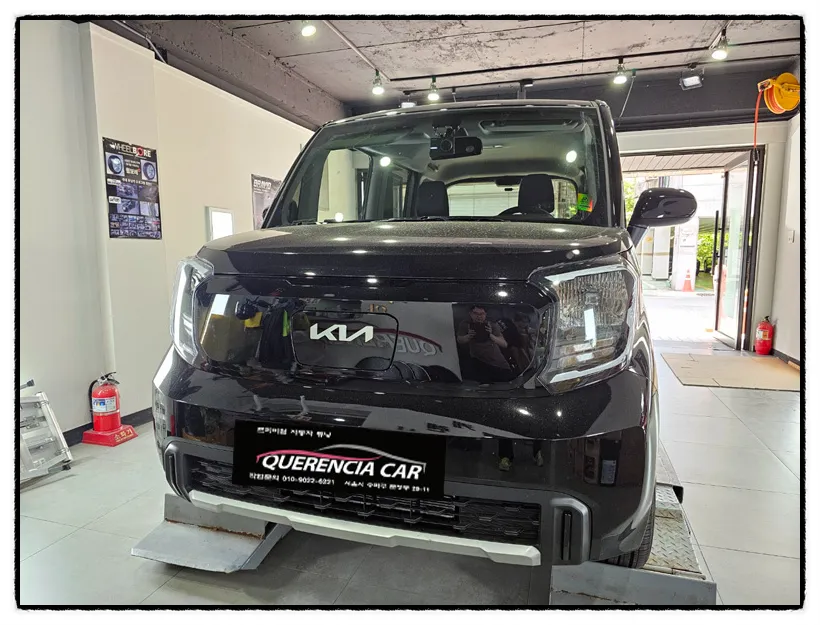
Installation Process and Expected Results
Body kit installation on a Kia Ray EV, as with most vehicles, is a meticulous process that requires skill and attention to detail. Professional installation is highly recommended to ensure a perfect fit and finish, preventing damage to the vehicle or the kit itself. The process generally involves the following steps:
- Preparation: The existing bumpers and side panels are thoroughly cleaned and degreased. Any imperfections are addressed, and the areas where the new kit components will attach are prepared for optimal adhesion.
- Fitting and Alignment: Each component of the body kit (front lip, side skirts, etc.) is test-fitted to the Ray EV. Adjustments are made to ensure a flush and seamless integration with the car's body lines.
- Attachment: The components are securely attached using a combination of automotive-grade adhesives, clips, and sometimes small bolts or screws, depending on the kit's design and the specific mounting points.
- Finishing: After installation, any gaps are filled, and the entire kit is often sanded and prepped for painting. The new parts are then painted to match the vehicle's original color or a custom color scheme, followed by a clear coat for protection and shine.
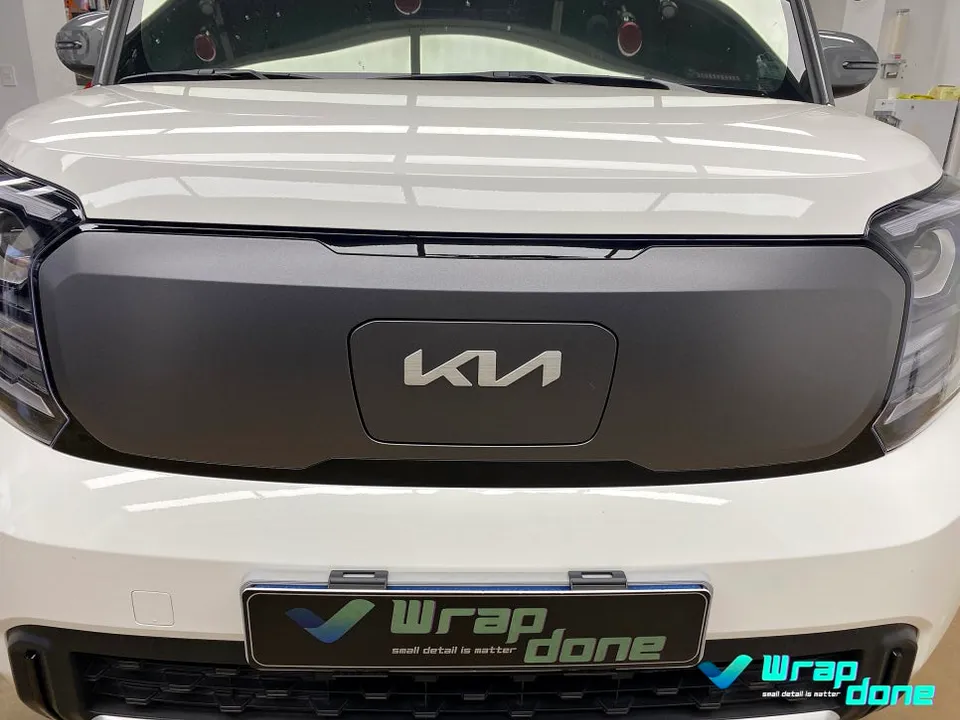
The before and after results can be dramatic. A stock Kia Ray EV can be transformed into a visually distinct vehicle with a lower, wider, and more performance-oriented appearance. The front lip can make the car look closer to the ground, side skirts visually lower the profile, and rear additions can complete the aggressive look. Durability depends heavily on the material quality, the quality of the installation, and the owner's driving habits. Proper maintenance, including regular washing and waxing, will help preserve the finish and longevity of the body kit.
Is a Body Kit Worth It for Your Kia Ray EV?
Deciding whether a body kit is worth the investment for your Kia Ray EV involves weighing the aesthetic benefits against the cost and potential risks. The cost of a body kit itself can vary significantly, and professional installation adds to the overall expense. In South Korea, such modifications can range from several hundred thousand to over a million Korean Won (approximately $300 - $800+ USD, depending on the kit and labor). While a body kit can significantly enhance the visual appeal and give your Ray EV a unique personality, it's important to consider practicalities. Increased aerodynamic drag might slightly affect efficiency, and lower-profile kits can be more susceptible to damage from speed bumps or uneven road surfaces. For owners prioritizing a distinctive look and willing to invest in professional installation and careful maintenance, a body kit can be a rewarding upgrade. However, if practicality and minimal maintenance are top priorities, it might be less suitable.
Frequently Asked Questions
Q. How much does a body kit cost for a Kia Ray EV?
The cost for a Kia Ray EV body kit can range from approximately ₩500,000 to over ₩1,000,000 (roughly $300-$800+ USD) in South Korea, depending on the kit's complexity and material. Professional installation costs are additional and vary by shop.
Q. How long does body kit installation take on a Kia Ray EV?
Body kit installation typically takes between 4 to 8 hours for a professional installer, depending on the kit's design and any necessary painting. Proper curing time for adhesives and paint should also be factored in, potentially extending the process over a day or two.
Q. Is a body kit worth it for a Kia Ray EV?
A body kit is worth it for Kia Ray EV owners who prioritize a unique, sporty aesthetic and are willing to invest in professional installation and ongoing maintenance. It offers a significant visual upgrade, setting the vehicle apart from standard models.
Q. How is a body kit installed on a Kia Ray EV?
Installation involves preparing the vehicle's surface, test-fitting the kit components (like front lips and side skirts), and securely attaching them using automotive adhesives and fasteners. The parts are then often painted to match the car and finished for a seamless look.
Q. What is the difference between FRP and polyurethane body kits for a Kia Ray EV?
FRP (Fiberglass Reinforced Plastic) kits are typically lighter and more rigid, while polyurethane kits offer better flexibility and impact resistance, making them more durable against minor collisions. For daily driving, polyurethane is often recommended for its resilience.
Q. What should I know before getting Body Kit on a Kia Ray EV? (common regrets and mistakes)
The most common regret is underestimating the total cost, including professional painting and installation, which can significantly exceed the kit's price. Always get a full quote upfront and consider the potential for increased maintenance and susceptibility to damage on rough roads.
OhCar Partner Shop