Kia Sorento Ceramic Coating Review — Enhanced Protection
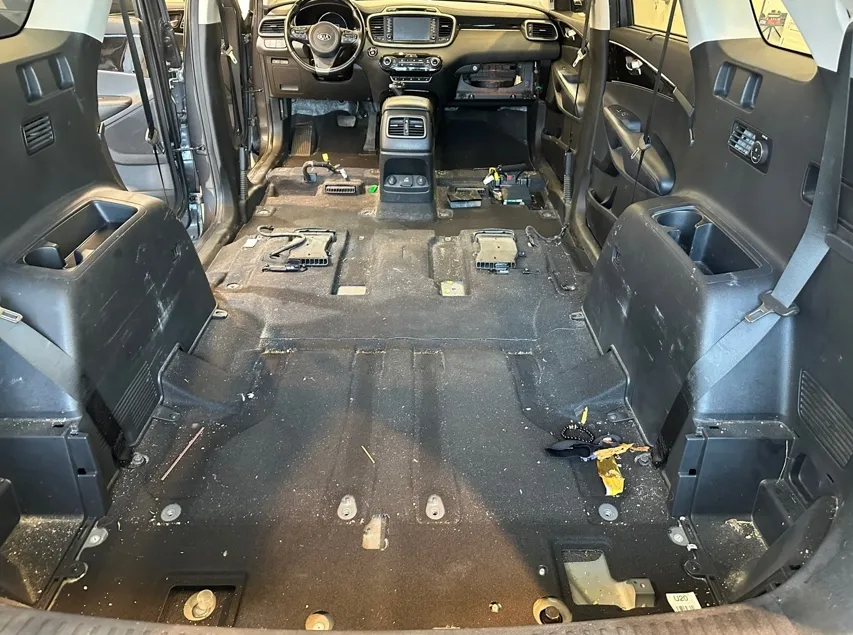
Before
After
Process photos
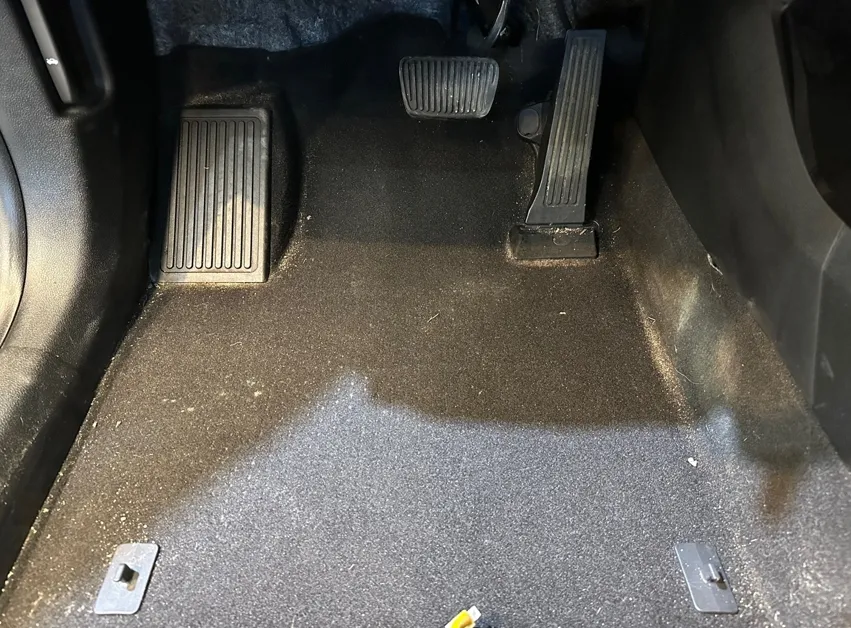
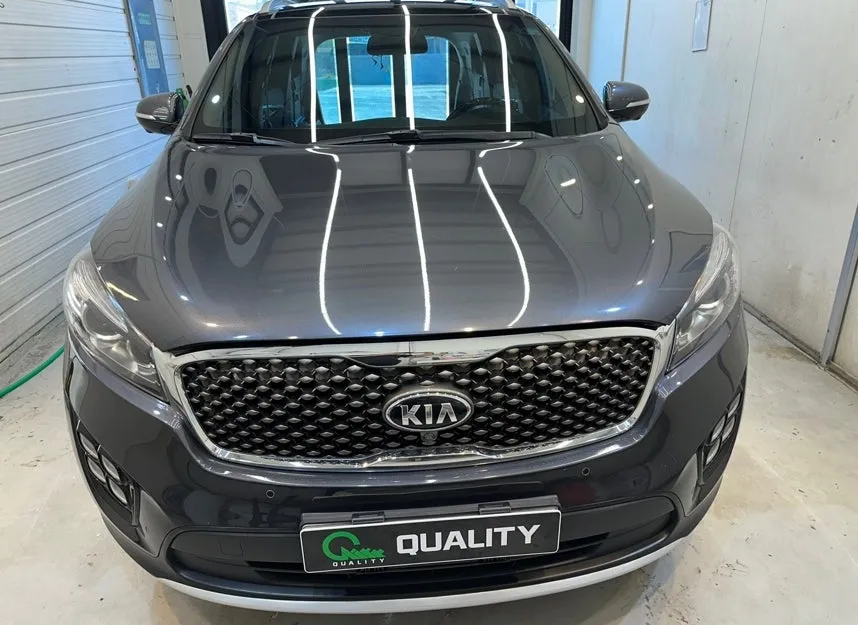
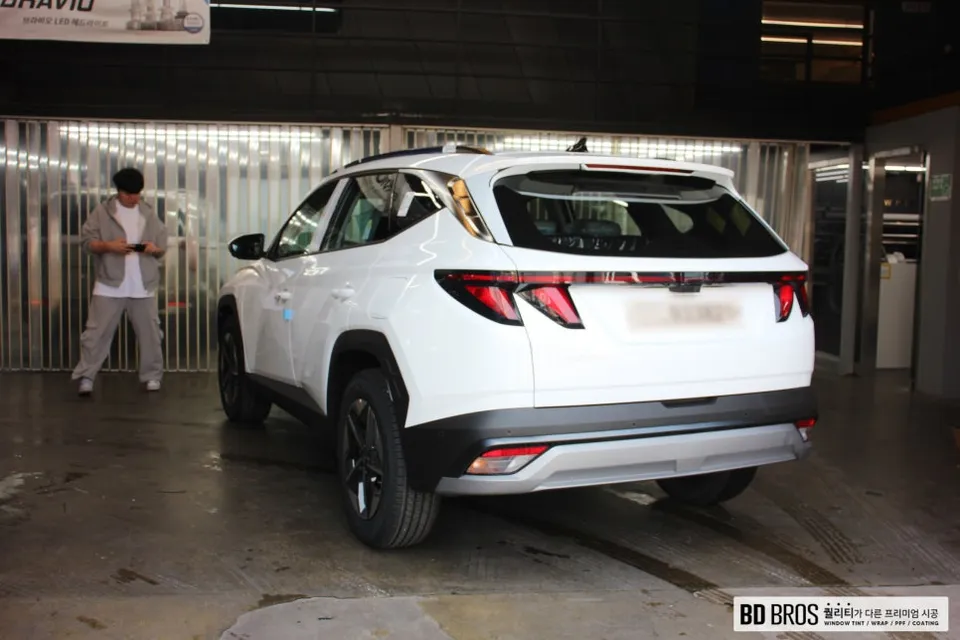
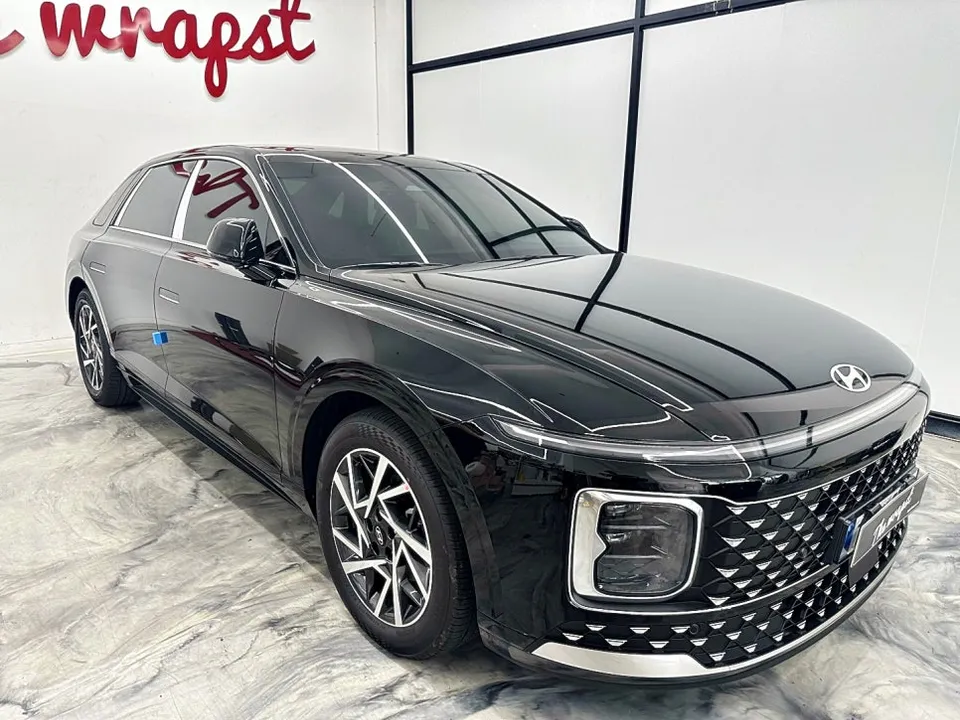
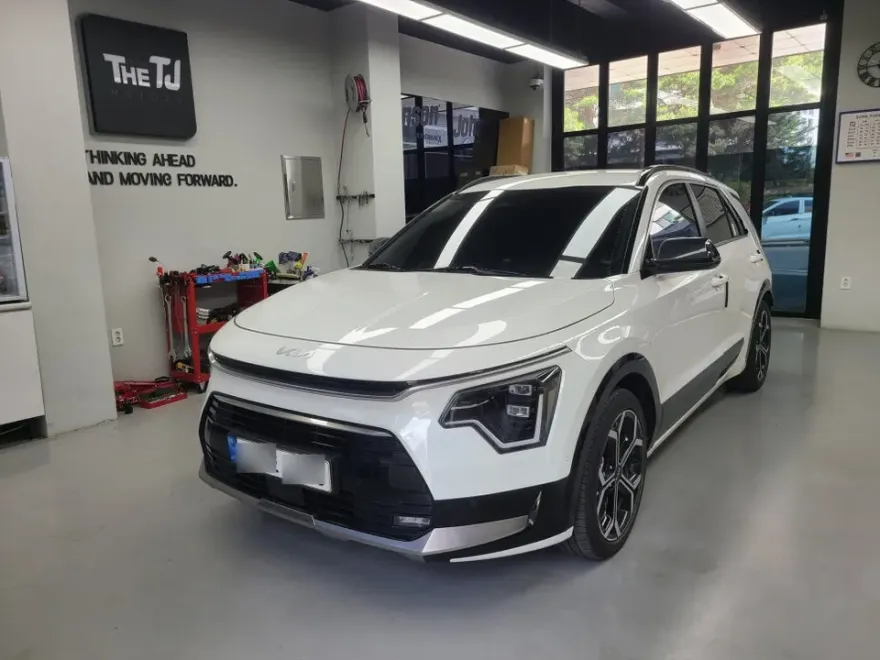
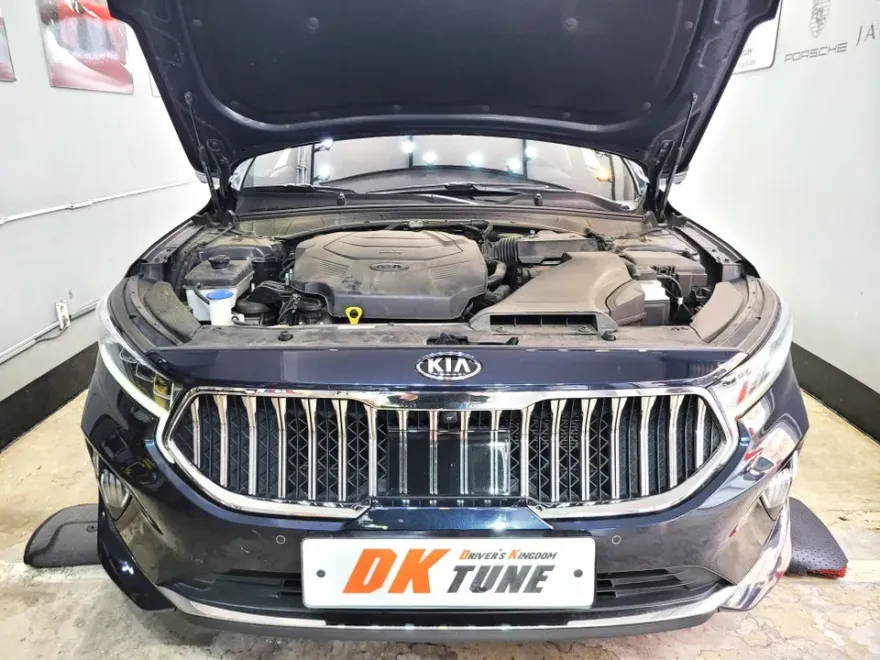
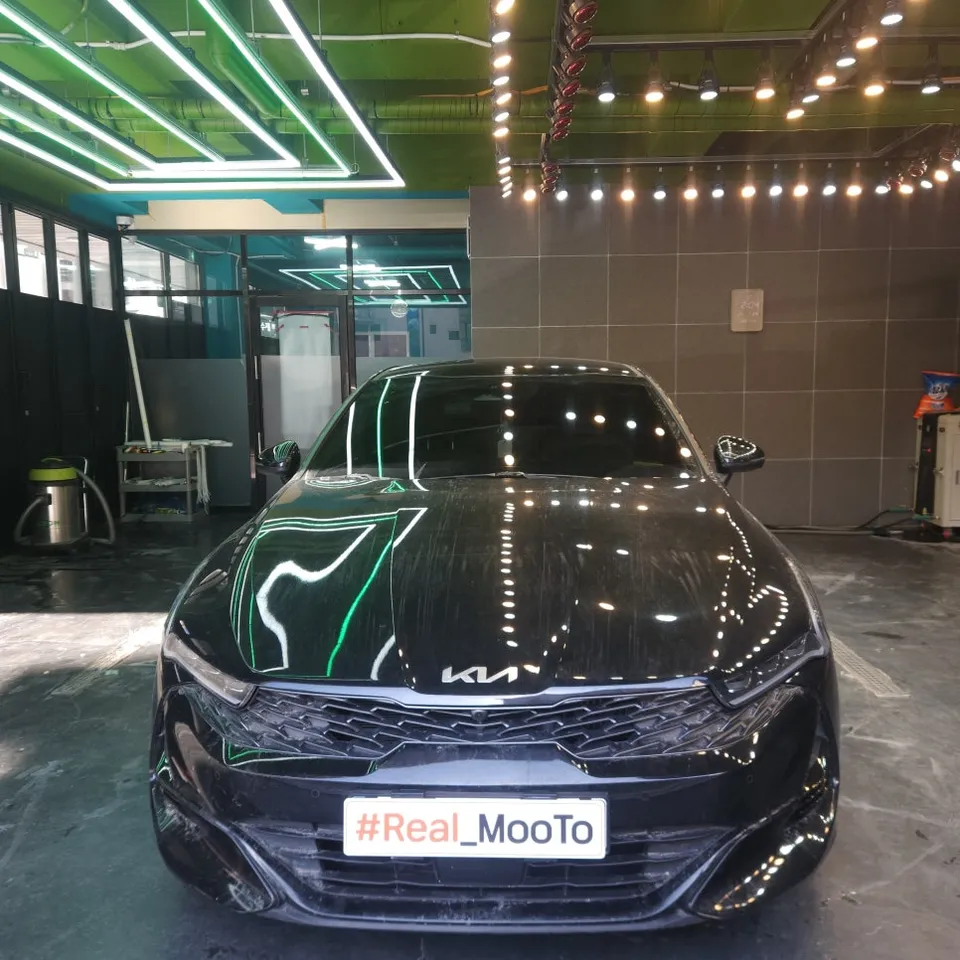
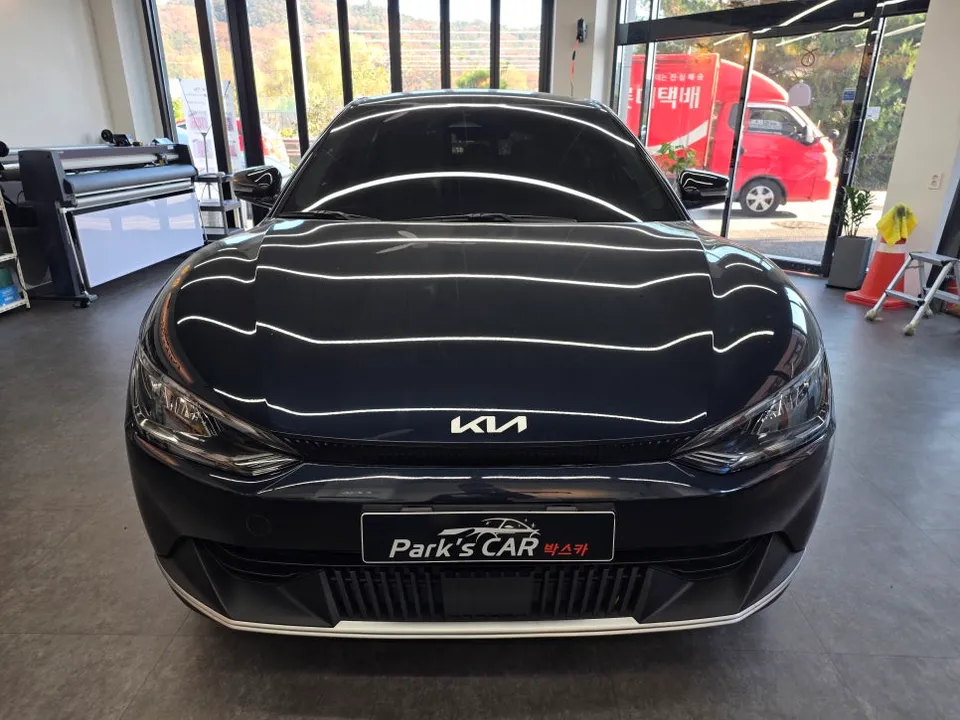
Ceramic coating on Kia Sorento: Professional application enhances gloss and protection. Lasts for years.
Transform Your Kia Sorento with Ceramic Coating
Applying a ceramic coating to your Kia Sorento is a game-changer for paint protection and aesthetics. Unlike traditional waxes that offer temporary shine, ceramic coatings bond with your vehicle's clear coat at a molecular level, creating a durable, hydrophobic layer. This nano coating provides exceptional resistance against UV rays, chemical stains, minor scratches, and the harsh elements your Sorento encounters daily. The result is a deep, glossy finish that's easier to clean and maintain, keeping your SUV looking showroom-new for longer. This review details the process and benefits of a professional ceramic coating application on a Kia Sorento.
The Ceramic Coating Installation Process
Achieving the full benefits of a ceramic coating requires meticulous preparation and expert application. The process ensures the coating adheres properly and provides maximum protection and gloss. Here’s a breakdown of how it's typically done:
- Thorough Wash and Decontamination: The vehicle is washed to remove loose dirt and debris. A clay bar treatment is then used to lift embedded contaminants from the paint surface.
- Paint Correction: Minor scratches, swirl marks, and imperfections are polished out using machine polishers. This step is crucial for a flawless finish, as the ceramic coating will lock in the paint's current condition.
- Surface Wiping: An isopropyl alcohol (IPA) solution is used to wipe down the entire vehicle, removing any residual oils or polishing compounds, ensuring a perfectly clean surface for bonding.
- Coating Application: The ceramic coating liquid is carefully applied panel by panel using a specialized applicator. It's worked into the paint until a uniform, thin layer is achieved.
- Curing and Buffing: The coating is allowed to flash (partially cure) for a short period before being meticulously buffed off with microfiber towels. The vehicle then needs to cure completely, typically for 24-48 hours, to reach its maximum hardness and durability.
The investment in a professional ceramic coating for your Kia Sorento pays off with unparalleled protection and a lasting, brilliant shine that enhances its resale value.
Frequently Asked Questions
Q. How much does ceramic coating cost for a Kia Sorento?
The price for this specific Kia Sorento ceramic coating service was ₩700,000. Typical professional ceramic coating costs in the US can range from $800 to $2,500 depending on the vehicle size and coating quality.
Q. How long does ceramic coating last on a Kia Sorento?
A professionally applied ceramic coating can last for several years, often 2-5 years or more, with proper maintenance. Regular washing with pH-neutral soaps and avoiding abrasive cleaners will help extend its lifespan.
Q. Is ceramic coating better than wax for a Kia Sorento?
Ceramic coating offers significantly longer-lasting protection and superior hydrophobic properties compared to traditional wax. It's ideal for Sorento owners seeking a durable, low-maintenance shine that withstands environmental contaminants.
Q. How is ceramic coating applied to a Kia Sorento?
Ceramic coating is applied after a thorough wash, decontamination, and paint correction. The liquid coating is carefully spread onto the paintwork, allowed to flash, and then buffed off, creating a hard, protective layer that cures over 24-48 hours.
Q. What is the difference between ceramic coating and PPF for a Kia Sorento?
Ceramic coating provides chemical and UV protection with hydrophobic properties for gloss, while Paint Protection Film (PPF) is a thicker, clear urethane film primarily designed to shield against physical impact like rock chips and scratches. For comprehensive protection, many owners opt for ceramic coating over PPF.
OhCar Partner Shop
More ceramic coating Reviews
See all →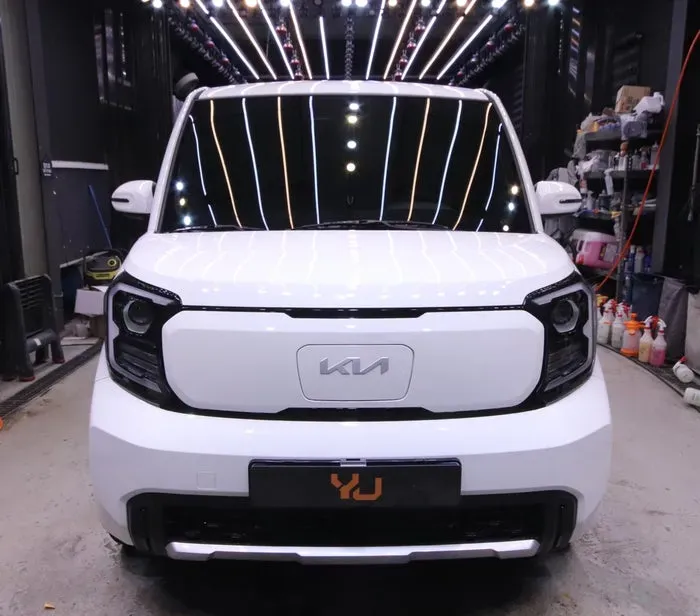


More Kia Reviews





Pair with Another Service

Add physical chip protection before coating
Polish before coating for best results