Kia Sorento Window Tinting Review: Cost & Results
Service Price
$40–80
Estimated price · Actual price may vary by shop
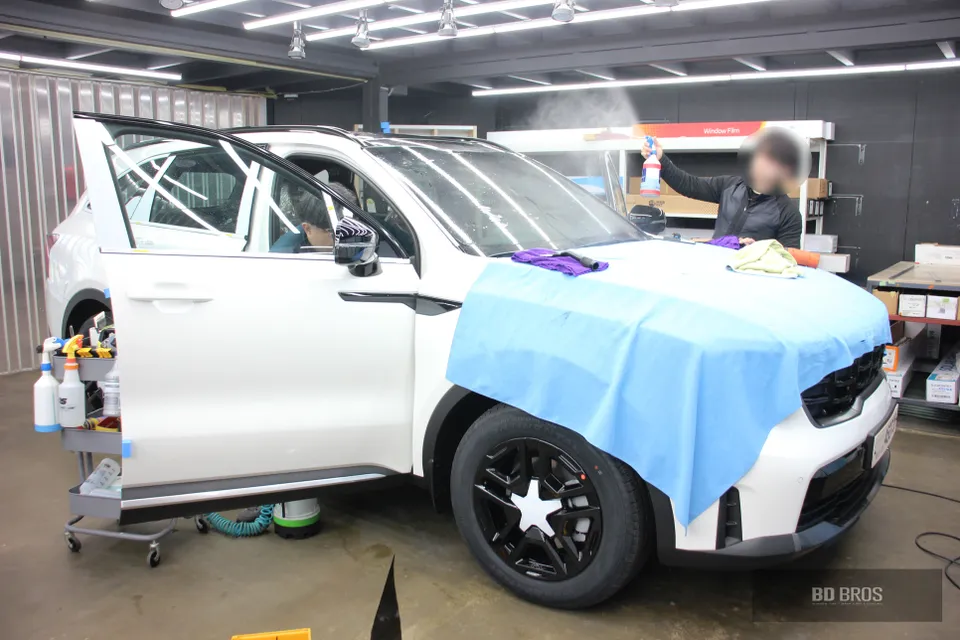
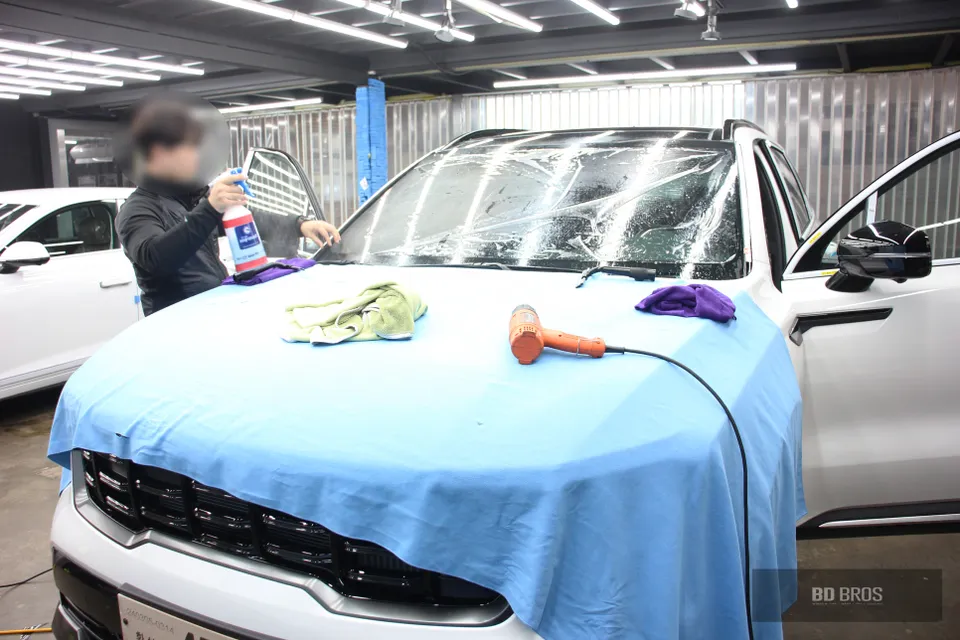
Kia Sorento window tinting with Solargard Noblesse K PLUS costs approx. $370-$600. Offers UV protection & heat rejection.
Kia Sorento Window Tinting with Solargard Noblesse K PLUS
Considering window tinting for your new Kia Sorento? It's a common first step after taking delivery, but choosing the right film can be overwhelming. This review details a recent installation on a Kia Sorento Noblesse using the Solargard Noblesse K PLUS film, covering the entire process from initial inspection to the final package. The cost for this type of tinting, depending on film grade and coverage, typically ranges from 500,000 to 800,000 Korean Won (approximately $370-$600 USD, subject to exchange rates).
The Solargard Noblesse K PLUS film is an upgraded version of the previous Saturn film. It offers a subtle emerald black color, enhancing the Sorento's sporty appearance with its semi-reflective finish. Despite its aesthetic appeal, this film boasts impressive performance. For example, the 35% VLT (Visible Light Transmission) film allows 31% light through, while the 15% VLT film allows 13%. All concentrations offer over 99% UV rejection, living up to the Solargard brand's reputation for quality.
Installation Process:
- Surface Preparation: The vehicle's windows are thoroughly cleaned and degreased to ensure optimal adhesion of the tint film.
- Film Cutting: Using advanced computer-aided cutting machines, the tint film is precisely cut to match the exact dimensions of each Sorento window.
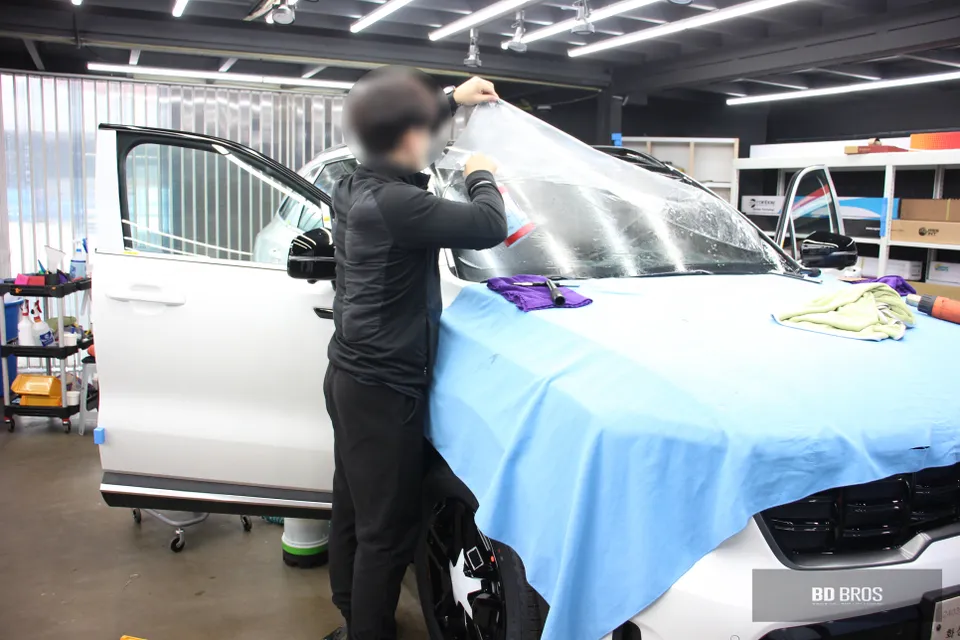
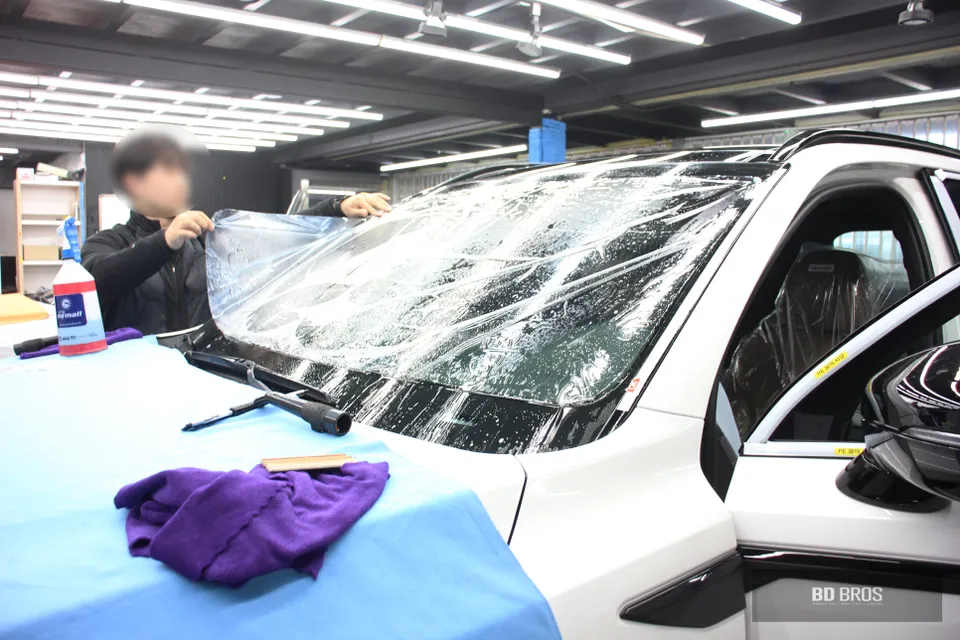
- Heat Molding: For curved windows (front and rear), the film undergoes a crucial heat molding process. A heat gun is used to carefully shape the film to the glass's contour, preventing lifting or bubbling. This requires skilled technicians to avoid distorting vision.
- Application: The molded film is applied to the interior of the window, meticulously smoothed out to eliminate air bubbles and ensure a seamless finish.
- Finishing Touches: Edges are trimmed for a clean look, and any excess water or solution is removed. The tint is then left to cure.
Understanding Window Tint Film Types and Selection
Automotive window tint films generally fall into two categories: reflective and non-reflective. The primary difference lies in how they manage heat. Reflective films use a layer of metallic particles to bounce sunlight away, similar to a mirror. Non-reflective films absorb heat directly into the film itself, which can eventually radiate back into the cabin. For those prioritizing privacy, film performance, and heat rejection are key considerations beyond just budget. When choosing, consider your driving habits, preferred tint darkness (VLT), and overall budget to find the best film for your needs.
The Importance of Professional Installation
Precision in heat molding is paramount for a flawless window tint installation, especially on the more curved front and rear windshields. Attempting to apply film directly, as might be done on a flat surface, can lead to unsightly gaps and lifting. The heat molding process involves carefully applying high temperatures to shape the film, a delicate task that requires expertise to prevent visual impairment while driving. Technicians with extensive experience, like those at 'Today's Car' in Incheon, South Korea, are essential for executing this process correctly, ensuring both aesthetics and safety.
Frequently Asked Questions
Q. How much does window tinting cost for a Kia Sorento?
For a Kia Sorento, tinting with films like Solargard Noblesse K PLUS typically costs between 500,000 and 800,000 Korean Won (approx. $370-$600 USD). Standard professional window tinting in the US can range from $40-$80 per window, or $200-$600 for a full vehicle, depending on film type and vehicle size.
Q. What tint percentage is legal for a Kia Sorento?
Legality of window tint percentages varies significantly by state in the US and by region in the UK. It's crucial to check local regulations to ensure compliance. Generally, darker tints are restricted on front windows, while rear windows often have more flexibility.
Q. Is ceramic tint worth the extra cost for a Kia Sorento?
Ceramic tint is often worth the extra cost for a Kia Sorento if superior heat rejection and UV protection without a highly reflective look are priorities. It offers excellent performance for comfort and protecting the interior from sun damage.
Q. How is window tint installed on a Kia Sorento?
Window tint installation involves meticulous cleaning of the glass, precise cutting of the film to match window dimensions, and careful heat molding for curved surfaces. The film is then applied to the interior of the window, smoothed to remove air bubbles, and edges are finished for a clean look.
Q. What is the difference between ceramic and dyed window tint for a Kia Sorento?
Ceramic tint uses non-metallic ceramic particles to block heat and UV rays, offering excellent performance without interfering with electronics. Dyed tint uses a layer of dye to absorb heat and provide privacy, but it can fade over time and offer less heat rejection compared to ceramic.
OhCar Partner Shop
More window tinting Reviews
See all →






More Kia Reviews








Pair with Another Service

Protect paint while you're at the shop

Add gloss and protection