Kia Stinger Interior Customization Review — Quality Results
Service Price
$75–115
Estimated price · Actual price may vary by shop
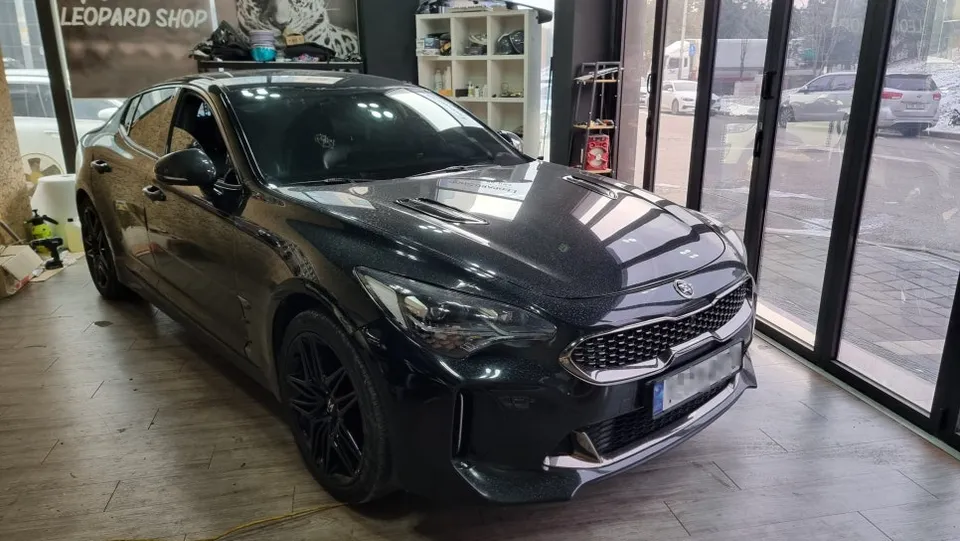
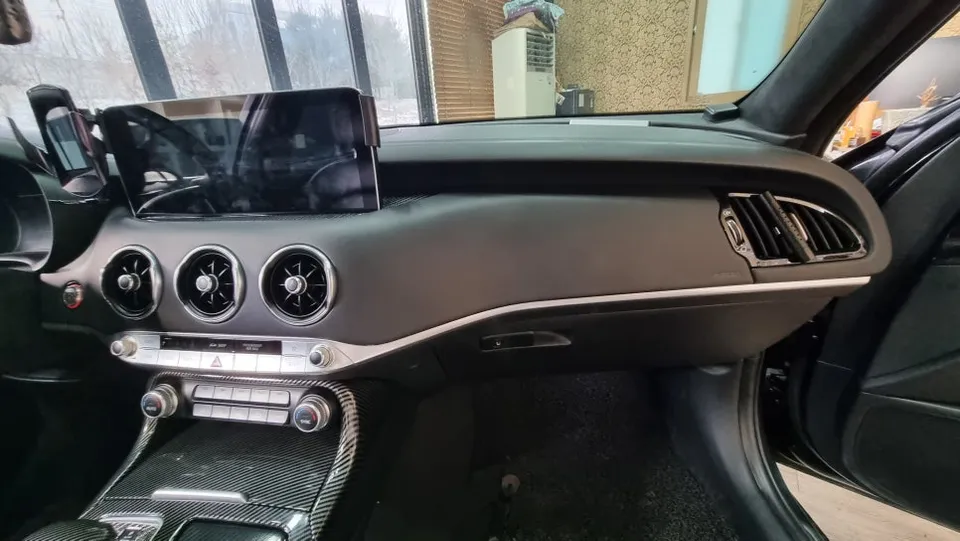
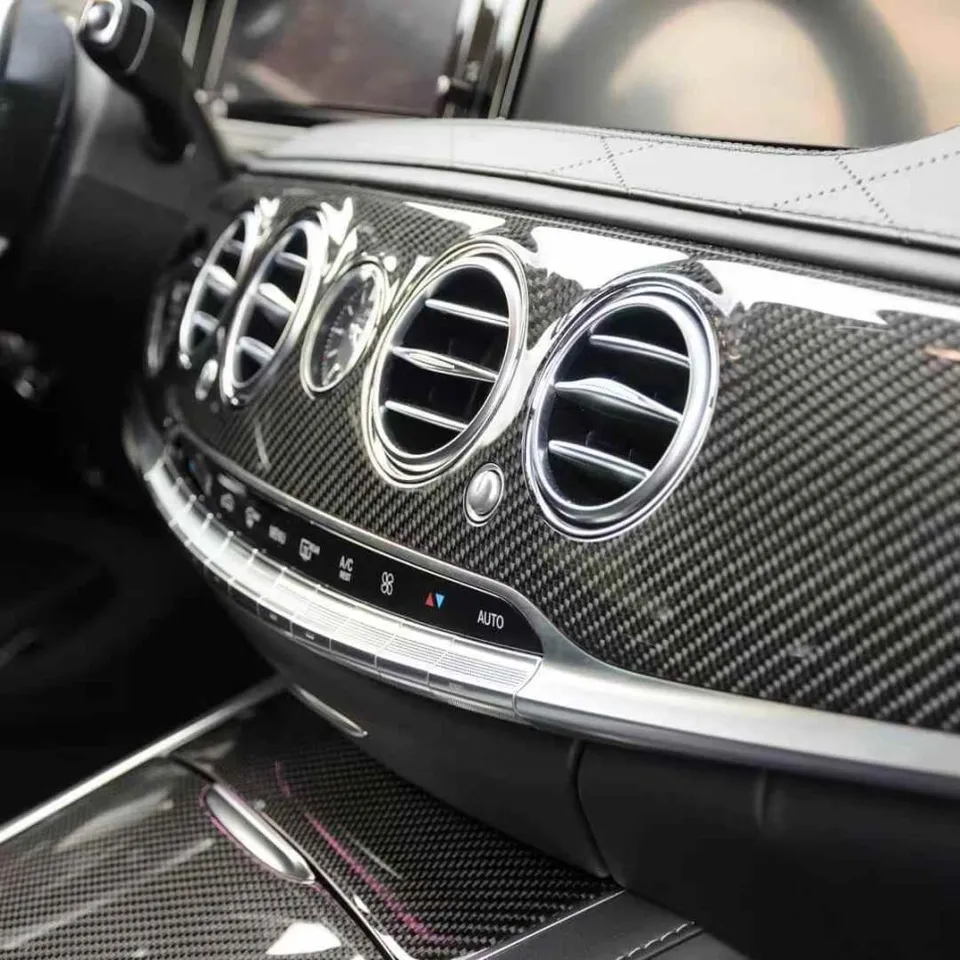
Kia Stinger interior hydrographic carbon fiber customization: Enhances cabin luxury with a deep, glossy finish. Results are durable and visually strik
Transforming Your Kia Stinger's Interior with Hydrographic Printing
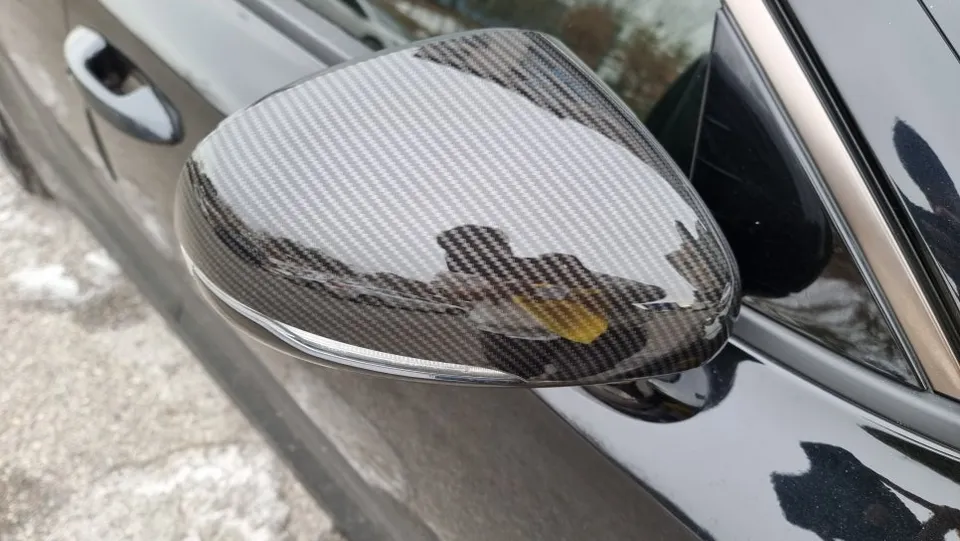
For Kia Stinger owners looking to add a touch of bespoke luxury to their cabin, interior customization offers a compelling way to stand out. This review delves into the process and results of applying a high-quality carbon fiber hydrographic (water transfer printing) finish to various interior components, including the dashboard trim, air vents, instrument cluster cover, and even the side mirror covers. This technique goes beyond simple stickers or overlays, aiming for a seamless, integrated look that enhances the vehicle's premium feel.
The Art of Hydrographic Printing: Detail and Durability
The key to a successful hydrographic application, especially on challenging surfaces like leather or textured plastics found in the Stinger's interior, lies in meticulous preparation and expert execution. Unlike basic carbon fiber wraps or stick-on parts, hydrographic printing involves a specialized film that is floated on water, treated with an activator, and then carefully wrapped around the 3D object. This process allows for intricate patterns, like the deep, glossy carbon fiber seen here, to conform perfectly to complex shapes. The Korean context highlights that achieving this flawless finish requires precise control over the activator's application; too little and the pattern won't transfer properly, too much and it can distort or melt. This method offers a depth and visual richness that surpasses simple powder coating, creating a truly integrated aesthetic. The result is a durable, high-gloss finish that significantly elevates the perceived quality of the interior, making elements like the dashboard lines and air vents appear as if they were factory-equipped with carbon fiber.
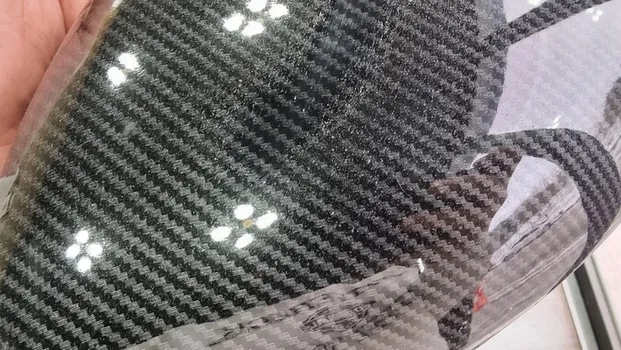
Installation Process: Precision and Expertise
The installation process for interior hydrographic customization demands a high level of skill and attention to detail. It's not a DIY job for the average car owner. Here’s a breakdown of the steps involved:
- Preparation and Masking: Thorough cleaning and degreasing of the parts to be treated are essential. Crucially, all surrounding areas not intended for treatment are meticulously masked off. This protects sensitive plastics and finishes from the activator solution, which can be harsh.
- Film Application and Activation: The specialized hydrographic film is carefully laid onto the surface of a water bath. Once it's floating, a chemical activator is precisely sprayed to liquefy the ink layer of the film.
- Dipping the Component: The prepared car part is then carefully submerged through the activated film at a specific angle and speed. This allows the liquefied ink to wrap around the object, conforming to its contours.
- Washing and Rinsing: After dipping, the component is gently rinsed with water to remove any residual film debris, ensuring a clean surface for the next stage.
- Drying and Clear Coating: The part is thoroughly dried to allow the applied film to adhere completely. Finally, a protective clear coat is applied to enhance durability, provide UV protection, and add a deep, glossy finish. This top coat is critical for the longevity and aesthetic appeal of the customization.
The entire process, from initial masking to the final clear coat, requires a controlled environment and experienced technicians to ensure a flawless, factory-quality finish. The Korean source mentions that the final clear coat needs approximately 48 hours of natural curing time to achieve maximum hardness and durability.
Frequently Asked Questions
Q. How much does interior customization cost for a Kia Stinger?
The hydrographic carbon fiber customization for specific interior parts on a Kia Stinger, as performed in Korea, can range from approximately $75 to $115 USD. Actual installation costs in the US may vary depending on the shop and the extent of the customization.
Q. How long does interior customization last on a Kia Stinger?
When properly installed and clear-coated, hydrographic interior customization can be very durable, resisting wear and fading for many years. Regular cleaning with mild automotive interior cleaners and avoiding abrasive materials will help maintain its finish.
Q. Is interior customization worth it for a Kia Stinger?
Interior customization like hydrographic carbon fiber printing is most worth it for Kia Stinger owners seeking a significant aesthetic upgrade and a more premium feel. It offers a unique way to personalize the cabin beyond standard options, adding visual appeal and perceived value.
Q. What does interior customization include for a Kia Stinger?
Interior customization, specifically hydrographic printing, can include various trim pieces such as dashboard lines, air vents, instrument cluster surrounds, and center console accents. The process involves applying a specialized film to these parts, creating a seamless, high-quality finish.
Q. What is the difference between seat covers and full upholstery for a Kia Stinger?
Seat covers are protective layers that fit over your existing seats, offering a temporary change in appearance and protection. Full upholstery involves replacing the original seat fabric or leather with new material, providing a more permanent and integrated aesthetic upgrade.
OhCar Partner Shop