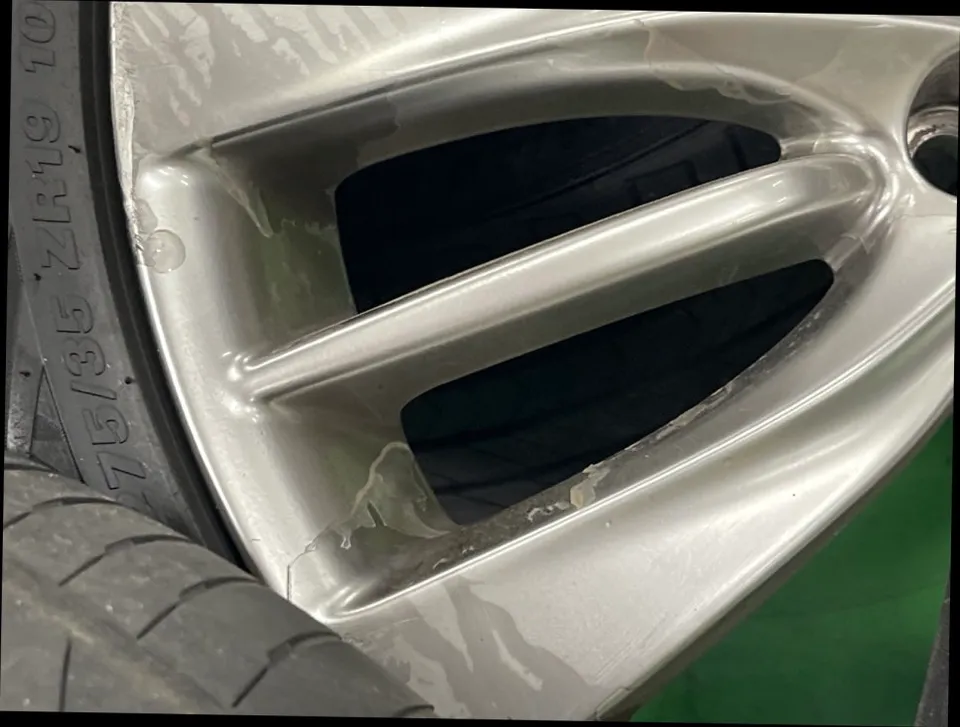
Kia K5 Performance Exhaust Review: Sound & Cost
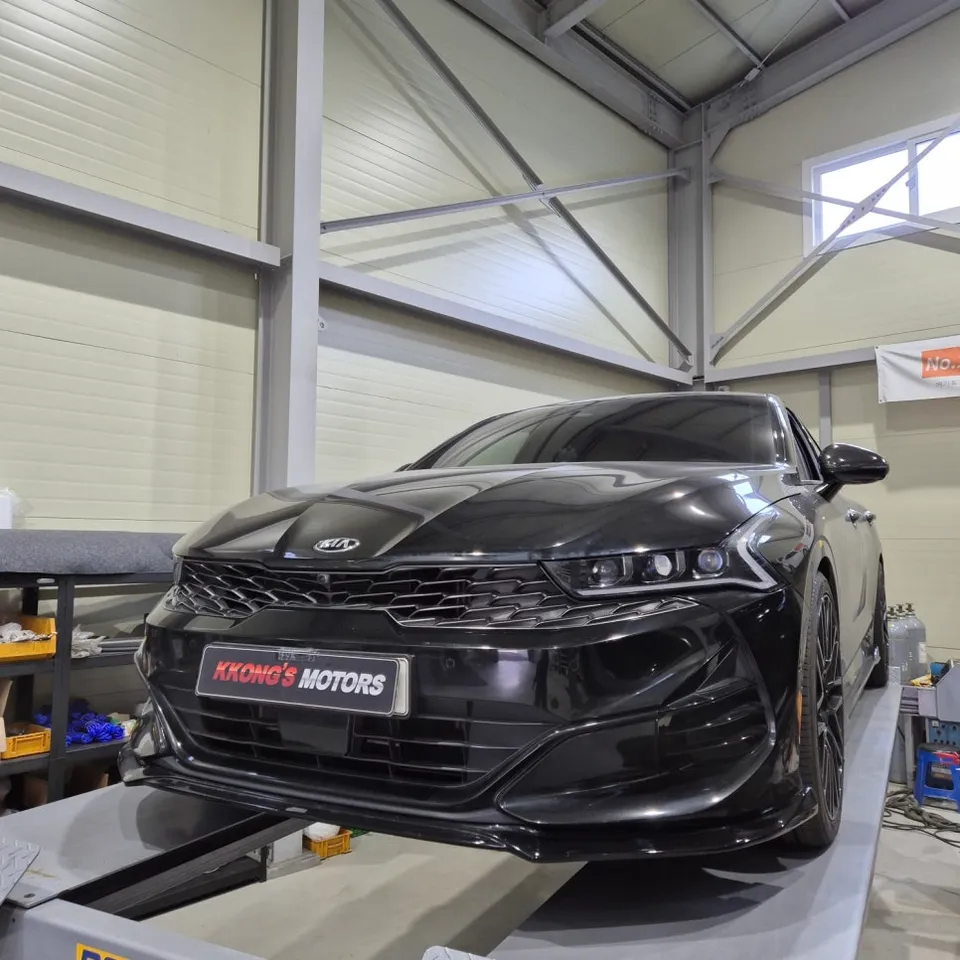

Kia K5 DL3 exhaust upgrade with chamber work: Enhances sound without booming. Improves exhaust flow for potential performance gains.
Kia K5 DL3 Exhaust Upgrade: Enhancing Sound and Performance
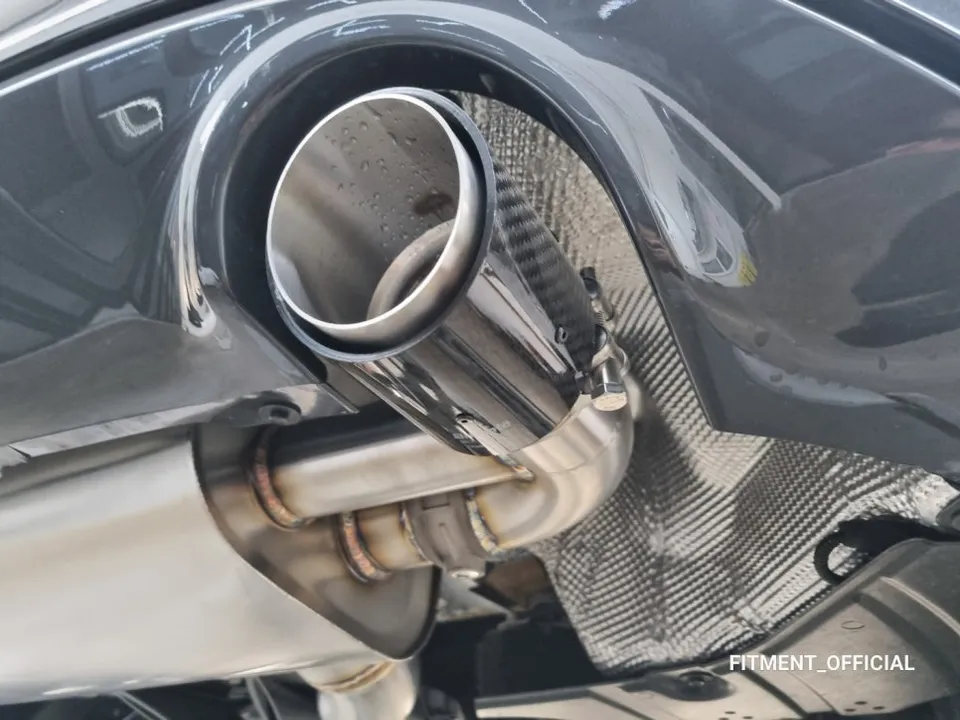
This review covers a performance exhaust upgrade for the Kia K5 DL3, focusing on the chamber work and ensuring a lack of booming noise. The owner of this black K5 DL3 clearly takes pride in their vehicle, as evidenced by the meticulous care and aesthetic enhancements. We'll delve into the installation process, the resulting sound and performance changes, and whether this type of modification is a worthwhile investment for your K5.
Performance Exhaust Installation and Results
The goal of this performance exhaust upgrade was to achieve a more aggressive, sporty sound without the unpleasant resonance or booming often associated with aftermarket systems. The chamber work is crucial for tuning the exhaust note. For this specific K5 DL3, the modification aimed to provide a satisfying auditory experience that complements the car's sporty appearance. While the original context doesn't specify exact horsepower gains, performance exhaust systems generally aim to improve exhaust flow, which can lead to modest increases in power and throttle response. The sound profile is often the most noticeable immediate change, offering a deeper, more resonant tone during acceleration and a pleasant hum at cruising speeds. The absence of booming is a key indicator of a well-executed exhaust modification.
Durability and Decision Making
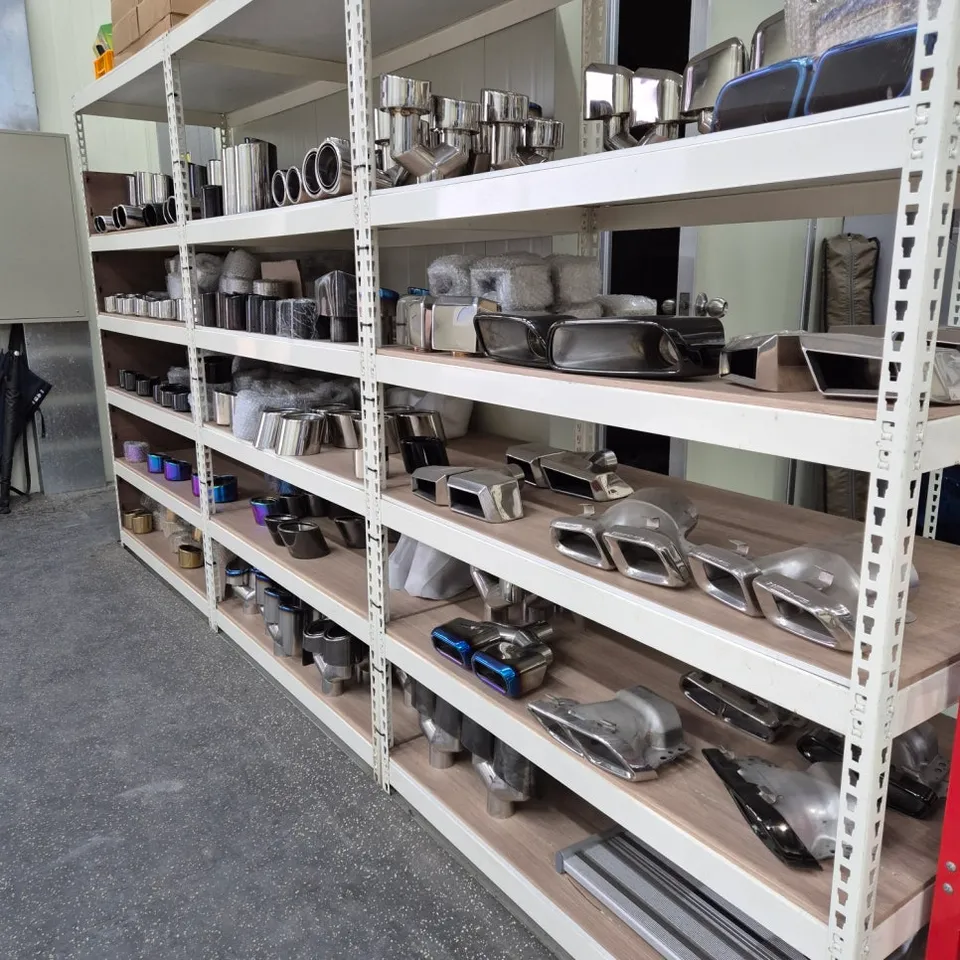
High-quality exhaust components, whether it's a full catback exhaust, axleback exhaust, or just a muffler upgrade, are typically made from durable materials like stainless steel to resist corrosion and withstand high temperatures. Proper installation is key to ensuring the longevity of the exhaust system. Regular checks for leaks or damage can help maintain its performance and sound quality over time. When considering a performance exhaust for your Kia K5, weigh the cost against the desired outcome. For enthusiasts seeking a more engaging driving experience through enhanced sound and potentially minor performance improvements, an exhaust upgrade can be a very satisfying modification. The key is to choose reputable parts and a skilled installer to achieve the best results, avoiding common pitfalls like excessive noise or poor fitment.
Installation Process:
- Removal of the stock exhaust system components.
- Custom fabrication and installation of the new chambered exhaust sections.
- Secure mounting and alignment of the new exhaust system.
- Testing to ensure proper fitment and sound quality, checking for leaks and unwanted resonance.
Frequently Asked Questions
Q. How much does an exhaust upgrade cost for a Kia K5?
The cost for this specific performance exhaust upgrade in Korea was not detailed in the original context, but similar catback or axleback exhaust systems in the US can range from $500 to $1500 depending on the brand and complexity.
Q. How does an exhaust upgrade affect performance on a Kia K5?
A performance exhaust upgrade can improve exhaust flow, potentially leading to modest gains in horsepower and throttle response. Proper installation and quality components ensure durability, with regular checks for leaks recommended for maintenance.
Q. Is an exhaust upgrade worth it for a Kia K5?
An exhaust upgrade is most worth it for Kia K5 owners seeking a more aggressive and satisfying engine sound. The value proposition lies in the enhanced auditory experience and potential for improved exhaust flow, making drives more engaging.
Q. How is an exhaust system upgraded on a Kia K5?
An exhaust system upgrade typically involves removing the factory components and installing aftermarket parts like a catback or axleback exhaust. This process often includes custom fabrication, such as chamber work, to tune the sound and ensure a proper fit.
Q. What is the difference between a catback and axleback exhaust for a Kia K5?
A catback exhaust replaces the exhaust system from the catalytic converter back, offering more significant sound and performance changes. An axleback exhaust only replaces the muffler and tips, providing a milder sound enhancement and often a lower cost.
OhCar Partner Shop