Kia Stinger Lighting Upgrade: Tail Light Conversion Review

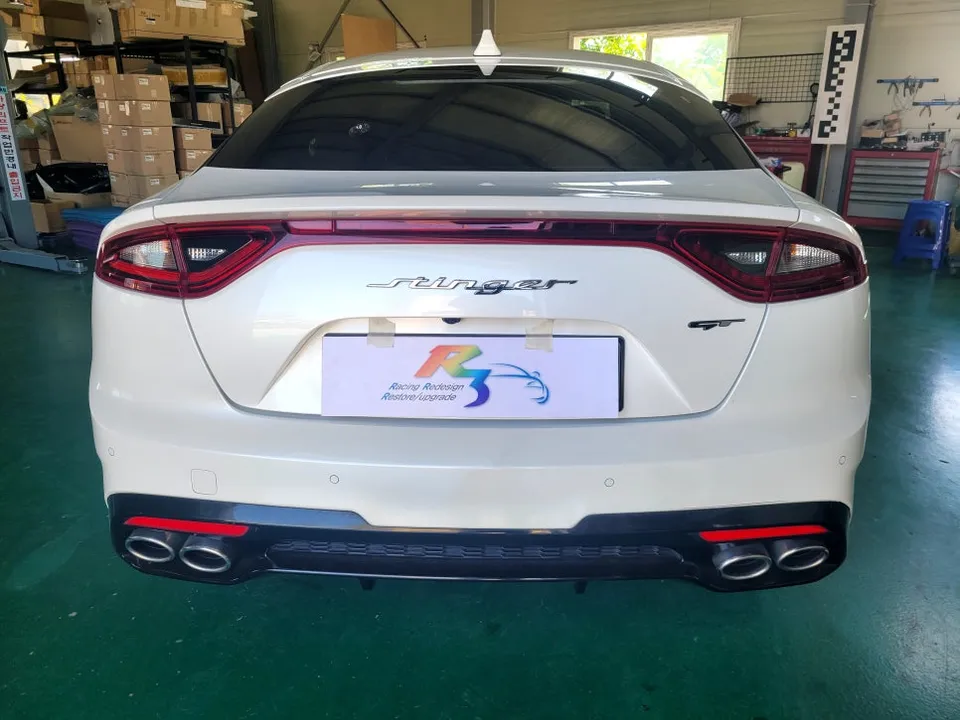
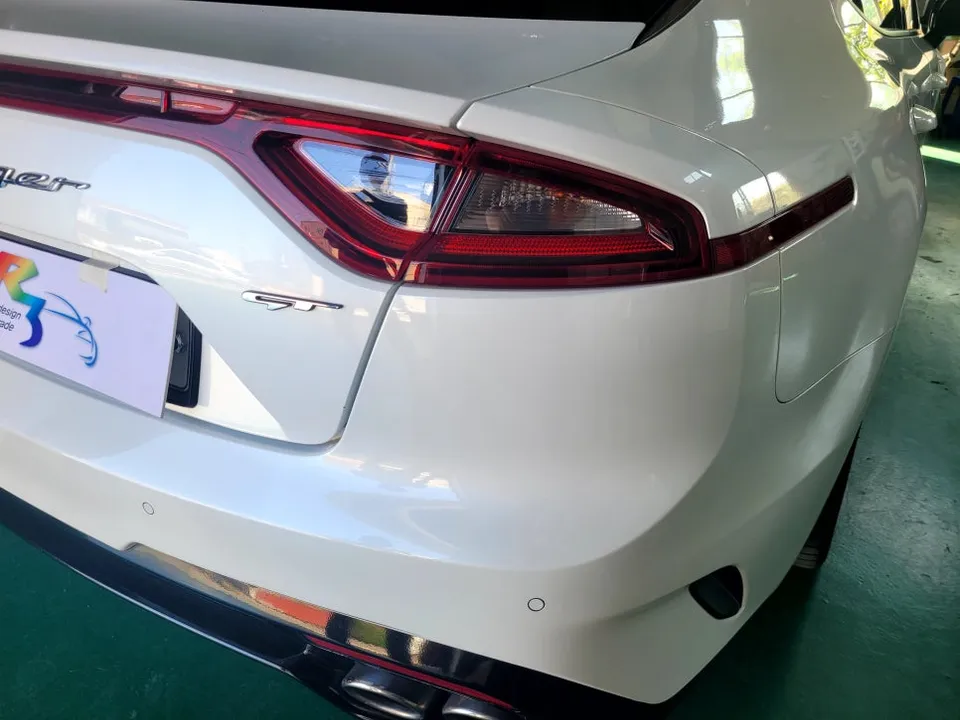
Kia Stinger tail light upgrade from bulb to LED honeycomb: enhances aesthetics and visibility. Installation involves replacing old units with new LED
Kia Stinger Tail Light Upgrade: From Bulbs to LED Honeycomb
Many Kia Stinger owners, especially those with pre-owned models from around 2017, are looking for ways to enhance their vehicle's aesthetics and functionality. A common point of interest is the rear lighting system. Older Stinger models often feature traditional bulb-type tail lights, which can appear dated compared to modern LED designs. This review focuses on a popular upgrade: converting the existing bulb-type tail lights to the sleek, modern LED honeycomb style. This modification is frequently sought after by owners of used Stingers, as it offers a significant visual improvement without altering the car's core design. We'll walk through the process and highlight the noticeable differences.
The LED Honeycomb Advantage
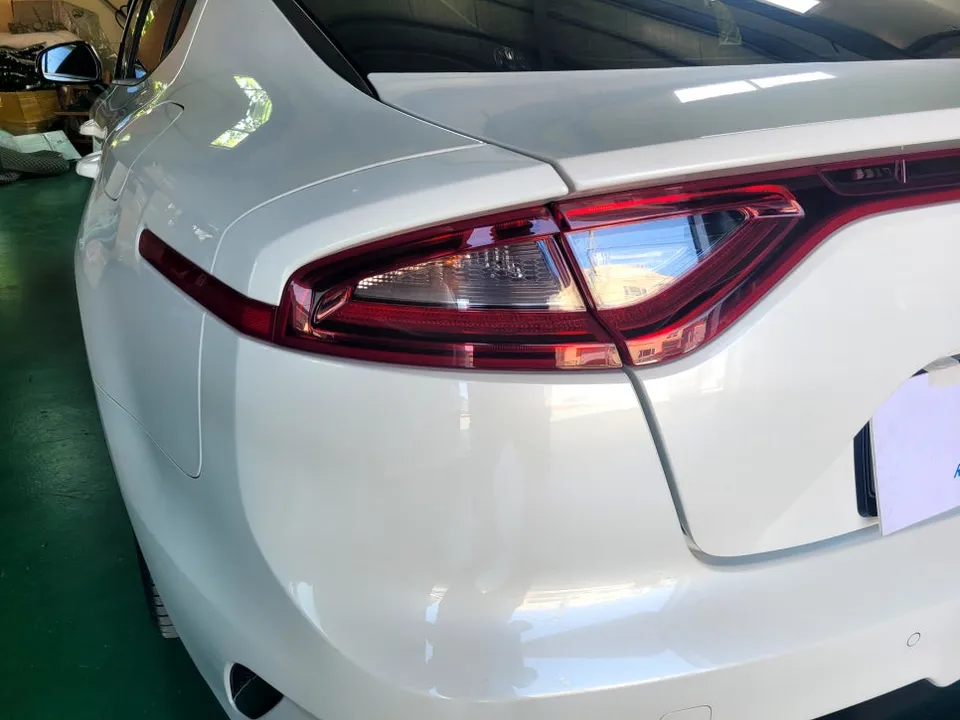
The primary appeal of the LED honeycomb tail light upgrade for the Kia Stinger lies in its dramatic visual impact. The honeycomb pattern, illuminated by bright, crisp LEDs, provides a more sophisticated and contemporary look. Unlike the warmer, sometimes less uniform glow of traditional incandescent bulbs, LEDs offer instant illumination, a more consistent light output, and often a more vibrant color. This upgrade not only enhances the car's rear-end appearance during the day but also significantly improves its presence and visibility at night. For Stinger owners who appreciate subtle yet impactful modifications, this tail light conversion is a highly recommended choice. It's a way to make a used Stinger feel more current and premium.
Installation Process:
- Carefully remove the existing bulb-type tail light assemblies from the Kia Stinger.
- Disconnect the wiring harnesses from the old units.
- Connect the new LED honeycomb tail light assemblies, ensuring all clips and connectors are securely in place.
- Test the new lights to confirm all functions (brake lights, turn signals, running lights) are working correctly.
- Reinstall the modified tail light assemblies onto the vehicle.
The process is relatively straightforward for those familiar with automotive electrical systems and trim removal. The result is a significantly modernized rear end that elevates the overall look of the Kia Stinger, making it stand out from other vehicles on the road.
Frequently Asked Questions
Q. How much does Lighting Upgrade cost for a Kia Stinger?
The cost for this specific LED honeycomb tail light upgrade for a Kia Stinger can vary, but similar kits often range from ₩500,000 to ₩1,000,000 in Korean Won. In the US, comparable LED tail light upgrades typically fall between $300 and $700.
Q. How long does Lighting Upgrade last on a Kia Stinger?
LED lighting upgrades are known for their longevity, often lasting 10-15 years or more with proper installation and minimal maintenance. To ensure longevity, keep the lens area clean and check electrical connections periodically.
Q. Is Lighting Upgrade worth it for a Kia Stinger?
This upgrade is particularly worth it for owners of older Kia Stinger models (like the 2017) who want to modernize the vehicle's appearance and improve rear visibility. The aesthetic and functional benefits offer significant value, making a used Stinger feel more contemporary.
Q. How is Lighting Upgrade done on a Kia Stinger?
The installation process involves removing the original bulb-type tail light assemblies, disconnecting the wiring, connecting the new LED honeycomb units, testing their functionality, and then securely reinstalling them.
Q. What is the best Lighting Upgrade option for a Kia Stinger?
For a significant visual and functional improvement on older Kia Stinger models, the LED honeycomb tail light conversion is a top choice, offering a modern aesthetic. While other lighting upgrades exist, this specific conversion provides the most impactful update to the rear design.
OhCar Partner Shop