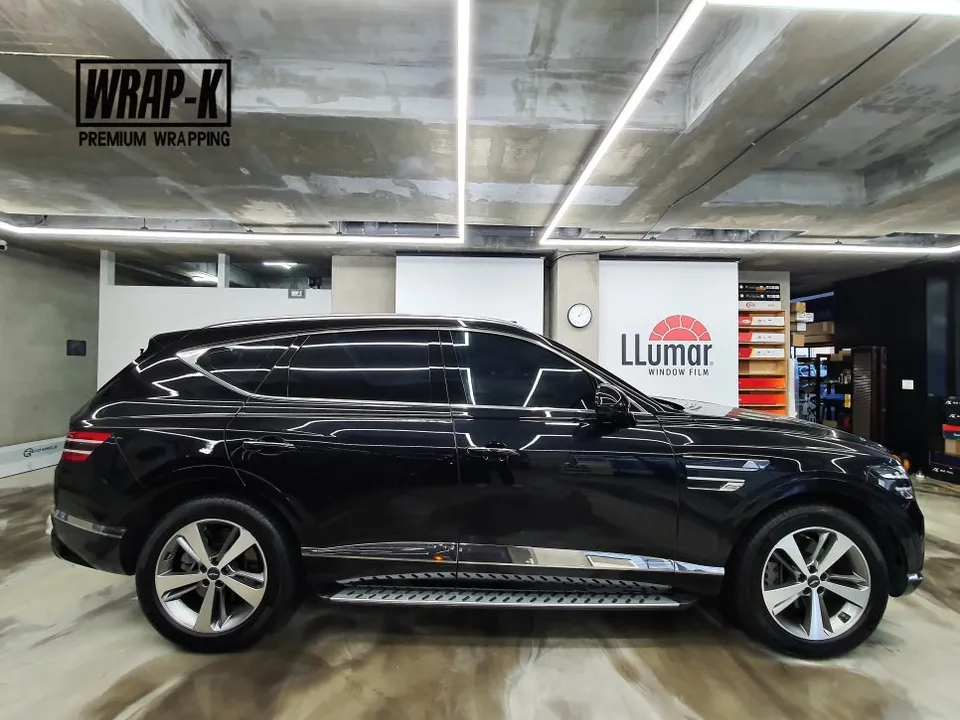
Kia Stinger Steering Wheel Customization Review
Service Price
$150+
Estimated price · Actual price may vary by shop
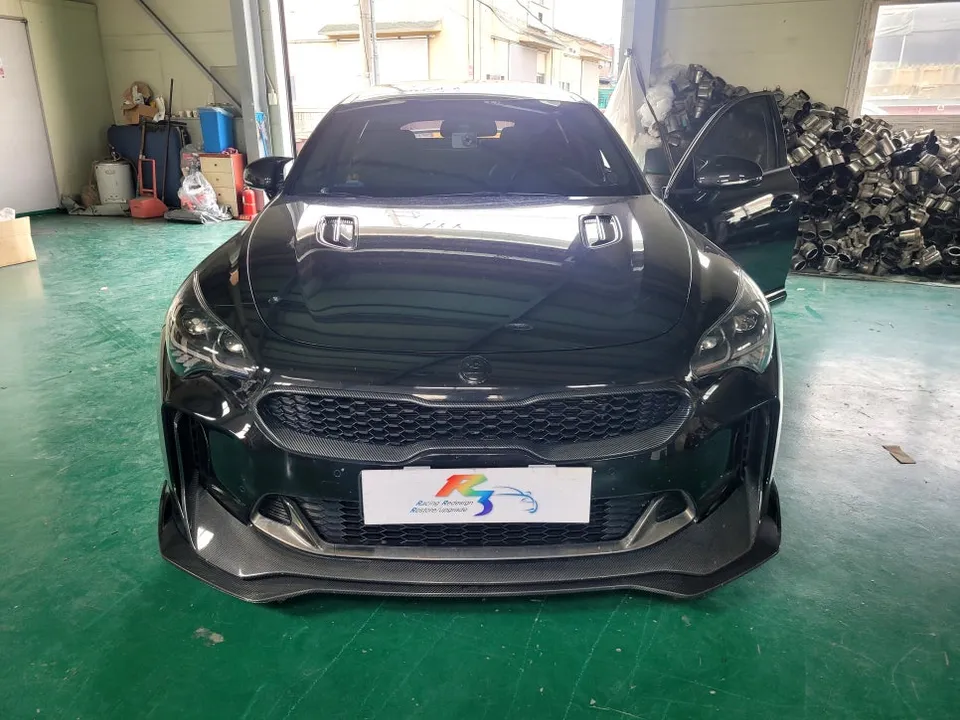
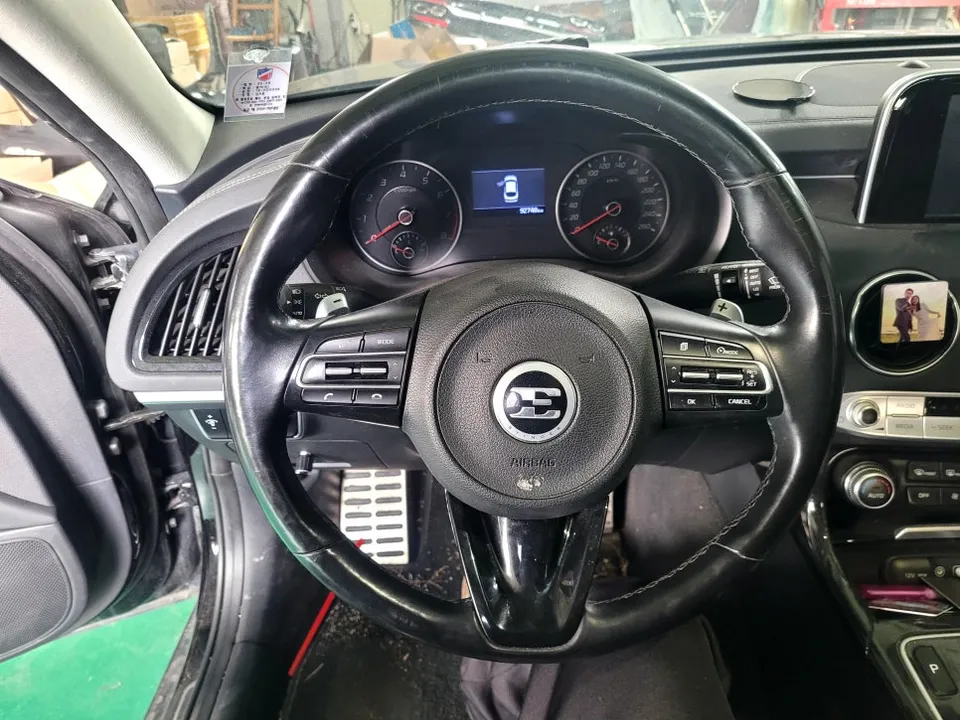
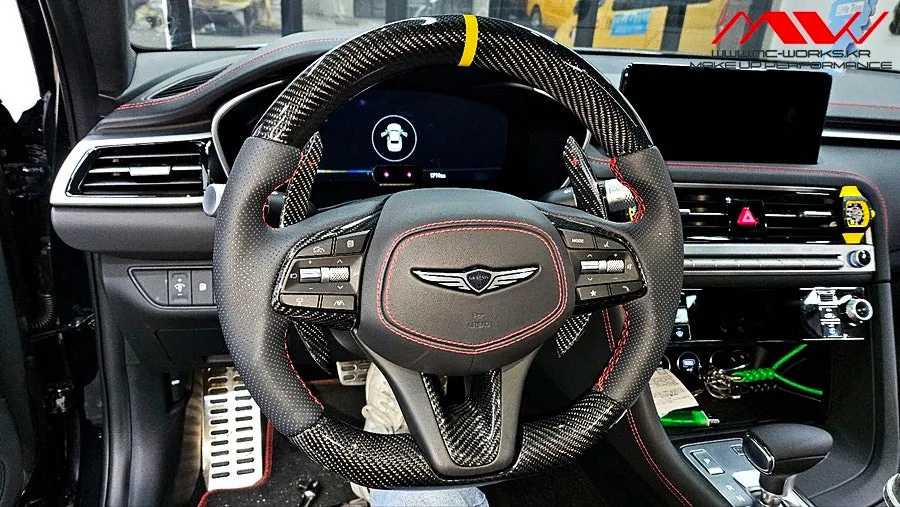
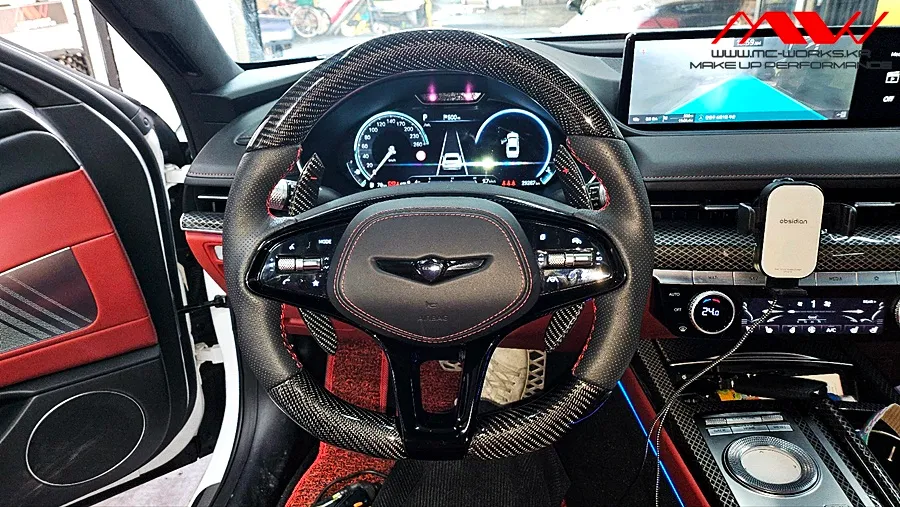
Kia Stinger D-cut steering wheel customization offers a sportier look and feel. Installation involves transferring components from the original wheel.
Understanding the Kia Stinger's Steering Wheel
The Kia Stinger, a rear-wheel-drive coupe sedan, offers a sporty driving experience. However, many owners of the second generation (2017 onwards) find the standard large, round steering wheel doesn't fully match the car's sporty image. Customization, particularly converting to a D-cut steering wheel, is a popular modification to enhance both aesthetics and ergonomics. The Stinger's steering wheel is a key interior element, and modifications must carefully preserve essential functions like paddle shifters and multi-function switches.
Key aspects covered in this review:
· The process of converting a Stinger's round steering wheel to a D-cut.
· Differences when replacing the steering wheel boss versus the entire unit.
· Important considerations when purchasing used parts.
· Estimated costs and time for the customization.
· Post-installation care tips.
Why Opt for a D-Cut Steering Wheel on the Stinger?
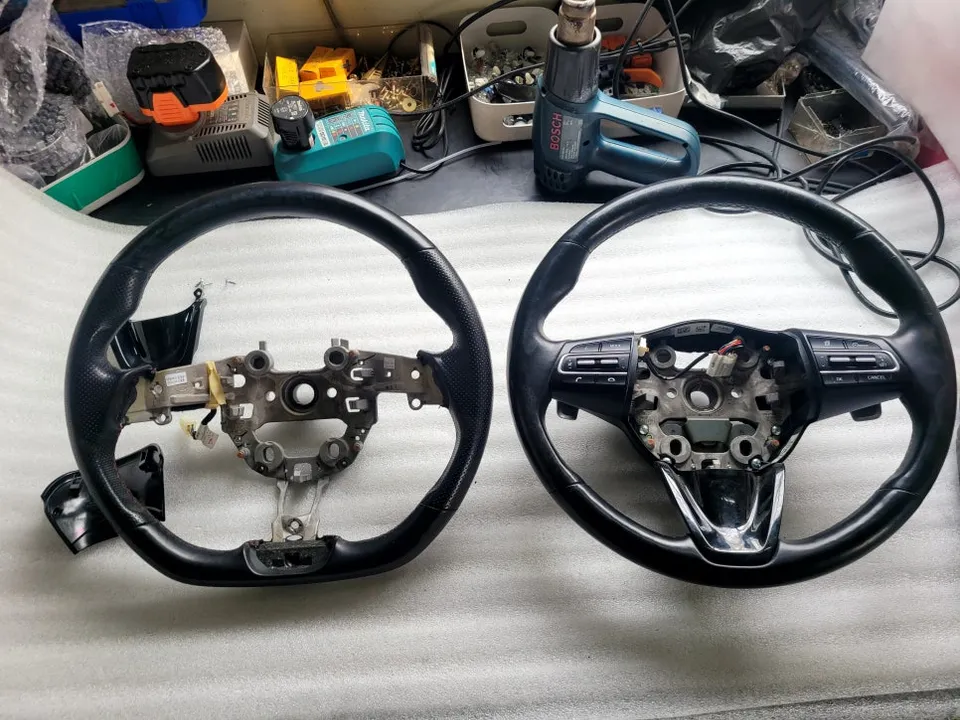
The standard 2017 Stinger steering wheel, while elegant, can lack the tactile grip desired for spirited driving. A D-cut steering wheel, characterized by its flattened bottom edge, offers a sportier feel and improved handling, especially when wearing gloves in colder weather. It significantly elevates the interior's overall ambiance. A crucial point for Stinger owners is that new D-cut steering wheels are exceptionally rare and expensive. Consequently, the common approach involves sourcing a used D-cut wheel and transferring the original steering wheel boss, switches, and paddle shifters from the factory round wheel.
The Custom Steering Wheel Installation Process: Component Transfer is Key
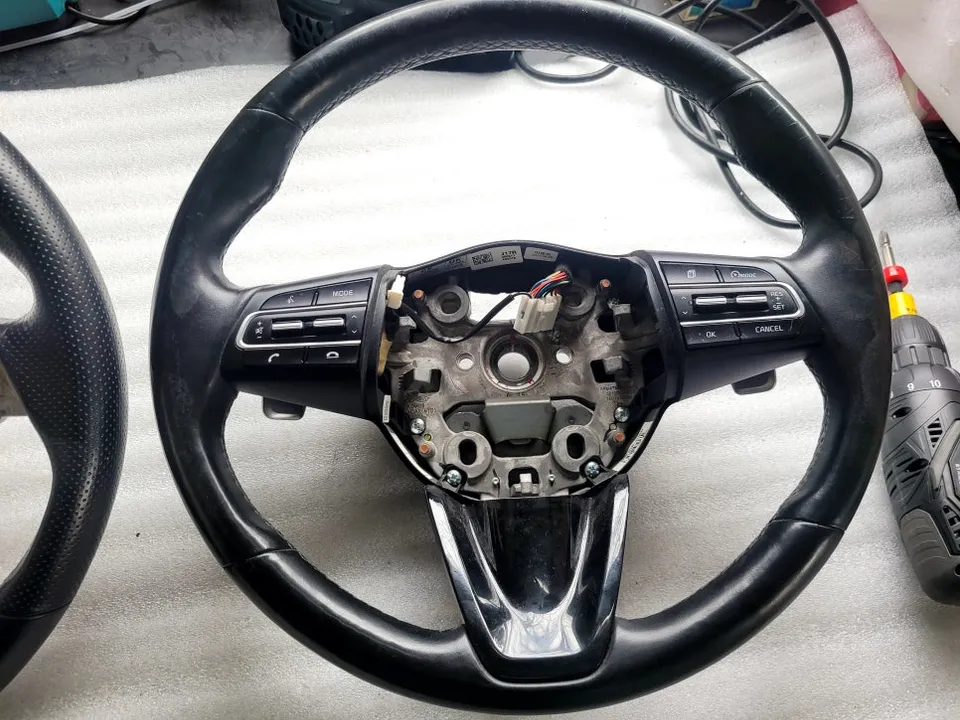
While seemingly straightforward, installing a custom steering wheel, especially a D-cut conversion, requires precision. The core of the process involves carefully removing the original steering wheel boss (the central hub housing the airbag) and meticulously transferring all electronic components, switches, and paddle shifters to the new D-cut wheel. Incorrect reassembly can compromise airbag functionality, making careful handling paramount. The installation process typically involves these steps:
- Airbag and Steering Wheel Removal: Safely disconnect the battery and disengage the airbag module. Then, remove the steering wheel by undoing the central Torx screws and disconnecting the wiring harnesses. Documenting connector positions is crucial.
- Component Transfer: Carefully detach the switches, paddle shifters, and any other electronic components from the original steering wheel boss.
- Installation onto D-Cut Wheel: Mount the transferred components onto the D-cut steering wheel's boss, ensuring all connections are secure and correctly oriented.
- Reassembly: Reinstall the D-cut steering wheel onto the steering column, reconnect all wiring harnesses, and reattach the airbag module.
- Final Checks: Reconnect the battery and test all steering wheel functions, including horn, buttons, and paddle shifters. Ensure the airbag warning light is off.
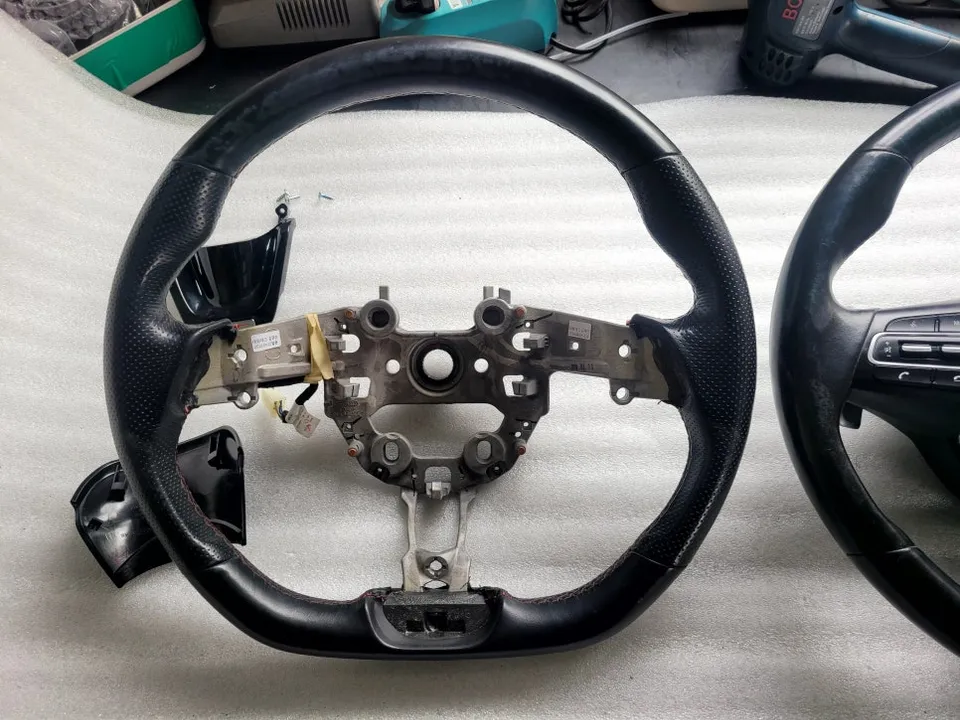
An important detail is the 'Ornament' – the plastic trim piece on the upper rim, often bearing the model name or logo. This needs to be swapped from the original wheel to the D-cut wheel, and its availability in used parts packages is not guaranteed. The visual transformation from the round to the D-cut shape is immediate, lending a distinctly sportier and more premium feel to the Stinger's cabin, especially with GT line trims.
Potential Challenges with Used Parts
Using pre-owned components can introduce unforeseen issues. A common problem is incompatibility between the original steering wheel switches and the new wheel, as switch layouts can vary between Stinger generations. Always verify that the used parts are from the same model year or compatible generation. Damaged connectors on the used wheel are another potential pitfall, necessitating repairs or replacement parts. Similarly, ensure the paddle shifters are fully functional and compatible before proceeding with the swap.
Frequently Asked Questions
Q. How much does steering wheel customization cost for a Kia Stinger?
The cost for a D-cut steering wheel customization on a Kia Stinger can vary, but typically ranges from ₩500,000 to over ₩1,000,000 (approximately $375-$750 USD) depending on the condition of the used parts and labor fees. In the US, similar custom steering wheel installations can range from $400 to $1000+.
Q. How long does steering wheel customization last on a Kia Stinger?
A properly installed custom steering wheel can last for the lifetime of the vehicle, provided quality parts are used and the installation is done correctly. Regular cleaning with appropriate interior protectants will help maintain the material's condition and prevent premature wear.
Q. Is steering wheel customization worth it for a Kia Stinger?
Steering wheel customization is highly recommended for Kia Stinger owners seeking a sportier aesthetic and improved grip. It significantly enhances the driving experience and interior feel, making it a worthwhile upgrade for enthusiasts.
Q. How is steering wheel customization done on a Kia Stinger?
Customization involves removing the original steering wheel, carefully transferring the airbag, switches, and paddle shifters to a new D-cut steering wheel, and then reinstalling the modified unit. This requires precision to ensure all electronic functions and safety features remain operational.
Q. What is the best steering wheel customization option for a Kia Stinger?
The D-cut steering wheel is the most popular and recommended customization for the Kia Stinger, offering a superior ergonomic grip and a distinctly sporty appearance compared to the original round wheel. Opting for a D-cut wheel with GT line trim details further elevates the premium feel.
OhCar Partner Shop