Kia Stonic Body Kit Review — Enhanced Aesthetics
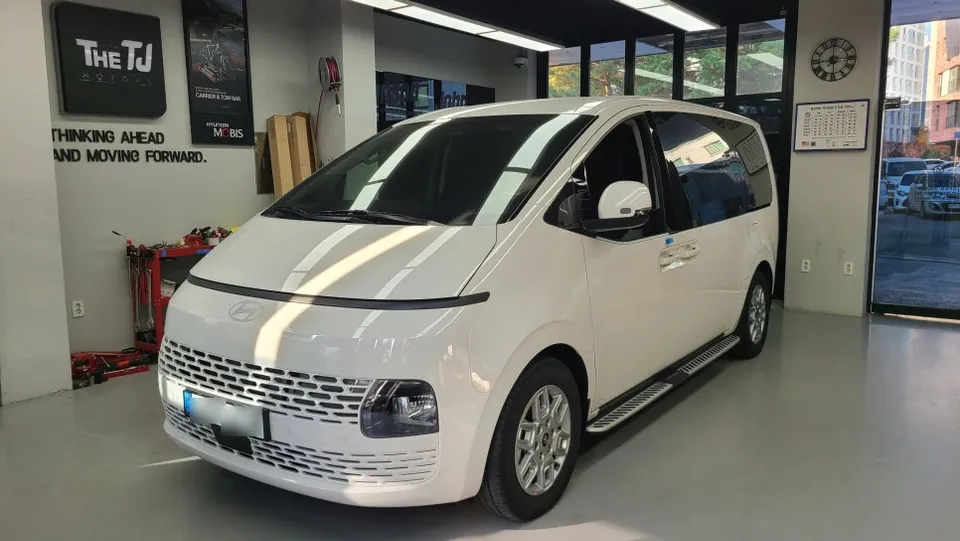
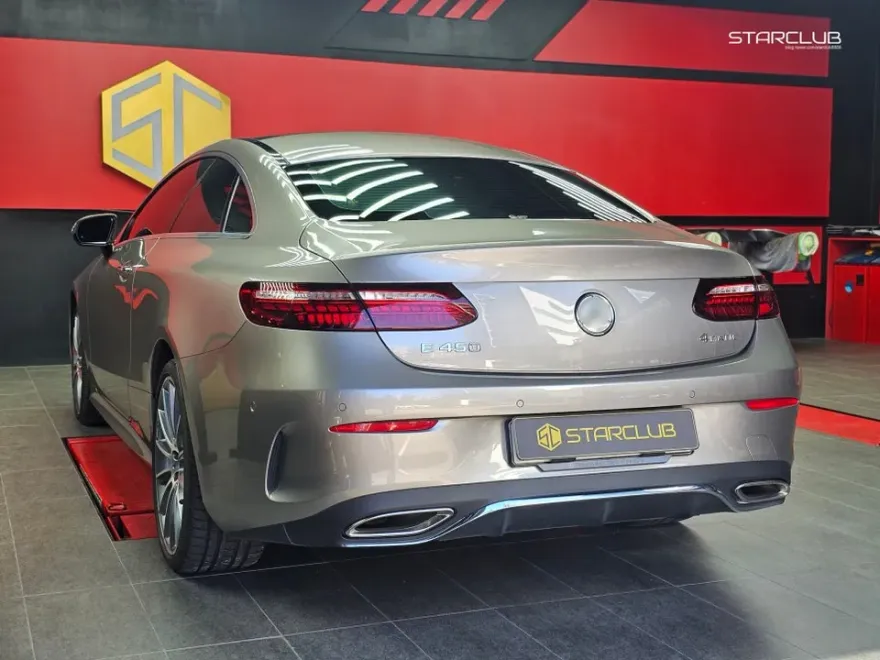
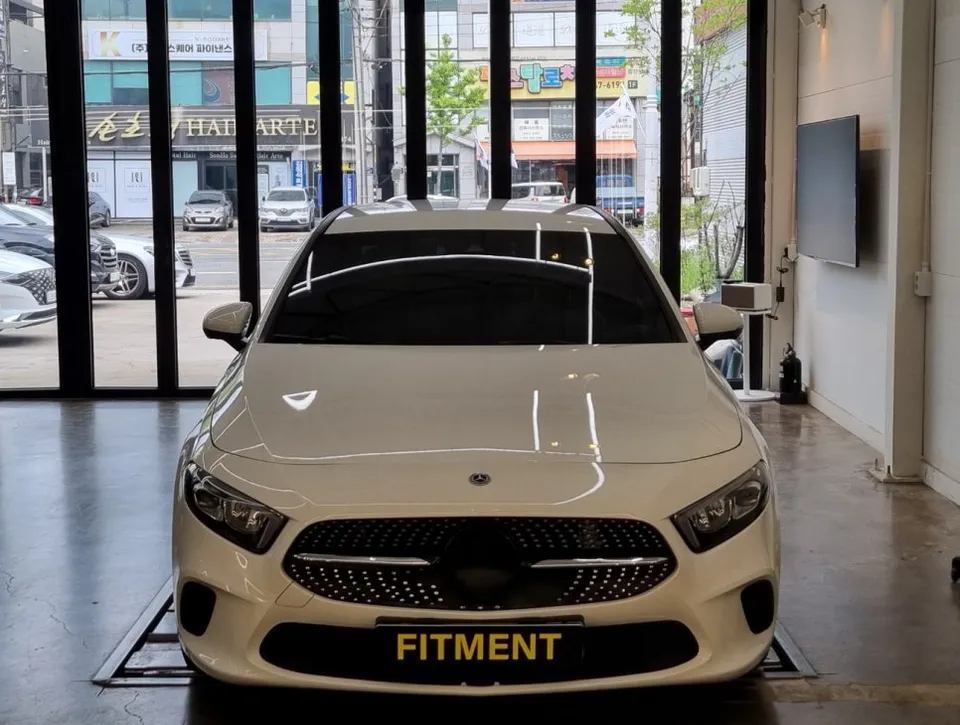
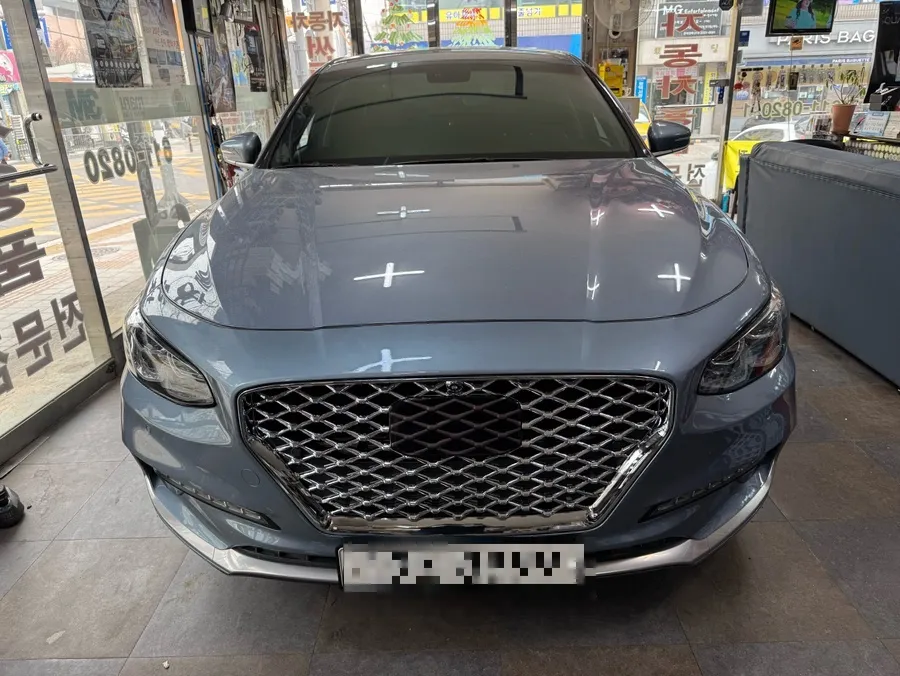
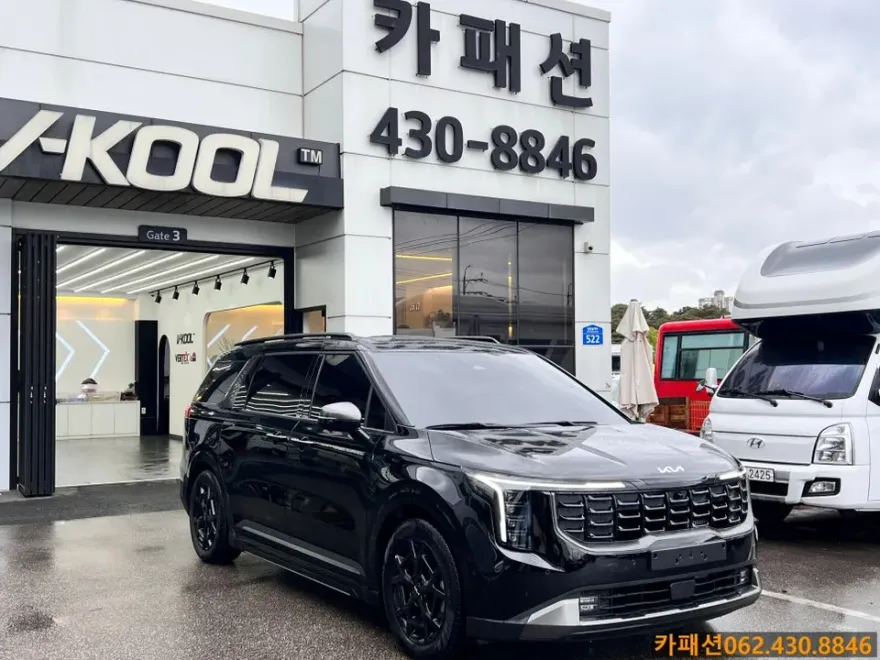
Before
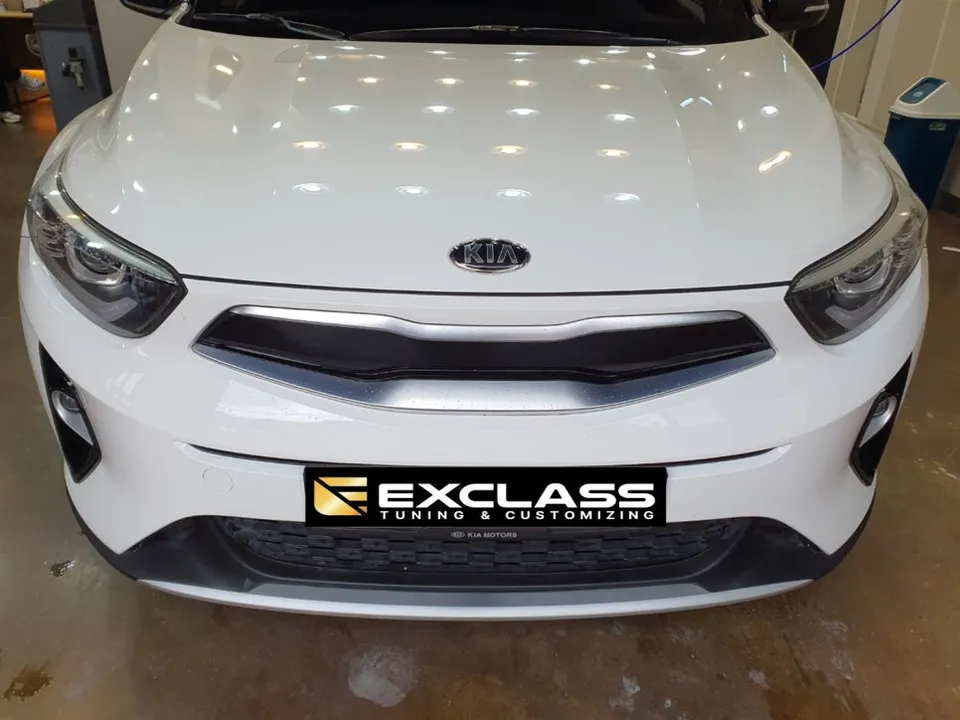
After

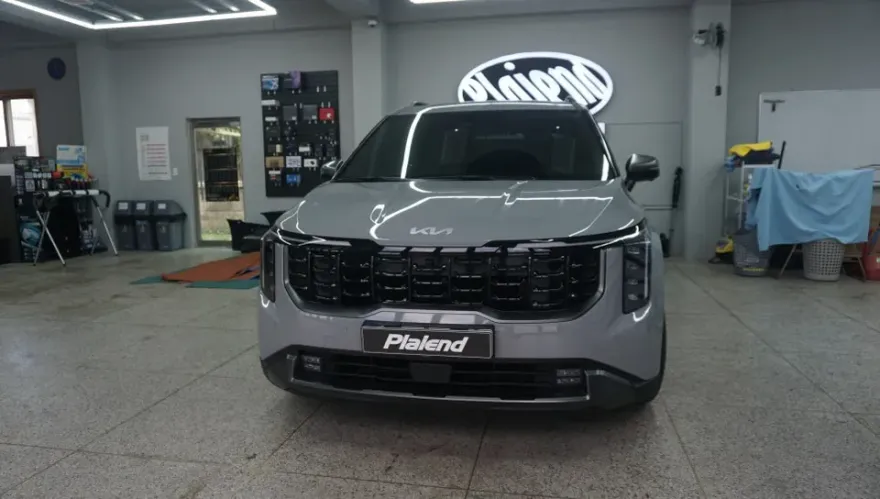
Process photos

Kia Stonic body kit installation enhances aesthetics with custom bumpers and side skirts. Results in a sportier, more aggressive look.
Transforming Your Kia Stonic with a Body Kit
The Kia Stonic, a compact crossover known for its urban agility, can be further personalized with the addition of a custom body kit. This modification focuses on enhancing the vehicle's visual appeal, giving it a more aggressive and sporty stance. While the Stonic already boasts a distinctive design, a body kit can amplify its character, making it stand out from the crowd. This review delves into the specifics of body kit installation for the Kia Stonic, the materials commonly used, and the transformative results achievable.
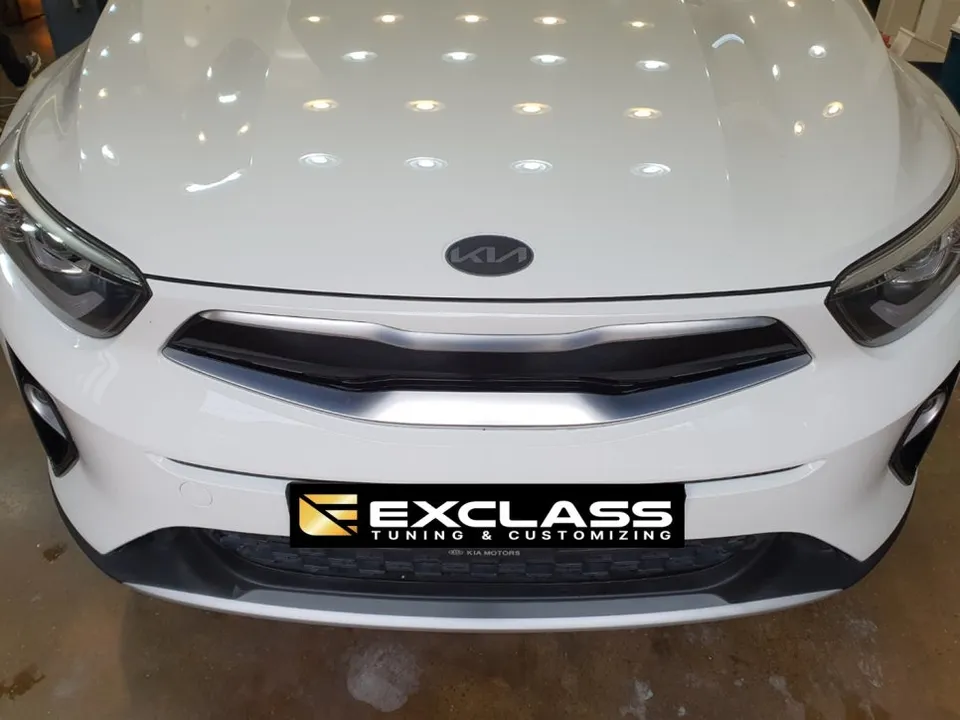
Body Kit Components and Materials
Body kits for the Kia Stonic typically include a range of aerodynamic enhancements such as front and rear bumpers, side skirts, and sometimes spoilers or diffusers. The primary materials used in manufacturing these kits are often polyurethane and fiberglass-reinforced plastic (FRP). Polyurethane is known for its flexibility and durability, making it resistant to minor impacts and less prone to cracking. FRP, while often more affordable, is lighter but can be more brittle and may require more careful handling during installation and maintenance. The choice of material can significantly impact the longevity and overall look of the installed kit.
Installation Process and Results
Installing a body kit on a Kia Stonic is a detailed process that requires precision and often professional expertise to achieve a seamless finish. The kit is designed to integrate with the existing body lines of the vehicle, ensuring a factory-like fitment. The visual impact is immediate, with the Stonic appearing lower, wider, and more dynamic. This enhancement not only improves aesthetics but can also contribute to a perception of improved performance, even if aerodynamic gains are minimal for street use. The overall result is a Stonic that looks uniquely customized and sportier.
Installation process:
- Surface Preparation: Thoroughly clean and degrease the Stonic's original bumpers and side panels where the new kit components will attach.
- Component Fitting: Carefully align and temporarily attach the new body kit parts (front lip, side skirts, rear diffuser) to the vehicle, ensuring a perfect fit.
- Securing the Kit: Permanently affix the components using a combination of automotive-grade adhesives, clips, and sometimes screws, depending on the kit's design.
- Finishing Touches: Sand any rough edges, apply primer, and paint the body kit components to match the Stonic's original paint color or a custom finish.
- Final Inspection: Check all fittings for stability and ensure a clean, professional look.
Frequently Asked Questions
Q. How much does a body kit cost for a Kia Stonic?
The price for a body kit for the Kia Stonic can vary, but typically ranges from ₩500,000 to ₩2,000,000 in Korea. In the US, similar kits often fall within the $500 to $2,000 range, depending on the brand and components included.
Q. How long does body kit installation take on a Kia Stonic?
Professional installation of a body kit on a Kia Stonic usually takes between 4 to 8 hours, depending on the complexity of the kit and any necessary paint matching. To ensure longevity, avoid washing the vehicle for at least 48 hours after installation to allow adhesives to fully cure.
Q. Is a body kit worth it for a Kia Stonic?
A body kit is worth it for Kia Stonic owners who prioritize a unique, sporty aesthetic and want their vehicle to stand out. It offers a significant visual upgrade that can enhance the car's perceived value and personal appeal.
Q. How is a body kit installed on a Kia Stonic?
Installation involves preparing the vehicle's surface, precisely fitting the new components like bumpers and side skirts, and then securely attaching them using automotive adhesives and fasteners. Finally, the kit is painted to match the car's color for a seamless look.
Q. What is the difference between FRP and polyurethane body kits for a Kia Stonic?
Polyurethane body kits are more flexible and impact-resistant, making them ideal for daily driving and less prone to cracking. FRP kits are lighter and often more affordable but can be more brittle and susceptible to damage from impacts.
OhCar Partner Shop