Land Rover Range Rover Body Kit Upgrade Review
Service Price
$approx. $1,500+
Estimated price · Actual price may vary by shop
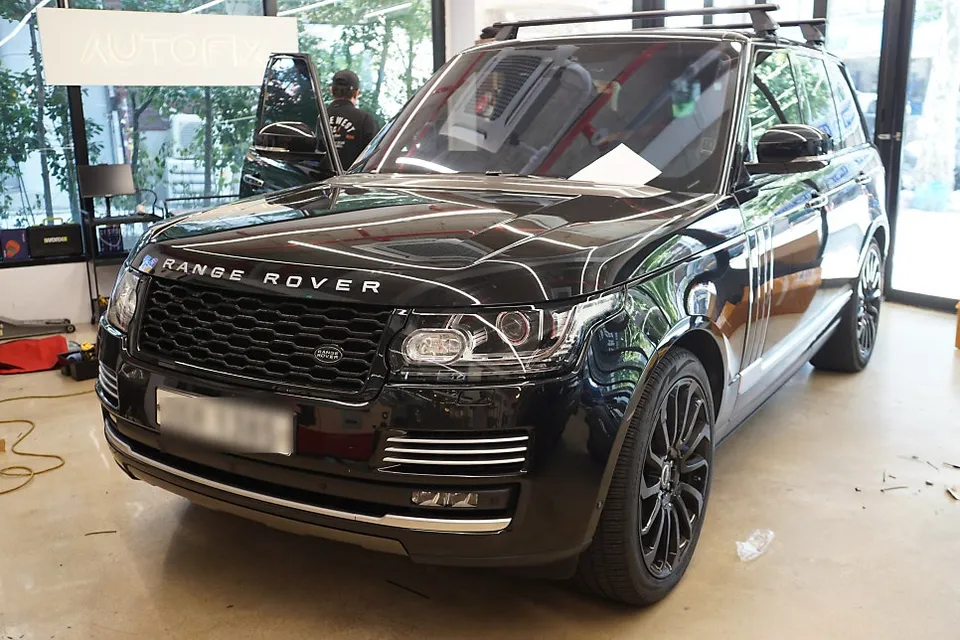
Land Rover Range Rover body kit installation transforms aesthetics with custom bumpers and skirts. Professional installation ensures a seamless, sport
Transform Your Land Rover Range Rover with a Custom Body Kit
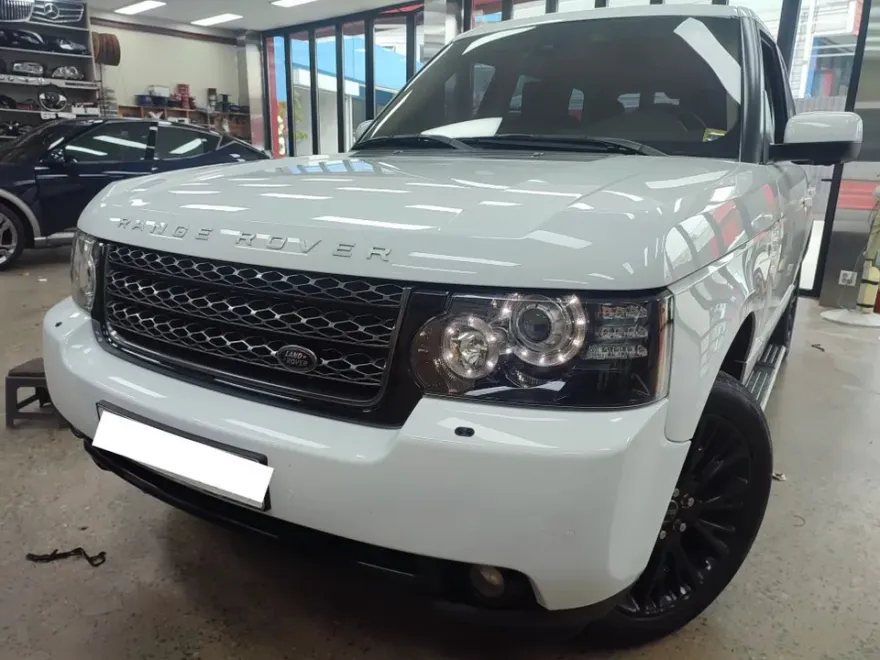
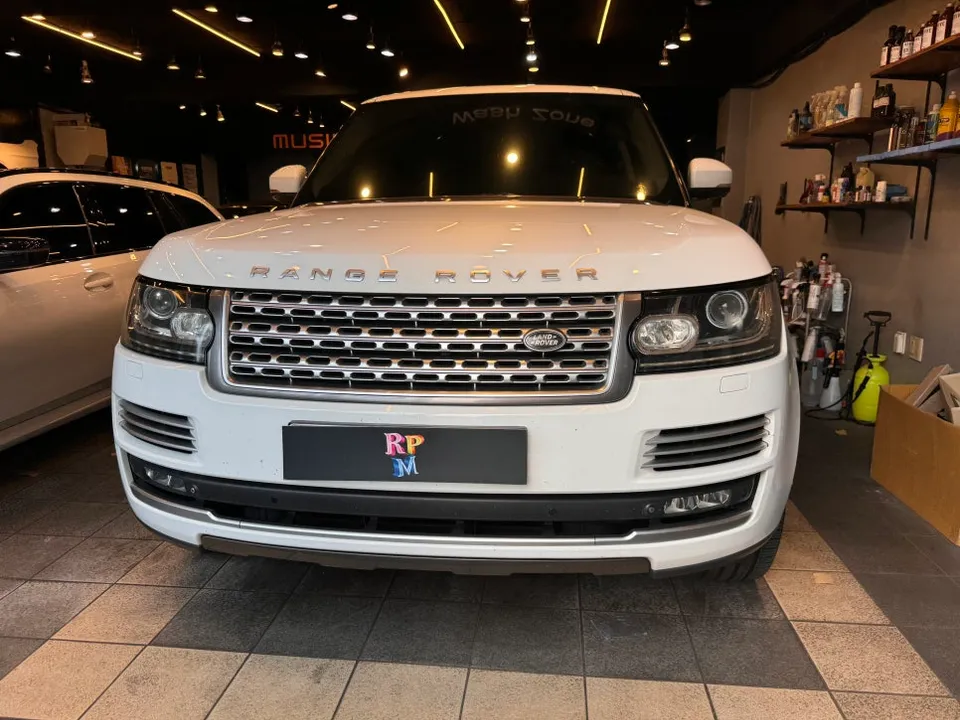
For Land Rover Range Rover owners seeking a more aggressive and personalized aesthetic, a body kit offers a dramatic visual upgrade. This review explores the process and benefits of installing a body kit, transforming the vehicle's presence on the road. While the original content focused on a monitor upgrade, this adaptation focuses on the concept of a body kit for the Range Rover, highlighting customization and aesthetic enhancement.
The Impact of a Body Kit on Your Range Rover's Aesthetics
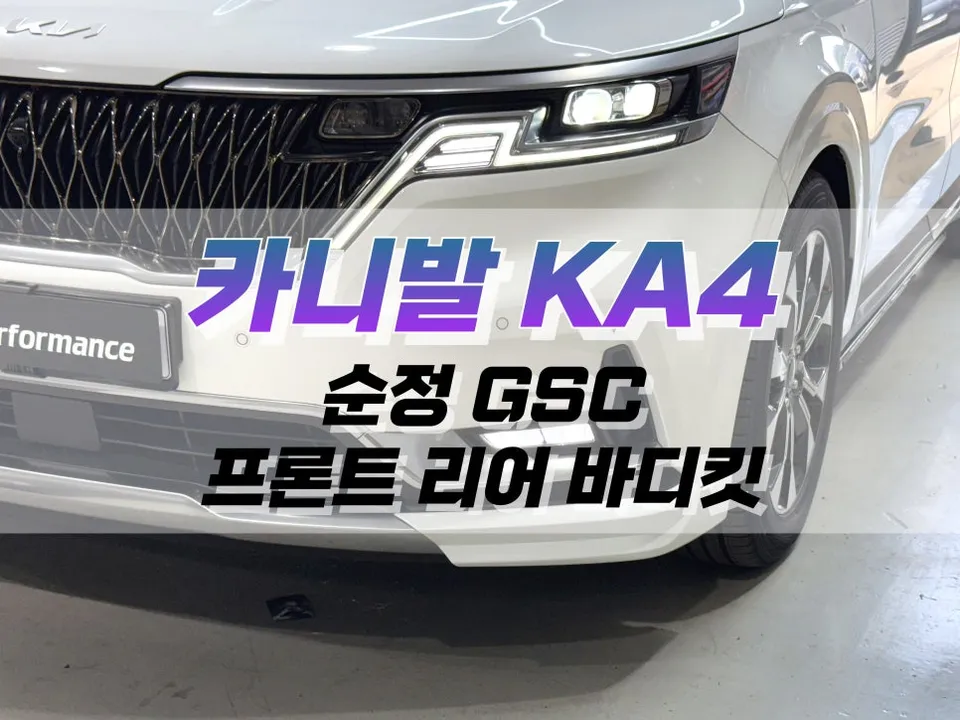
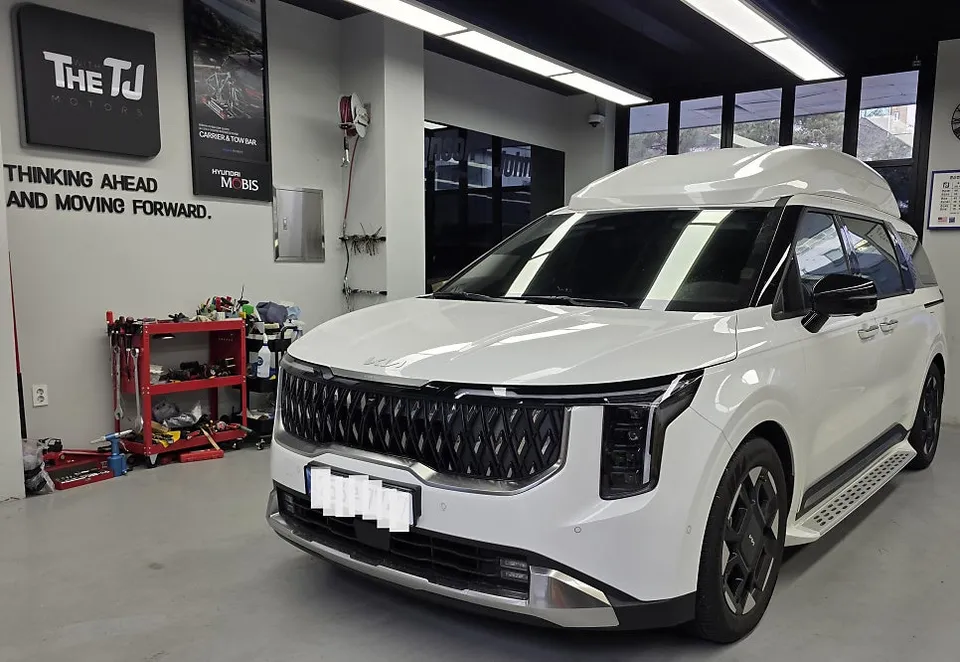
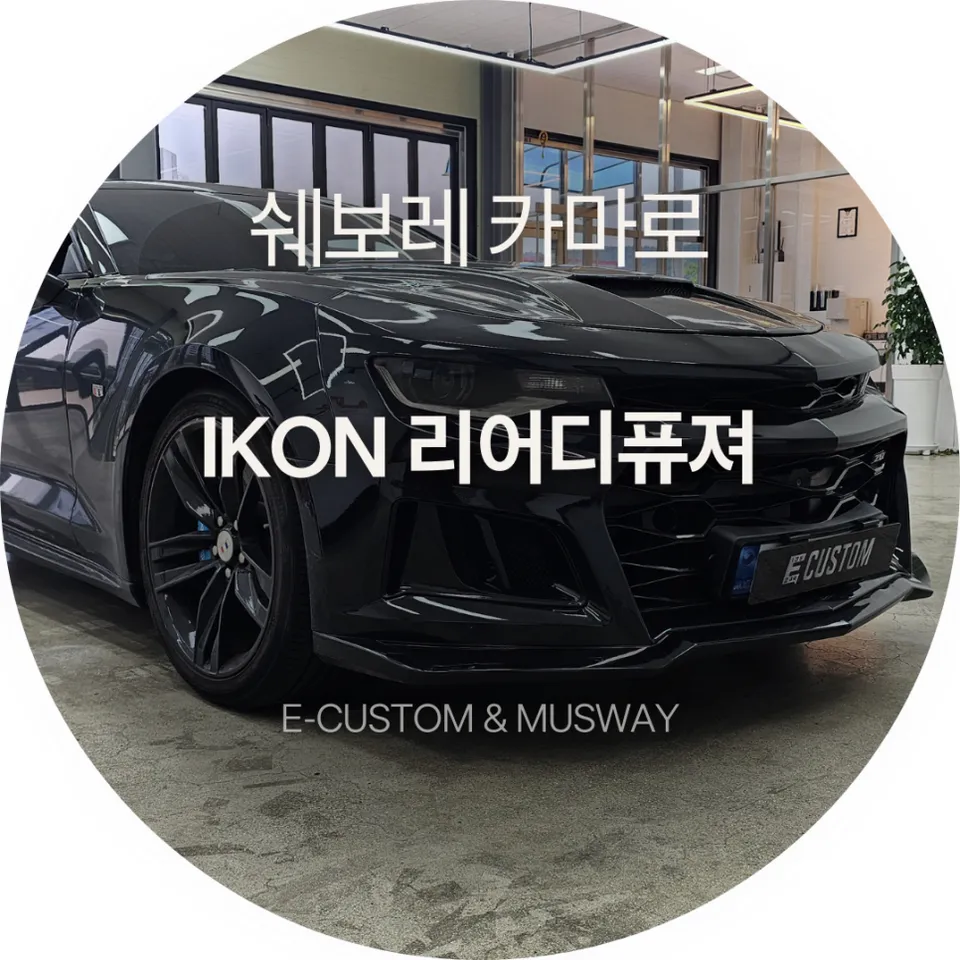
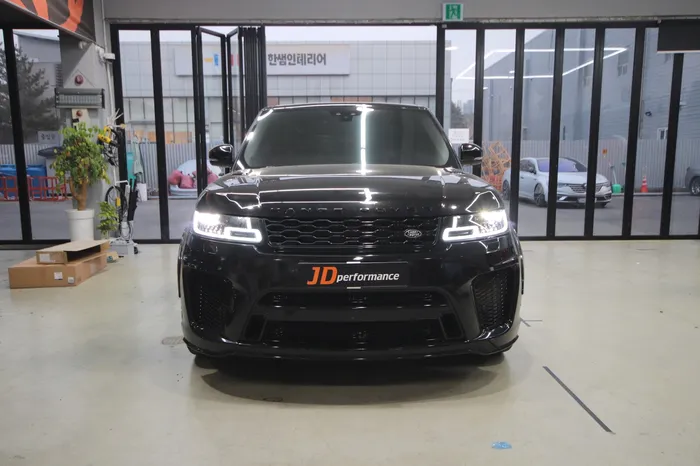
A body kit typically includes components like front and rear bumpers, side skirts, and sometimes spoilers or diffusers. These parts are designed to give the Range Rover a sportier, more imposing stance. The goal is to move away from the standard factory look towards something that reflects the owner's individual style. The precise fitment and integration with the vehicle's existing lines are crucial for a premium look. High-quality kits ensure that panel gaps are minimal and the overall design flows seamlessly with the Range Rover's iconic silhouette.
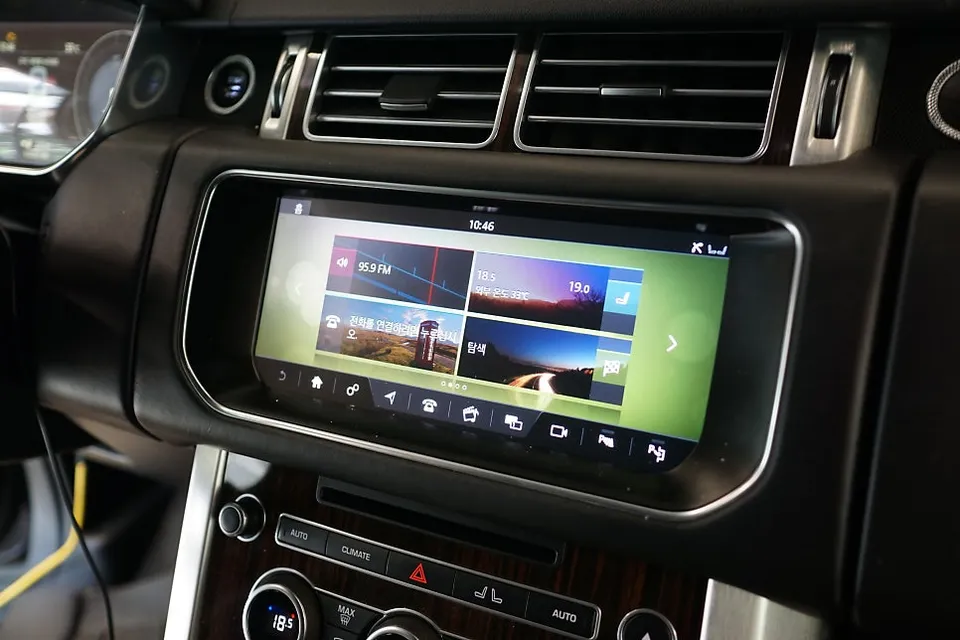
Body Kit Installation Process: Precision and Expertise
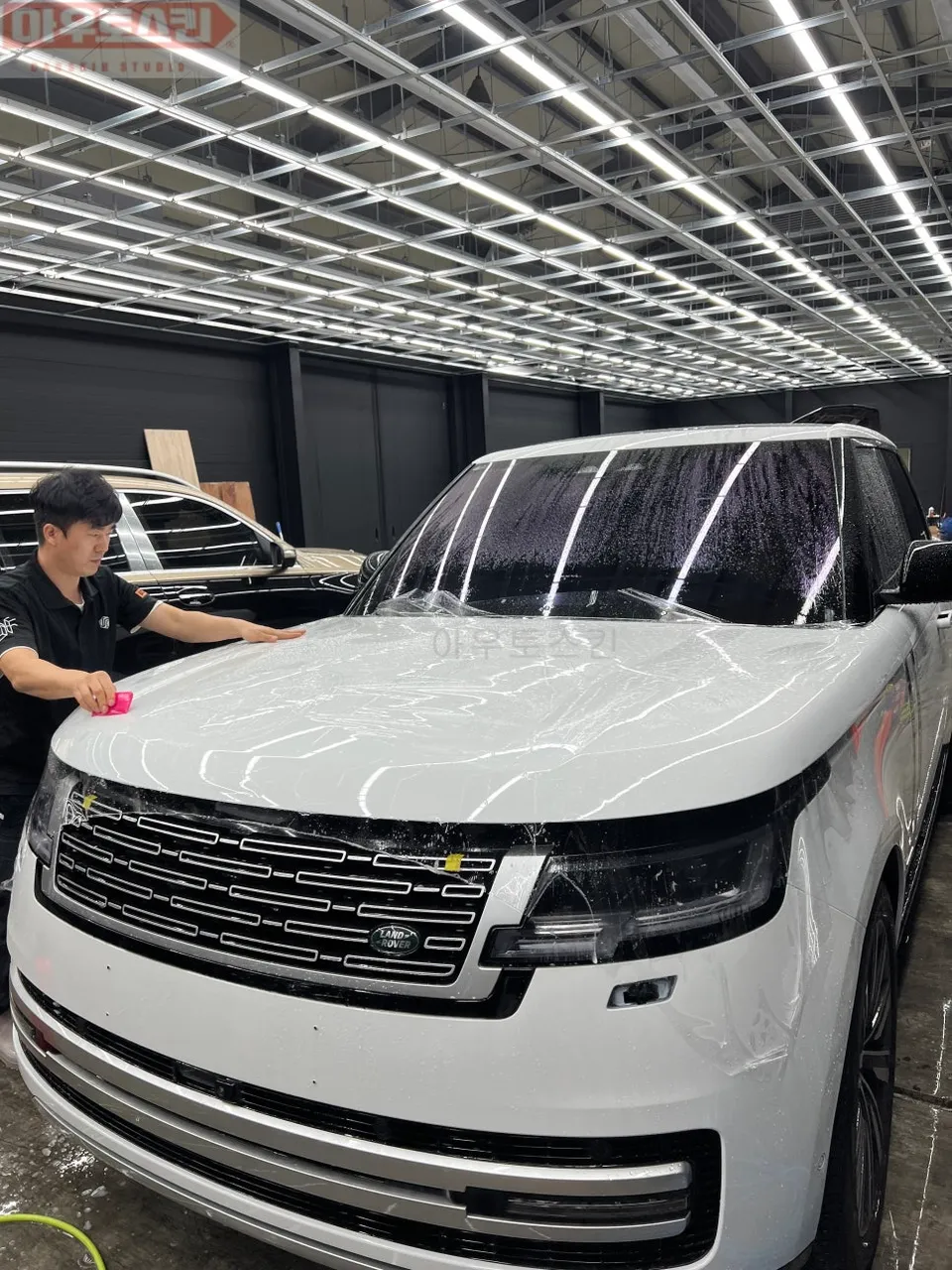
Installing a body kit on a Land Rover Range Rover requires meticulous attention to detail. The process generally involves several key stages:
- Preparation: The original bumpers and side skirts are carefully removed. The vehicle's body is cleaned and prepped to ensure optimal adhesion for any new components.
- Component Fitting: Each body kit component is test-fitted to ensure perfect alignment with the Range Rover's chassis and body panels. Minor adjustments may be necessary for a flawless fit.
- Attachment: Components are securely attached using a combination of specialized automotive adhesives, clips, and sometimes drilling into the existing bodywork, depending on the kit's design and manufacturer recommendations.
- Finishing: After installation, the new components are often painted to match the vehicle's existing color or a custom scheme. Any necessary sealing or final detailing is completed to ensure a factory-like finish.
Given the Range Rover's sophisticated systems, professional installation is highly recommended to avoid damaging sensors or compromising the vehicle's structural integrity. Specialists ensure that all integrated features, like parking sensors, are correctly repositioned and functional.
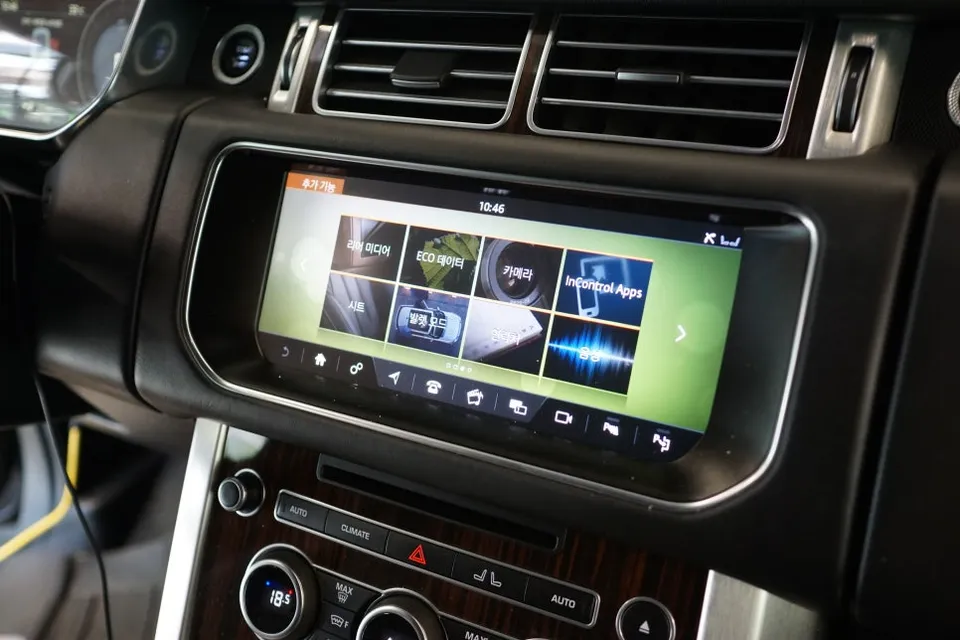
The Result: A Redefined Range Rover
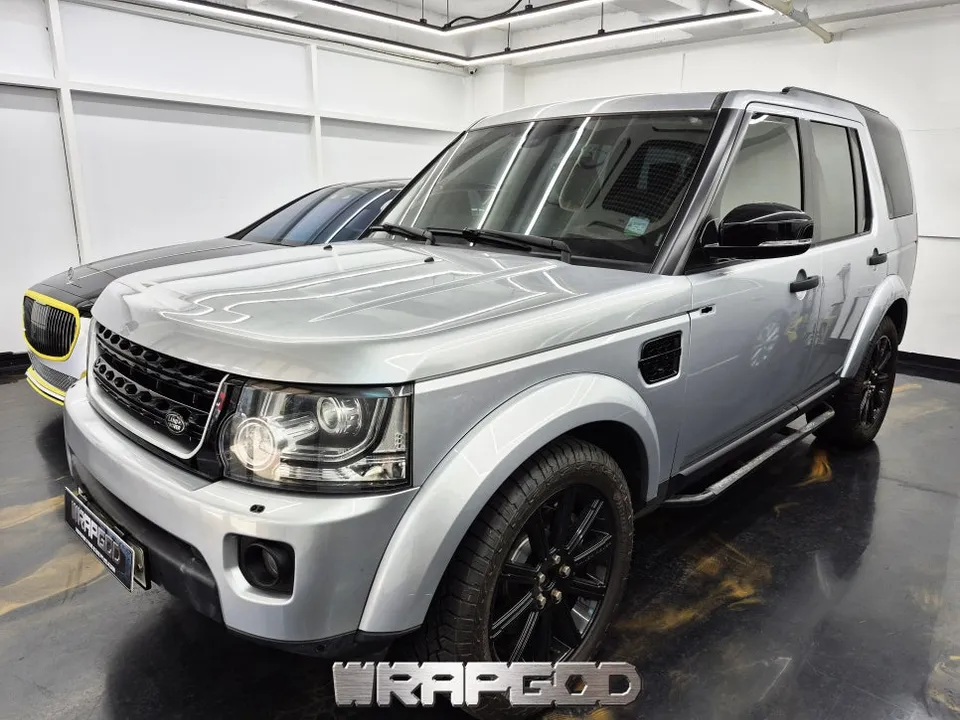
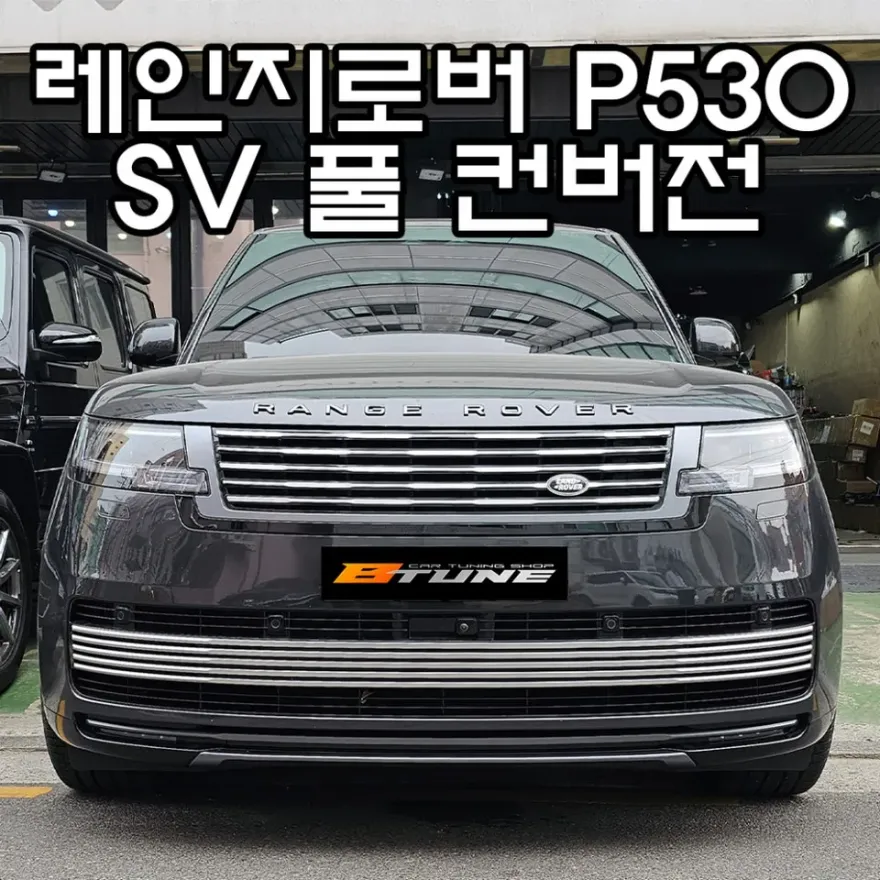
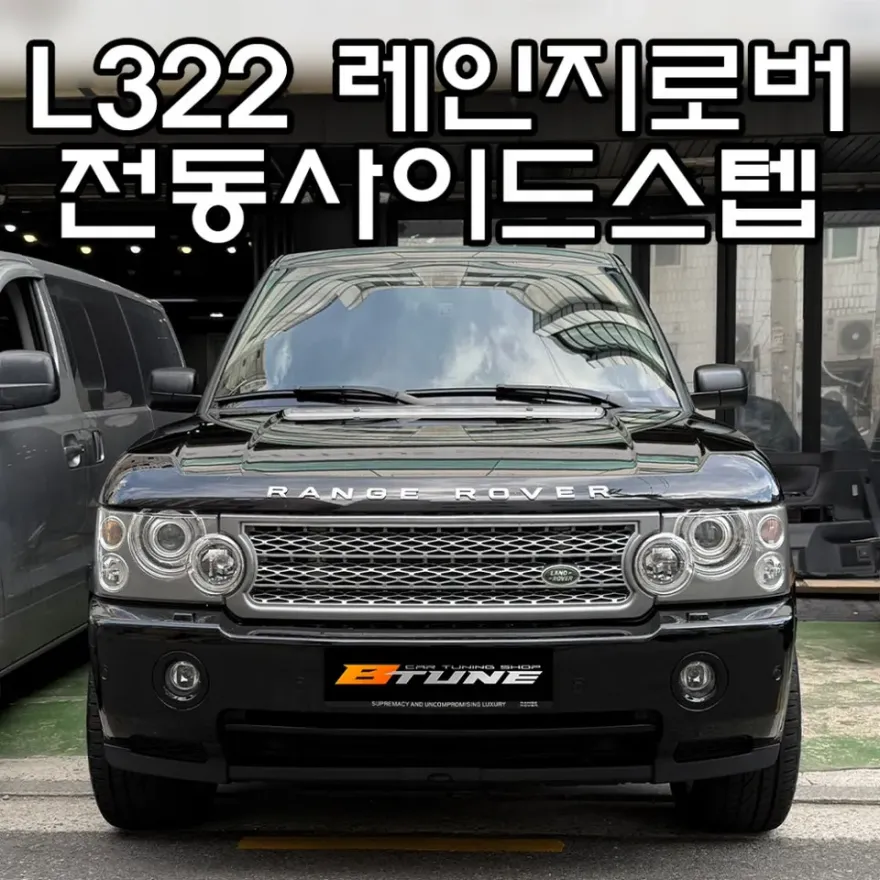
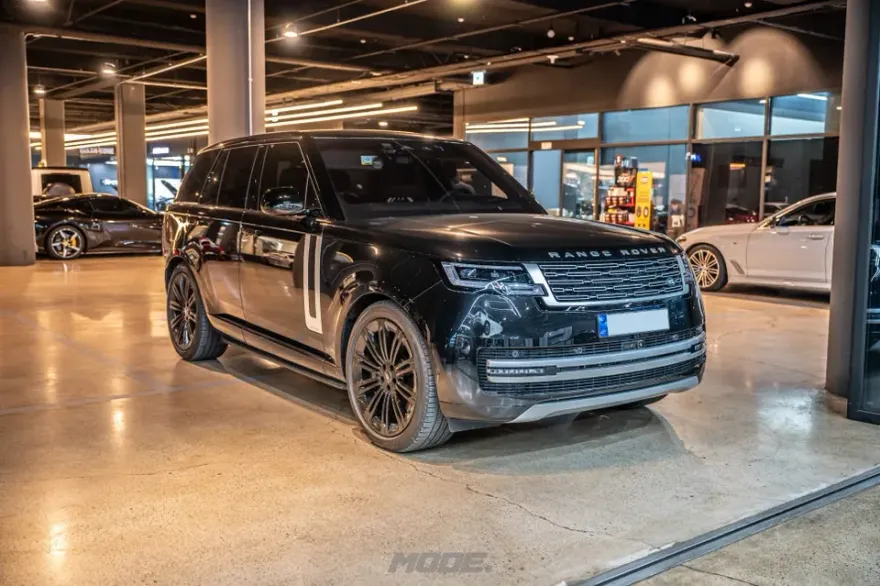
The outcome of a well-executed body kit installation is a Range Rover that stands out. The vehicle gains a more dynamic profile, often perceived as wider and lower, enhancing its sporty appeal. This customization allows owners to express their personality and elevate their luxury SUV's visual statement, making it truly unique.
Frequently Asked Questions
Q. How much does a body kit cost for a Land Rover Range Rover?
Body kits for a Land Rover Range Rover can range from $1,500 to $5,000 USD, depending on the brand, material, and complexity of the kit. The installation cost is additional and typically ranges from $500 to $2,000, depending on the installer's labor rates and the specific vehicle.
Q. How long does body kit installation take on a Land Rover Range Rover?
Body kit installation typically takes 1-3 days, depending on the complexity of the kit and whether painting is required. Proper curing time for adhesives and paint is essential for durability.
Q. Is a body kit worth it for a Land Rover Range Rover?
A body kit is worth it for Range Rover owners seeking a significant aesthetic upgrade and a more personalized, aggressive look. It can enhance the vehicle's visual appeal and potentially its resale value if done with high-quality components and professional installation.
Q. How is a body kit installed on a Land Rover Range Rover?
Installation involves removing the factory bumpers and side skirts, test-fitting the new kit components, and securely attaching them using automotive adhesives, clips, and sometimes fasteners. The process often includes painting the new parts to match the vehicle and ensuring all sensors remain functional.
Q. What is the difference between FRP and polyurethane body kits for a Land Rover Range Rover?
FRP (Fiber-Reinforced Plastic) kits are generally more rigid and cost-effective but can be prone to cracking on impact. Polyurethane kits are more flexible, durable, and impact-resistant, making them better suited for daily driving, though they are typically more expensive.
OhCar Partner Shop