Audi Q7 Body Kit Installation Review: Cost & Results
Service Price
$approx. $1,150–1,500
Estimated price · Actual price may vary by shop
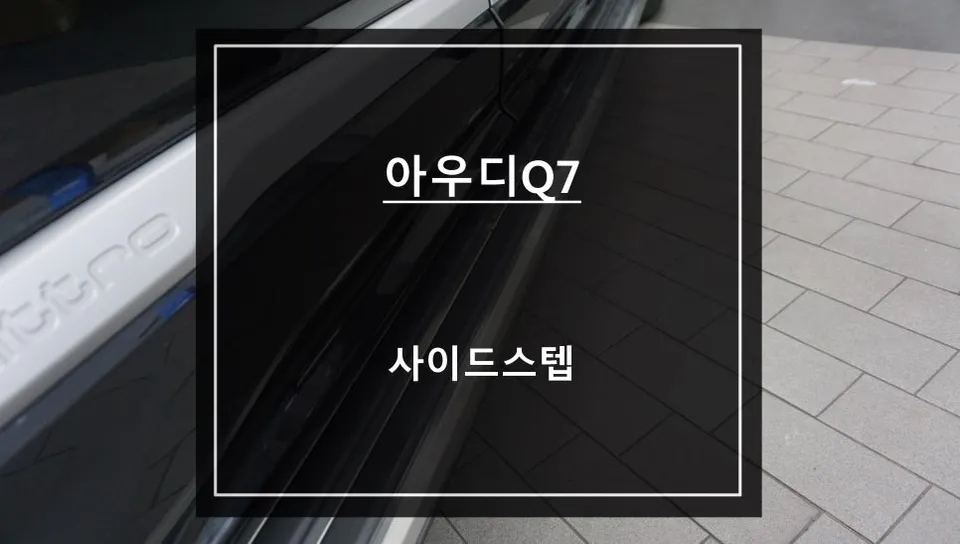
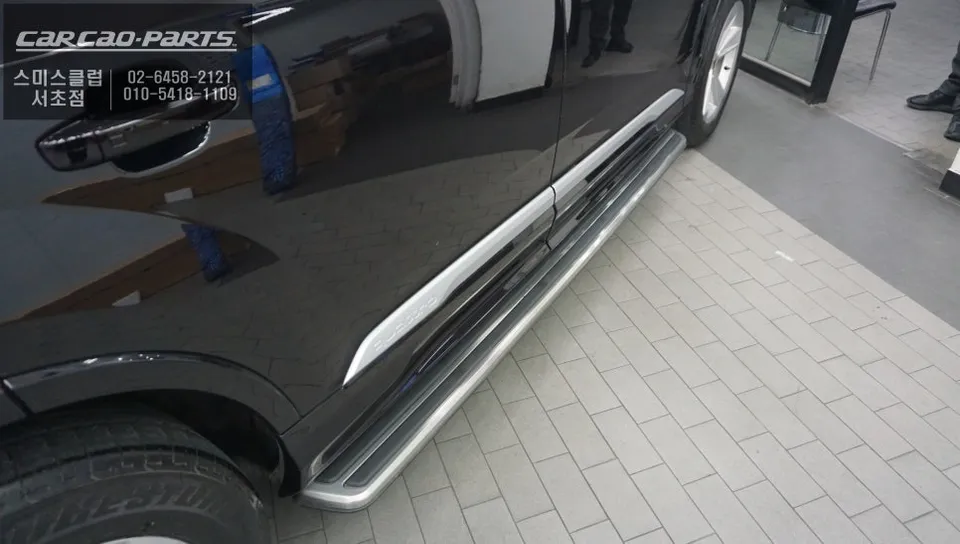
Audi Q7 body kit installation: approx. $1,150–$1,500. Enhances style and can improve practicality.
Audi Q7 Body Kit Installation: Enhancing Style and Functionality
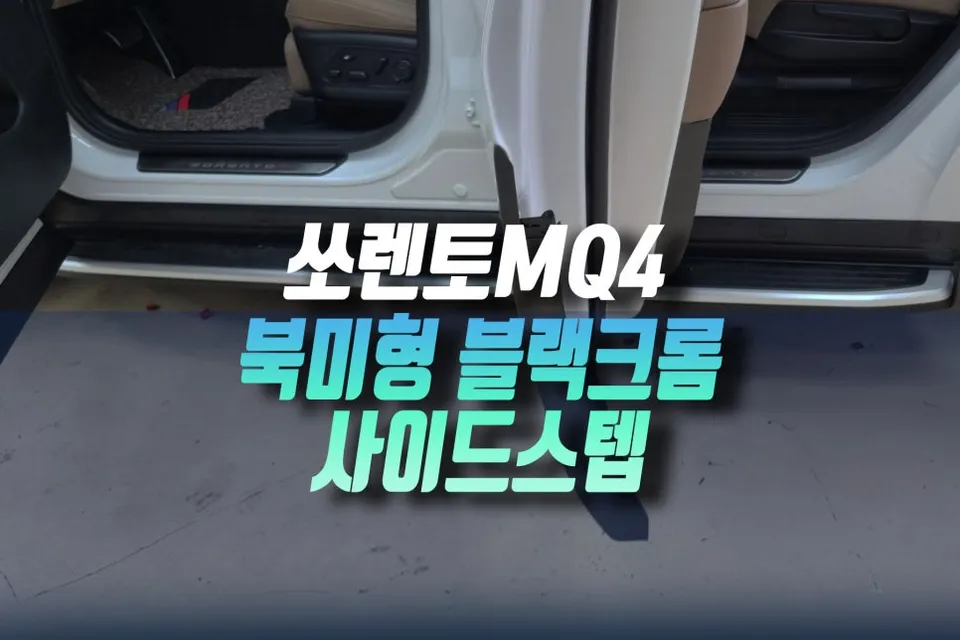
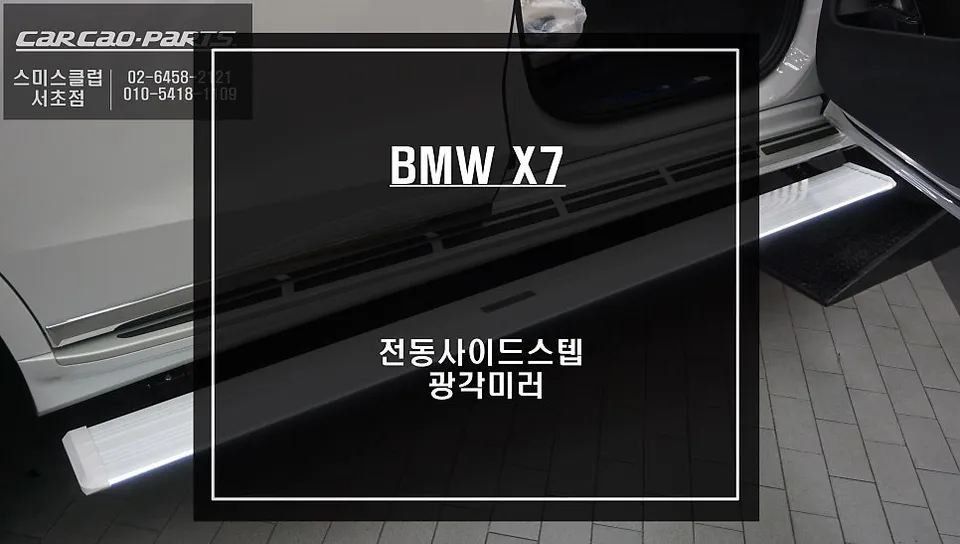
The Audi Q7, a premium SUV, offers a commanding presence, but its elevated stance can present challenges for everyday usability, particularly for passengers needing to enter and exit. While the original Korean context focused on side steps for safety and convenience, the concept extends to broader body kit installations that can similarly enhance both aesthetics and practicality. This review delves into the considerations for installing a body kit on an Audi Q7, covering the installation process, potential results, material durability, and whether the investment aligns with your needs.
Understanding Body Kit Components and Materials
A body kit, often referred to as an aero kit, typically includes components like front lips, side skirts, and rear diffusers. These parts are designed to modify the vehicle's exterior profile, often aiming for a sportier or more aggressive look. The materials used significantly impact durability and cost. Common options include:
- Fiber-Reinforced Plastic (FRP): A popular choice due to its affordability and moldability, allowing for complex designs. However, FRP can be brittle and prone to cracking upon impact.
- Polyurethane: More flexible and impact-resistant than FRP, making it a more durable option. It's also generally easier to paint and repair.
- Carbon Fiber: The premium option, offering exceptional strength-to-weight ratio and a high-performance aesthetic. It is the most expensive material.
The choice of material will influence the overall body kit cost and its longevity. For an Audi Q7, selecting components that complement its sophisticated design is key, whether you opt for subtle enhancements or a more dramatic transformation.
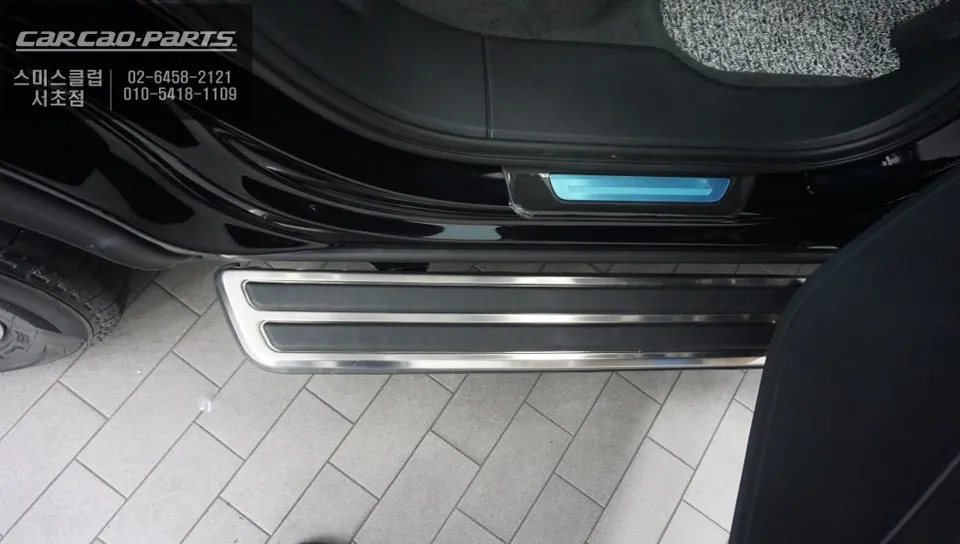
The Installation Process and Expected Outcomes
Body kit installation on an Audi Q7 is a specialized process that requires precision to ensure a perfect fit and finish. The cost can vary significantly based on the complexity of the kit, the materials used, and the labor involved. In Korea, a typical installation for components like side steps can range from approximately ₩1,200,000 to ₩1,800,000 (roughly $900-$1,350 USD, depending on exchange rates and specific options). A full body kit installation, including front lips and side skirts, could potentially fall within the estimated US price range of $1,150–$1,500, though this can fluctuate.
Installation Process:
- Preparation: The vehicle is carefully inspected, and existing bumper covers or underbody panels may need to be removed or modified.
- Component Fitting: The new body kit parts are test-fitted to ensure proper alignment and fitment. This may involve minor adjustments or trimming.
- Secure Attachment: Parts are securely attached using a combination of specialized adhesives, bolts, and clips, often integrated into the vehicle's existing mounting points or reinforced areas.
- Finishing: After installation, the kit is typically prepped for paint, color-matched to the Q7, and then painted and clear-coated for a seamless factory look.
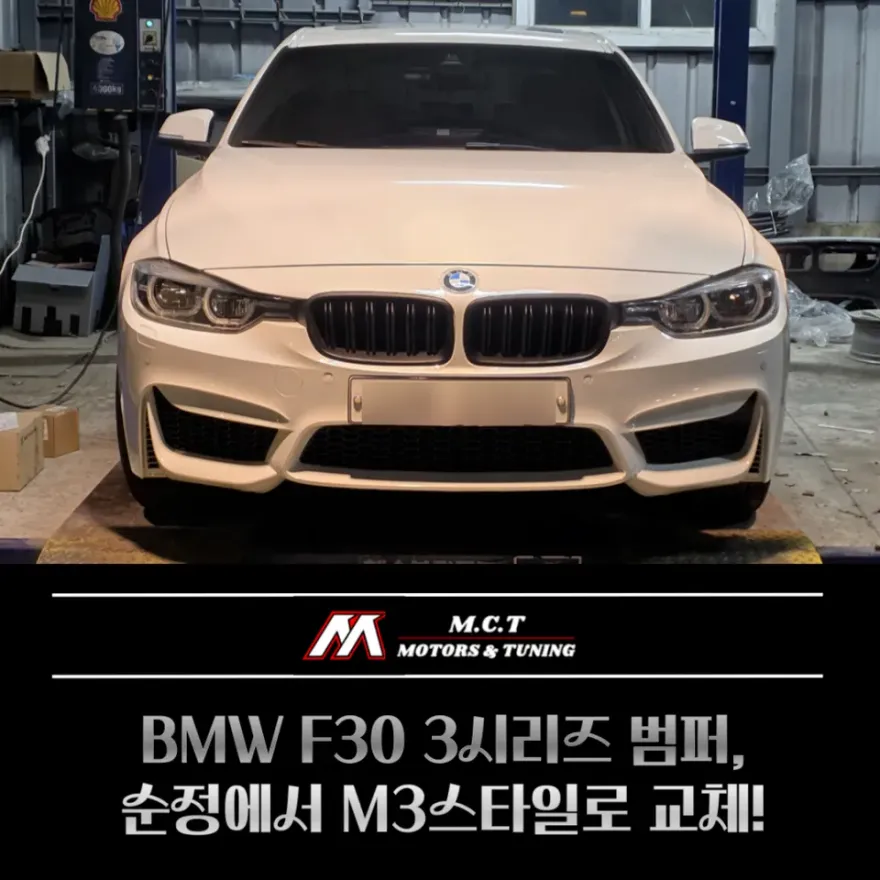
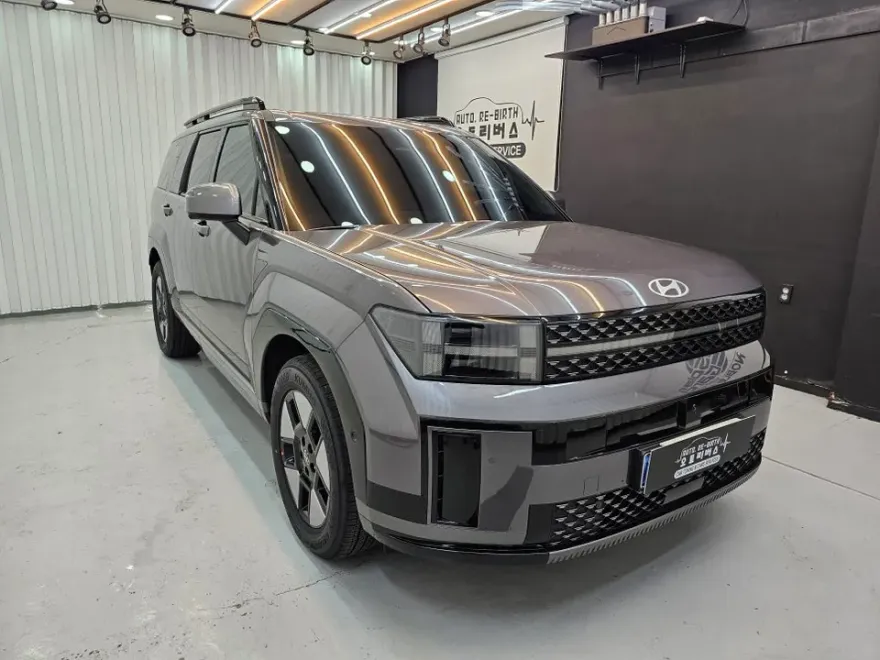
Before and after results can be dramatic, transforming the Q7's appearance. A well-executed body kit installation enhances the vehicle's lines, giving it a lower, wider, and more aggressive stance. Durability is largely dependent on the material quality and the professional installation. Stainless steel components, like those mentioned for side steps, offer excellent resistance to corrosion and wear. For painted body kit parts, regular washing and waxing will help maintain their finish. Minor impacts can sometimes be repaired, especially with polyurethane parts, but significant damage may require replacement.
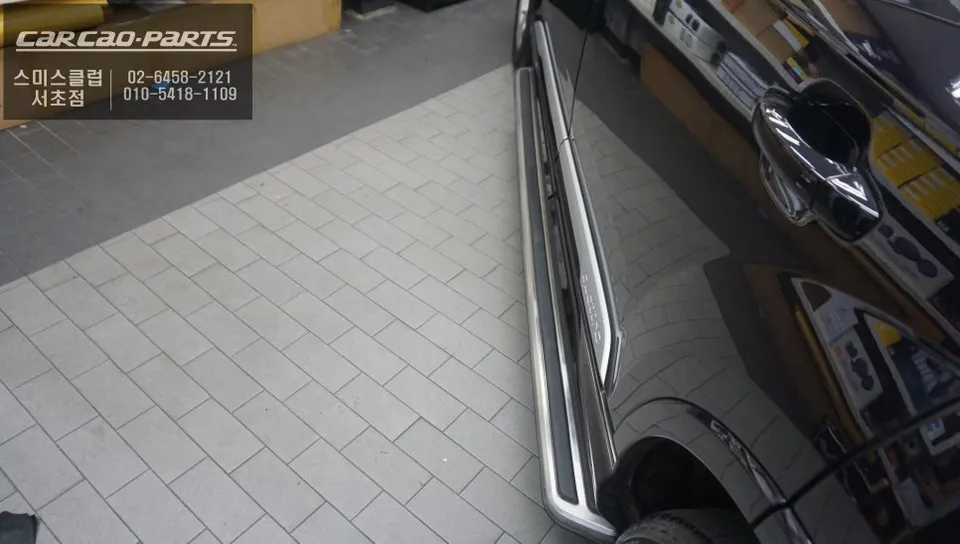
Is a Body Kit Worth It for Your Audi Q7?
Deciding whether a body kit is worth the investment for your Audi Q7 depends on your priorities. If you seek to personalize your vehicle's appearance and achieve a more distinctive look, a body kit can be a rewarding upgrade. The enhanced visual appeal can increase owner satisfaction and potentially resale value, provided the kit is high-quality and professionally installed. For those concerned about practicality, certain body kit elements, like more robust side skirts or a functional front splitter, can offer minor aerodynamic benefits or protection. However, it's crucial to weigh the cost against the aesthetic gains and consider the potential impact on ride height and clearance, especially if you frequently encounter rough roads or steep driveways. The original Korean context highlighted how side steps significantly improve accessibility for children and the elderly, turning a potential inconvenience into a safe and comfortable experience. Similarly, a well-chosen body kit can enhance the overall usability and enjoyment of your Q7.
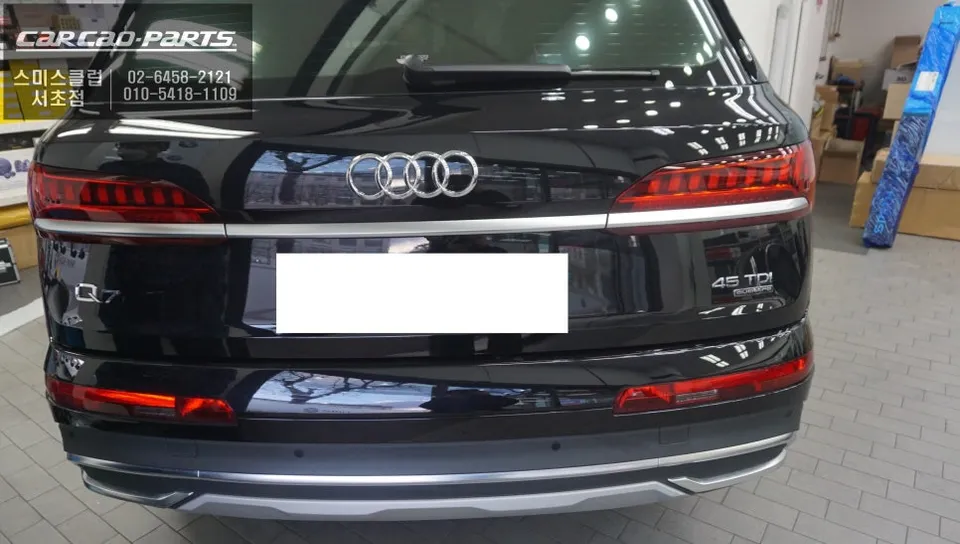
Frequently Asked Questions
Q. How much does a body kit cost for a Audi Q7?
While specific body kit costs vary, a full installation for an Audi Q7 in the US can range from approximately $1,150 to $1,500. In Korea, similar installations like side steps can cost between ₩1,200,000 to ₩1,800,000.
Q. How long does body kit installation take on a Audi Q7?
Installation time for a body kit on an Audi Q7 typically ranges from 1.5 to 2 hours, depending on the complexity of the kit and the specific components. Regular maintenance involves washing and waxing to preserve the finish, similar to the vehicle's original paintwork.
Q. Is a body kit worth it for a Audi Q7?
A body kit is worth it for an Audi Q7 if your primary goal is to significantly enhance its aesthetic appeal and achieve a more personalized, aggressive look. It offers a substantial visual upgrade that can increase owner satisfaction and potentially resale value.
Q. How is a body kit installed on a Audi Q7?
Installation involves preparing the vehicle by removing or modifying existing panels, test-fitting the new components for precise alignment, and securely attaching them using adhesives, bolts, and clips. Finally, the parts are painted and clear-coated to match the Q7's original finish.
Q. What is the difference between FRP and polyurethane body kits for a Audi Q7?
FRP body kits are generally more affordable but can be brittle and prone to cracking, while polyurethane kits are more flexible, impact-resistant, and durable, making them a better long-term investment for an Audi Q7.
Q. What should I know before getting Body Kit on a Audi Q7? (common regrets and mistakes)
A common regret is underestimating the impact on ground clearance, potentially leading to scraping on driveways or speed bumps. Always consider the kit's design and your typical driving environment to avoid this issue.
Kakao Parts