Land Rover Range Rover Sport Body Kit Installation Review — Cost
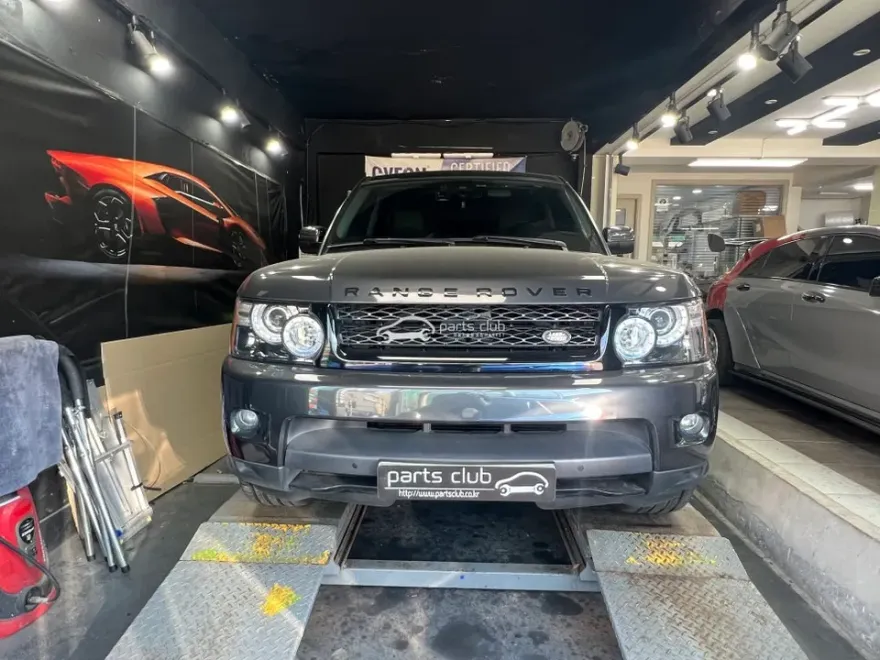
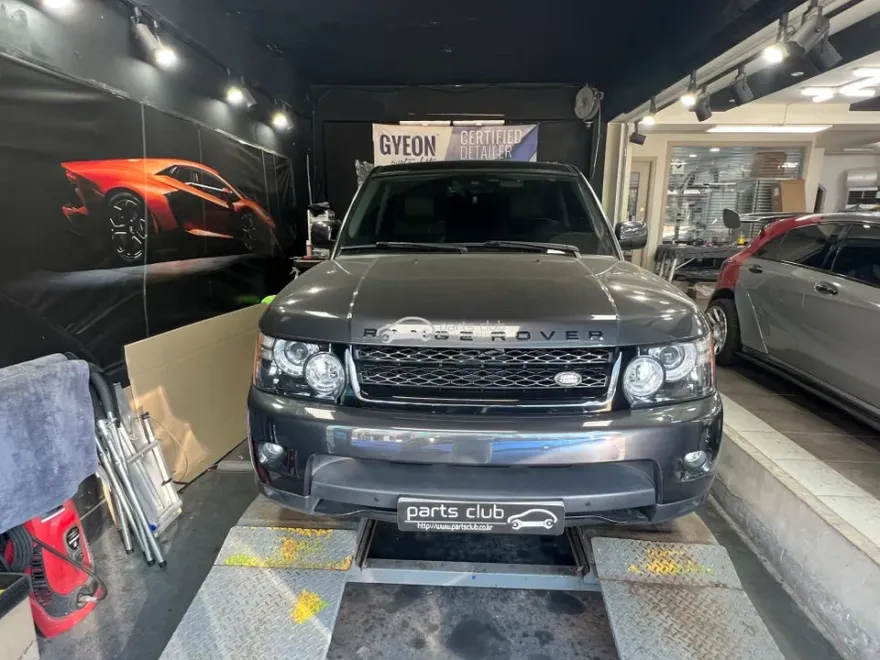
Land Rover Range Rover Sport body kit installation costs vary. Enhances aesthetics and aerodynamics.
Upgrading Your Land Rover Range Rover Sport with a Body Kit
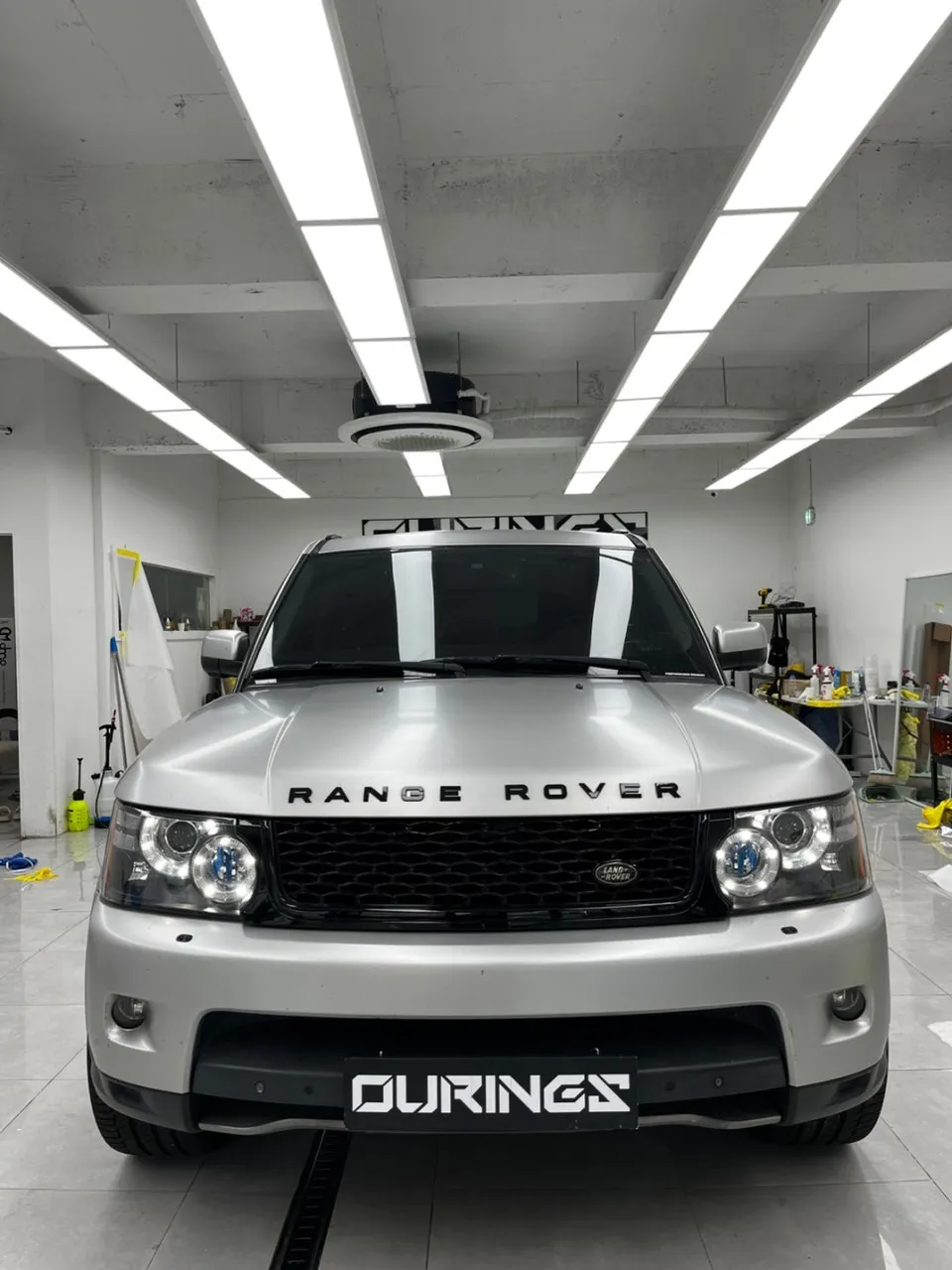
The Land Rover Range Rover Sport is a vehicle that commands attention, and for owners looking to enhance its already striking presence, a body kit offers a compelling avenue. This review delves into the specifics of body kit installation, the associated costs, and the potential before-and-after transformations for your Range Rover Sport. We'll cover what to expect, from the initial fitting to the long-term durability and whether this aesthetic and aerodynamic upgrade is a worthwhile investment.
Body Kit Installation and Cost Considerations
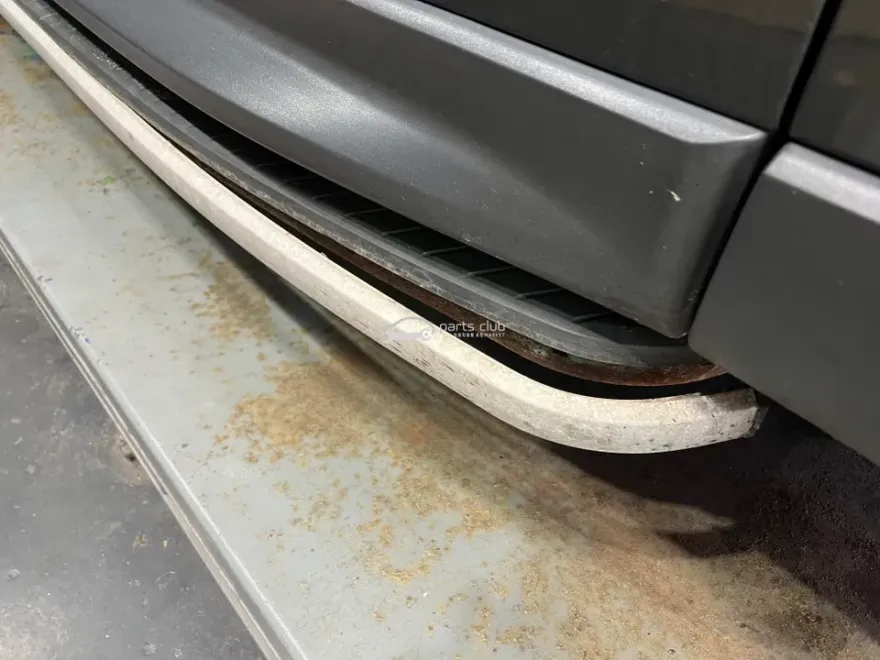
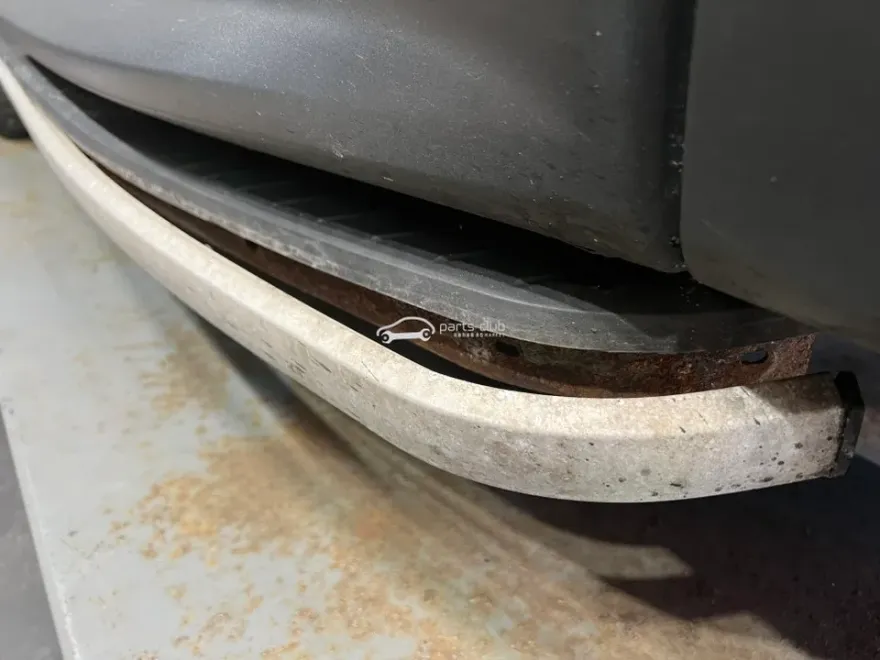
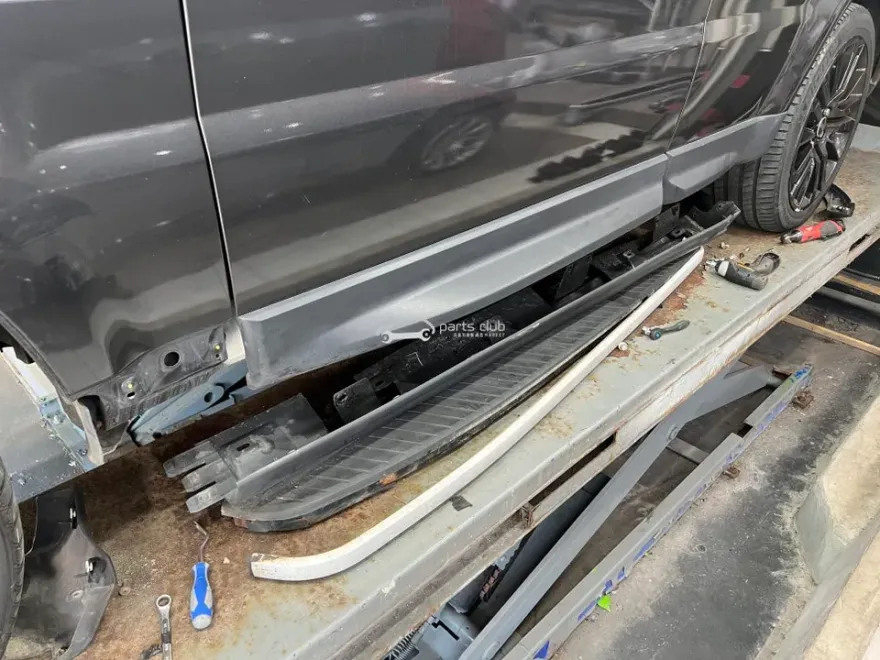
When considering a body kit for your Land Rover Range Rover Sport, understanding the installation process and the financial commitment is crucial. While the Korean context provided details on replacing corroded side steps (which can cost approximately 300,000 to 600,000 KRW, roughly $220-$440 USD), a full body kit involves more extensive modifications. This typically includes front and rear bumpers, side skirts, and sometimes spoilers or diffusers. The cost of the body kit itself can vary significantly based on material (such as ABS plastic, polyurethane, or fiberglass) and brand. Installation is a specialized job that requires precision to ensure proper fitment and alignment, which can add several hundred to over a thousand dollars to the total expense, depending on the complexity and the installer's labor rates. The original context highlighted that severe corrosion on side steps could lead to unexpected difficulties and increased labor time, a principle that can apply to any body panel modification if underlying issues or poor initial fitment are present.
Durability, Maintenance, and Making the Right Choice
The durability of a body kit largely depends on the materials used and the quality of the installation. Polyurethane and ABS plastic kits are generally more flexible and resistant to cracking than fiberglass, making them a better choice for daily drivers who might encounter minor impacts. The Korean context emphasized the importance of regular maintenance for side steps, including thorough cleaning after exposure to salt or harsh chemicals, and checking for rust on fasteners. This advice extends to body kits; regular washing and waxing will protect the paint and material, while periodic checks of all attachment points will ensure the kit remains securely fitted. Before committing, consider the specific aesthetic you desire and how it aligns with the Range Rover Sport's inherent design. While a body kit can dramatically alter the vehicle's appearance, it's essential to choose a design that complements rather than detracts from the SUV's premium character. The decision should also factor in potential impacts on resale value and insurance coverage.
Body Kit Installation Process:
- Preparation: The existing bumpers and side skirts are carefully removed. The mounting areas on the vehicle's body are cleaned and prepared for the new components.
- Test Fitting: The new body kit parts (front bumper, rear bumper, side skirts) are test-fitted to ensure precise alignment and fitment. Minor adjustments may be made at this stage.
- Attachment: The body kit components are securely attached to the vehicle's chassis using specialized brackets, clips, and fasteners, often integrating with existing mounting points.
- Finishing: Any gaps are addressed, and the kit is prepared for painting. After professional painting to match the vehicle's color, the parts are permanently installed.
Frequently Asked Questions
Q. How much does a body kit cost for a Land Rover Range Rover Sport?
While specific body kit costs for the Range Rover Sport vary widely by brand and material, expect professional installation to add significantly to the parts' price. In Korea, side step replacements (a simpler component) can range from 300,000 to 600,000 KRW (approx. $220-$440 USD).
Q. How long does body kit installation take on a Land Rover Range Rover Sport?
Body kit installation typically takes several hours to a couple of days, depending on the kit's complexity and whether painting is required. Proper maintenance involves regular washing and waxing, similar to the vehicle's original paintwork, and checking all mounting points periodically.
Q. Is a body kit worth it for a Land Rover Range Rover Sport?
A body kit is most beneficial for Range Rover Sport owners seeking a more aggressive or customized aesthetic. It's worth it if you prioritize a unique look and are prepared for the associated costs and potential maintenance.
Q. How is a body kit installed on a Land Rover Range Rover Sport?
Installation involves removing the factory bumpers and side skirts, test-fitting the new kit components, and then securely attaching them using specialized hardware. The process often requires professional expertise for proper alignment and finishing, including painting.
Q. What is the difference between FRP and polyurethane body kits for a Land Rover Range Rover Sport?
Polyurethane kits are generally more flexible and impact-resistant than Fiberglass Reinforced Plastic (FRP) kits, making them less prone to cracking. For daily driving, polyurethane is often the recommended choice due to its durability.
Q. What should I know before getting Body Kit on a Land Rover Range Rover Sport? (common regrets and mistakes)
The most common regret is choosing a poorly designed or low-quality kit that doesn't fit well, leading to costly installation issues. Always research the kit manufacturer and installer reputation thoroughly before proceeding.
OhCar Partner Shop