Hyundai Palisade LX3 Body Kit Installation Review
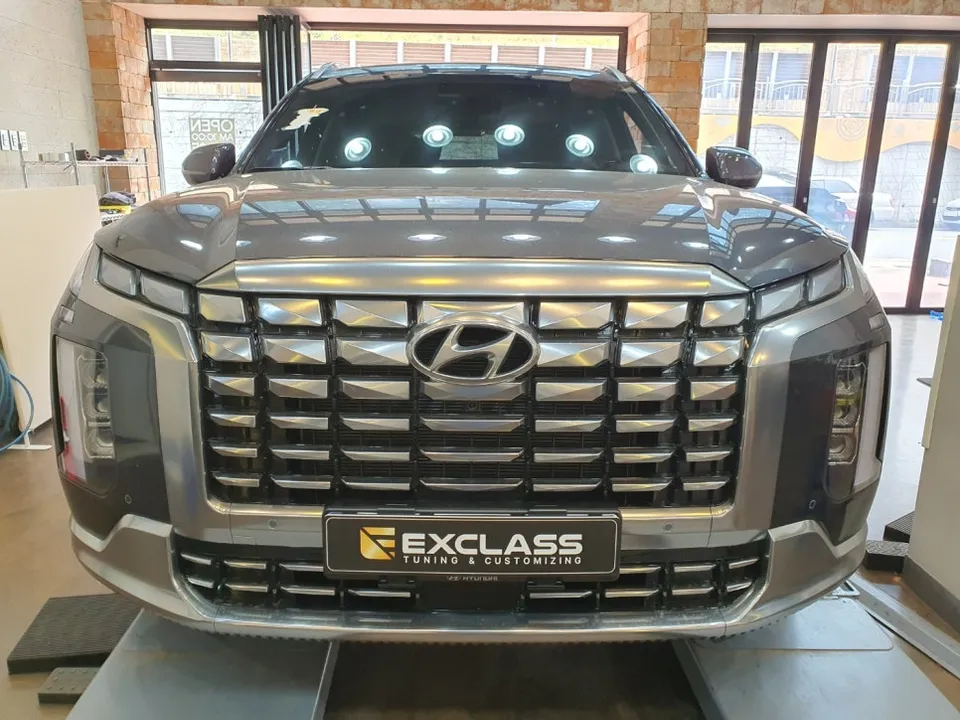
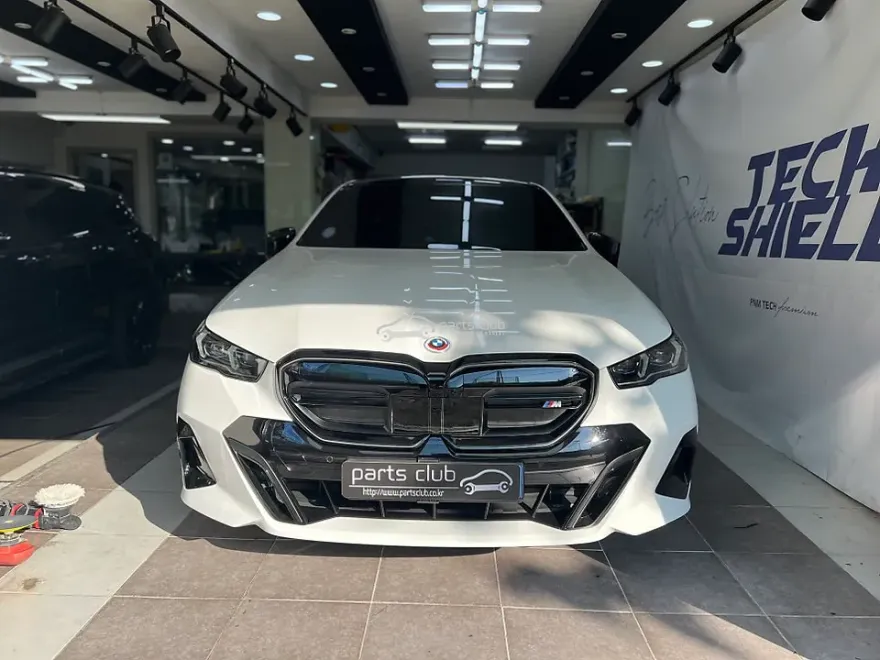
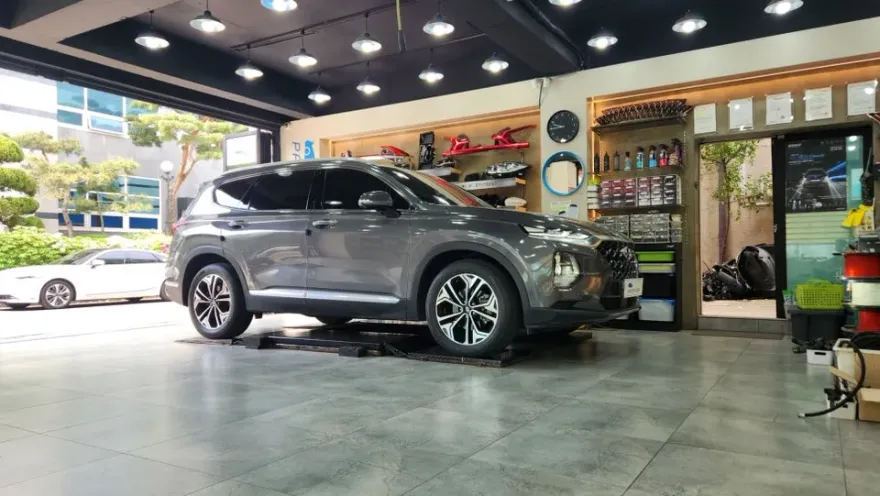
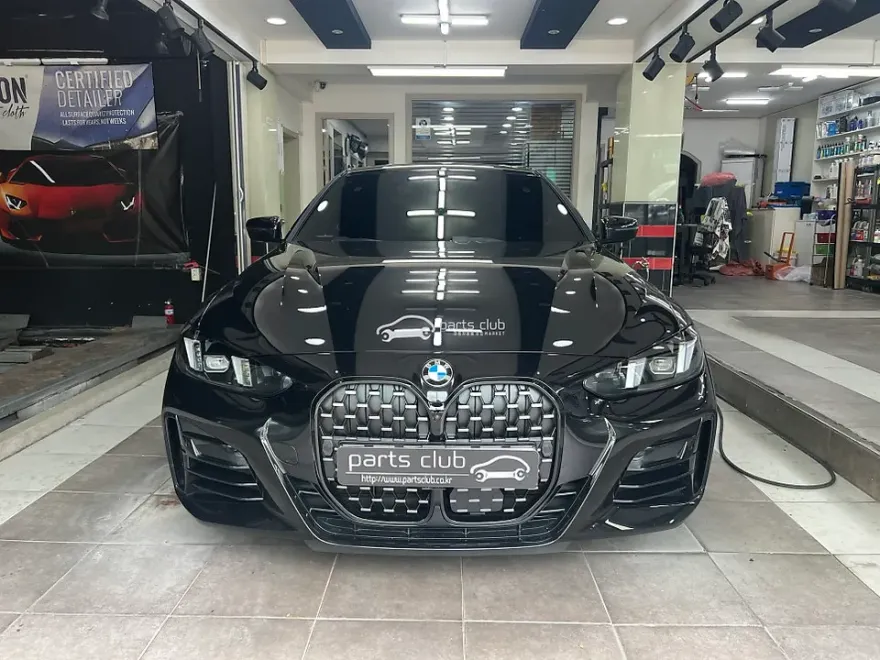
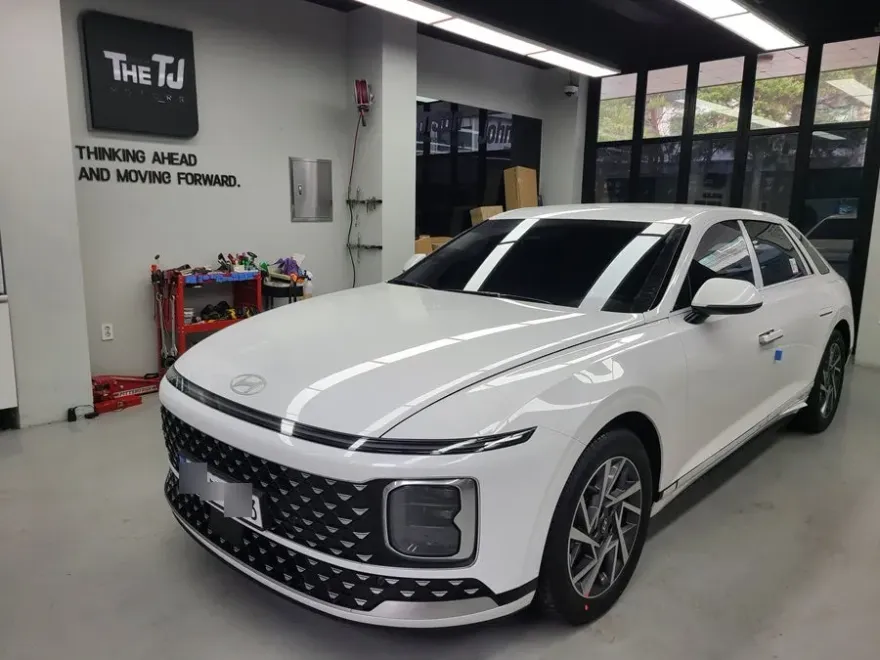
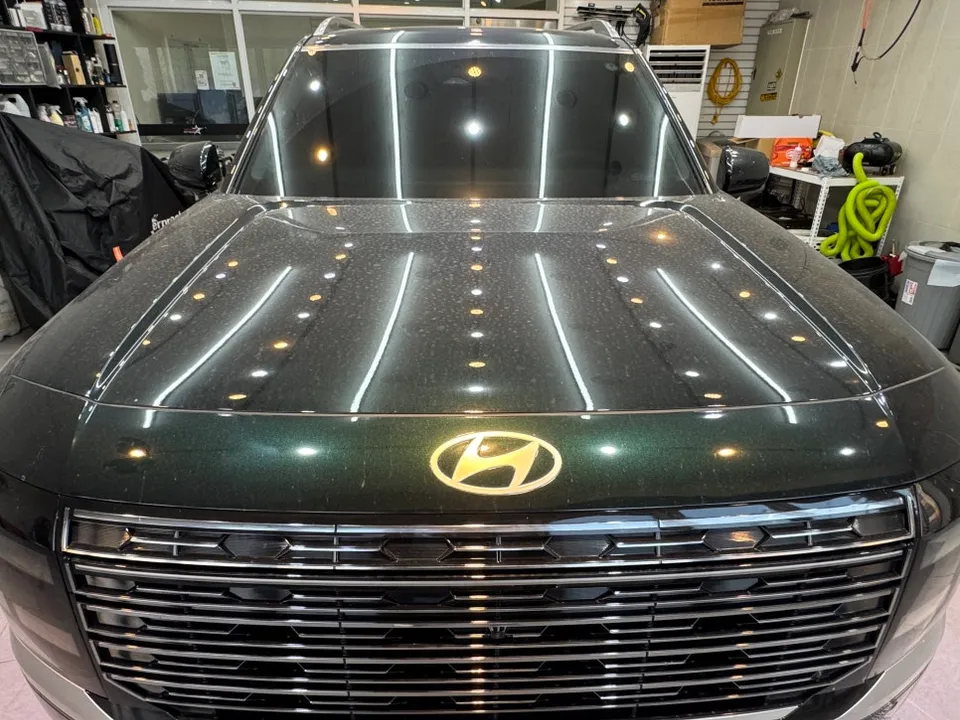
Before

After
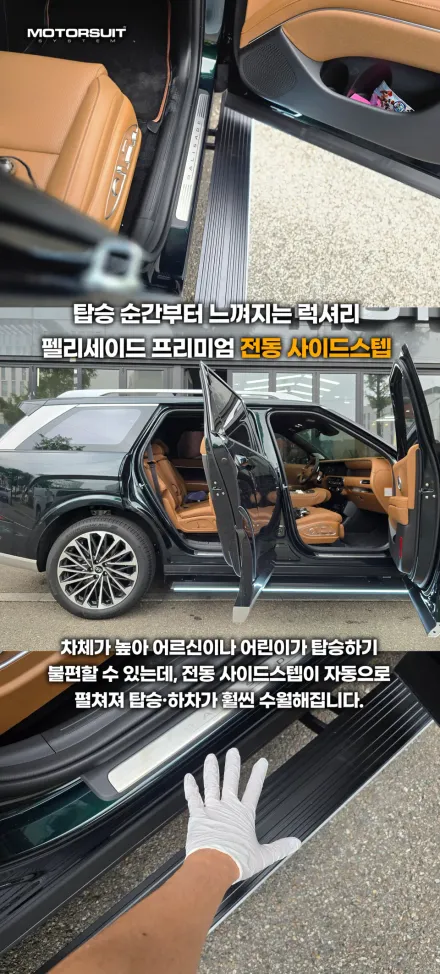
Hyundai Palisade LX3 body kit installation: Enhances style and accessibility. Cost varies, but expect significant visual and functional upgrades.
Hyundai Palisade LX3 Body Kit Installation: Enhancing Style and Function
The Hyundai Palisade LX3, a popular choice for families, offers ample space and a comfortable ride. However, some owners seek to further personalize their vehicle's appearance and functionality. For those considering an upgrade, a body kit, often referred to as an aero kit, can be a compelling option. This review delves into the specifics of body kit installation for the Palisade LX3, covering the process, potential results, and whether it's a worthwhile investment.
Body Kit Installation Process and Considerations
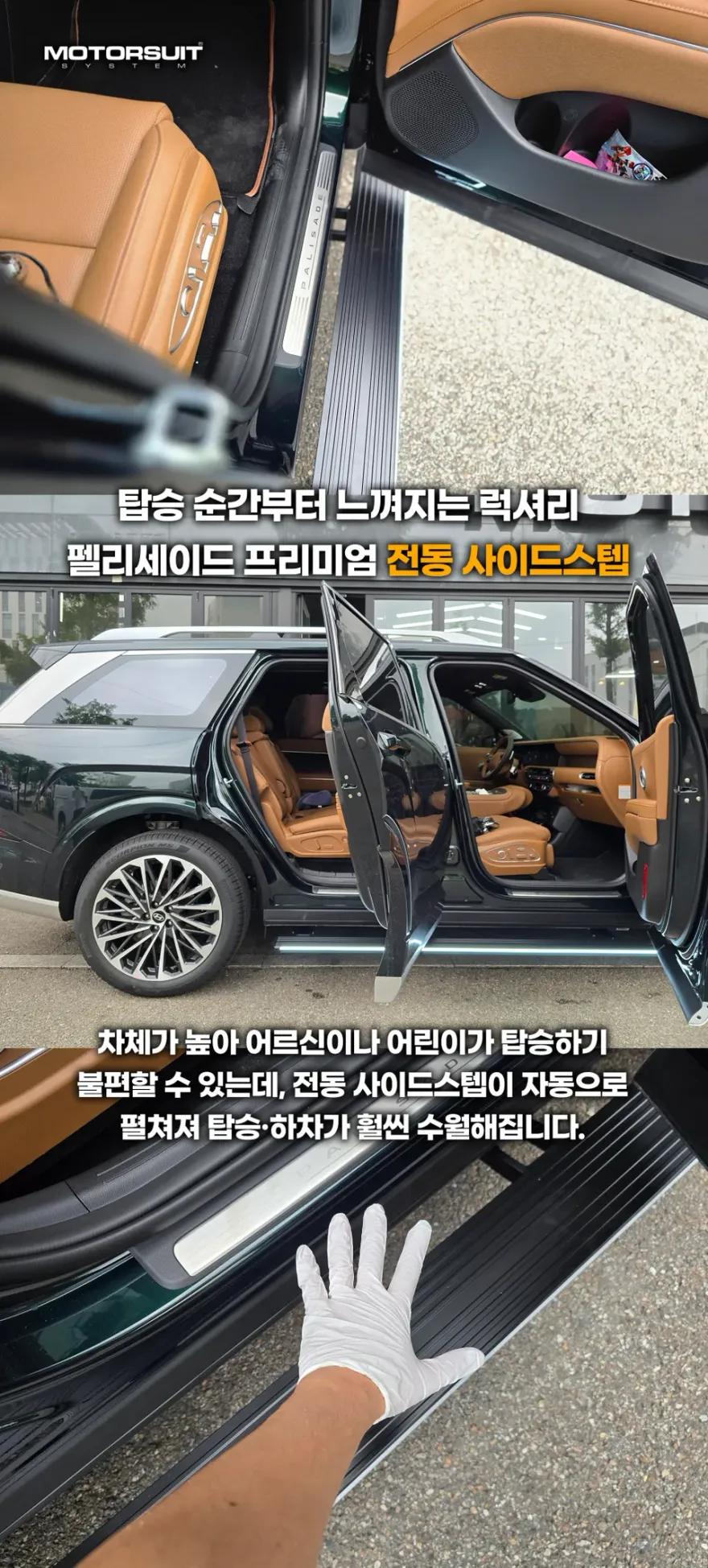
Installing a body kit on a vehicle like the Hyundai Palisade LX3 involves several key steps, requiring precision and an understanding of automotive bodywork. While the original context for this information comes from a specific installation in South Korea, the general principles apply broadly. The process typically begins with a thorough inspection of the vehicle's undercarriage and electrical systems if the kit includes powered components, such as the electric side steps mentioned in the source. Components are checked for any defects before installation.
The installation requires careful preparation. This often involves removing or modifying underbody panels to create adequate working space. For kits that integrate with the vehicle's doors, such as side steps, door trim may also need to be temporarily removed to allow for clean wiring and mounting. Specialized brackets designed for the specific vehicle model, in this case, the Palisade LX3, are crucial for a secure and stable fit. All mounting bolts are tightened to a specific torque to prevent any movement or rattling.
Electrical connections, if applicable, are routed through the interior fuse box for a stable power source. A controller is integrated to ensure the components, like automatic side steps, operate in sync with the vehicle's doors. Wiring is meticulously managed, often following existing factory lines to maintain a clean, OEM-like appearance. Once the physical installation is complete, extensive testing is performed. This includes checking the speed, smoothness of operation, and precise positioning of the components. Adjustments are made to ensure optimal performance. Finally, any removed panels or trim are refitted, and a final inspection of the overall finish is conducted.
Before and After Results: Style and Practicality
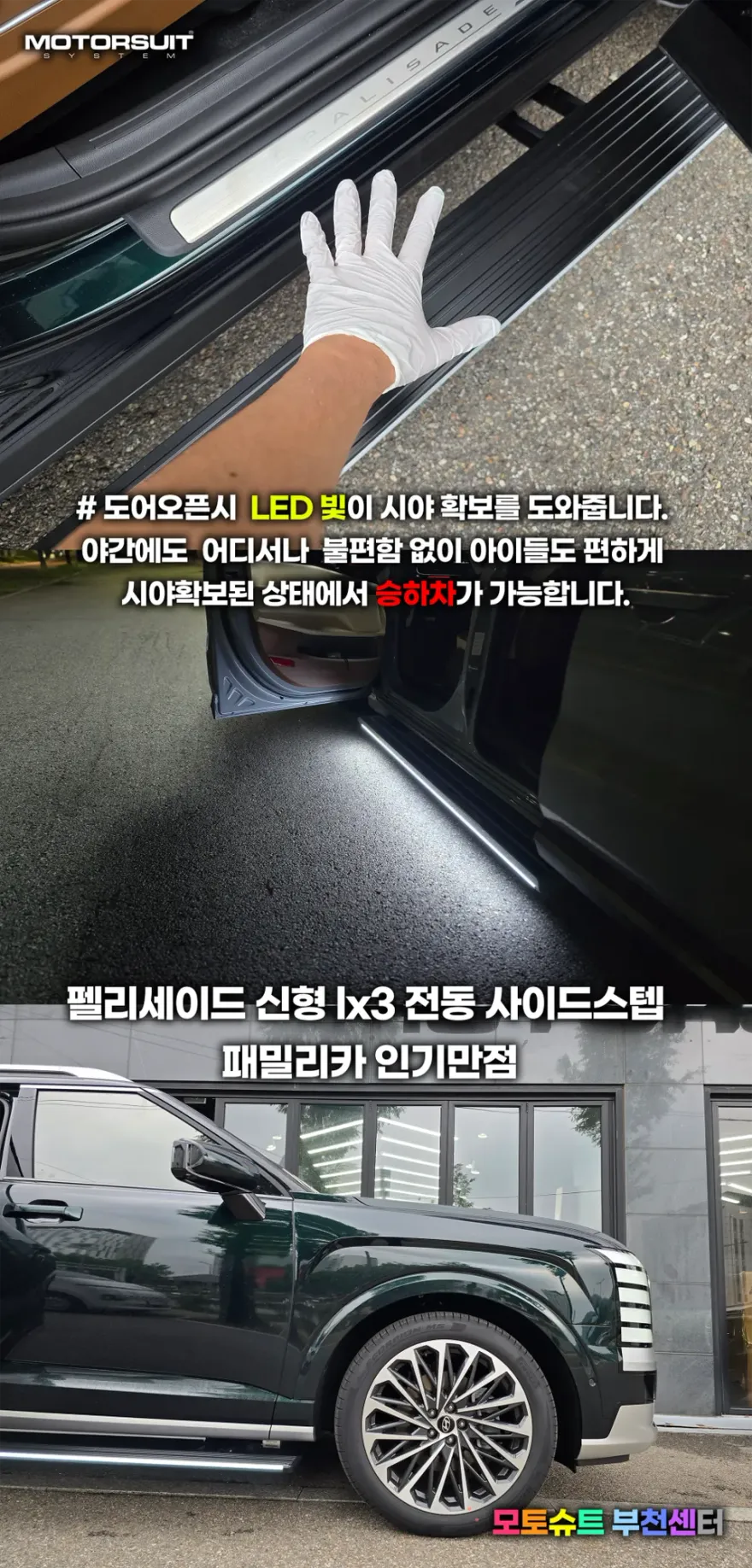
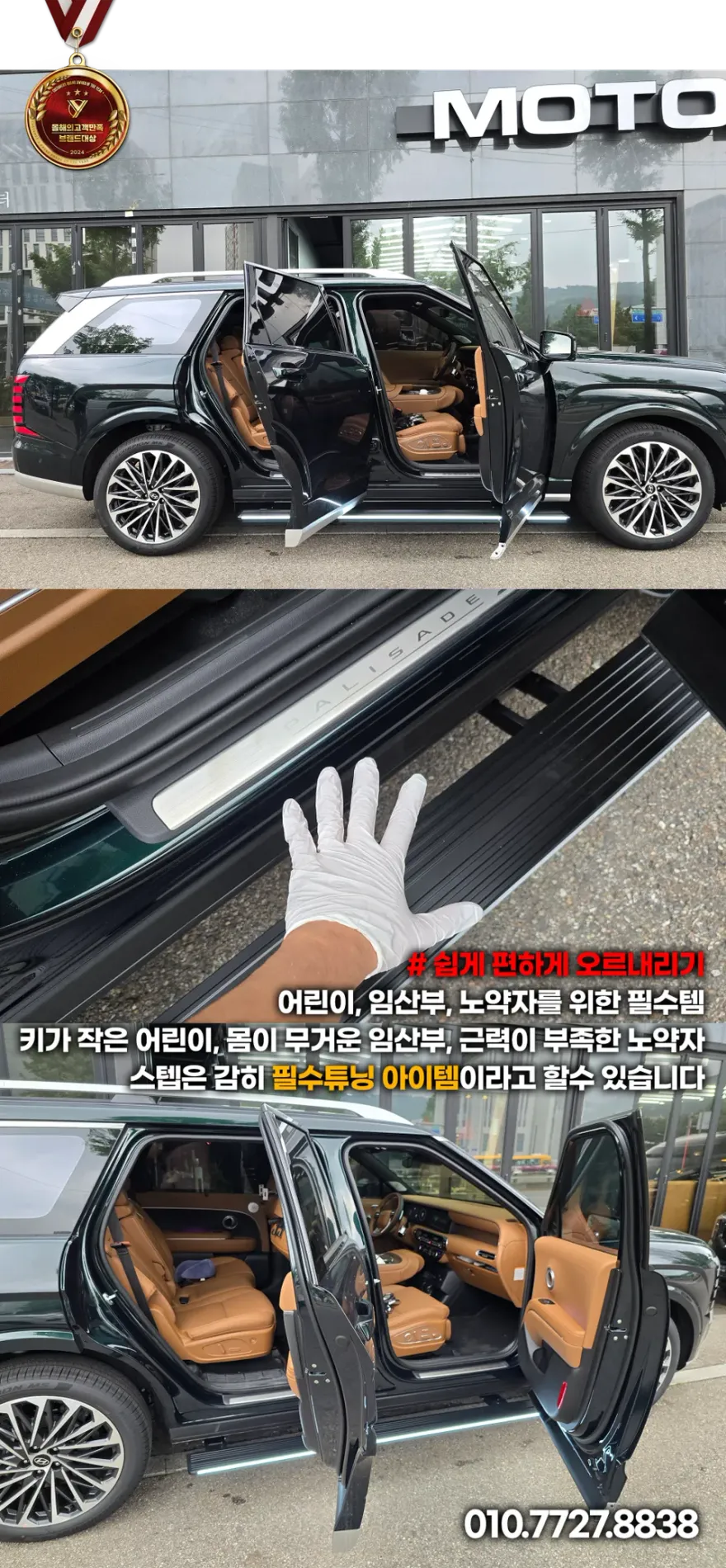
The visual transformation after installing a body kit can be significant. An aero kit can give the Palisade LX3 a more aggressive, sporty, or luxurious stance, depending on the design of the kit. The source material highlights the installation of electric side steps, which, when the doors open, extend to provide a stable stepping surface. This dramatically improves accessibility, especially for children and elderly passengers, turning the Palisade into a more practical family vehicle. The before and after effect is not just aesthetic; it's functional. The side steps, when retracted, maintain a clean profile, enhancing the vehicle's premium look. The surfaces often feature anti-slip patterns, adding safety, particularly in wet conditions. Beyond aesthetics, some body kit components can offer minor aerodynamic improvements or help protect the lower body panels from minor scuffs and impacts.
Durability, Maintenance, and Is It Worth It?
The durability of a body kit largely depends on the materials used (e.g., polyurethane, ABS plastic, or fiberglass) and the quality of the installation. High-quality kits, when professionally installed, can last for many years. Maintenance typically involves regular cleaning with mild automotive soap and water. For powered components like electric side steps, occasional checks of the moving parts and electrical connections are advisable. The decision of whether a body kit is worth it for a Hyundai Palisade LX3 is subjective and depends on individual priorities. For owners who prioritize a unique aesthetic and enhanced practicality, especially with features like improved ingress/egress, the investment can be highly satisfying. It transforms the vehicle into a more personalized and functional asset for daily family use. The cost of such an upgrade should be weighed against the perceived benefits in style, convenience, and personal satisfaction.
Installation Process:
- Inspect vehicle structure and electrical systems.
- Prepare mounting areas by removing necessary underbody panels or trim.
- Securely mount kit components using model-specific brackets and hardware.
- Connect any electrical systems and route wiring cleanly.
- Test all functions and make necessary adjustments for optimal performance.

Frequently Asked Questions
Q. How much does a body kit cost for a Hyundai Palisade LX3?
The cost for a body kit installation on a Hyundai Palisade LX3 can vary significantly based on the kit's complexity and material. In South Korea, the electric side step installation mentioned in the source context can range from approximately ₩700,000 to over ₩1,000,000 (roughly $500-$750 USD), with full body kits potentially costing more.
Q. How long does body kit installation take on a Hyundai Palisade LX3?
Installation time for a body kit on a Hyundai Palisade LX3 can range from a few hours to a full day, depending on the kit's components and complexity. Regular maintenance involves washing the vehicle and ensuring all components are securely fastened and functioning correctly.
Q. Is a body kit worth it for a Hyundai Palisade LX3?
A body kit is often worth it for Hyundai Palisade LX3 owners seeking enhanced aesthetics and improved vehicle functionality, such as easier entry and exit. The value proposition lies in personalizing the vehicle and increasing its practicality for family use.
Q. How is a body kit installed on a Hyundai Palisade LX3?
Body kit installation on a Hyundai Palisade LX3 involves preparing the vehicle's body, precisely mounting the kit components using specialized brackets, and integrating any electrical systems. The process requires careful attention to detail for a secure and seamless fit.
Q. What is the difference between FRP and polyurethane body kits for a Hyundai Palisade LX3?
Polyurethane body kits are generally more flexible, durable, and resistant to cracking than FRP (Fiber-Reinforced Plastic) kits, making them a better choice for daily driving and impact resistance. For long-term satisfaction and durability on a vehicle like the Palisade LX3, polyurethane is often recommended.
Q. What should I know before getting Body Kit on a Hyundai Palisade LX3? (common regrets and mistakes)
The most common regret is choosing a kit that doesn't align with the vehicle's intended use or aesthetic, or opting for low-quality materials. To avoid this, thoroughly research kit designs and materials, and ensure professional installation for the best results and longevity.
OhCar Partner Shop