Mercedes-Benz A-Class Body Kit Review — Satisfying Results

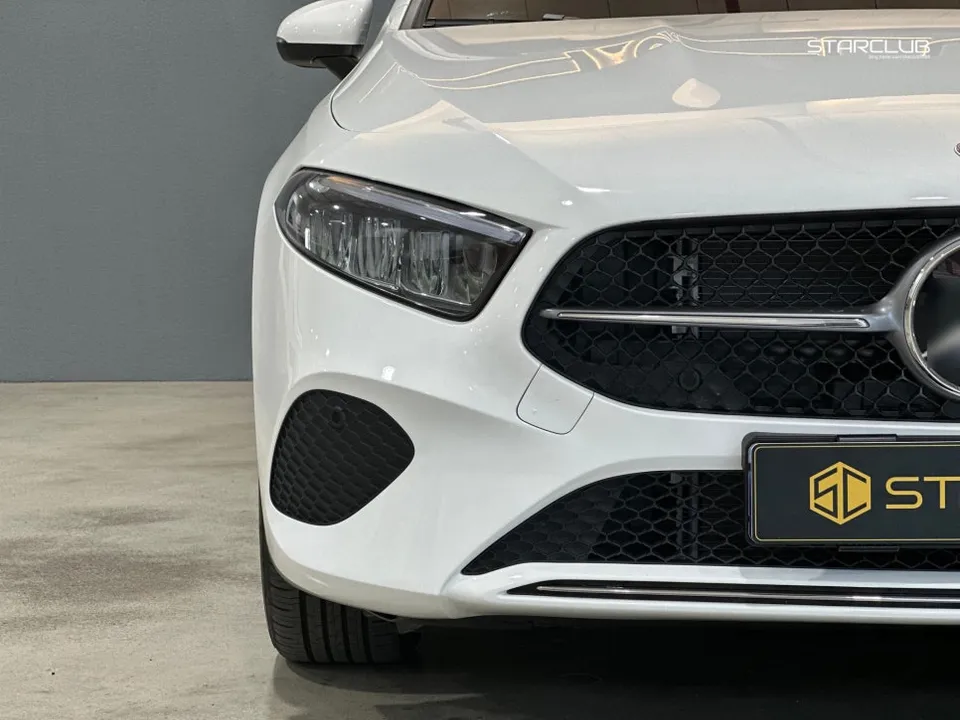
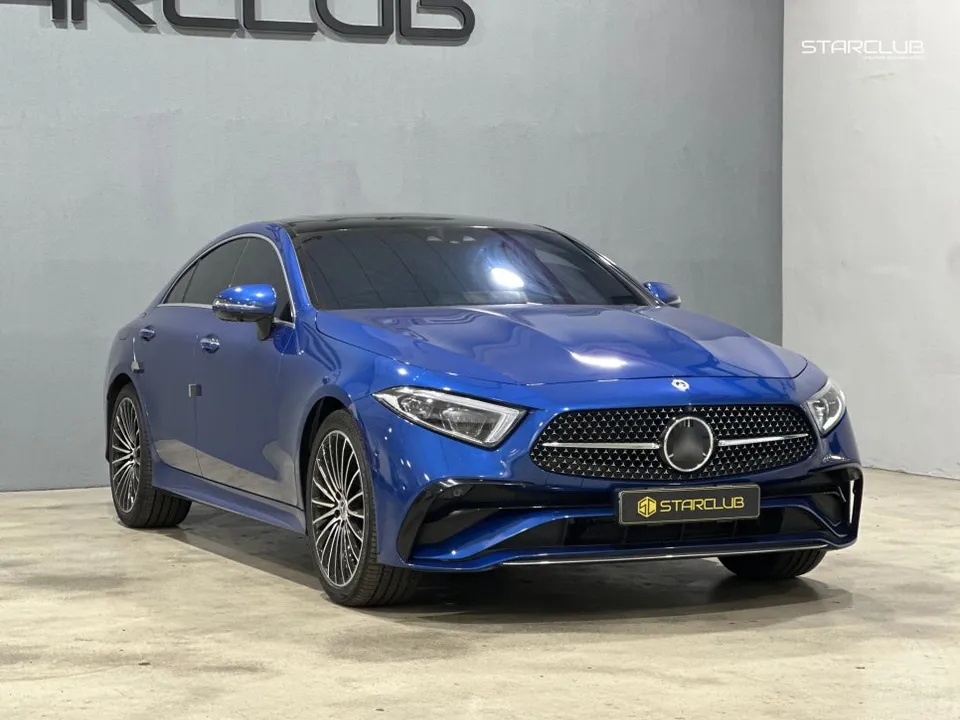
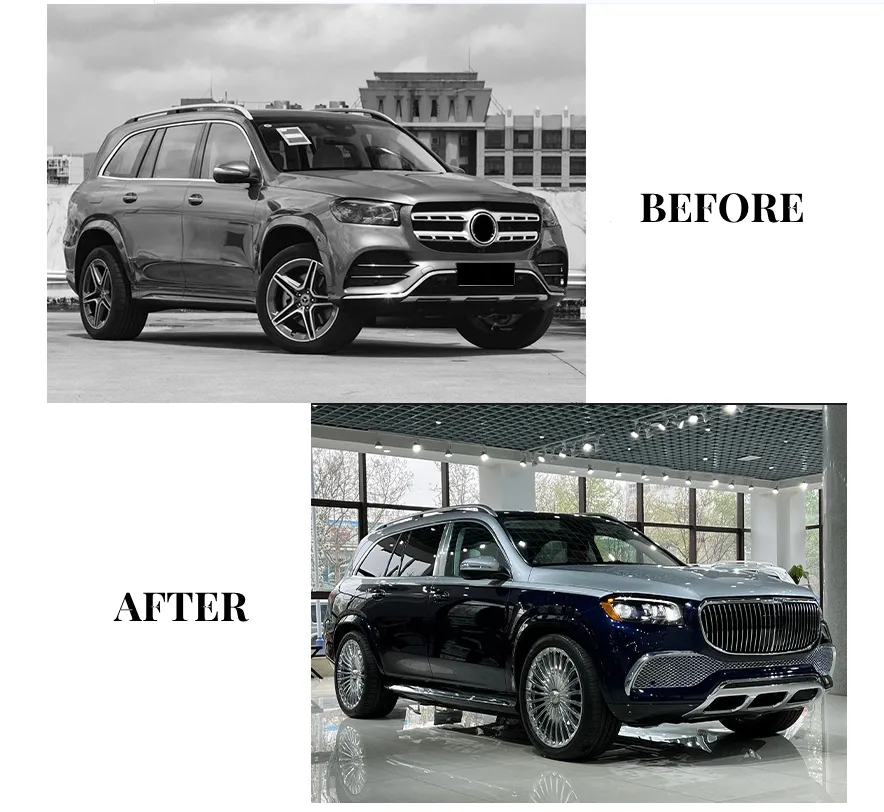
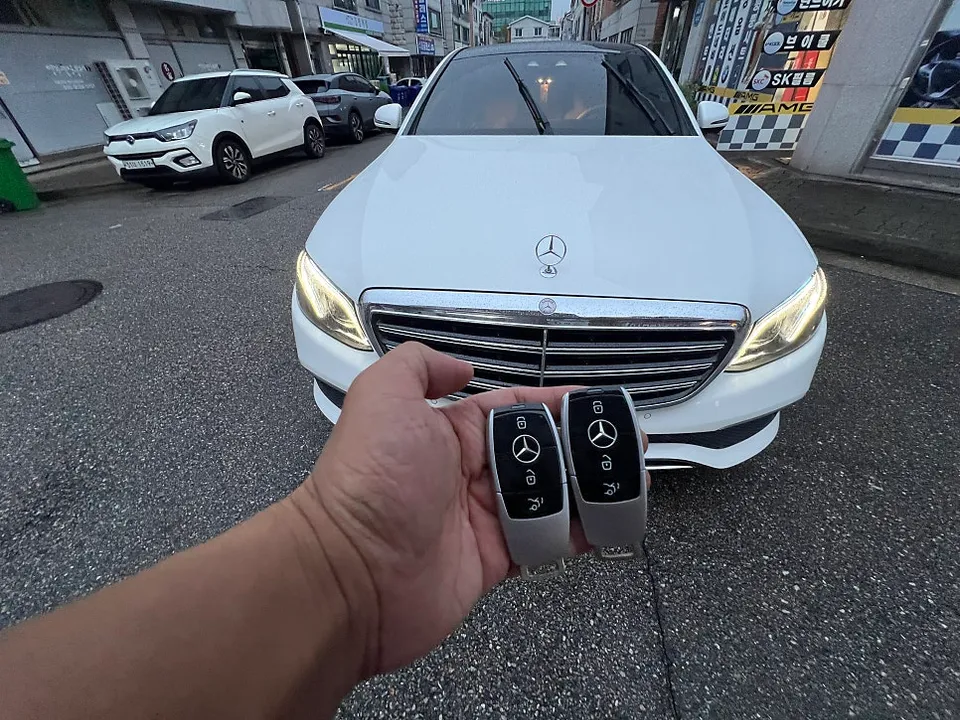
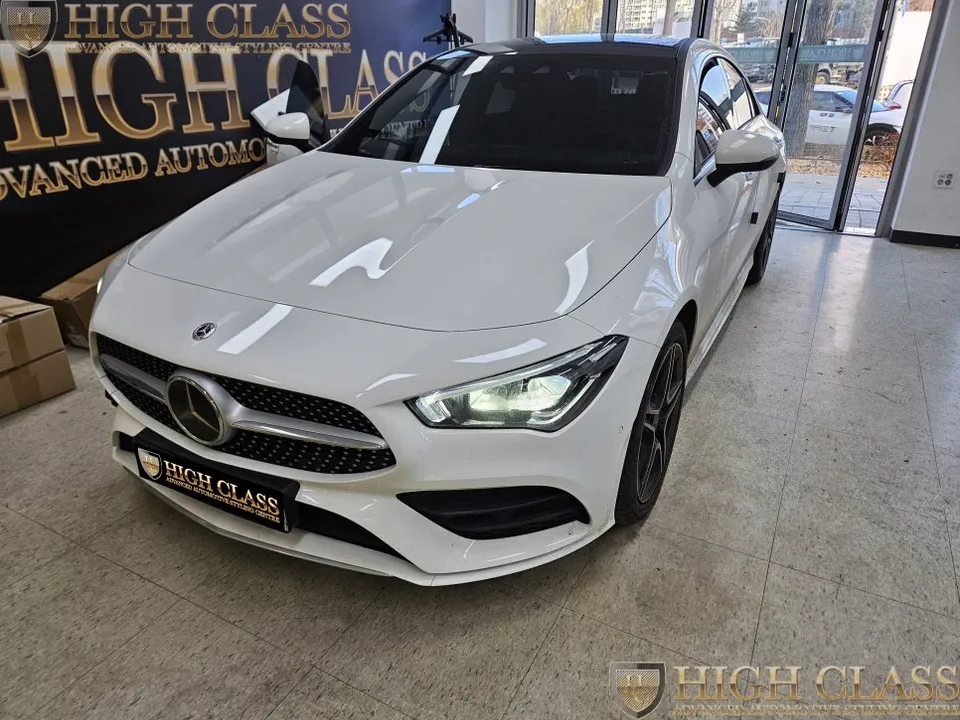
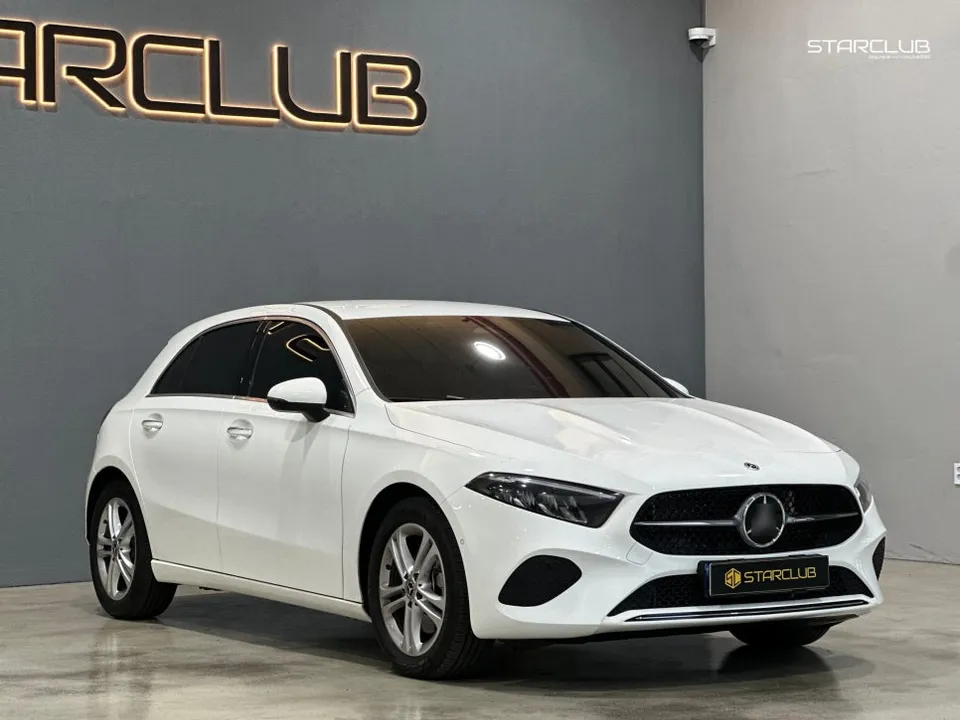
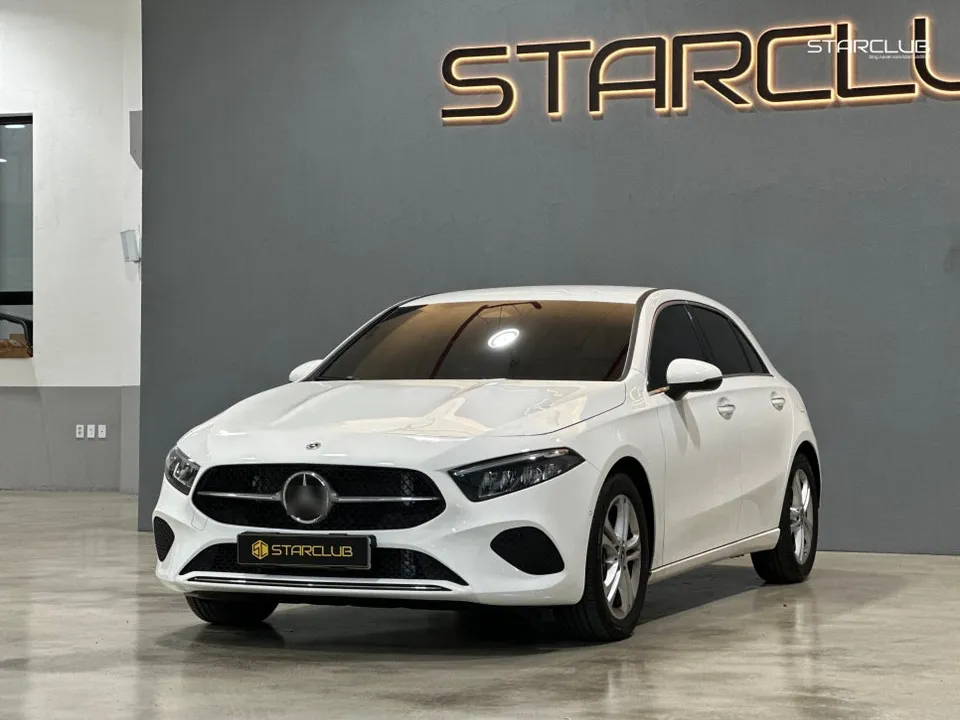
Mercedes-Benz A-Class body kit installation resulted in a highly satisfying aesthetic upgrade, transforming the car's look.
Aero Kit Upgrade for the Mercedes-Benz A-Class
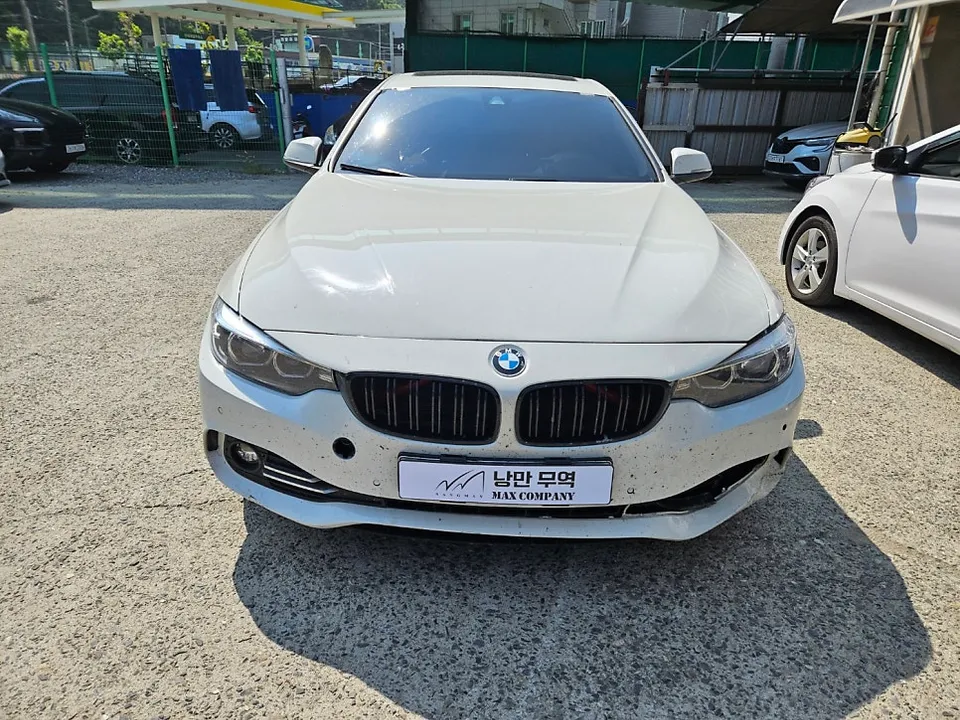
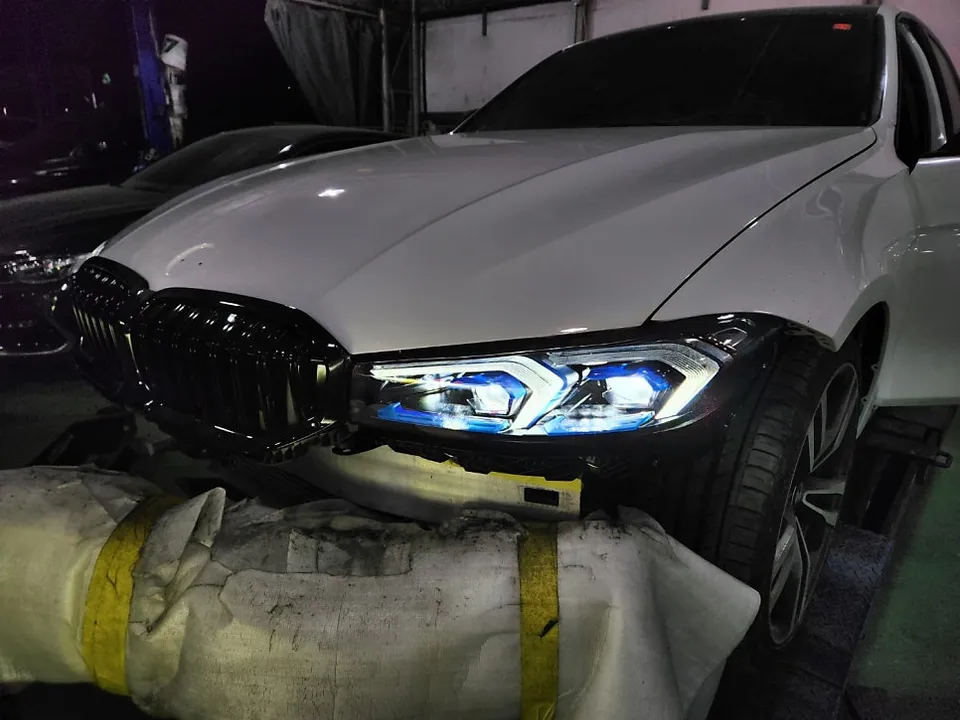
When considering an aesthetic upgrade for your Mercedes-Benz A-Class, a body kit, often referred to as an aero kit, can dramatically transform its appearance. This review details the experience of installing a body kit on a Mercedes-Benz A-Class, a decision that initially met with some skepticism from the dealership. The owner, however, pursued the modification and is extremely pleased with the final result, highlighting a significant improvement in the car's visual appeal. The kit includes components designed to enhance the car's sporty character, giving it a more aggressive and custom look that stands out.
Body Kit Installation and Cost Considerations
The installation process for a body kit involves careful fitting and securing of various aerodynamic components. While the exact cost can vary based on the specific kit chosen and the complexity of the installation, this particular upgrade was completed in Korea. The owner reported satisfaction with the overall body kit cost, though specific figures were not detailed. For context, body kit installation costs in the US can range from $500 to $3,000 or more, depending on the parts and labor involved. This includes the cost of the kit itself, which can range from a few hundred dollars for basic pieces to several thousand for high-end, multi-piece kits. Professional installation is highly recommended to ensure proper fitment and alignment, which is crucial for both aesthetics and aerodynamic performance.
Durability and Long-Term Satisfaction
The durability of a body kit is a key concern for many owners. Materials commonly used include fiberglass-reinforced plastic (FRP) and polyurethane. FRP kits are often more affordable but can be more brittle and prone to cracking. Polyurethane kits tend to be more flexible, durable, and resistant to impacts, making them a better long-term investment, though they usually come at a higher price point. Proper maintenance, including regular cleaning and waxing, can help preserve the finish and integrity of the body kit. This owner's high level of satisfaction suggests that the chosen kit has met expectations for both appearance and resilience, proving to be a worthwhile modification despite initial dealer reservations.
Installation process:
- Preparation: The original bumpers and side skirts are removed. The new body kit components are test-fitted to ensure proper alignment and fit.
- Modification: Minor adjustments or trimming may be necessary for a perfect fit. Mounting points are identified and prepared.
- Attachment: The new front lip, side skirts, and any other components are securely attached using a combination of bolts, screws, and automotive-grade adhesive.
- Finishing: Any gaps are filled, and the installed parts are smoothed for a seamless look. The vehicle is then cleaned and detailed.
Frequently Asked Questions
Q. How much does a body kit cost for a Mercedes-Benz A-Class?
The cost for this specific body kit installation in Korea was satisfactory to the owner, though not itemized. Typical US body kit installation costs can range from $500 to over $3,000, depending on the kit and labor.
Q. How long does body kit installation take on a Mercedes-Benz A-Class?
While installation time wasn't specified, body kit installation typically takes 1-3 days depending on the complexity of the kit and the installer's schedule. Regular cleaning and waxing will help maintain its condition.
Q. Is a body kit worth it for a Mercedes-Benz A-Class?
A body kit is worth it for Mercedes-Benz A-Class owners seeking a more aggressive and personalized aesthetic. The significant visual improvement can enhance owner satisfaction and the car's overall presence.
Q. How is a body kit installed on a Mercedes-Benz A-Class?
Installation involves removing original parts, test-fitting the new components, making minor adjustments, and securely attaching the body kit pieces using bolts, screws, and adhesive. Finally, the area is finished for a seamless look.
Q. What is the difference between FRP and polyurethane body kits for a Mercedes-Benz A-Class?
FRP (fiberglass-reinforced plastic) kits are generally less expensive but can be brittle, while polyurethane kits offer superior flexibility and durability against impacts. Polyurethane is recommended for long-term value.
OhCar Partner Shop