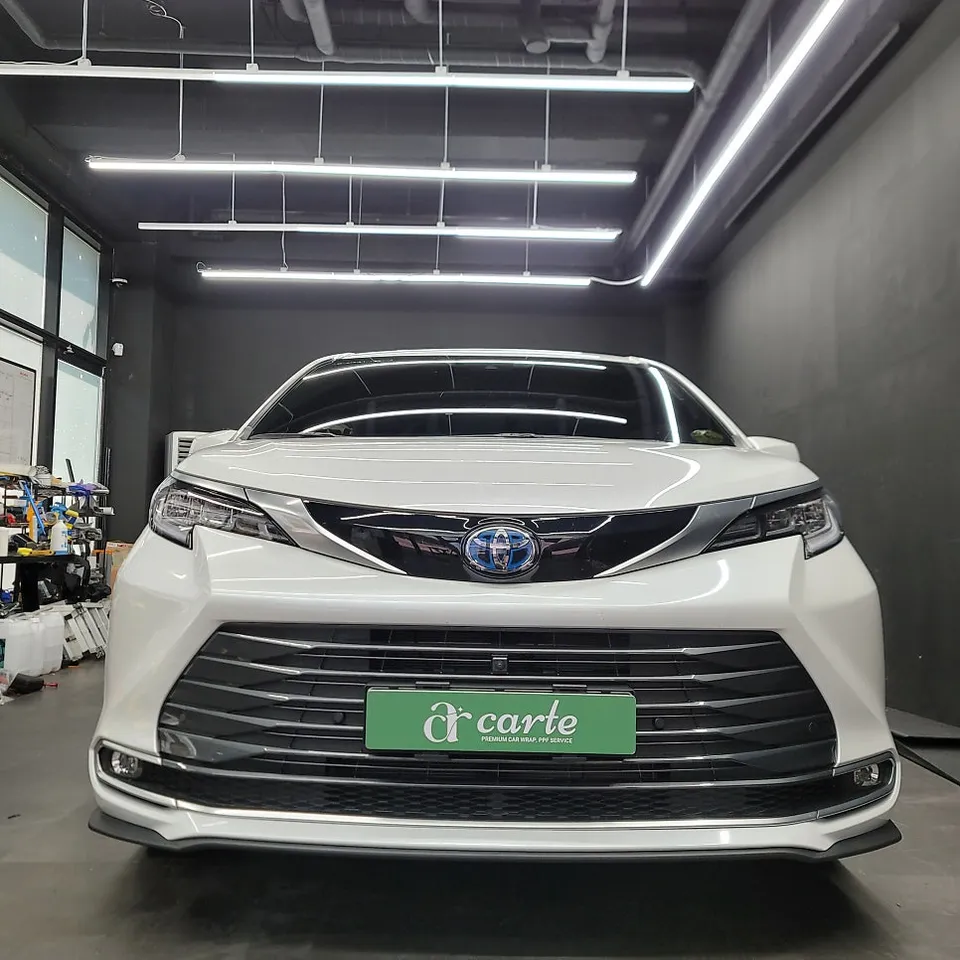
Toyota Sienna Body Kit Installation Review
Service Price
$40–80
Estimated price · Actual price may vary by shop
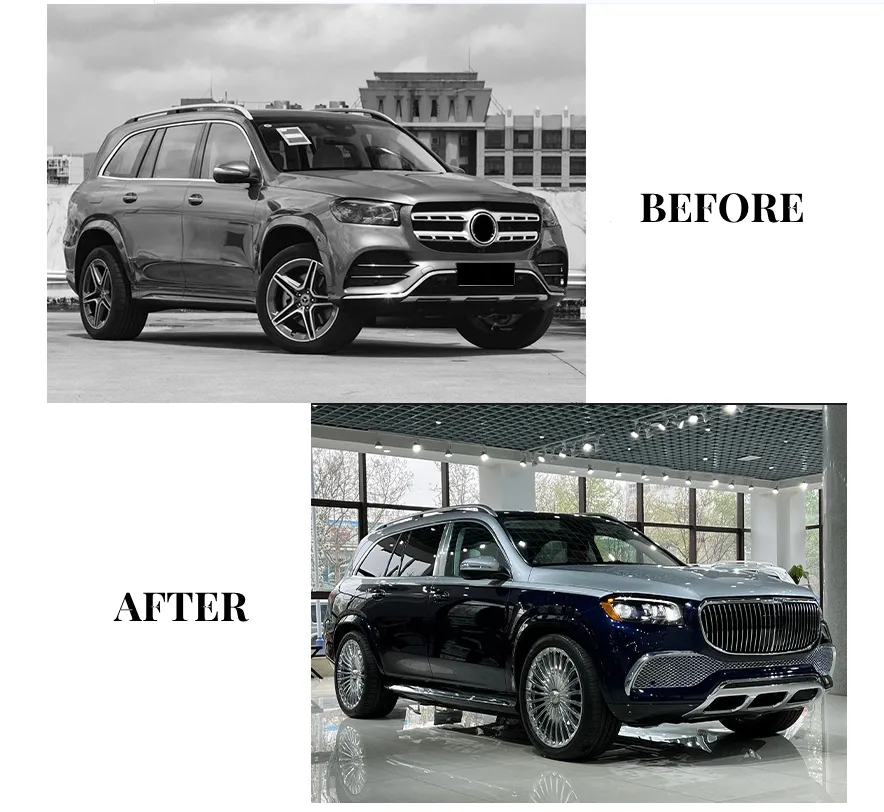
Before
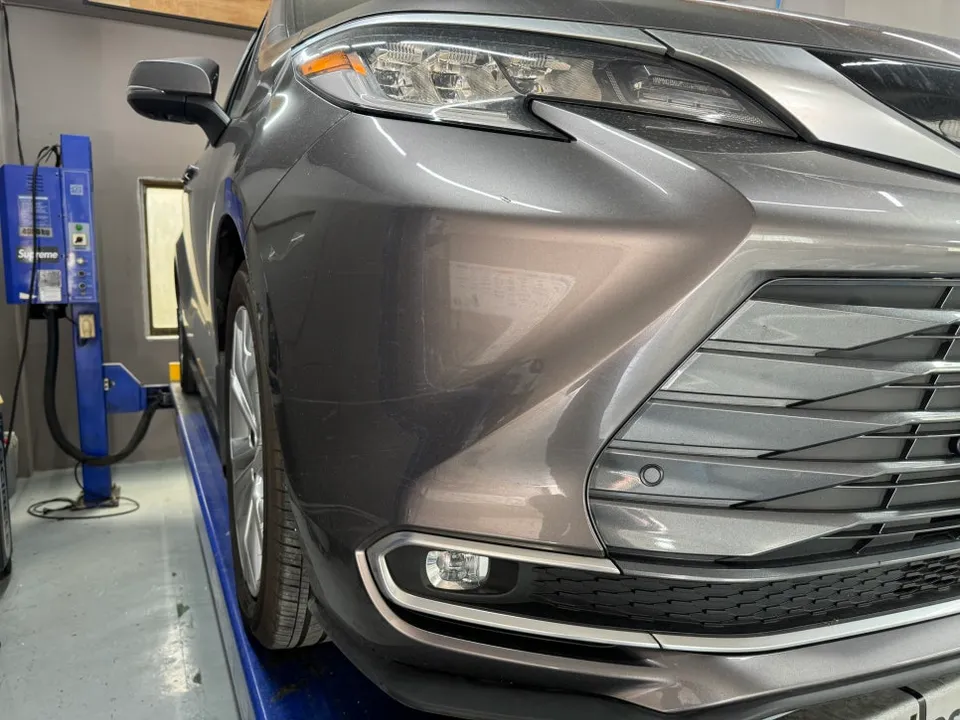
After
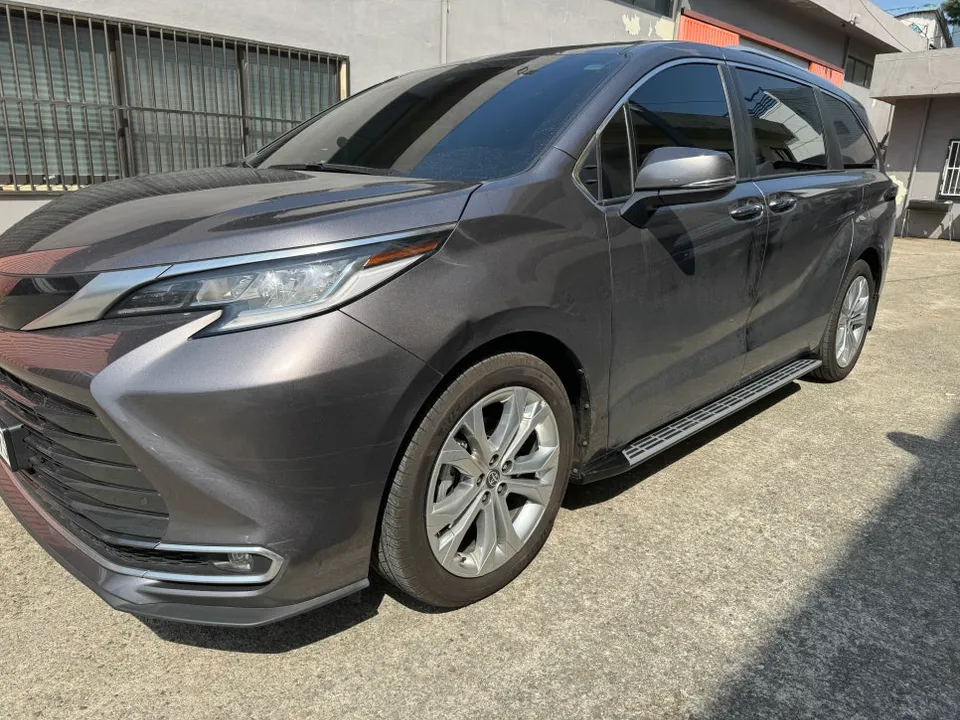
Process photos
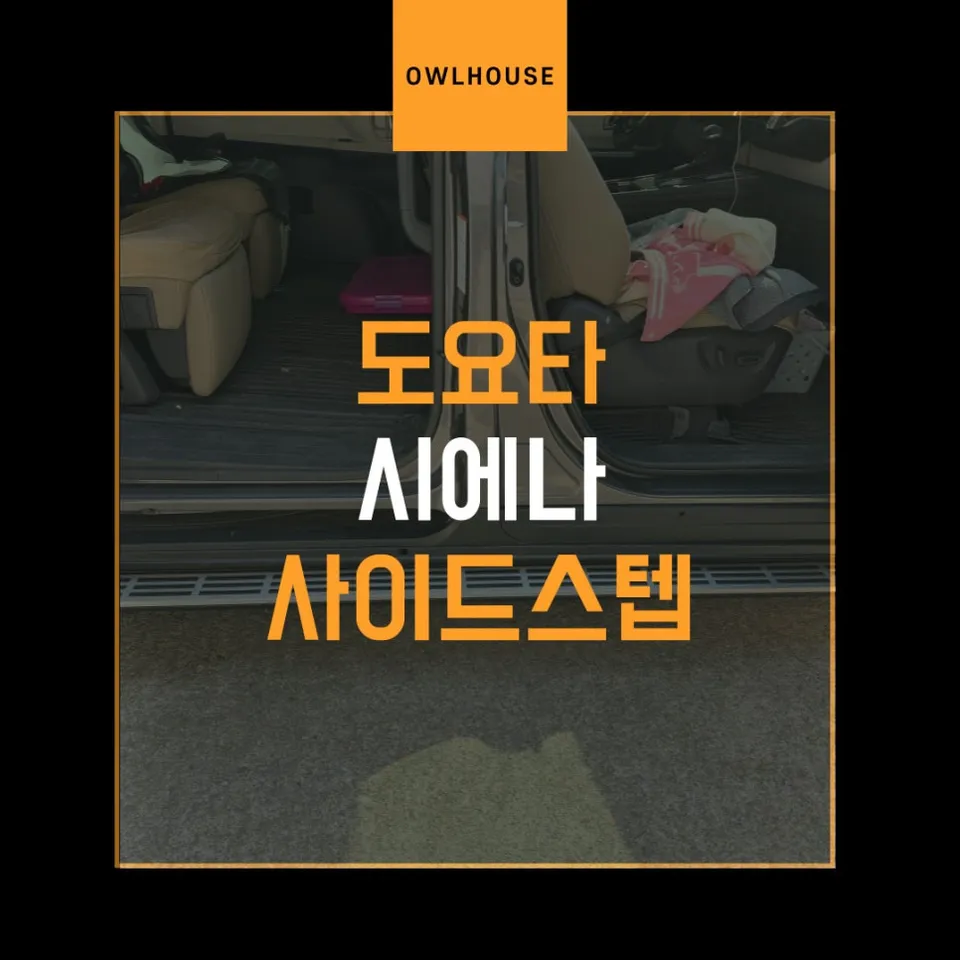
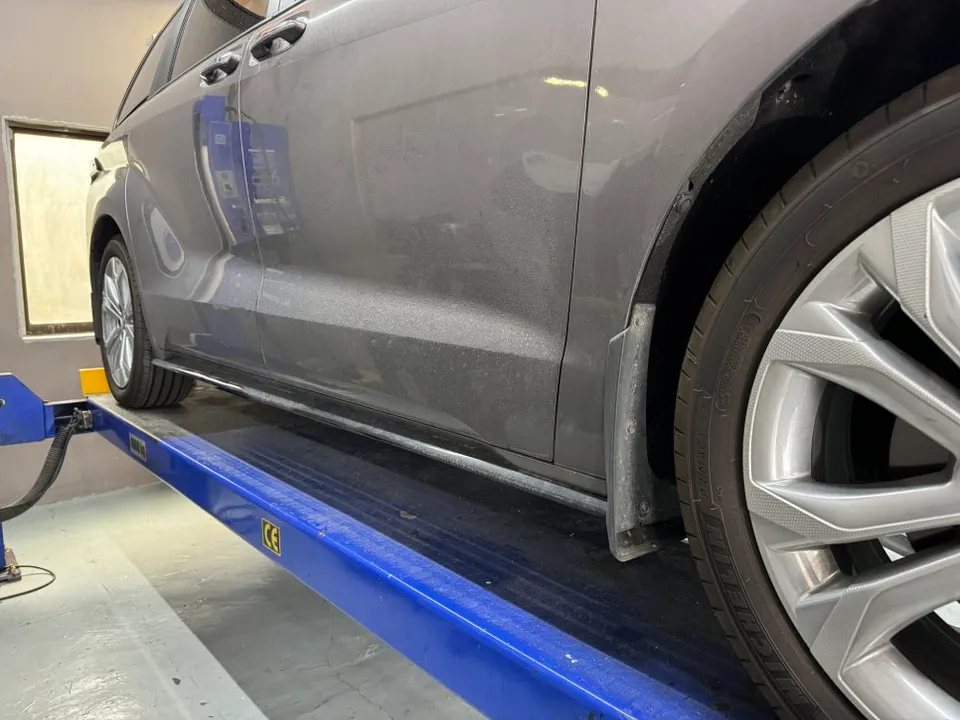
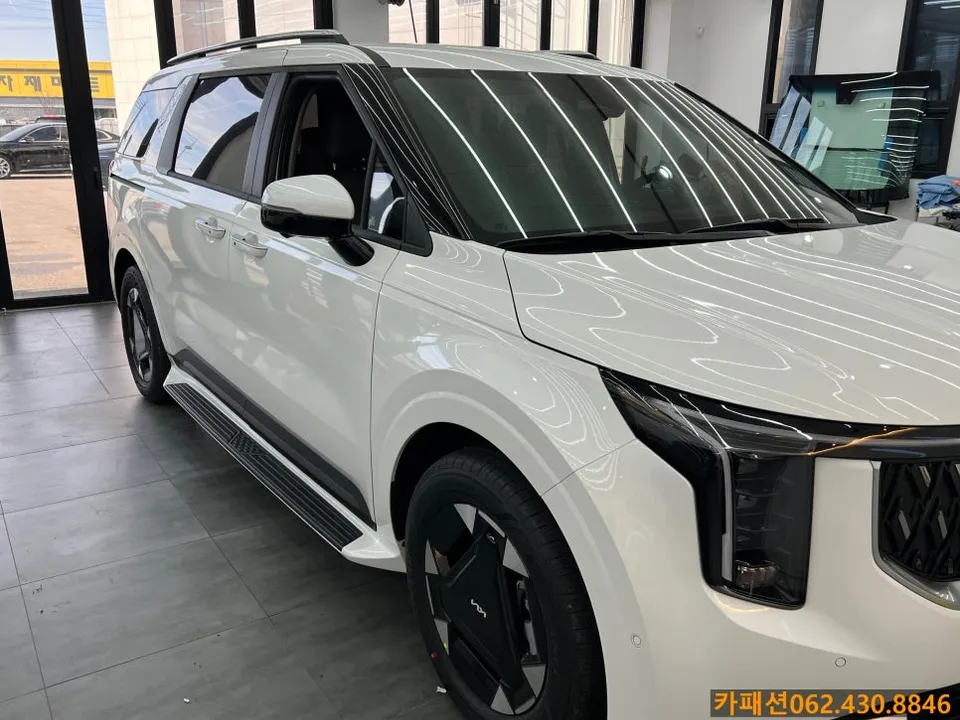
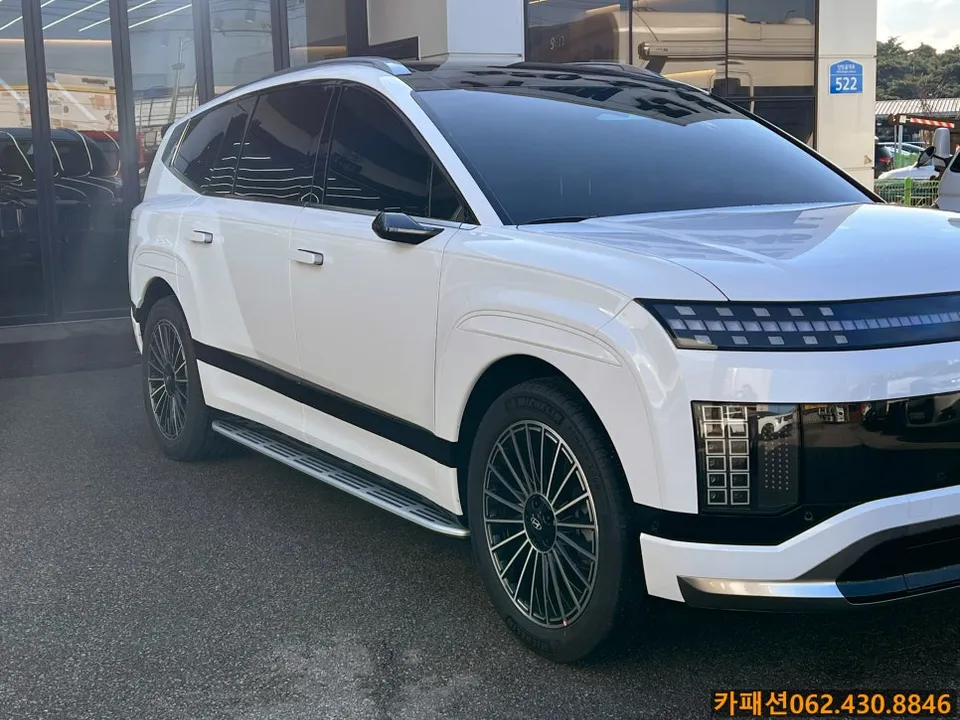
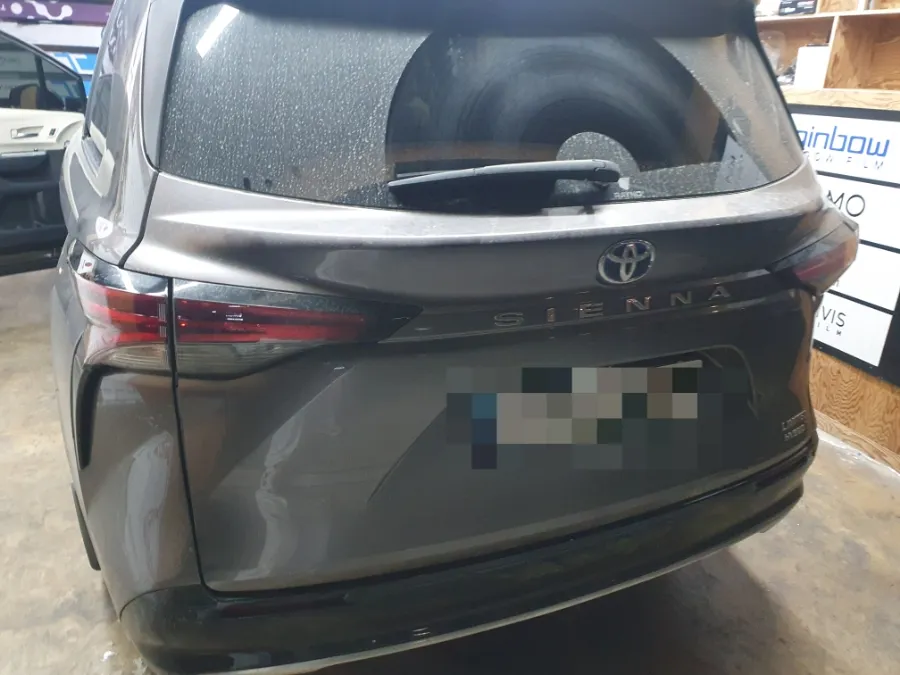
Toyota Sienna side step installation: ₩300,000-₩500,000. Improves accessibility and maintains vehicle design.
Toyota Sienna Body Kit Installation: Enhancing Style and Functionality
The Toyota Sienna, a popular minivan, often sees modifications aimed at improving both aesthetics and practicality. While not typically associated with aggressive styling, a body kit or aero kit can offer a subtle yet impactful upgrade. This review delves into the specifics of body kit installation for the Toyota Sienna, covering the process, potential costs, and the overall value proposition for owners.
Understanding Body Kits for the Sienna
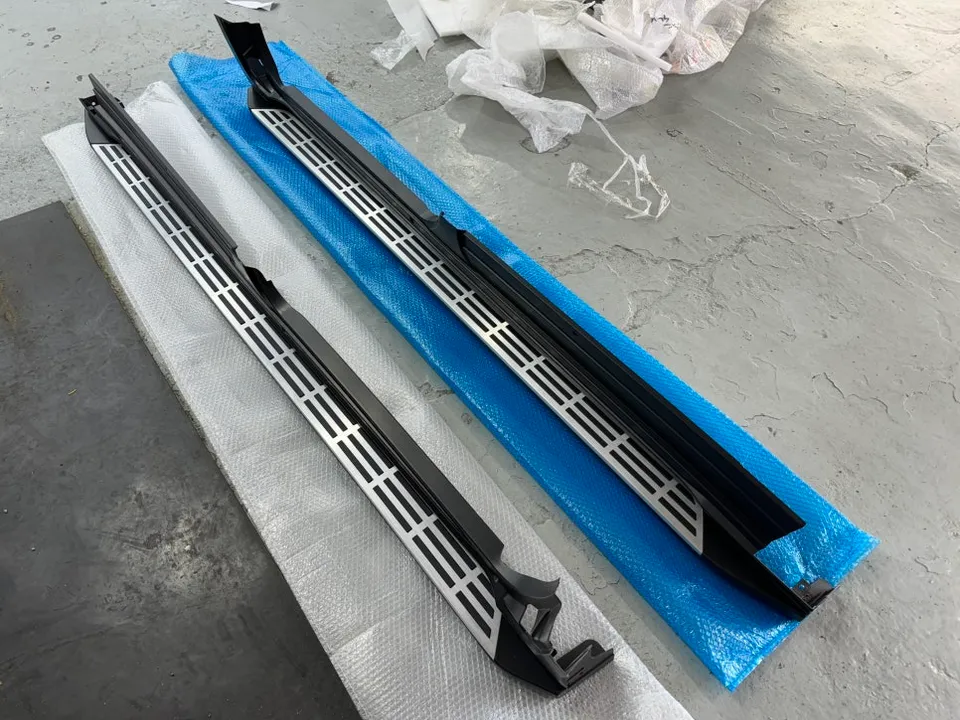
A body kit, often referred to as an aero kit, typically includes components like front lips, side skirts, and sometimes rear diffusers. For the Toyota Sienna, these additions can serve multiple purposes. They can lower the visual center of gravity, giving the minivan a sportier stance, and in some cases, may offer minor aerodynamic benefits. The Korean context for this review focuses on a specific type of side step installation, which, while not a full body kit, shares similar installation considerations and aims to improve vehicle access and appearance. The original context highlights a fixed side step installation for the 4th generation Toyota Sienna, noting that despite the vehicle's lower profile compared to other vans, the side steps provide significant convenience for entry and exit, especially for those utilizing features like 2nd-row seat reclining. The installation process described emphasizes a clean fit without interfering with the factory foot sensor functions, requiring a transplant of the sensor unit. A key point from the original context is the use of a single, black color option for the side steps to maintain a cohesive look across different vehicle colors and manage costs effectively. This approach ensures a sleek integration that complements the Sienna's design without being overly ostentatious.
The Installation Process and Costs
Installing a body kit or specialized components like side steps on a Toyota Sienna involves careful work to ensure a perfect fit and maintain vehicle functionality. The process, as detailed in the Korean source, for the fixed side steps involved integrating them without compromising the original foot sensor system. This required a meticulous transplant of the sensor components. The installation typically takes around 3 to 4 hours to complete. While the specific price mentioned in the Korean context is in the range of 300,000 to 500,000 KRW (approximately $220-$370 USD, subject to exchange rates), it's crucial to note that body kit installation costs in the US can vary significantly. Factors influencing the final price include the complexity of the kit, the materials used (such as polyurethane or fiberglass-reinforced plastic - FRP), and the labor rates of the installer. A full body kit installation, including front lip, side skirts, and rear bumper elements, could range from $400 to $1500 or more in the US, depending on the brand and shop. The Korean source emphasizes that exact pricing requires a vehicle inspection and consultation, as costs can differ based on the vehicle's condition, the specific product grade, and the scope of work.
Durability, Results, and Is It Worth It?
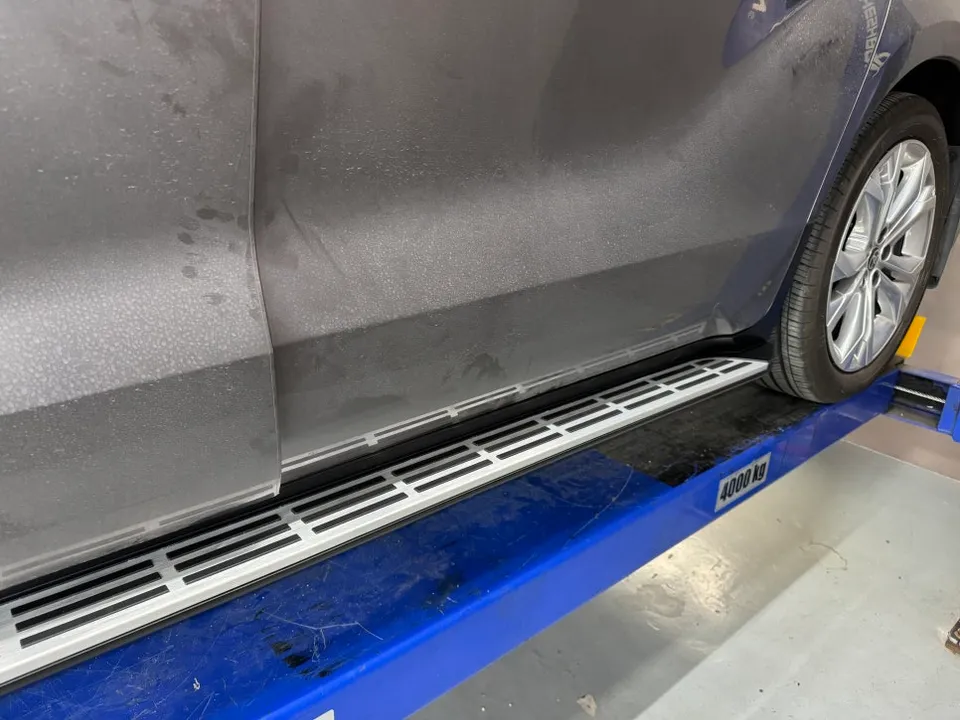
The durability of a body kit largely depends on the material and the quality of the installation. Polyurethane kits are generally more flexible and resistant to cracking than FRP kits, making them a better choice for daily drivers. The fixed side steps mentioned in the Korean review are described as having excellent fitting, comparable to genuine parts, and offering a stable stepping area that doesn't protrude excessively, thus preserving the vehicle's design integrity. The longevity is considered semi-permanent, contingent on product quality. For the Sienna owner, the decision to install a body kit or side steps hinges on personal preference and intended use. If the goal is to enhance the minivan's appearance with a sportier look or to improve accessibility, then the investment can be well worth it. The before-and-after results, particularly with well-fitted side skirts and a front lip, can significantly alter the vehicle's perceived style. However, potential risks include damage from road debris, improper fitment leading to rattles or gaps, and the cost of repairs if the kit is damaged. For those seeking enhanced practicality and a cleaner aesthetic, especially for easier ingress and egress, the side step modification offers a tangible benefit, as demonstrated in the original review.
Frequently Asked Questions
Q. How much does a body kit cost for a Toyota Sienna?
The specific side step installation in this review cost between ₩300,000-₩500,000 (approx. $220-$370 USD). Full body kit installations in the US can range from $400 to over $1500, depending on the kit and labor.
Q. How long does body kit installation take on a Toyota Sienna?
The installation process for the side steps described took approximately 3-4 hours. Proper installation ensures durability, and regular cleaning with mild soap and water will help maintain the finish.
Q. Is a body kit worth it for a Toyota Sienna?
A body kit or side steps can be worth it for a Toyota Sienna if you prioritize enhanced aesthetics or improved accessibility for easier entry and exit. The value lies in achieving a sportier look and practical convenience.
Q. How is a body kit installed on a Toyota Sienna?
Installation typically involves preparing the vehicle's surface, carefully aligning and attaching the kit components (like front lips or side skirts) using specialized adhesives and fasteners, and ensuring all sensors or functions are correctly reconnected or integrated.
Q. What is the difference between FRP and polyurethane body kits for a Toyota Sienna?
Polyurethane kits are generally more flexible and impact-resistant than FRP (fiberglass-reinforced plastic) kits, making them less prone to cracking. For daily driving and durability, polyurethane is often the preferred material.
OhCar Partner Shop