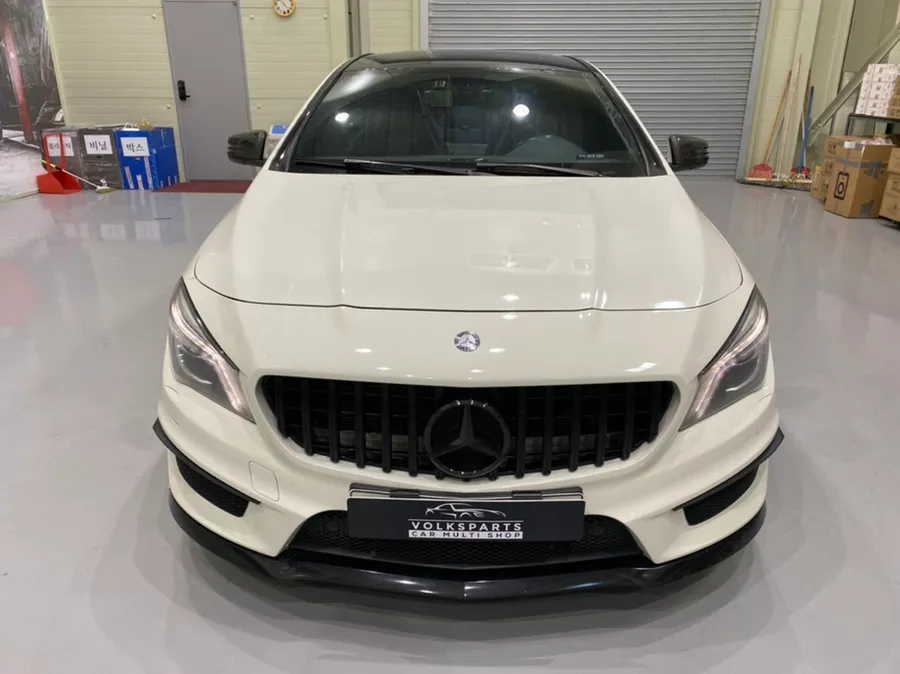
Mercedes-Benz CLA 250 Wheel Repair Review: Crack Restoration Succ
Service Price
$75–115
Estimated price · Actual price may vary by shop
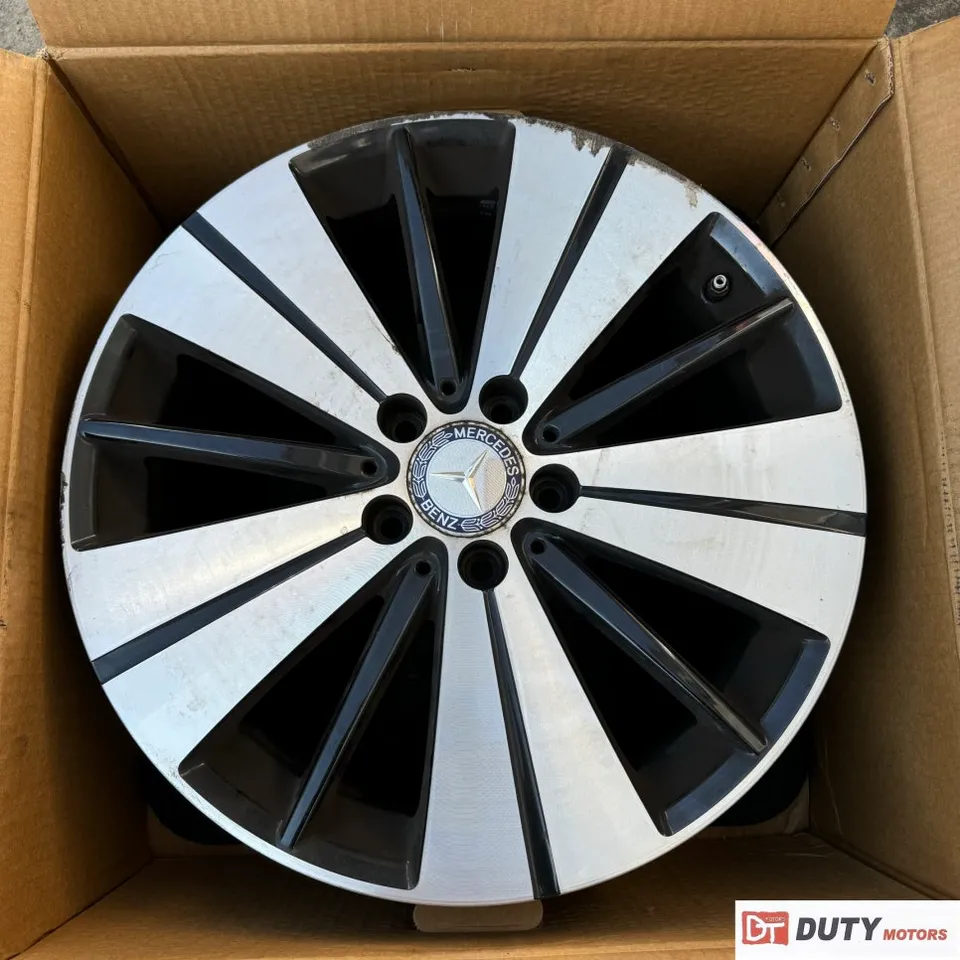
Mercedes-Benz CLA 250 wheel repair for a cracked rim using Argon welding. Restored to perfection, saving the cost of replacement.
Restoring Your Mercedes-Benz CLA 250 Wheels: A Crack Repair Success Story
Many Mercedes-Benz CLA 250 owners facing wheel damage, especially cracks, often assume replacement is the only option. However, for discontinued or rare wheel designs, this can be a costly and difficult path. This review details how a cracked wheel on a Mercedes-Benz CLA 250 was expertly repaired using advanced Argon welding techniques, restoring both safety and aesthetics without the need for a full replacement.
Why Wheel Cracks Can't Be Ignored
A crack in your wheel isn't just an aesthetic issue; it's a significant safety concern. The constant pressure from tire inflation can cause the crack to expand over time. In severe cases, a compromised wheel can fail suddenly, especially at high speeds, leading to dangerous accidents. For a premium vehicle like the Mercedes-Benz CLA 250, maintaining the integrity of its wheels is paramount for safe driving.
The Challenge: A Discontinued Mercedes-Benz CLA 250 Wheel
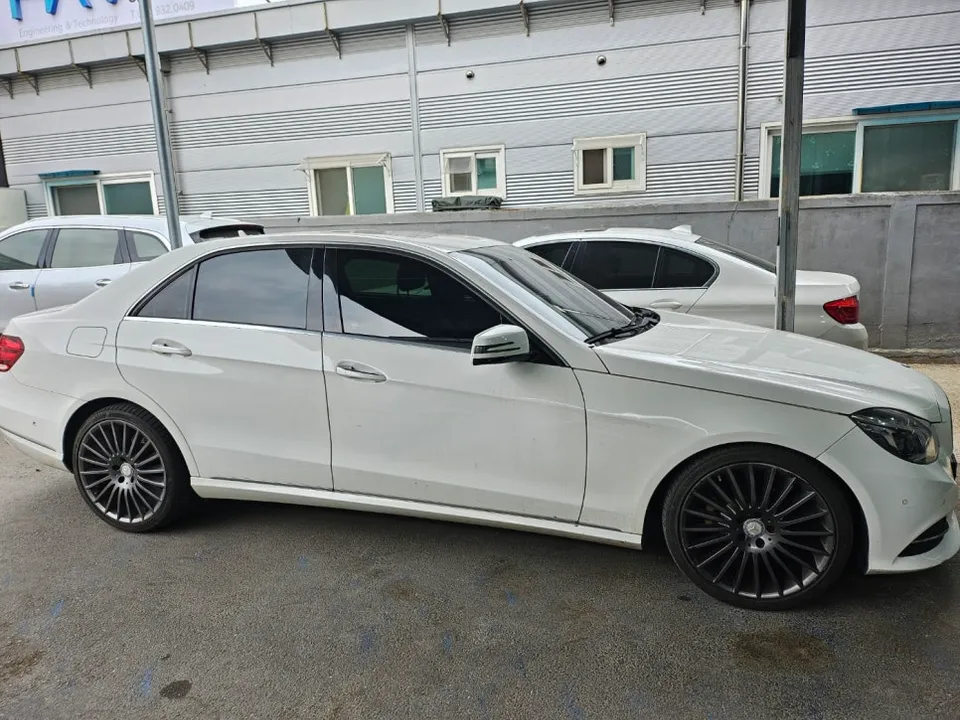
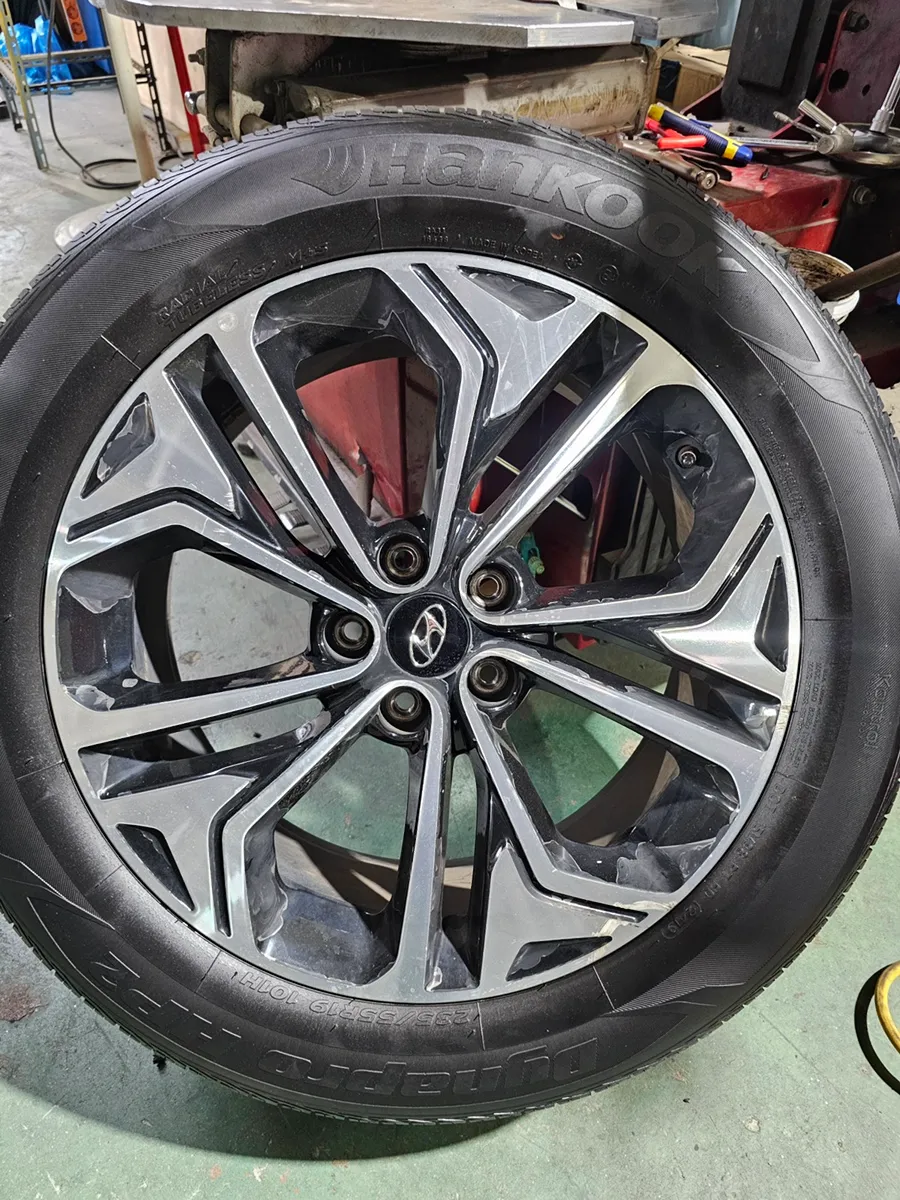
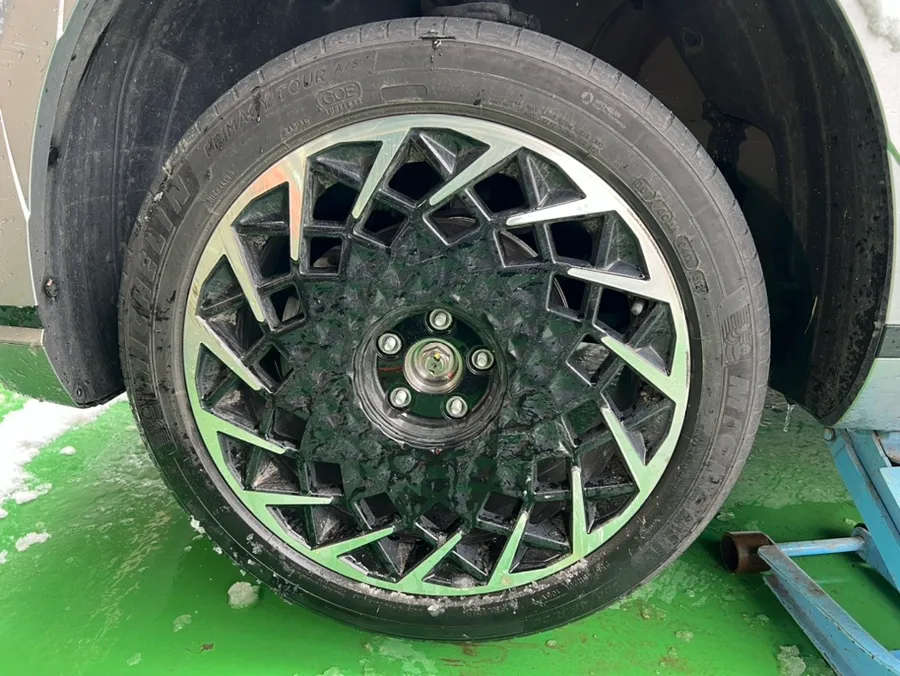
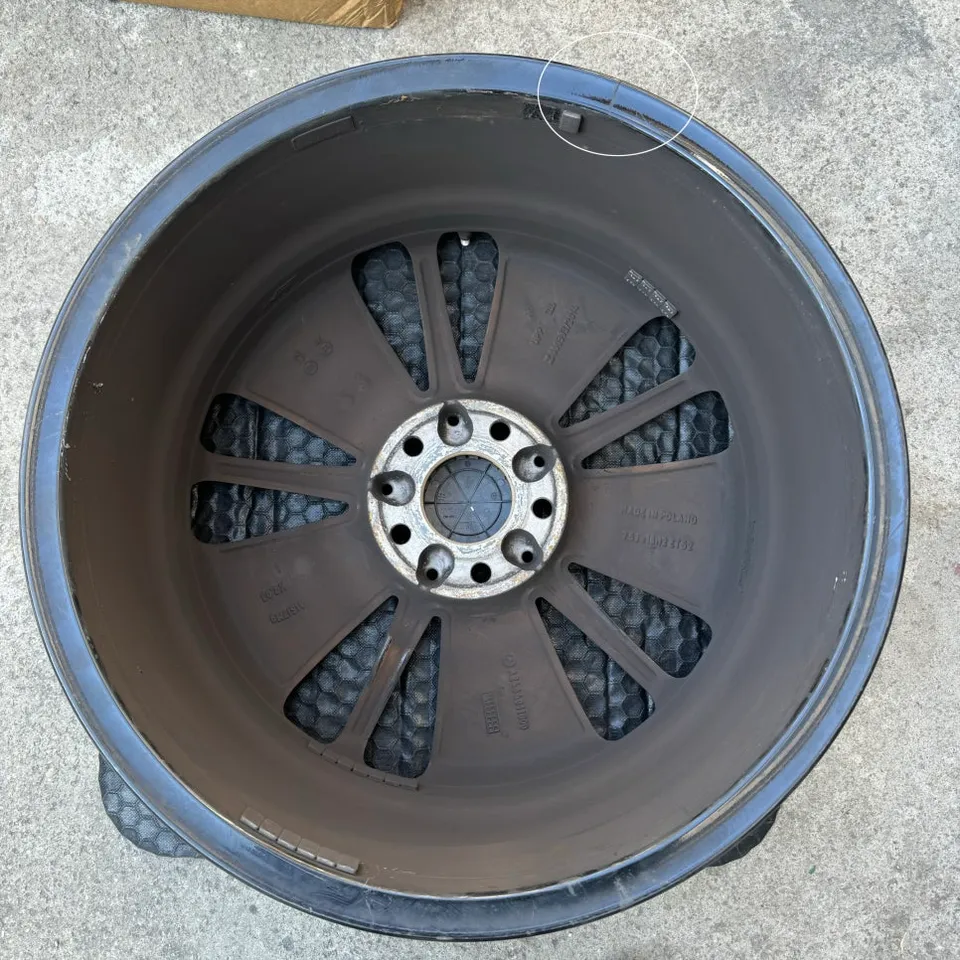
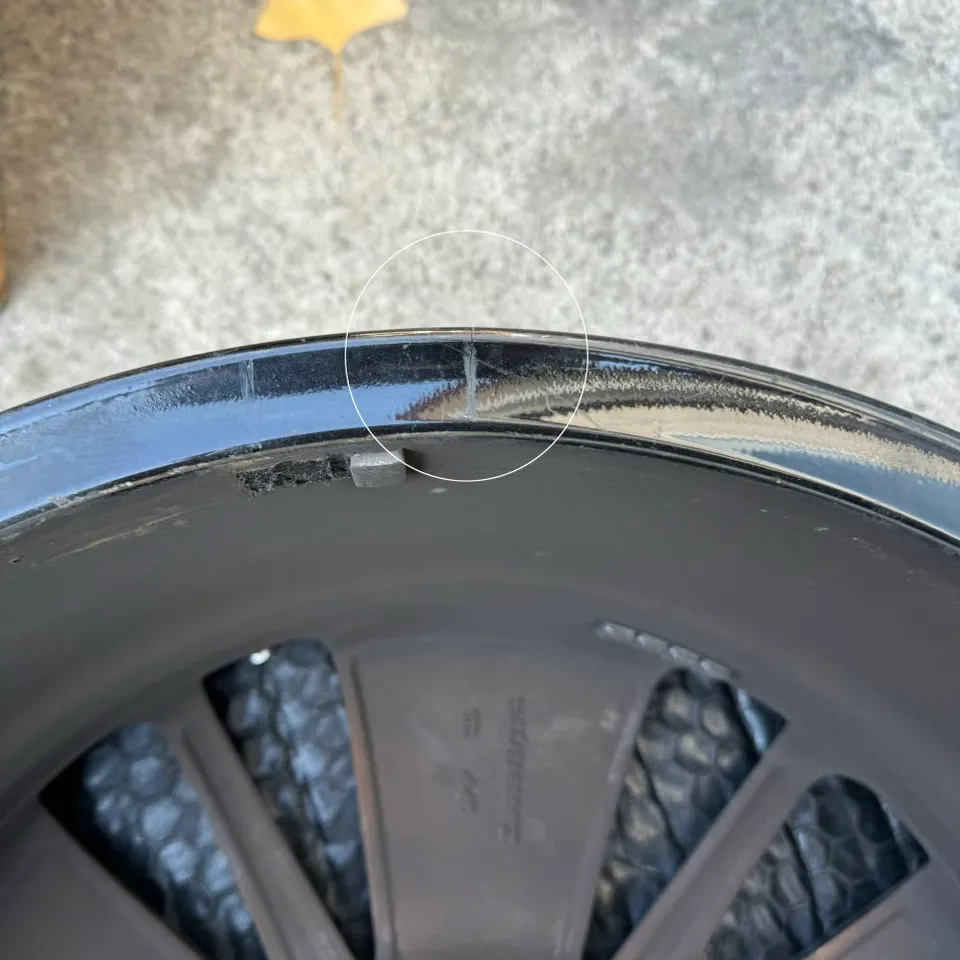
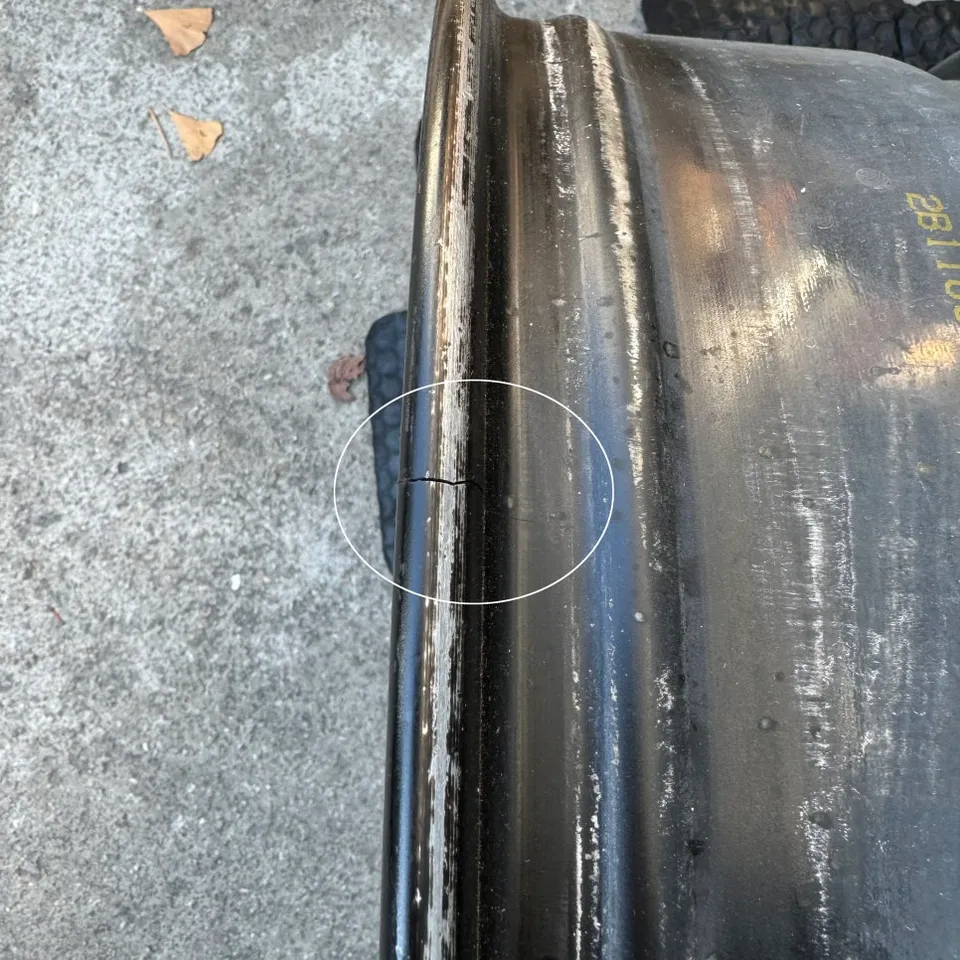
Our client, a Mercedes-Benz CLA 250 owner, faced this exact dilemma. Their vehicle's wheels were no longer in production, making a direct replacement nearly impossible and prohibitively expensive through official channels. After searching online for solutions, they discovered the possibility of professional wheel repair and decided to send their damaged wheel for assessment. Upon inspection, a long, straight crack was visible near the 1 o'clock position, extending deep into the wheel's bead area, requiring specialized skills for a safe and effective repair.
The Argon Welding Process: Precision and Strength
The repair process began with a thorough inspection and cleaning of the cracked area. Argon welding, a process that uses inert argon gas to prevent oxidation and ensure high-quality welds, is ideal for precision components like alloy wheels. Meticulous cleaning is crucial to remove any tire residue or contaminants that could compromise the weld's integrity. The wheel was then securely mounted, and the cracked section was precisely positioned for the welding torch. This preparation phase, often underestimated, accounts for a significant portion of the total repair time, ensuring optimal conditions for the welding itself.
The core of the repair involved a dual Argon welding technique. The first weld was performed on the inner side of the wheel, where the intense heat (around 3,000°C) fuses the metal at an atomic level. This is followed by a second weld on the outer surface. This 'double welding' method is critical for maximizing the wheel's structural integrity, providing the necessary strength to withstand the significant forces encountered during driving. The technician's expertise in controlling torch angle, speed, and flame size is vital for a flawless bond.
Finishing Touches: Restoring the Wheel's Appearance
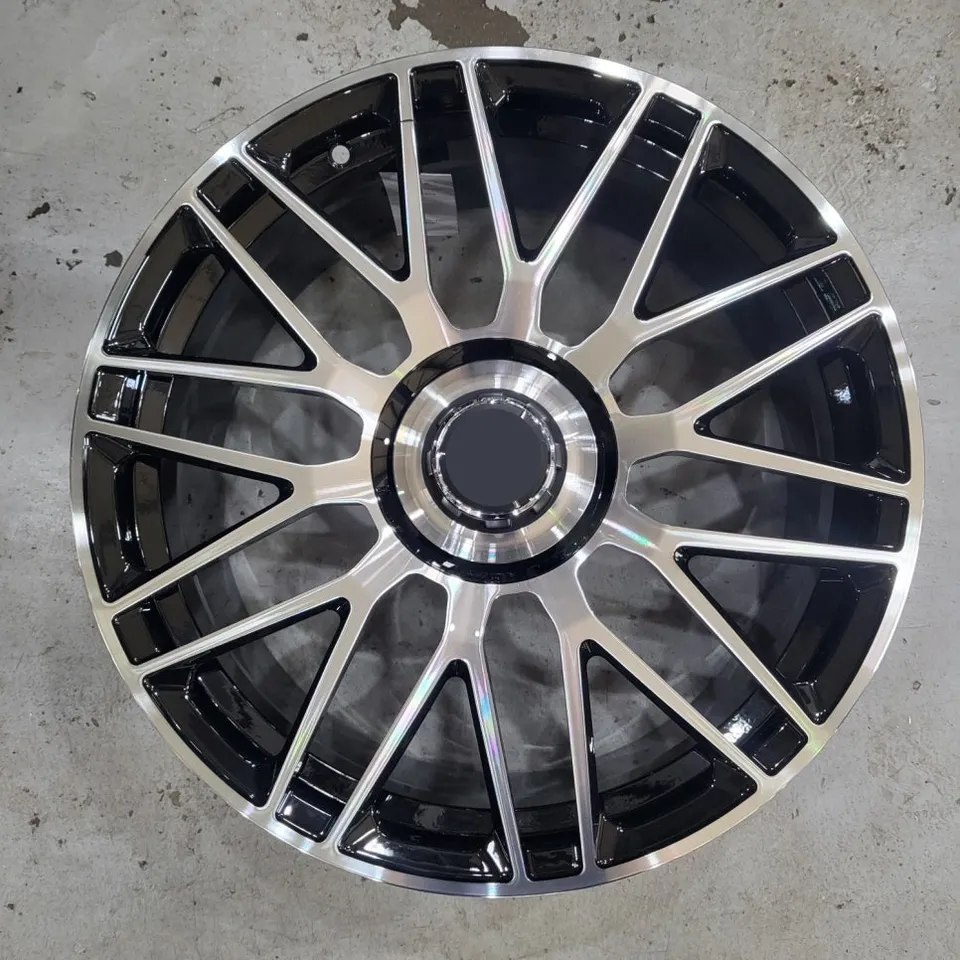
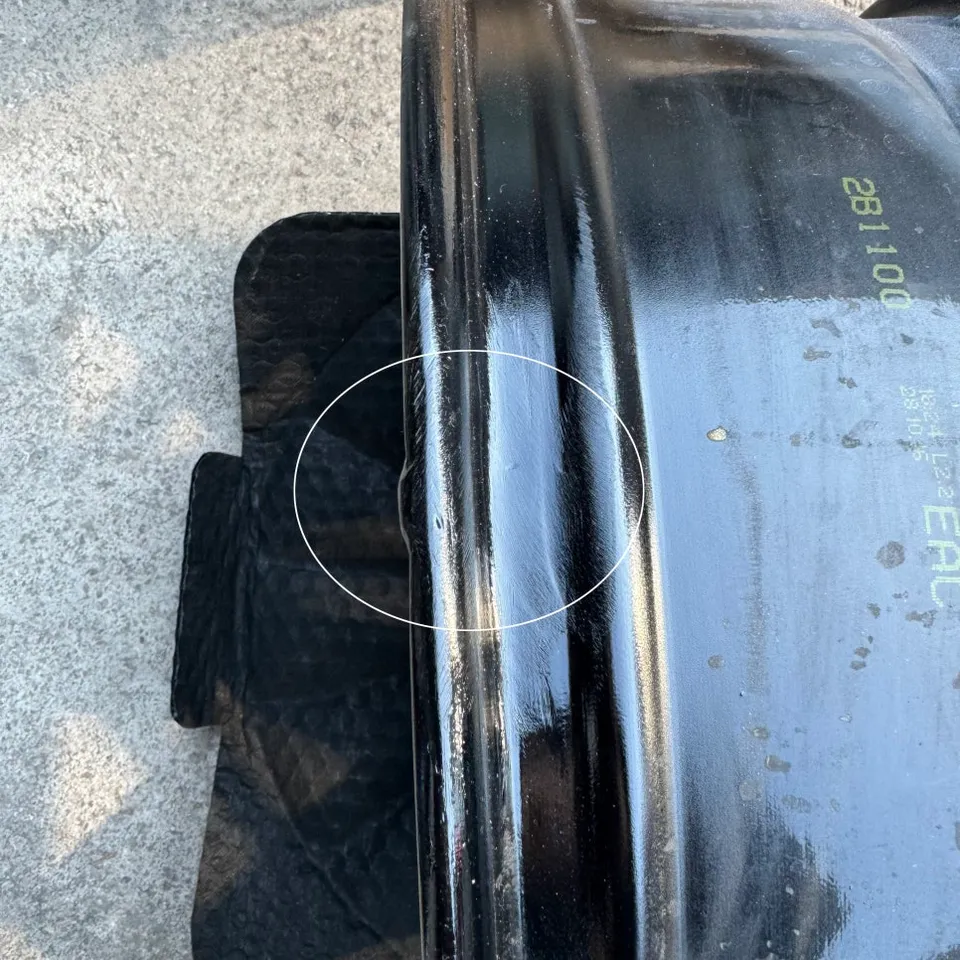
Following the welding, the crucial 'surface finishing' stage began. This involves carefully grinding and smoothing the welded area to eliminate any imperfections and restore the wheel's original profile. For this black polished wheel, achieving a seamless finish was essential. The repaired section was then meticulously refinished to match the original appearance, ensuring the repair was virtually undetectable. The final result was a structurally sound and visually perfect wheel, ready to be remounted on the Mercedes-Benz CLA 250.
How it works:
- Inspection & Preparation: Thoroughly examine the crack and clean the affected area to remove all contaminants.
- Dual Argon Welding: Apply two layers of Argon welding, first internally then externally, to ensure maximum strength and structural integrity.
- Surface Finishing: Grind, smooth, and shape the welded area to match the original wheel profile.
- Refinishing: Apply paint or finish to match the original wheel color and texture, making the repair invisible.
This comprehensive repair process not only saved the client the substantial cost of replacing the discontinued wheels but also ensured the safety and performance of their Mercedes-Benz CLA 250.
Frequently Asked Questions
Q. How much does wheel repair cost for a Mercedes-Benz CLA 250?
The cost for this specific Mercedes-Benz CLA 250 wheel repair, which involved Argon welding for a crack, was not explicitly stated in Korean Won but is significantly less than replacement. Typical US wheel repair costs for cracks can range from $150 to $350 per wheel, depending on the severity and complexity.
Q. Can curb rash be fully repaired on Mercedes-Benz CLA 250 wheels?
Yes, curb rash on Mercedes-Benz CLA 250 wheels can typically be fully repaired through professional refinishing, which involves sanding, filling, and repainting the damaged areas. Regular cleaning and avoiding harsh chemicals will help maintain the repaired finish.
Q. Is wheel repair or replacement cheaper for a Mercedes-Benz CLA 250?
Wheel repair is almost always cheaper than replacement for a Mercedes-Benz CLA 250, especially for discontinued or rare wheel designs. Repair offers a cost-effective solution for damage like cracks or curb rash, preserving the original wheel's integrity.
Q. How is wheel curb rash repaired on a Mercedes-Benz CLA 250?
Curb rash on a Mercedes-Benz CLA 250 wheel is typically repaired through a multi-step refinishing process. 1. The damaged area is carefully sanded down to remove the scratches and metal imperfections. 2. If necessary, filler is applied and smoothed to restore the wheel's contour. 3. The wheel is then primed, painted to match the original color, and clear-coated for protection.
Q. What is the difference between wheel refinishing and full replacement for a Mercedes-Benz CLA 250?
Wheel refinishing restores the original wheel's appearance and structural integrity, ideal for cosmetic damage like curb rash or minor bends, while full replacement involves purchasing and installing a brand new wheel, necessary for severe structural damage like major cracks or bends that cannot be safely repaired. Refinishing is the more economical choice when feasible.
OhCar Partner Shop