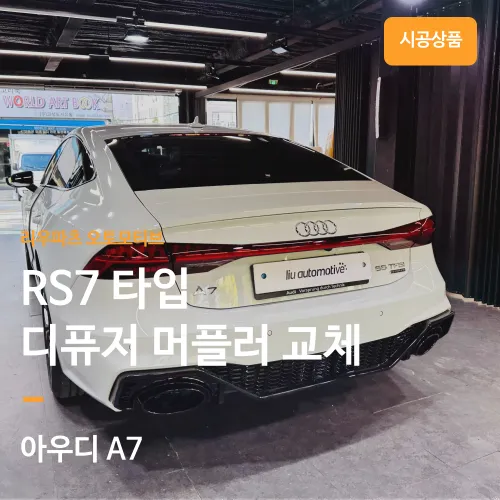
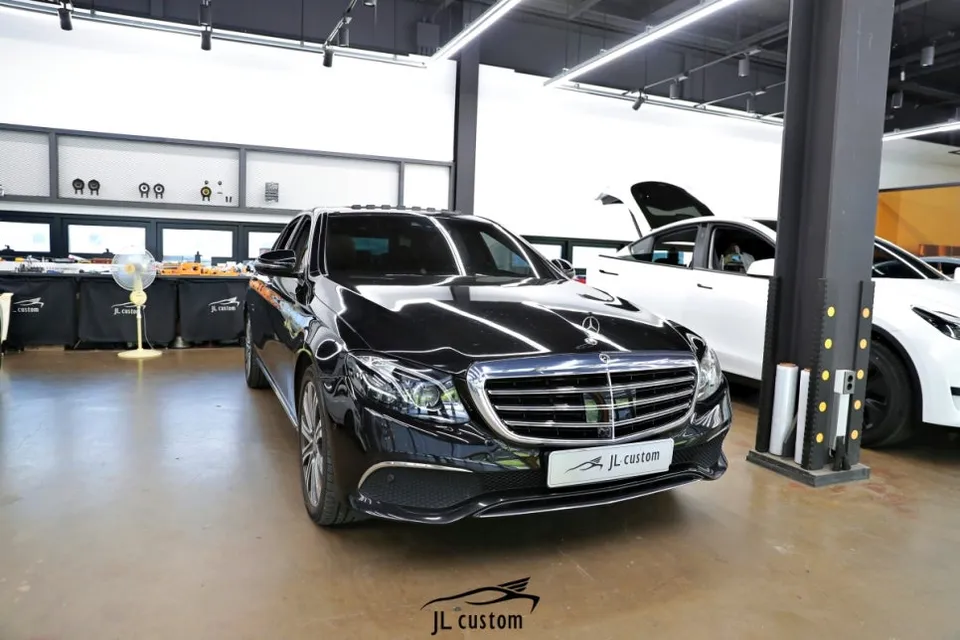
Mercedes-Benz E-Class Body Kit Review — Enhanced Aesthetics
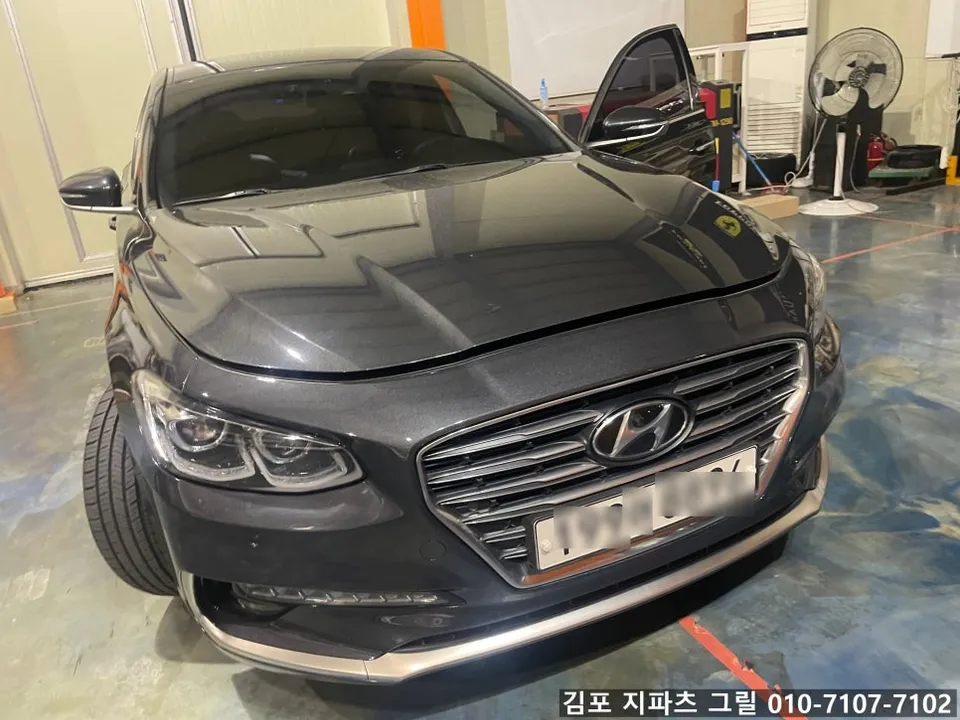
Before
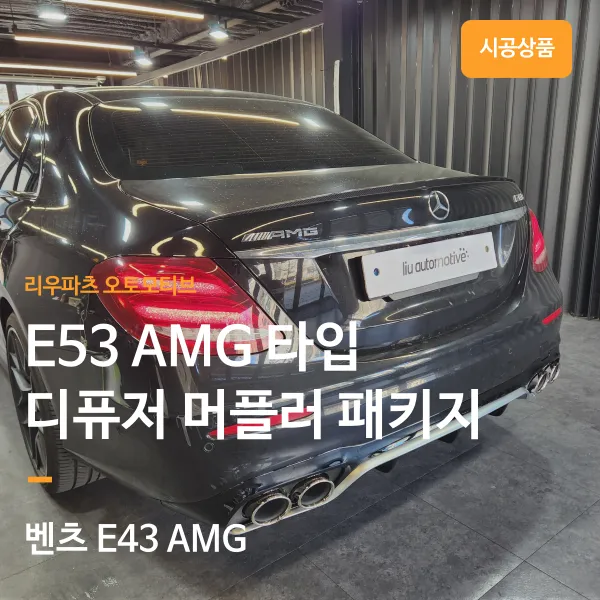
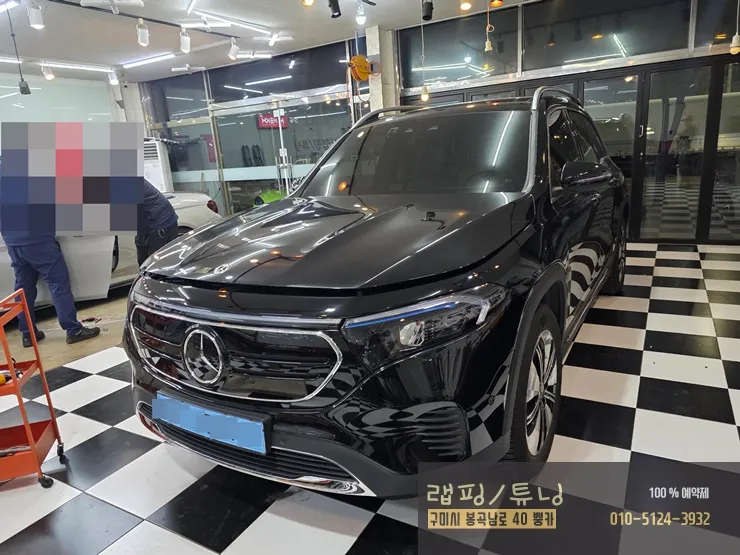
After
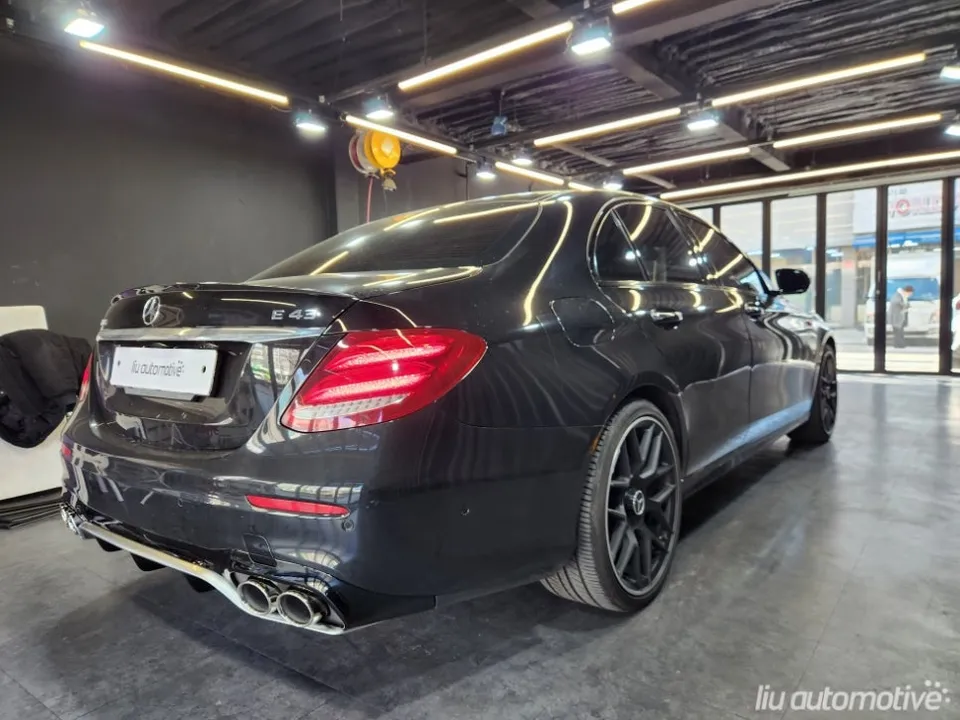
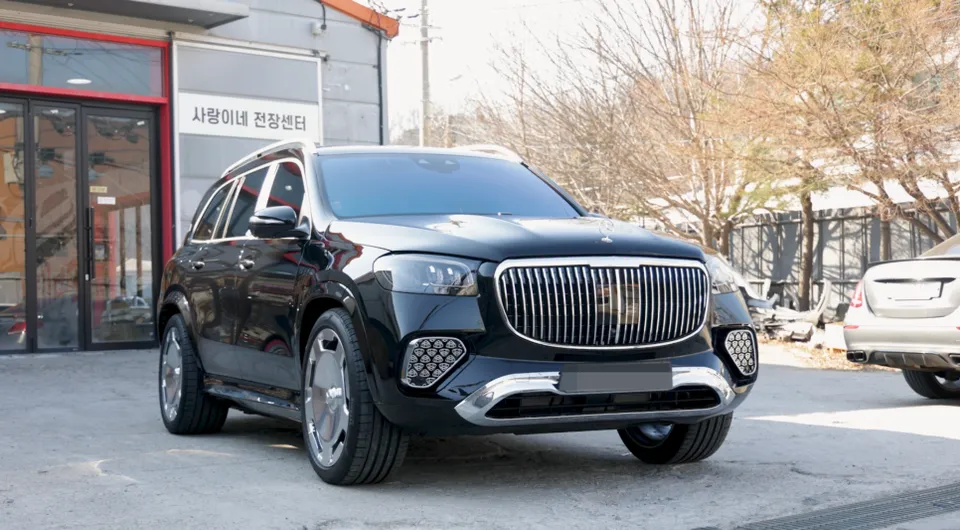
Process photos
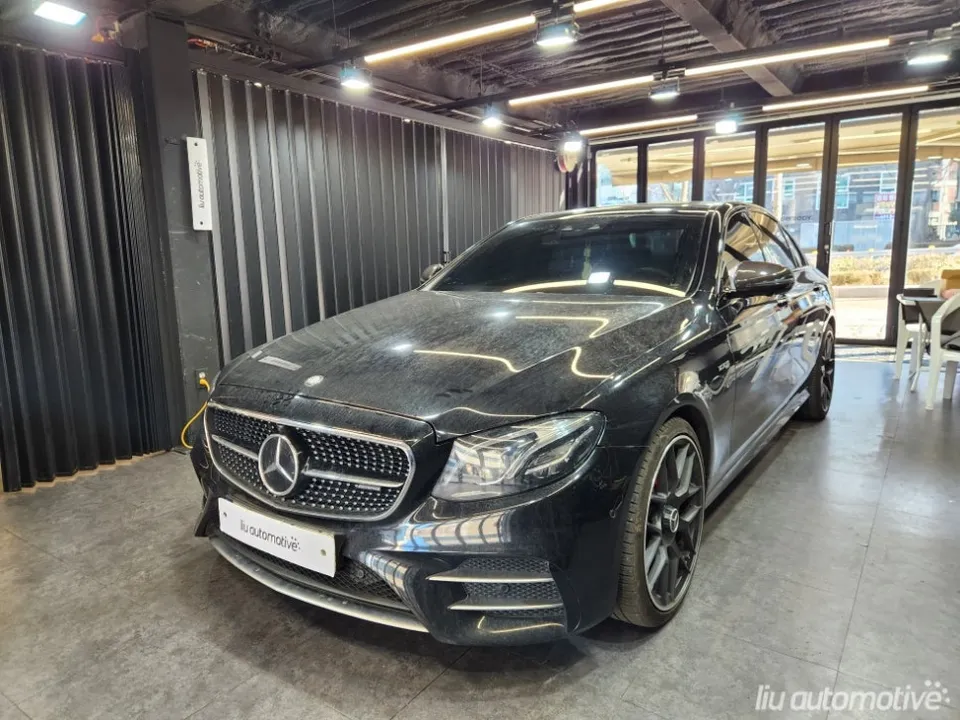
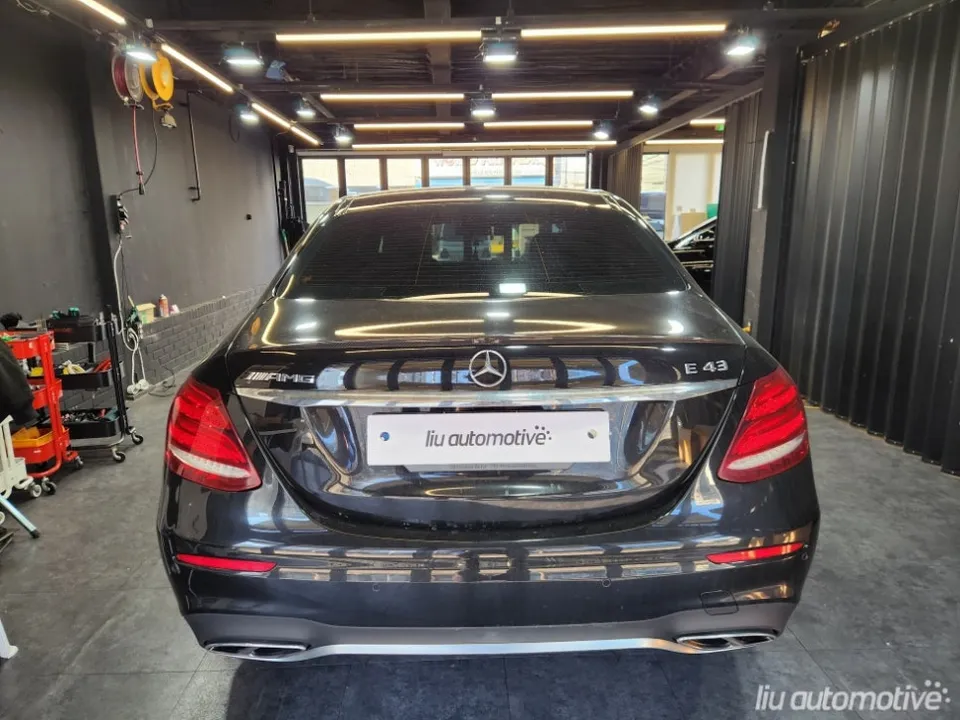
Mercedes-Benz E-Class body kit upgrade: Enhances aesthetics for a sportier, more aggressive look. Installation involves replacing bumpers and side ski
Transform Your Mercedes-Benz E-Class with a Body Kit
The Mercedes-Benz E-Class is already a symbol of luxury and performance, but for enthusiasts seeking to further personalize their vehicle, a body kit offers a dramatic aesthetic upgrade. This review focuses on enhancing the E-Class, specifically looking at how a body kit can redefine its presence on the road. We'll explore the installation process, the visual impact, and the overall value proposition of investing in such an upgrade. The goal is to achieve a more aggressive and bespoke look that sets your E-Class apart.
Body Kit Installation and Results
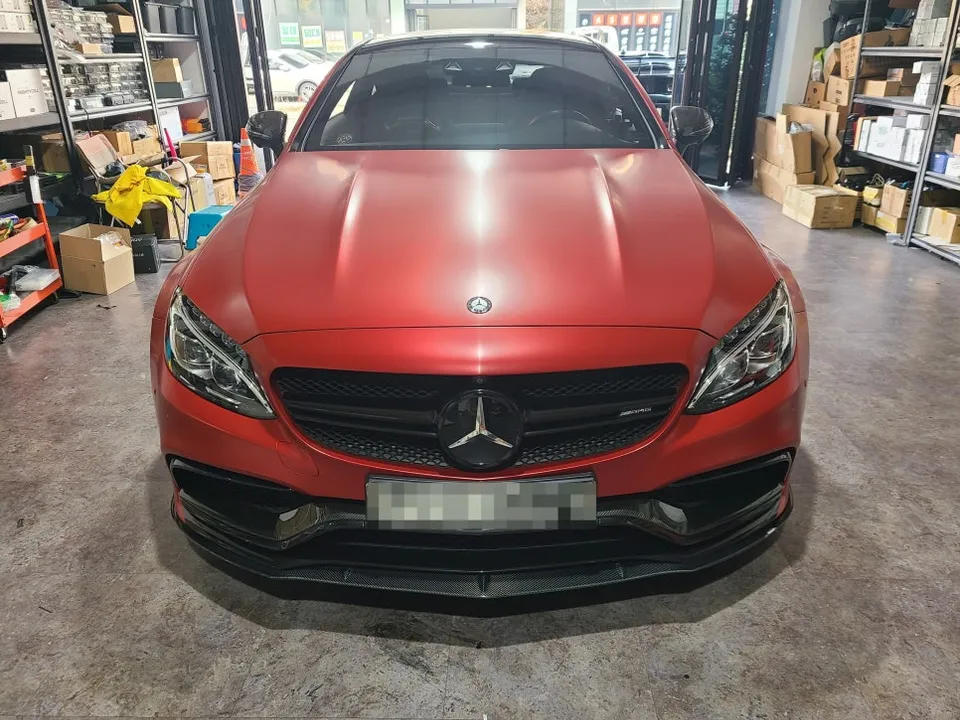
Installing a body kit involves replacing or adding components to the vehicle's exterior, such as the front bumper, rear bumper, side skirts, and sometimes spoilers or diffusers. For the Mercedes-Benz E-Class, the aim is often to mimic the sportier AMG variants or create a unique custom style. The process requires precision to ensure a seamless fit and finish, maintaining the car's inherent elegance while adding a touch of aggression. The result is a vehicle that looks lower, wider, and more dynamic, significantly enhancing its road presence. This transformation can make a standard E-Class appear more akin to its high-performance AMG counterparts, offering a cost-effective way to achieve a similar visual impact.
Installation process:
- Preparation: The original bumpers and side skirts are carefully removed. The new body kit components are test-fitted to ensure proper alignment and fitment.
- Modification & Fitment: Minor adjustments may be needed for a perfect contour match. Mounting points are prepared, and the new parts are securely attached.
- Finishing: Gaps are inspected and adjusted. The body kit is then primed, painted to match the vehicle's original color code, and clear-coated for durability and shine.
- Reassembly: Any removed trim pieces or sensors are reinstalled onto the new body kit components.
The visual upgrade is immediate, giving the E-Class a more athletic stance and a distinct personality. Whether aiming for the aggressive lines of an E53 AMG or a completely custom design, a well-executed body kit installation elevates the vehicle's overall appeal.
Frequently Asked Questions
Q. How much does a body kit cost for a Mercedes-Benz E-Class?
The cost for a body kit for a Mercedes-Benz E-Class can range significantly, with typical US prices starting from around $1,500 and going up to $5,000 or more depending on the brand and material. The specific kit mentioned, inspired by the E53 AMG diffuser and muffler, would fall within this range, with actual costs varying based on the installer and specific parts chosen.
Q. How long does body kit installation take on a Mercedes-Benz E-Class?
Body kit installation on a Mercedes-Benz E-Class typically takes 1-3 days, depending on the complexity of the kit and whether painting is required. Proper maintenance involves regular cleaning and waxing, similar to the original paintwork, to preserve the finish and integrity of the kit.
Q. Is a body kit worth it for a Mercedes-Benz E-Class?
A body kit is worth it for Mercedes-Benz E-Class owners who prioritize a unique, aggressive aesthetic and want to enhance their vehicle's visual presence. It offers a significant style upgrade, making the car stand out and potentially increasing its resale value among enthusiasts looking for a customized look.
Q. How is a body kit installed on a Mercedes-Benz E-Class?
Installation involves removing the factory bumpers and side skirts, test-fitting the new body kit components, making necessary adjustments for a perfect fit, and then securely mounting them. The process concludes with painting the new parts to match the car's color and reattaching any sensors or trim.
Q. What is the difference between FRP and polyurethane body kits for a Mercedes-Benz E-Class?
Fiberglass Reinforced Plastic (FRP) kits are generally more affordable and rigid but can be prone to cracking upon impact. Polyurethane kits are more flexible, durable, and impact-resistant, making them a better choice for daily driving, though they often come at a higher price point.
OhCar Partner Shop