Mercedes-Benz E-Class OEM Options Review — Cost & Results
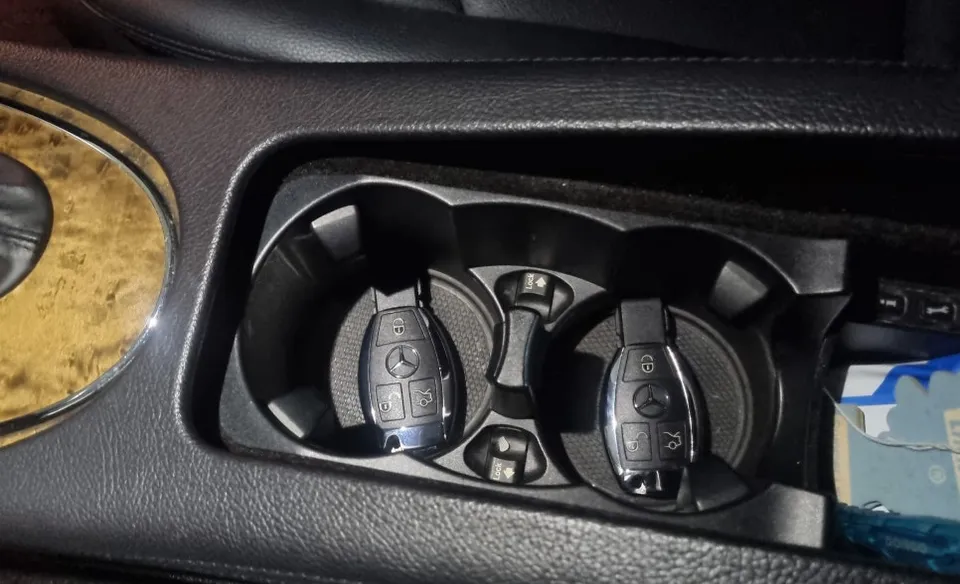
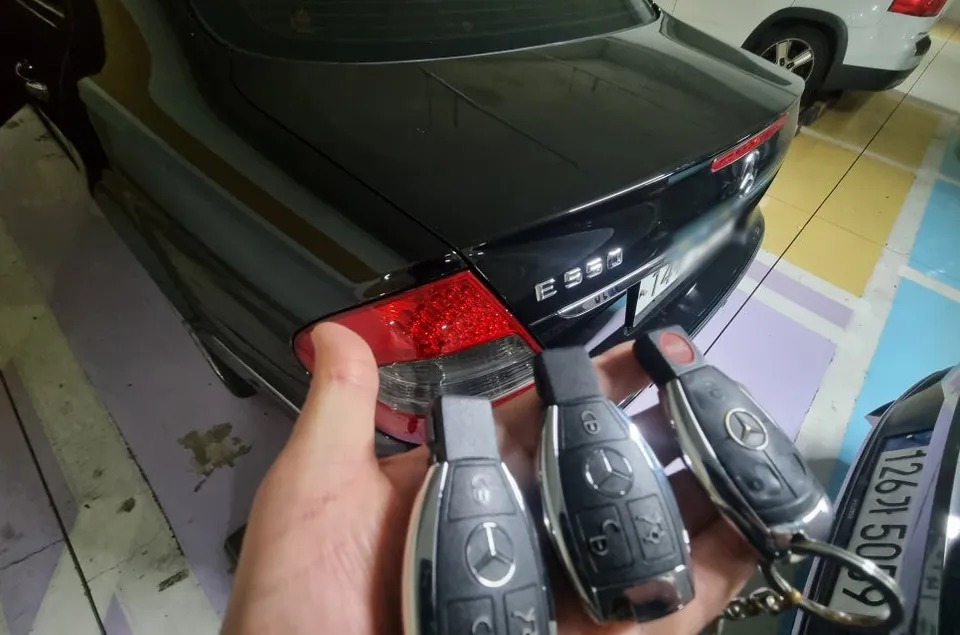
Mercedes-Benz E-Class OEM options retrofit: Costs vary, installation takes hours. Factory upgrades offer durability and seamless integration, often wo
Understanding OEM Options for Your Mercedes-Benz E-Class
For Mercedes-Benz E-Class owners, the allure of enhancing their vehicle with factory-approved upgrades, often referred to as OEM options or factory option retrofits, is strong. While many vehicles come with a comprehensive suite of features, there's often a desire to add specific functionalities or aesthetic touches that weren't originally selected. This can range from advanced driver-assistance systems to premium audio components. The key advantage of OEM options is their seamless integration with your E-Class's existing systems, ensuring perfect compatibility and maintaining the vehicle's original design integrity. Unlike aftermarket solutions, these factory upgrades are designed and tested by Mercedes-Benz, guaranteeing a level of quality and reliability that aligns with the brand's standards. This review will delve into the practical aspects of pursuing these factory upgrades for your E-Class, covering installation, cost, and long-term value.
Installation Process and Durability of Factory Upgrades
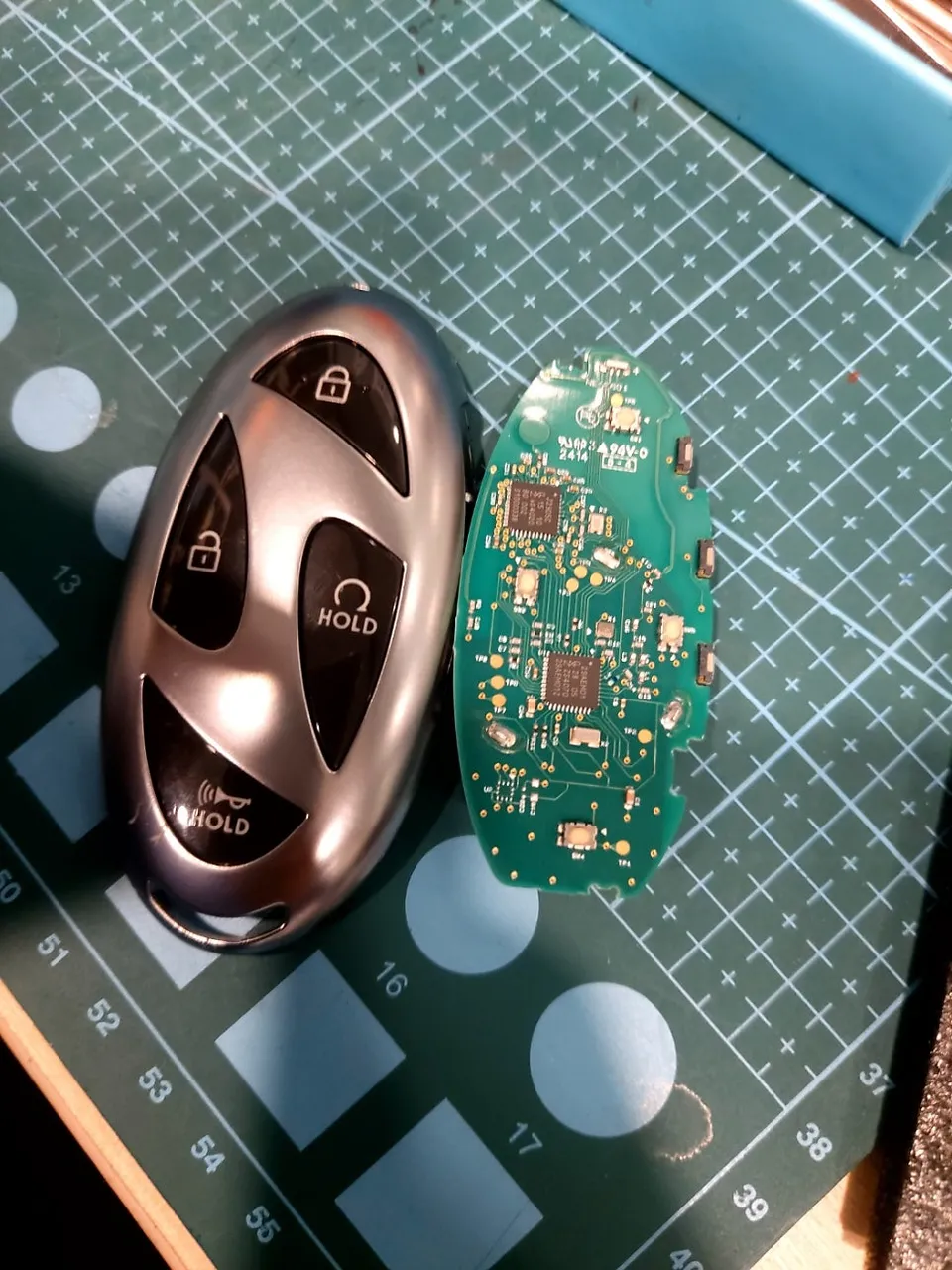
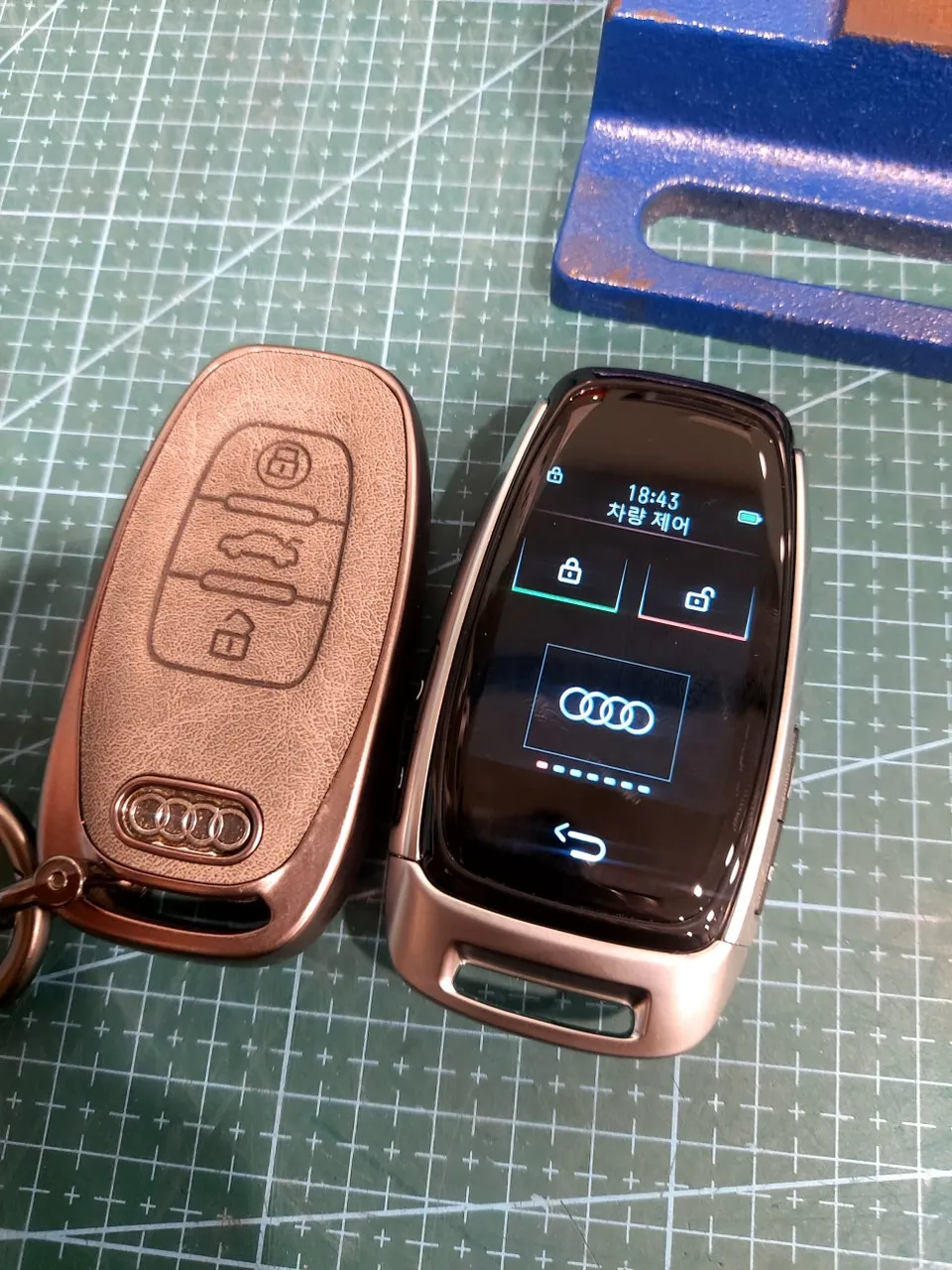
The installation of OEM options on a Mercedes-Benz E-Class is a precise process that requires specialized knowledge and tools. It's not a simple plug-and-play operation; often, it involves integrating new modules into the vehicle's complex electronic architecture. For instance, adding a new key fob or a specific convenience feature might require programming the car's computer system to recognize and operate the new component. This is where the expertise of certified technicians or specialized shops becomes crucial. The process typically involves:
- Diagnostic Scan: Initial check of the vehicle's systems to identify compatible integration points.
- Component Installation: Physically fitting the new OEM part, which may involve removing existing trim or components.
- Software Programming: Connecting diagnostic tools to the vehicle's ECU to program the new option and ensure it communicates correctly with other systems.
- Functionality Test: Thoroughly testing the new feature to confirm it operates as intended and meets Mercedes-Benz standards.
When it comes to durability, OEM options are built to last. They are subjected to the same rigorous testing as the original parts of your E-Class, meaning they are designed to withstand the stresses of daily driving and varying environmental conditions. Maintenance is usually minimal, often limited to the standard care you'd provide for the rest of your vehicle. For example, if you were to add a factory-installed navigation system, its longevity would be comparable to the infotainment system that came standard. The materials used are high-quality, and the integration ensures that there are no weak points introduced, unlike some aftermarket alternatives that might compromise the vehicle's structural or electrical integrity.
Is Investing in OEM Options for Your E-Class Worth It?
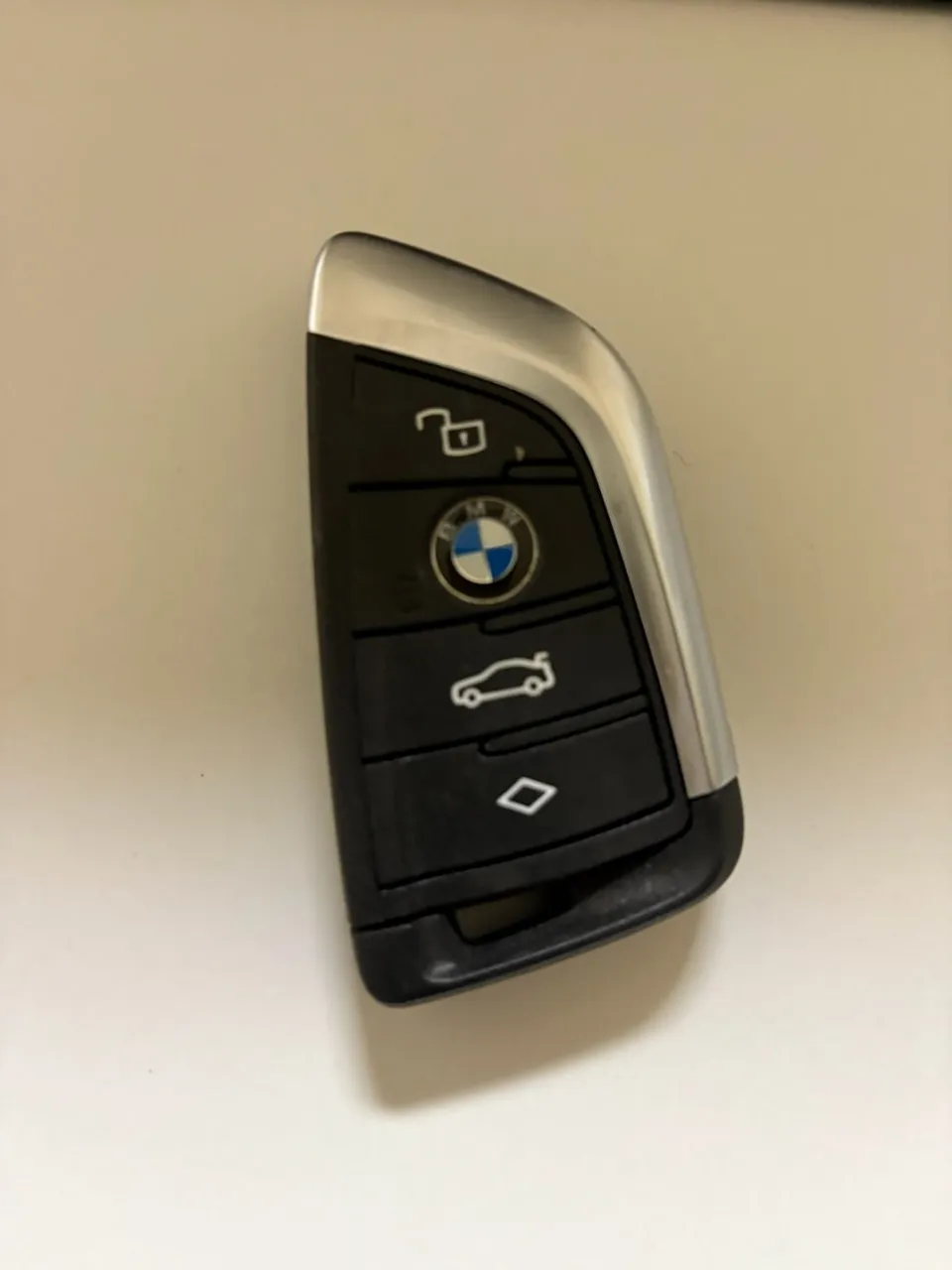
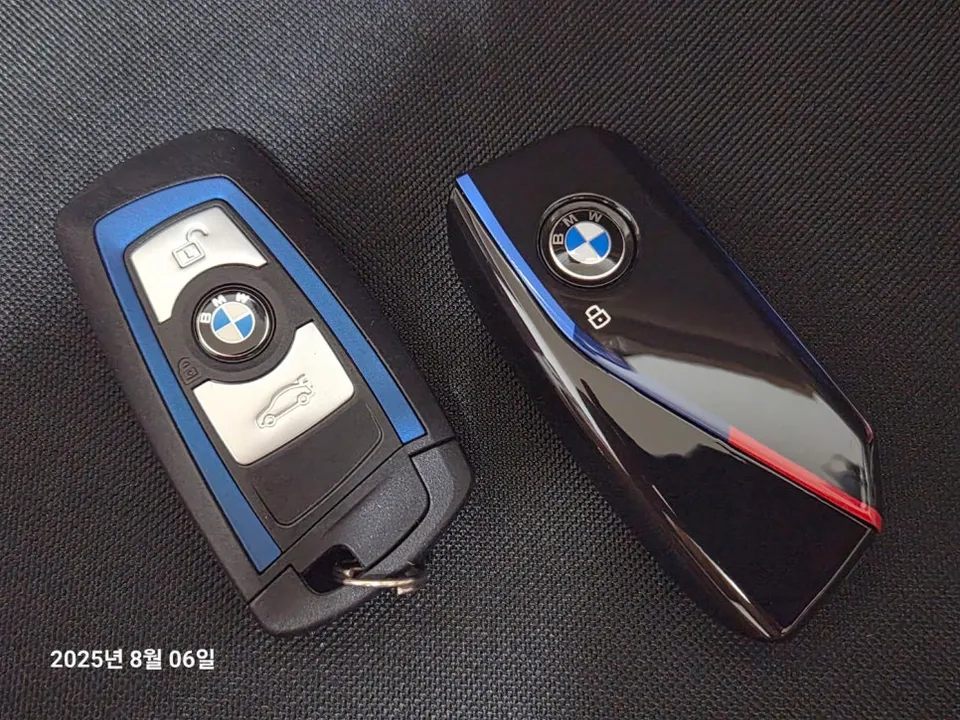
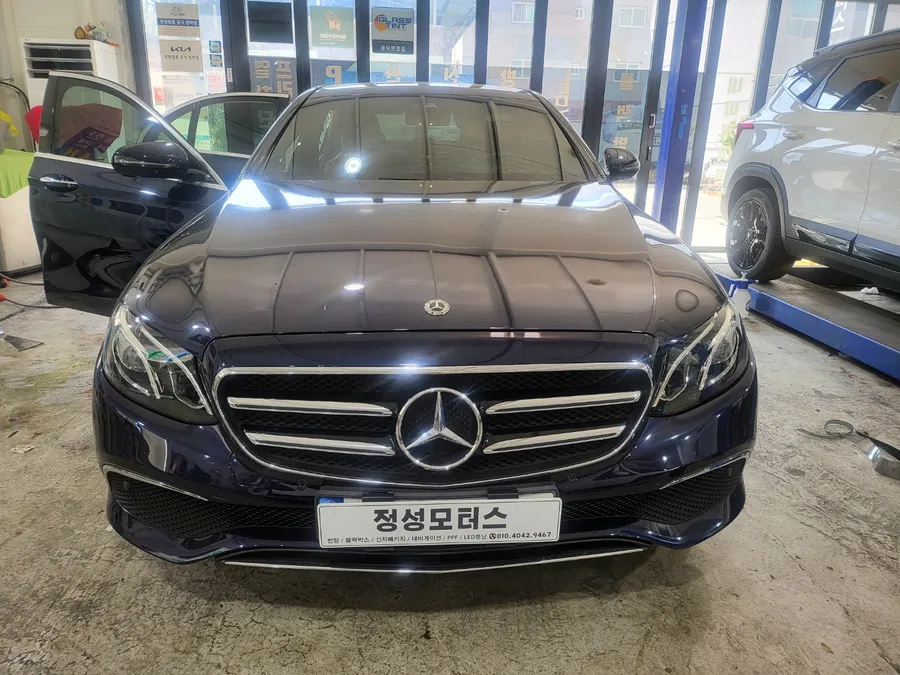
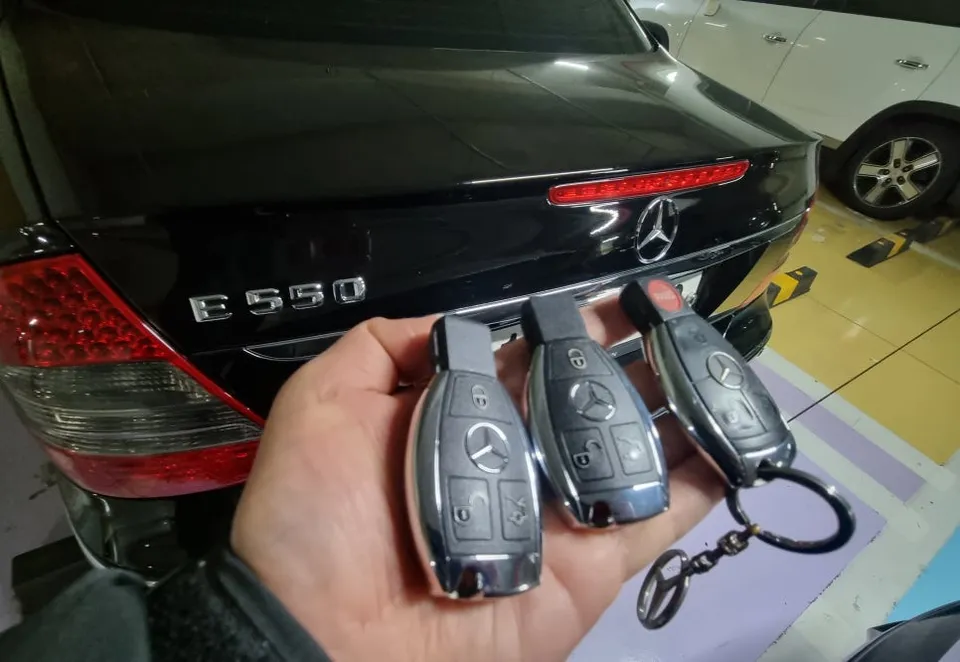
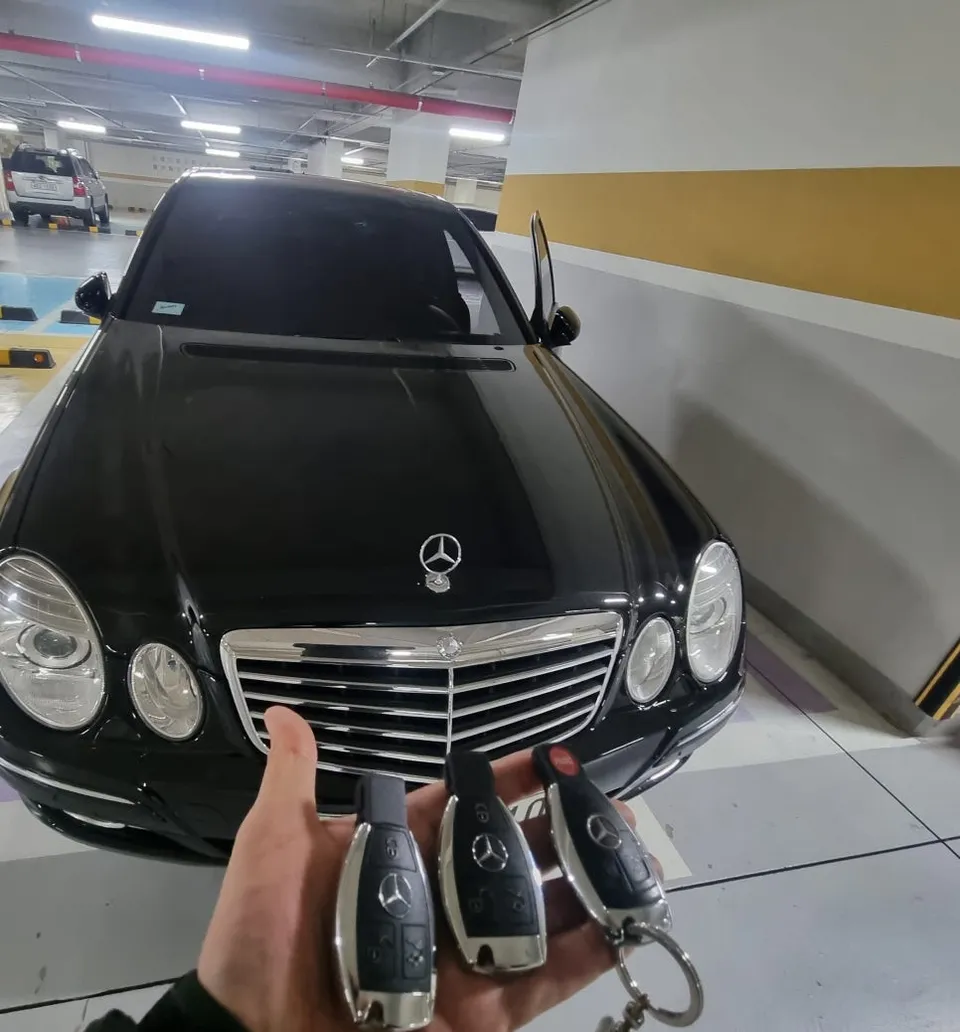
Deciding whether to invest in OEM options for your Mercedes-Benz E-Class hinges on your specific needs and priorities. If you're looking to add a feature that was available but not selected at the time of purchase, an OEM retrofit is often the most reliable path. The primary benefit is the assurance of perfect fit and function, maintaining the vehicle's resale value and warranty integrity. While the initial cost might be higher compared to some aftermarket solutions, the long-term benefits—superior durability, seamless integration, and the absence of potential compatibility issues—often justify the expense. For instance, adding a factory-spec key fob replacement, as discussed in the original Korean context regarding a Mercedes-Benz E350, can be completed efficiently by specialized services, often within a few hours. This avoids the significant inconvenience and potentially higher costs associated with losing all keys and dealing with official dealerships, which can sometimes take longer and involve more complex procedures. The cost for such a service in Korea can range from the low hundreds of thousands of KRW (approximately $200-$300 USD), depending on the specific key and vehicle model, offering a practical solution for key management.
Frequently Asked Questions
Q. How much does OEM option and factory upgrade installation cost for a Mercedes-Benz E-Class?
The cost for OEM options and factory upgrades on a Mercedes-Benz E-Class can vary significantly, but key replacement services in Korea start in the low hundreds of thousands of KRW (approx. $200-$300 USD).
Q. How long does OEM options installation take on a Mercedes-Benz E-Class?
Installation of OEM options, such as key fob programming, can often be completed within a few hours, ensuring minimal disruption. Regular maintenance involves standard vehicle care.
Q. Are OEM options worth adding after purchase for a Mercedes-Benz E-Class?
Yes, OEM options are often worth adding for their guaranteed compatibility, durability, and ability to maintain vehicle resale value. They provide a seamless integration that aftermarket parts may not offer.
Q. How are OEM factory options installed on a Mercedes-Benz E-Class?
Installation involves a diagnostic scan, physical component fitting, software programming via diagnostic tools, and a final functionality test to ensure seamless integration.
Q. What is the difference between dealer-installed options and aftermarket upgrades for a Mercedes-Benz E-Class?
OEM options are factory-designed and integrated for perfect compatibility and reliability, whereas aftermarket upgrades are made by third-party companies and may not integrate as seamlessly or offer the same long-term durability.
OhCar Partner Shop