Mercedes-Benz E-Class W212 Ceramic Coating Review: Restored Shine
Service Price
$40–80
Estimated price · Actual price may vary by shop
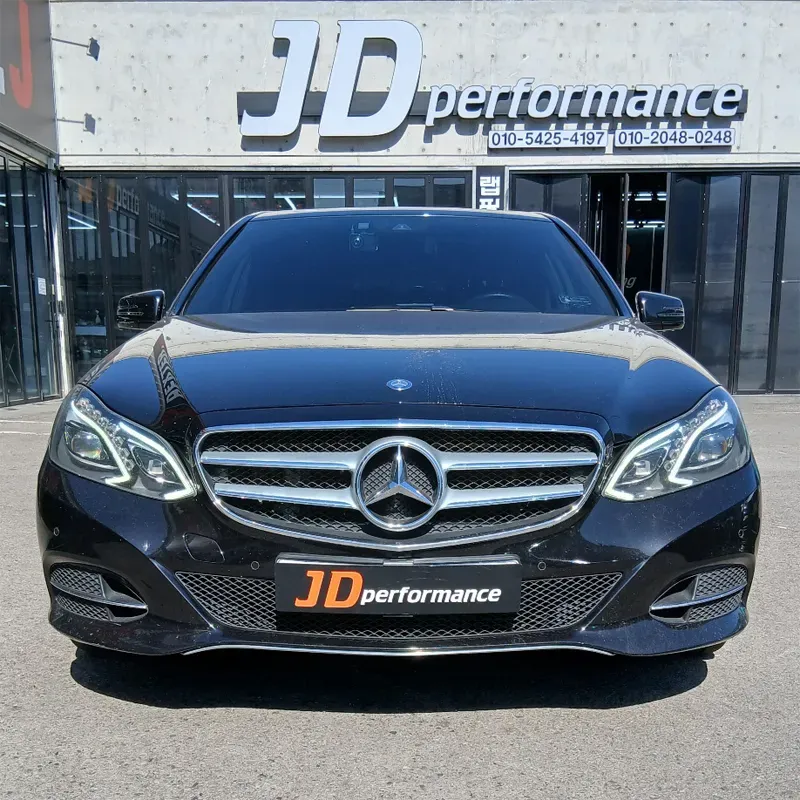
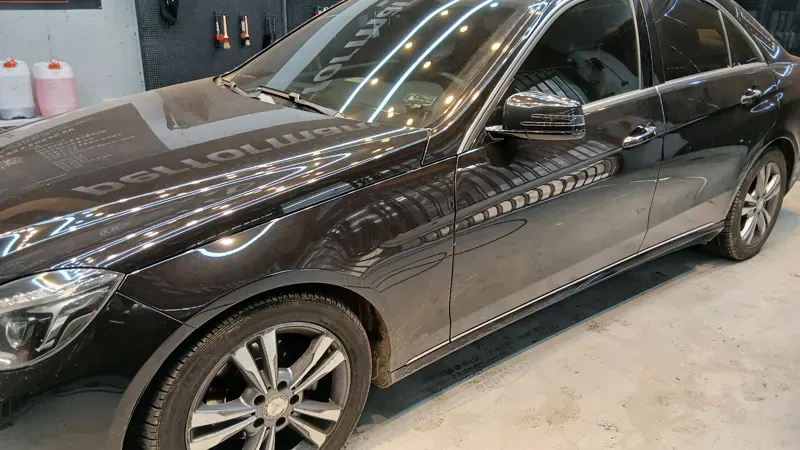
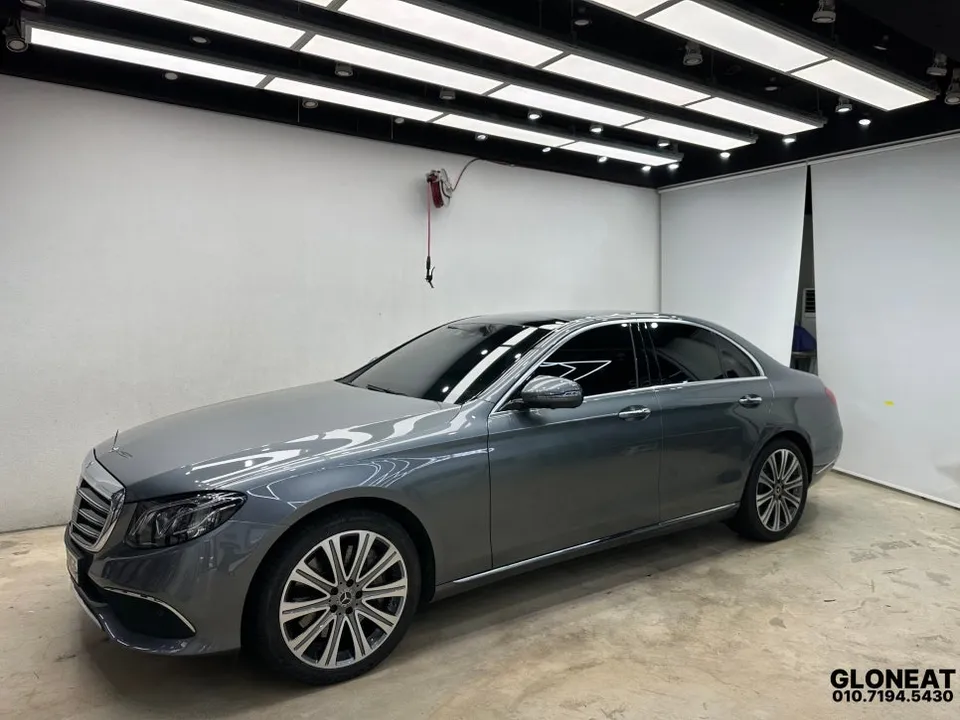
Ceramic coating on Mercedes-Benz E-Class W212: Restored shine and protection after paint correction. Professional application.
Reviving a Classic: Ceramic Coating for the Mercedes-Benz E-Class W212
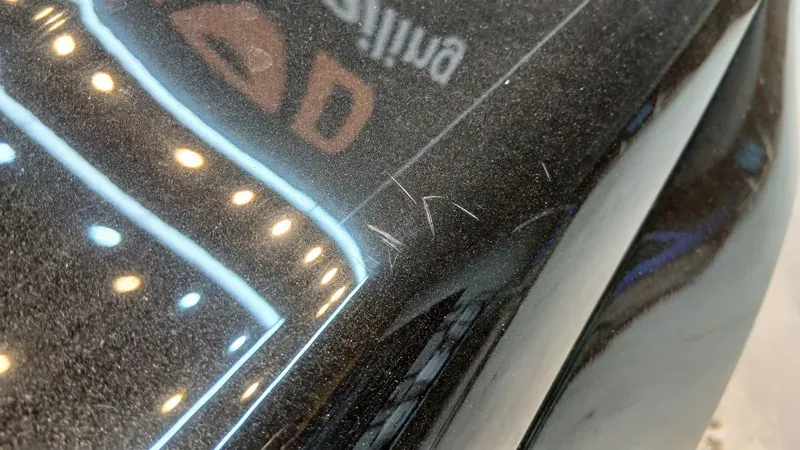
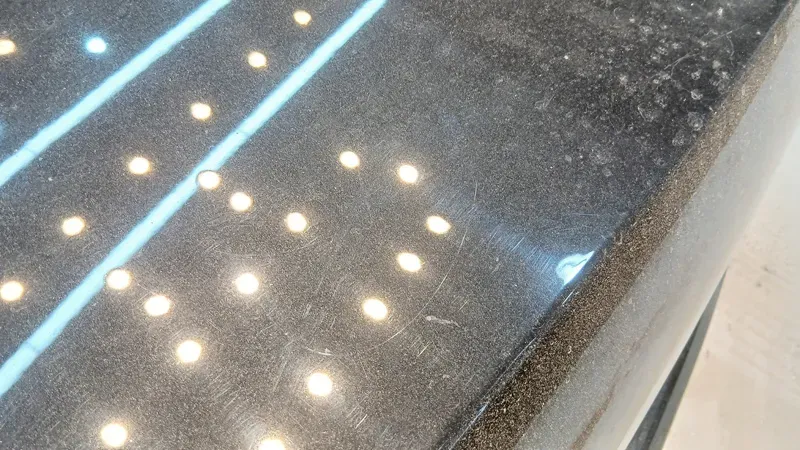
Even iconic vehicles like the Mercedes-Benz E-Class W212 show signs of age. This 10-year-old E-Class arrived with a dull, swirled finish, marred by countless micro-scratches and deeper imperfections. For black vehicles, these swirls are particularly noticeable, significantly dulling the paint's natural gloss. This review details the comprehensive paint correction and ceramic coating process undertaken in South Korea to bring this W212 back to a showroom-worthy condition. The goal was not just a temporary shine, but long-lasting paint protection and a rejuvenated aesthetic.
The Crucial Preparation and Correction Process
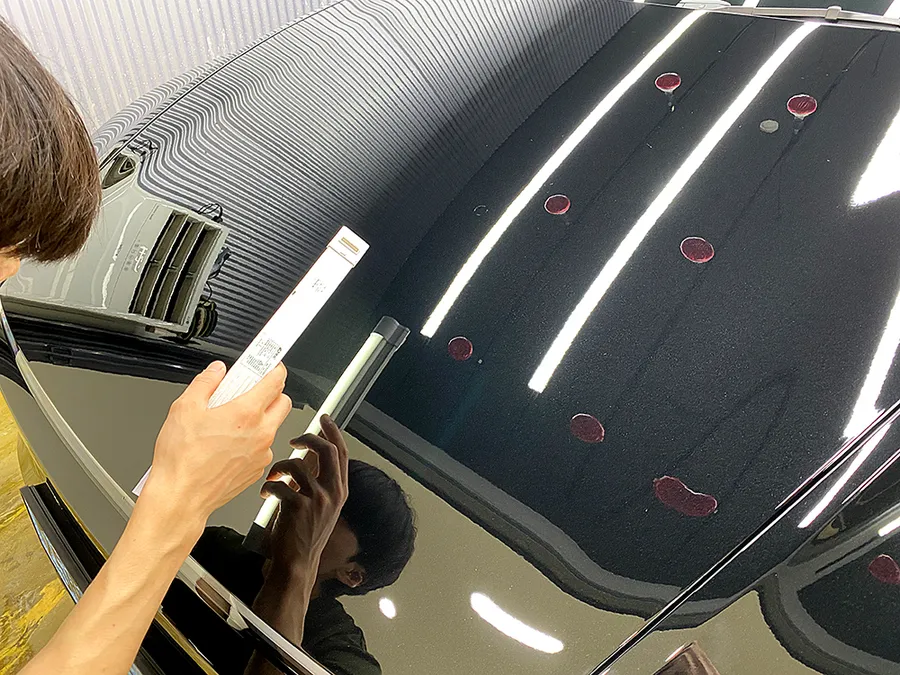
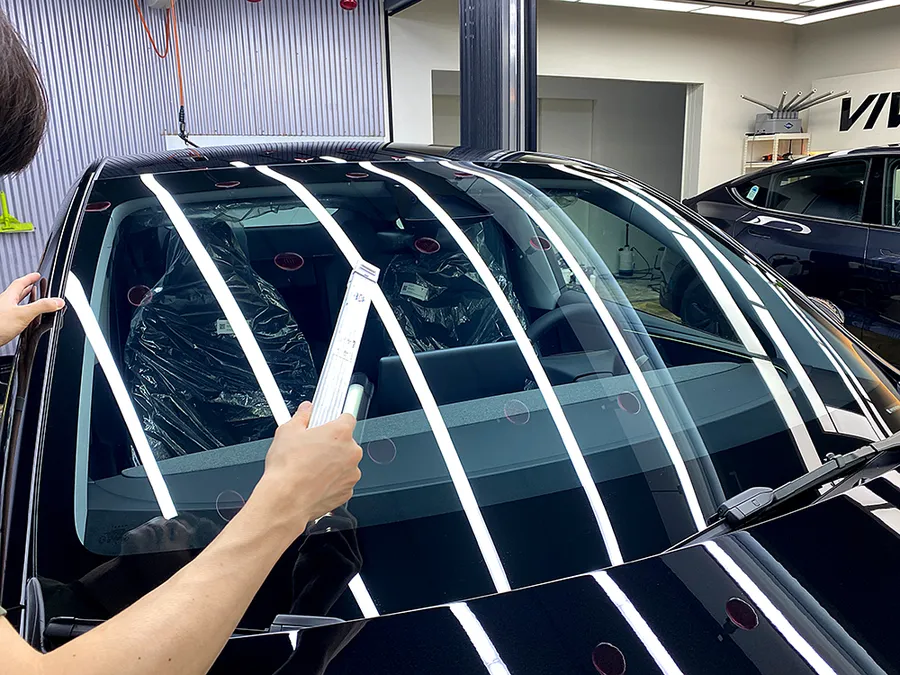
Before any ceramic coating can be applied, meticulous preparation is key. The process began with removing the front license plate and thoroughly decontaminating the paintwork. Iron removers were used to lift embedded ferrous particles, indicated by a purple reaction on the black paint, revealing a surprising amount of buildup. Beyond iron, other contaminants like tar and industrial fallout were carefully removed. This step is akin to preparing a clean canvas, ensuring the paint surface is perfectly smooth and free of any bonded contaminants that could compromise the coating's adhesion or finish. Following decontamination, a detailed masking process protected sensitive areas like trim, seals, and panel gaps from the polishing compounds.
The core of the restoration involved extensive polishing. Using various machine polishers, including a 3-inch polisher for intricate areas, technicians worked to meticulously remove all visible defects. Swirl marks, deep scratches, and even scuff marks were carefully abraded and leveled. Areas prone to scratching, such as the gloss black B-pillars, were expertly restored. The transformation was dramatic, with dull paintwork regaining its depth and reflectivity. Even challenging areas like the trunk lid and lower rear bumper, heavily affected by scratches, were meticulously corrected. The process also addressed minor imperfections on the side mirrors and ensured a seamless finish, demonstrating the skill involved in professional paint correction.
The front bumper, however, presented unique challenges. Evidence of previous poor resprays, stone chips, and an uneven finish meant that sanding and polishing alone wouldn't achieve a perfect result. The owner was advised that a full repaint of the front bumper would be necessary for a truly flawless finish, highlighting the limitations of correction on compromised paintwork.
The Ceramic Coating Application and Final Results
After the extensive paint correction, the vehicle was thoroughly degreased to ensure optimal bonding for the nano ceramic coating. The application itself is a precise process, carefully spreading the liquid coating evenly across the paint surface. This layer forms a hard, protective shell that bonds chemically with the factory paint. The entire process, from initial decontamination to the final curing of the ceramic coating, spanned approximately two days. This extended timeframe allowed for thoroughness and attention to detail, prioritizing quality over speed. The result was a stunning transformation: the Mercedes-Benz E-Class W212’s paintwork regained its deep, lustrous finish, with the signature Mercedes-Benz pearl effect significantly enhanced. Even the taillights and headlights were polished and coated, contributing to the vehicle's cohesive, like-new appearance. The owner was reportedly very pleased with the renewed sense of luxury and the deep gloss achieved.
Installation process:
- Thorough vehicle wash and decontamination to remove all surface contaminants.
- Multi-stage paint correction to remove swirls, scratches, and imperfections.
- Application of the nano ceramic coating using specialized applicators.
- Allowing the coating to cure, forming a durable protective layer.
While the specific cost for this service in South Korea was not detailed beyond the context of general automotive detailing, professional ceramic coating services in the US for a vehicle of this class typically range from $400 to $1500 or more, depending on the coating's quality and the extent of paint correction required. This particular service focused on paint correction and polishing, with the ceramic coating adding a layer of durable protection. The estimated US price range for a basic paint sealant or a lower-tier ceramic coating might be around $40-$80 for DIY kits, but professional application is significantly more.
Frequently Asked Questions
Q. How much does ceramic coating cost for a Mercedes-Benz E-Class W212?
Professional ceramic coating for a Mercedes-Benz E-Class W212, including paint correction, can range from $400 to $1500+ in the US. DIY kits are available for $40-$80 but offer less durability.
Q. How long does ceramic coating last on a Mercedes-Benz E-Class W212?
A professionally applied ceramic coating can last several years, often 3-5 years or more, with proper maintenance. Regular washing with pH-neutral soaps and avoiding abrasive cleaners will help maximize its lifespan.
Q. Is ceramic coating better than wax for a Mercedes-Benz E-Class W212?
Ceramic coating offers significantly longer-lasting protection and superior hydrophobic properties compared to traditional wax. It's ideal for owners seeking durable, low-maintenance paint protection for their luxury vehicle.
Q. How is ceramic coating applied to a Mercedes-Benz E-Class W212?
Application involves meticulous paint preparation, including washing and paint correction to remove defects. The liquid ceramic coating is then carefully applied to the paint surface, bonding chemically to create a hard, protective layer that cures over time.
Q. What is the difference between ceramic coating and PPF for a Mercedes-Benz E-Class W212?
Ceramic coating provides chemical resistance and hydrophobic properties for gloss and ease of cleaning, while Paint Protection Film (PPF) is a thicker, clear urethane film offering superior physical protection against rock chips and scratches. PPF is generally recommended for high-impact areas.
OhCar Partner Shop
More ceramic coating Reviews
See all →

More Mercedes-Benz Reviews
Pair with Another Service
Add physical chip protection before coating