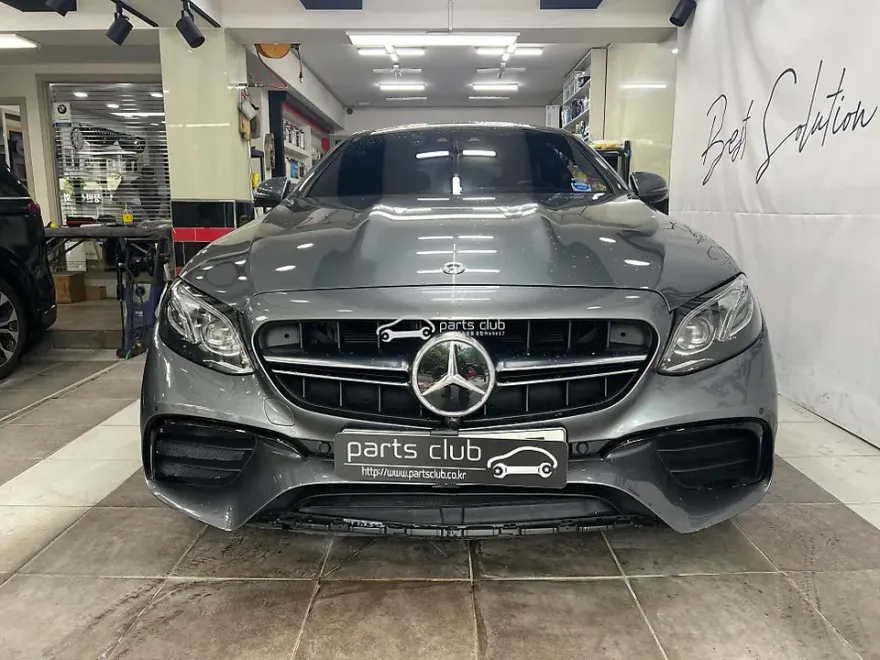
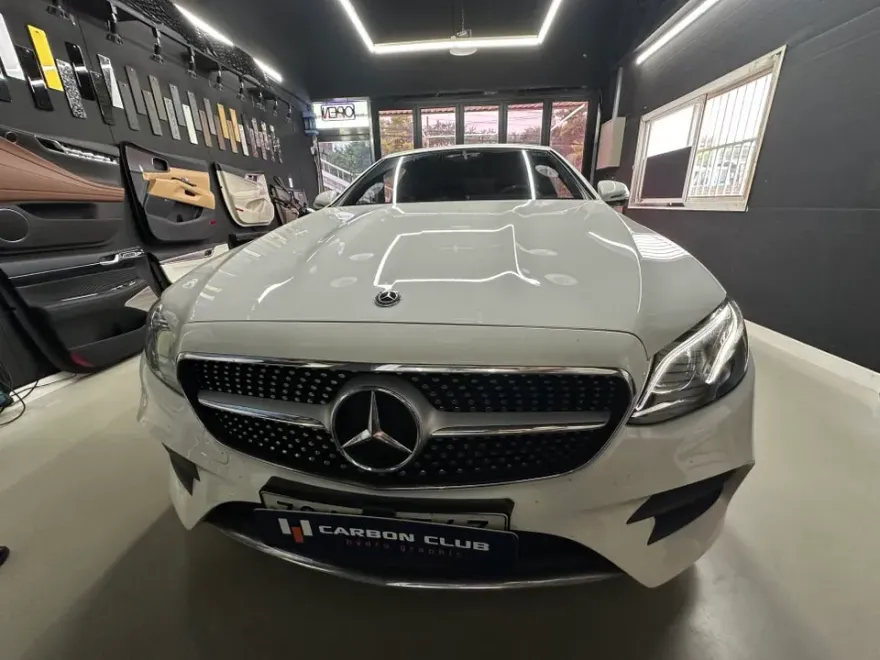
Mercedes-Benz E-Class W213 Body Repair Installation Review — Cost
Service Price
$approx. $400–800
Estimated price · Actual price may vary by shop
Before
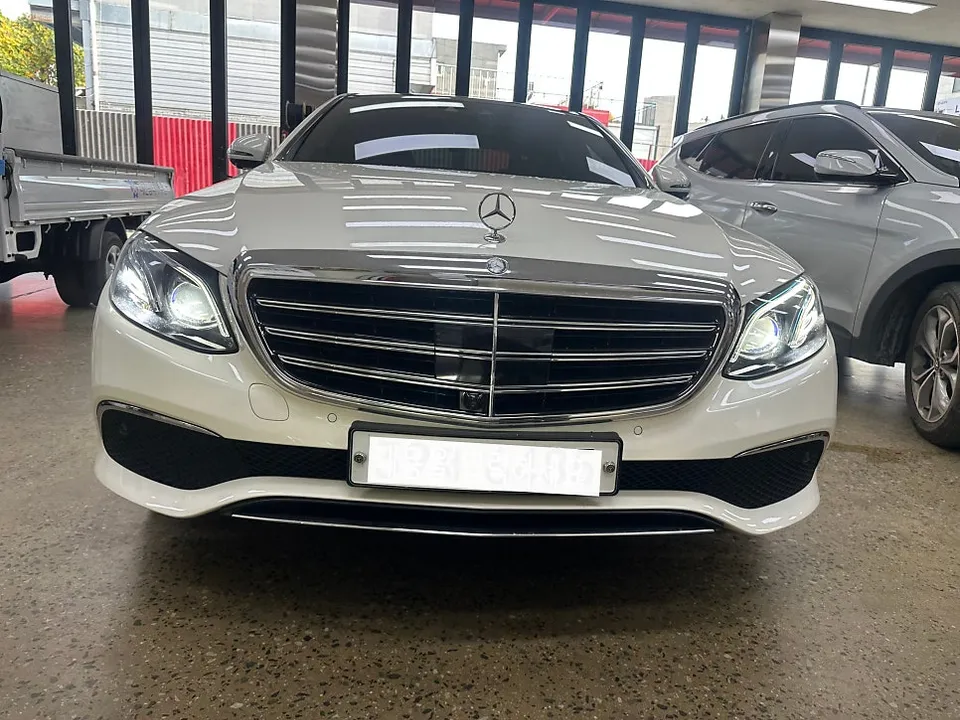
After
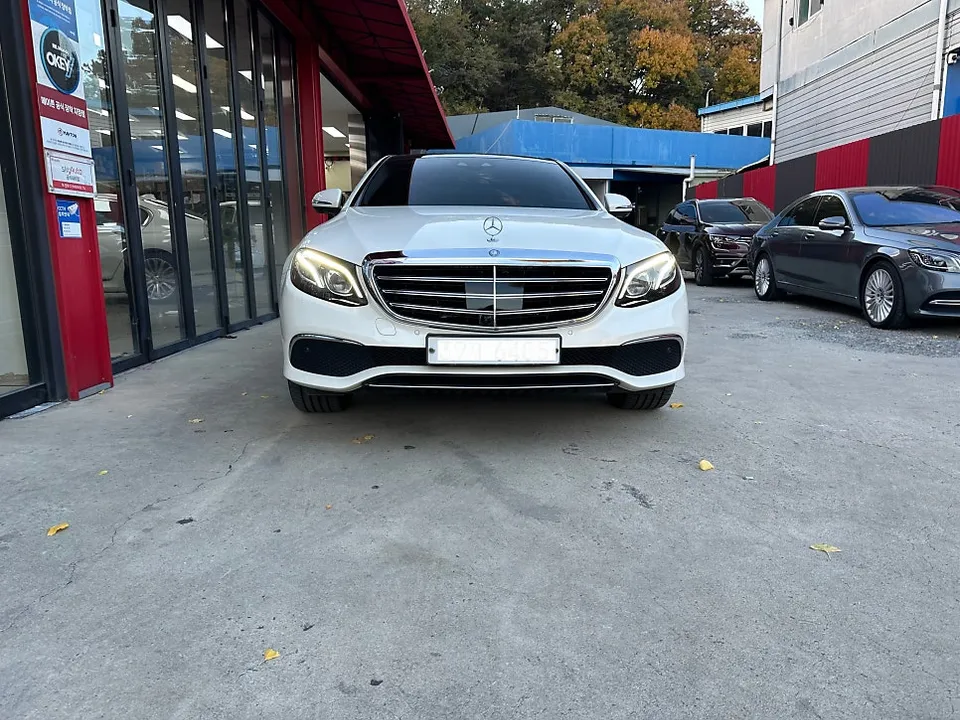
Process photos
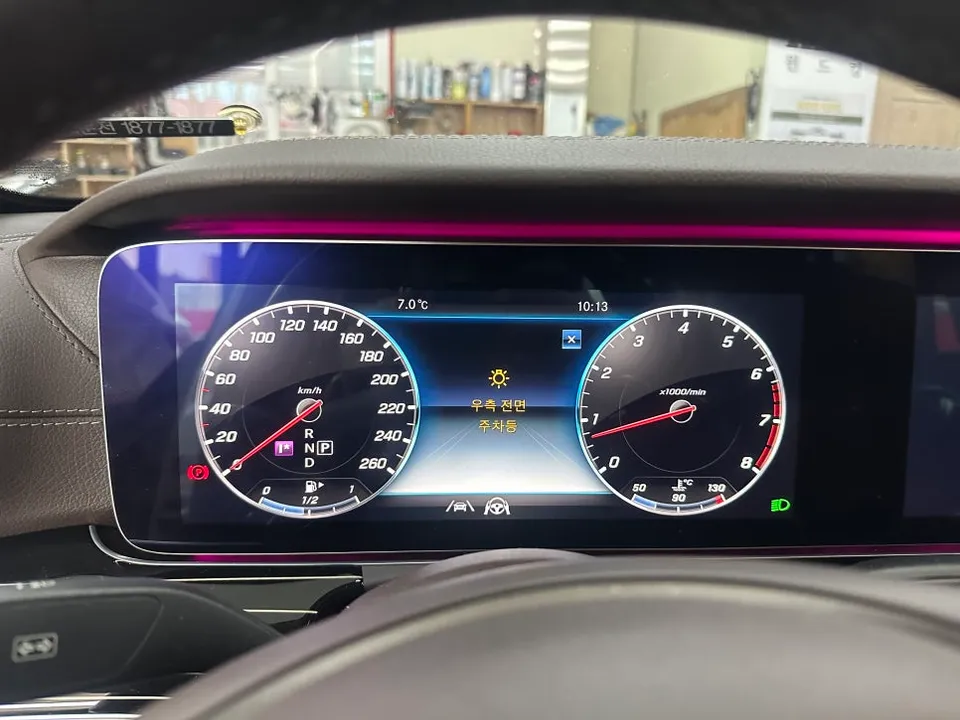
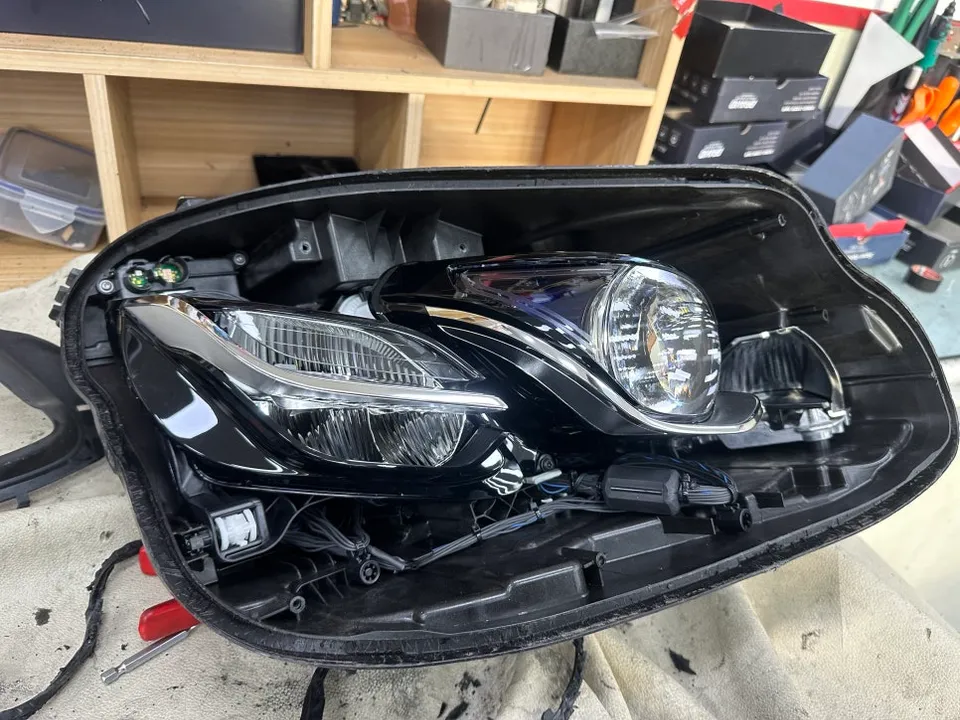
Mercedes E-Class W213 body repair & painting: Professional service ensures durability and aesthetic restoration.
Mercedes-Benz E-Class W213 Body Repair & Painting: A Comprehensive Review
When your Mercedes-Benz E-Class W213 experiences body damage or paint imperfections, finding a reliable repair and painting service is crucial. This review delves into the specifics of such services, focusing on the installation process, expected results, durability, and overall value for owners of this luxury sedan. We'll cover common issues like bumper repair, scratch repair, and panel repair, providing insights to help you make an informed decision.
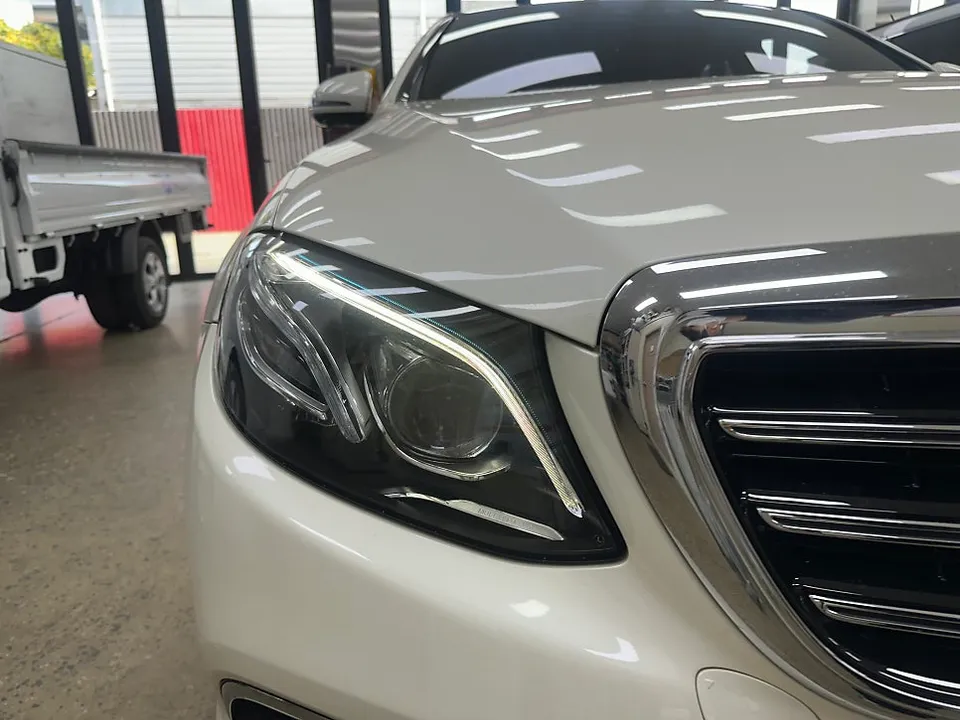
Understanding Body Repair & Painting for Your E-Class W213
The Mercedes-Benz E-Class W213, known for its sophisticated design, requires meticulous care when it comes to bodywork. Minor incidents, such as parking lot scuffs or light impacts, can lead to the need for auto body repair. This can range from simple scratch repair on a door panel to more complex bumper repair if the plastic is cracked or deformed. Paint repair is often a necessary component, ensuring a seamless finish that matches the original factory look. The process typically involves assessing the damage, preparing the surface, applying filler or straightening panels, priming, painting, and clear coating. For the W213, specialized knowledge of its body lines and paint codes is essential for a factory-quality finish.
Installation Process: Restoring Your E-Class W213
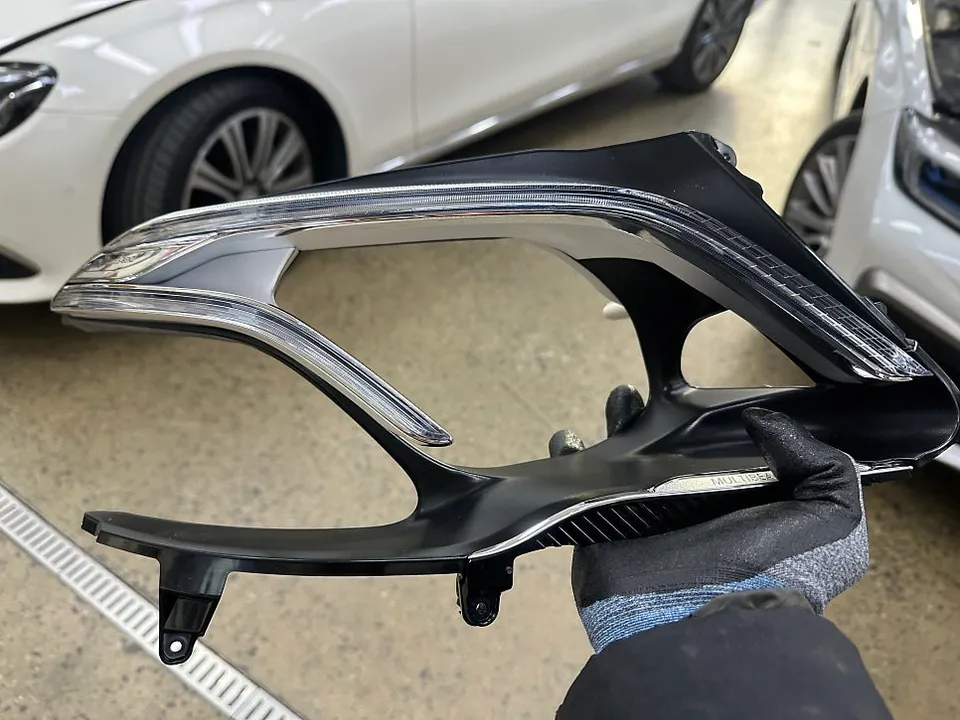
The installation process for body repair and painting on a Mercedes-Benz E-Class W213 is a multi-step procedure that demands precision and expertise. While the original context details a specific repair for a daytime running light (DRL) issue on a W213 E220d, the principles of careful disassembly, component repair/replacement, and reassembly are applicable to broader body repair scenarios.
- Damage Assessment and Disassembly: The process begins with a thorough inspection of the damaged area. For complex repairs, like those involving headlights (as in the source context), careful disassembly is required. This might involve removing the bumper, grille, or even the entire headlight assembly to access the damaged panel or component.
- Repair and Preparation: Minor dents and scratches are addressed using techniques like paintless dent repair (PDR) or by filling and sanding. For more significant damage, such as cracked bumpers or deformed panels, sections may need to be replaced or expertly repaired using specialized materials. The surface is then meticulously prepared for painting, ensuring it is clean, smooth, and free of contaminants.
- Painting and Finishing: Using OEM-spec or high-quality aftermarket paint, the repaired area is color-matched to the vehicle's original paint code. Multiple layers of base coat and clear coat are applied to ensure durability and a high-gloss finish that matches the rest of the car. This stage requires a controlled environment, like a paint booth, to prevent dust and ensure an even application.
- Reassembly and Quality Check: Once the paint has cured, all removed components are carefully reassembled. A final quality check is performed to ensure all body lines are flush, the paint finish is flawless, and all functions (like lights, if applicable) are working correctly. The source context emphasizes meticulous sealing (bonding) to prevent moisture ingress, a critical step for long-term durability.
Durability, Maintenance, and Value
The durability of body repair and painting on a Mercedes-Benz E-Class W213 largely depends on the quality of the materials used and the skill of the technicians. High-quality paint and proper application techniques, including thorough sealing against moisture, can ensure the repair lasts for many years. Regular washing and waxing, avoiding harsh chemicals, and addressing any new minor damage promptly will help maintain the finish. While the initial cost of professional auto body repair can be significant, especially for a luxury vehicle like the E-Class, the value lies in restoring the car's aesthetic appeal, protecting it from further corrosion, and maintaining its resale value. In Korea, where the source context originates, such specialized repairs can be more cost-effective than replacing entire components, especially for integrated units like headlights.
Frequently Asked Questions
Q. How much does auto body repair cost for a Mercedes-Benz E-Class W213?
The cost for body repair and painting on a Mercedes-Benz E-Class W213 can vary significantly based on the damage, but specialized headlight repairs in Korea can range from approximately ₩300,000 to ₩700,000 (around $220-$500 USD). Typical US body shop rates for similar repairs could be higher.
Q. How long does auto body repair take for a Mercedes-Benz E-Class W213?
The repair and painting process for a Mercedes-Benz E-Class W213 can take anywhere from 2-3 hours for specific component repairs like the DRLs mentioned in the source, to several days for more extensive panel repair and painting. Proper sealing and paint curing are critical for long-term durability, so rushing the process is not advised.
Q. Is auto body repair worth it for a Mercedes-Benz E-Class W213?
Auto body repair is often worth it for a Mercedes-Benz E-Class W213 as it restores the vehicle's aesthetic appeal and protects against further damage, thereby maintaining its resale value. Opting for repair over full component replacement, especially for integrated parts like headlights, can be a more economical choice.
Q. How is auto body repair done on a Mercedes-Benz E-Class W213?
Auto body repair on a Mercedes-Benz E-Class W213 involves assessing damage, carefully disassembling affected areas if necessary, repairing or replacing damaged parts, preparing the surface, precisely color-matching and applying paint, and meticulously reassembling components. Crucially, thorough sealing is performed to prevent moisture ingress and ensure longevity.
Q. What is the difference between PDR and conventional body repair for a Mercedes-Benz E-Class W213?
Paintless Dent Repair (PDR) is used for minor dents without damaging the paint, preserving the original finish, whereas conventional body repair involves filling, sanding, and repainting for larger dents or scratches. For maintaining the factory finish on a luxury vehicle like the E-Class W213, PDR is preferred when applicable.
OhCar Partner Shop