Mercedes-Benz EQA Ventilated & Heated Seats Review — Enhanced Com
Service Price
$150+
Estimated price · Actual price may vary by shop
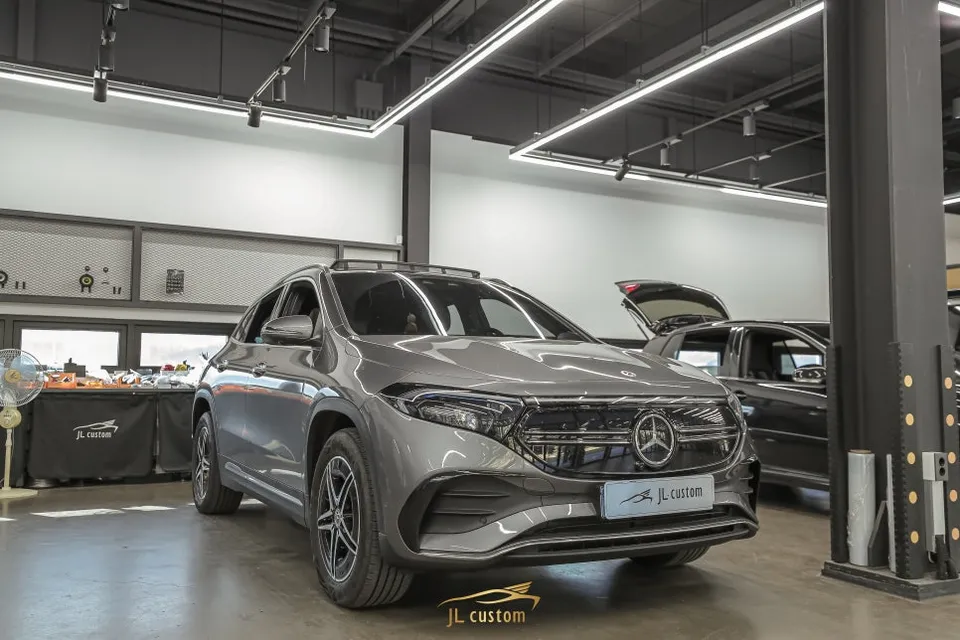
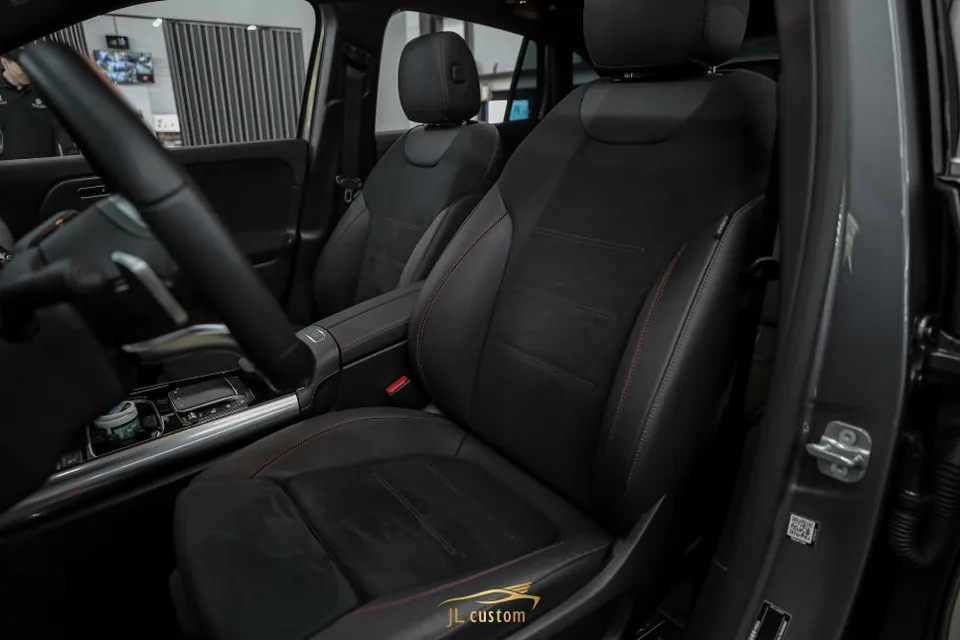
Mercedes-Benz EQA ventilated & heated seats upgrade: Seamless integration, enhanced comfort year-round. Experience perfect temperature control.
Mercedes-Benz EQA: Why Ventilated and Heated Seats Are Essential
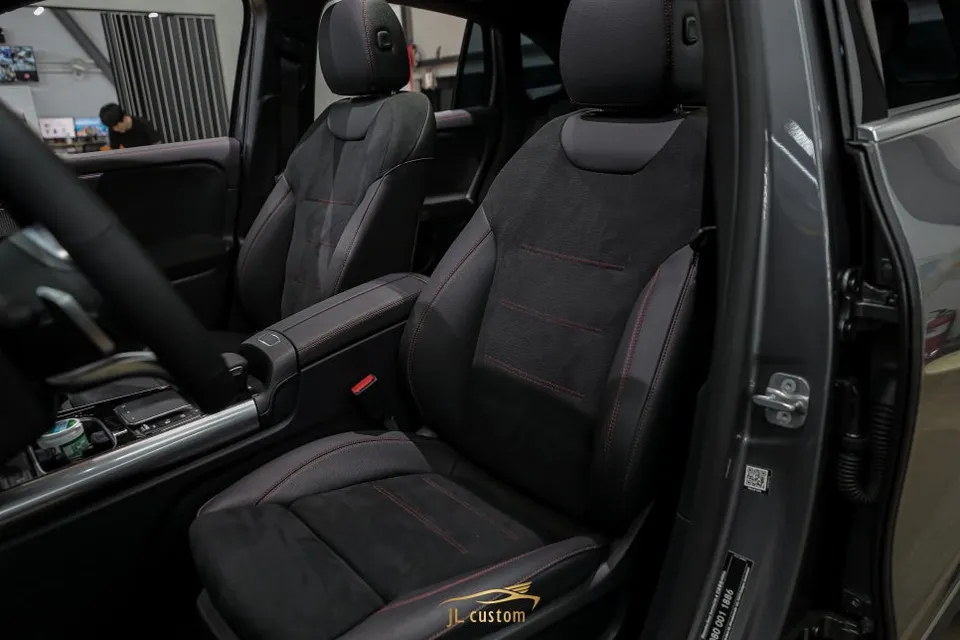
The Mercedes-Benz EQA, a premium compact electric vehicle, benefits greatly from enhanced interior comfort, especially with features like ventilated and heated seats. We recently saw a customer install a comprehensive package including genuine-style ventilated seats, steering wheel heating, and rear heated seats. This type of upgrade is highly sought after by EQA owners looking to prepare for both the sweltering heat of summer and the biting cold of winter.
While the EQA boasts an efficient interior design, its compact nature means it can heat up quickly under direct sunlight in the summer. Conversely, winter driving can leave extremities feeling cold, even with the cabin's heating system running. For electric vehicles like the EQA, heated seats are particularly well-suited as they provide efficient warmth without impacting range significantly.
Seamless Integration: Genuine-Style Ventilated Seats
Ventilated seats are a crucial component for summer comfort. The installation of genuine-style ventilated seats ensures a factory-perfect look and feel, integrating flawlessly with the EQA's interior design. This approach guarantees perfect aesthetic harmony and ensures electrical connections meet Mercedes-Benz specifications.
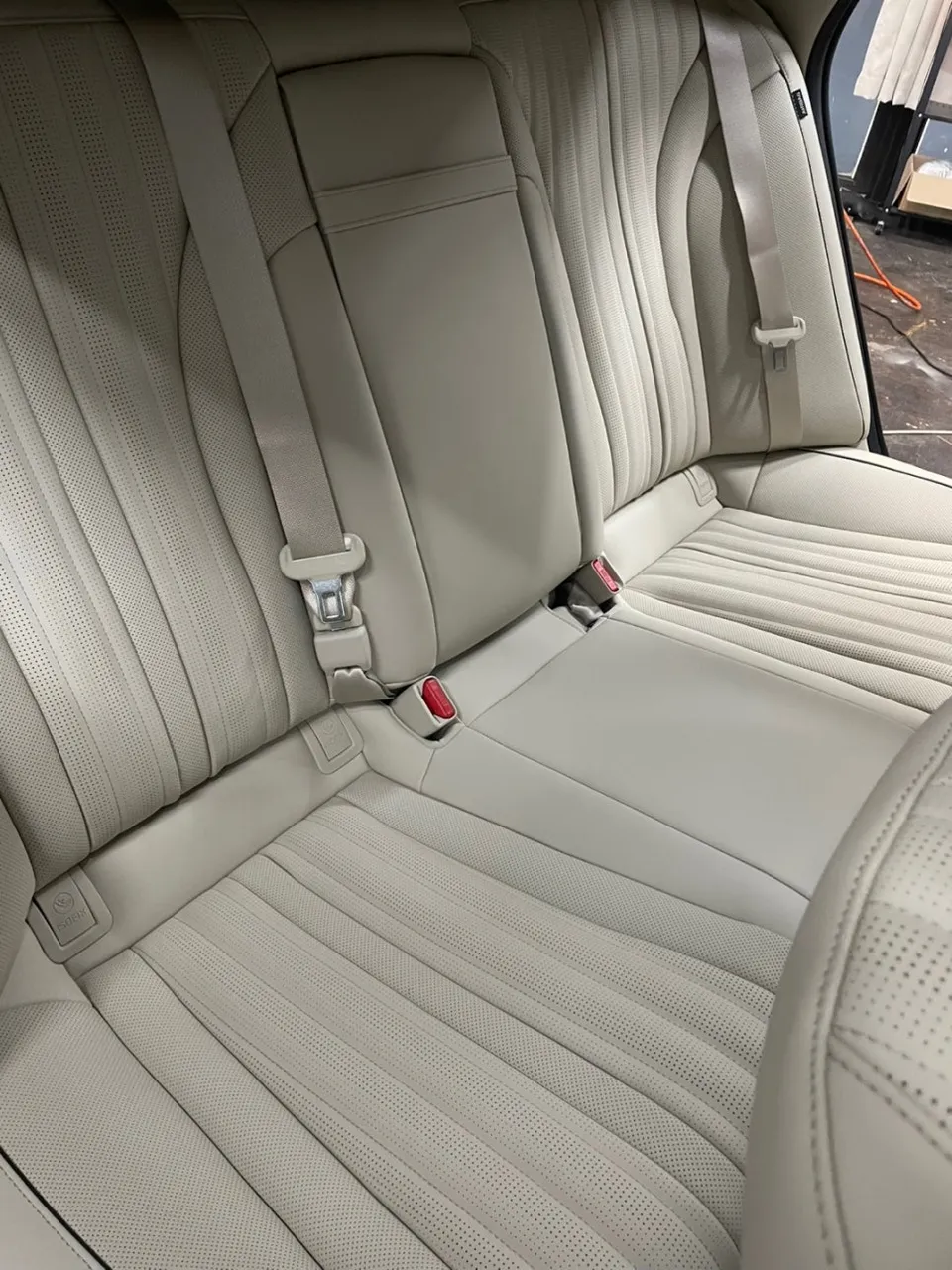
The installation process is meticulous. It involves carefully removing the original seats, installing specialized air ducting beneath the leather upholstery, and then reassembling the seats. A key part of this is the precise perforation of the leather. This must be done to maximize airflow while maintaining the seat's original shape and structural integrity. The goal is to achieve optimal ventilation efficiency without compromising the seat's appearance or durability.
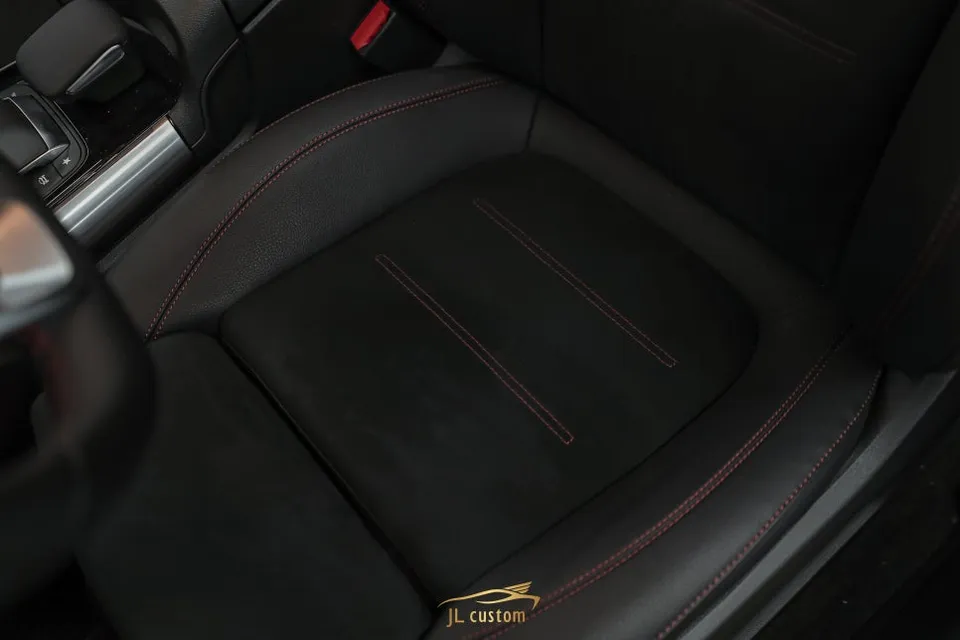
The Art of Leather Perforation for Optimal Cooling
Leather perforation is the heart of a successful ventilated seat installation. It's not just about making holes; it's about creating a pattern of evenly spaced perforations of the correct size to ensure maximum airflow. Holes that are too large can compromise the leather's durability, while holes that are too small will significantly reduce the cooling effect. This is where the installer's experience is paramount.
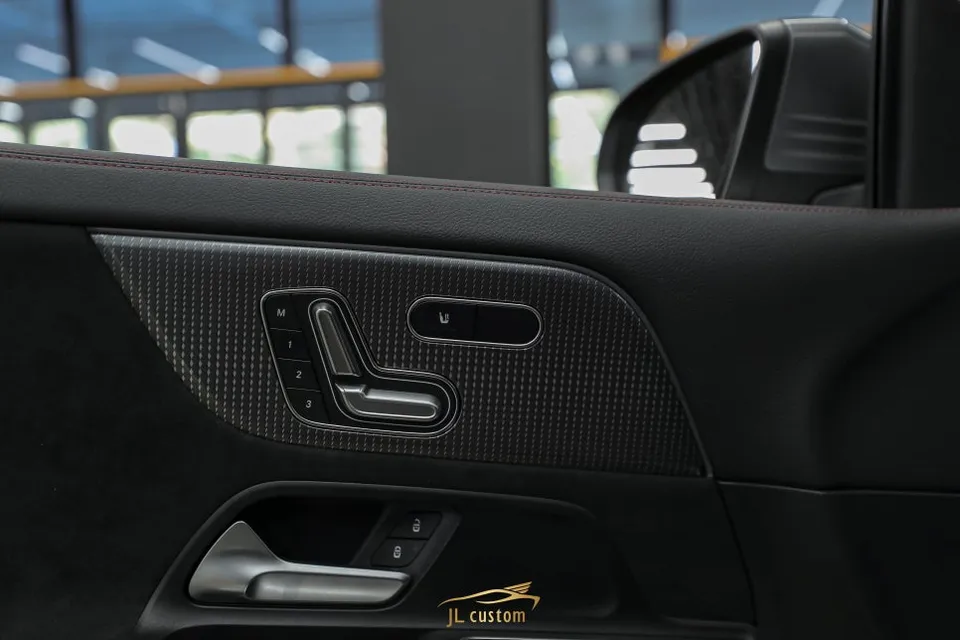
In this EQA installation, the leather was perforated uniformly on the front sections of the driver and passenger seats, mirroring the pattern found on genuine Mercedes-Benz ventilated seats. The result is a natural, integrated look. The control switches are strategically placed near the center console for easy access while driving.
Steering Wheel Heating: Your Warm Companion in Winter
A heated steering wheel is indispensable for comfortable winter driving. Cold hands can lead to reduced driving control and increased fatigue. Genuine-style steering wheel heating involves embedding ultra-thin heating elements within the steering wheel's core structure, maintaining the original look and feel.
The installation requires careful disassembly of the steering wheel to precisely position the heating elements. For the EQA's specific steering wheel design, this means integrating the elements without damaging the existing padding. The process typically takes 2-3 hours, after which the entire steering wheel surface provides consistent warmth.
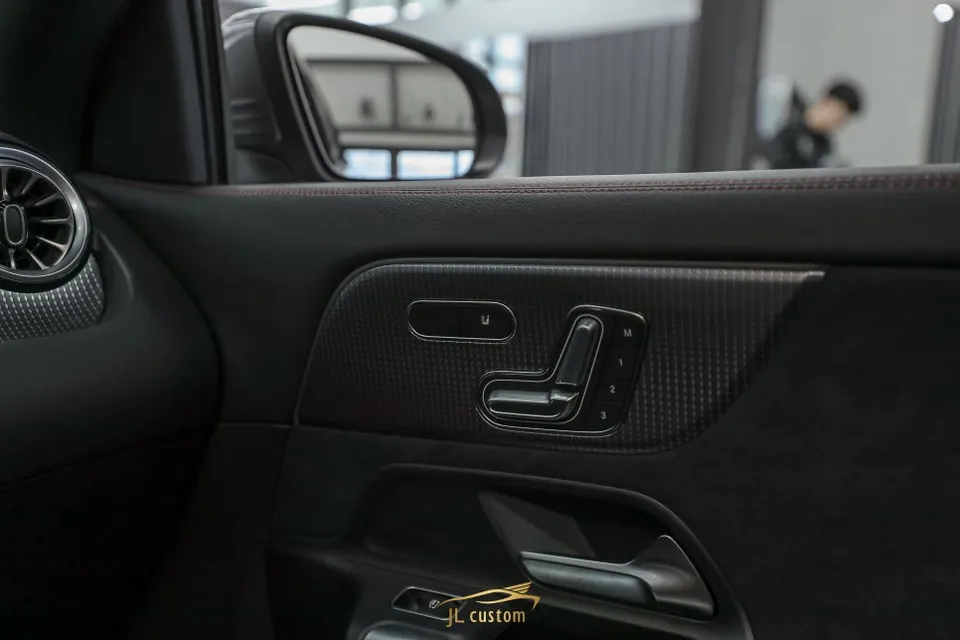
Intuitive Controls for Heated Steering Wheel
The switch for the heated steering wheel is typically located near the steering column stalk, allowing for effortless operation without diverting the driver's attention from the road. Temperature control is usually managed through a simple 3-stage system (OFF/LOW/HIGH), allowing drivers to select their preferred level of warmth.
Safety is paramount in steering wheel heating installations. Only certified automotive heating elements should be used, and they must incorporate overcurrent protection circuits. We ensure all components meet stringent safety standards for reliable and safe operation.
Frequently Asked Questions
Q. How much does ventilated & heated seats cost for a Mercedes-Benz EQA?
The cost for ventilated and heated seats for a Mercedes-Benz EQA can range from $1,500 to $3,000 depending on the specific components and installation shop. This is comparable to the typical US market price for similar aftermarket upgrades.
Q. How long does ventilated & heated seats last on a Mercedes-Benz EQA?
Ventilated and heated seats, when properly installed with quality components, can last for many years, often exceeding 100,000 miles. Regular cleaning of the seat upholstery and avoiding excessive moisture can help maintain their longevity.
Q. Is ventilated & heated seats worth it for a Mercedes-Benz EQA?
Ventilated and heated seats are highly recommended for Mercedes-Benz EQA owners who frequently experience extreme temperatures, significantly enhancing driving comfort. The investment provides substantial value by improving year-round usability and passenger satisfaction.
Q. How is ventilated & heated seats done on a Mercedes-Benz EQA?
1. Seats are removed and disassembled to access the upholstery. 2. Thin ventilation ducts or heating elements are installed beneath the leather. 3. Leather is precisely perforated (for ventilation) and re-covered. 4. Electrical connections are made, and control switches are installed.
Q. What is the best ventilated & heated seats option for a Mercedes-Benz EQA?
The best option is a genuine-style integrated system that uses high-quality components and professional installation for a factory look and feel. Prioritize systems with safety certifications and adjustable temperature settings for optimal performance.
OhCar Partner Shop