Mercedes-Benz EQE PPF Review — Interior Protection
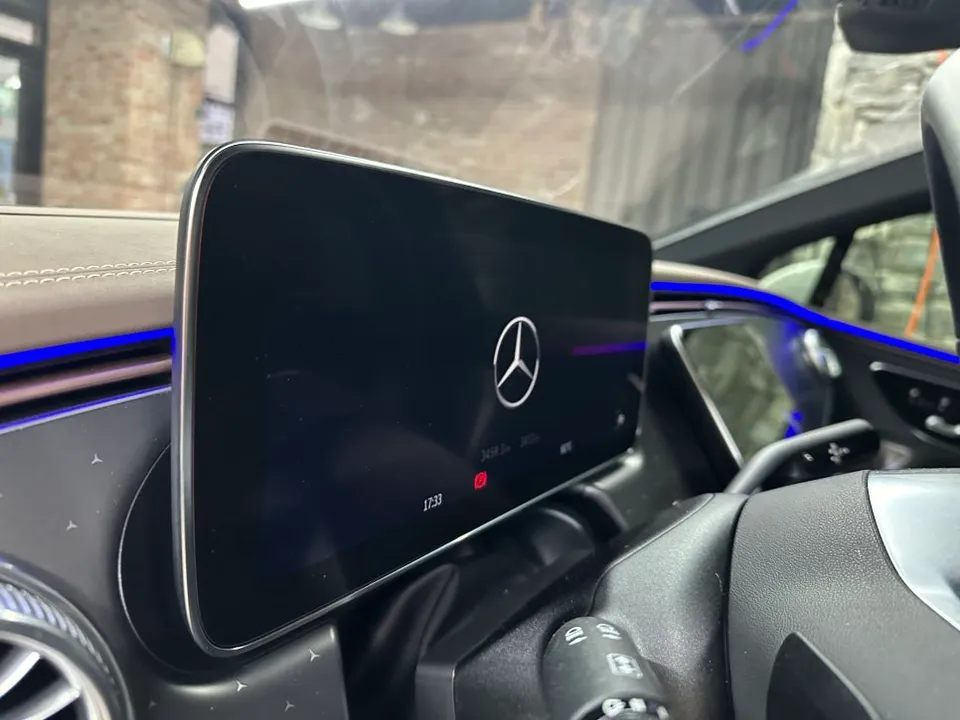
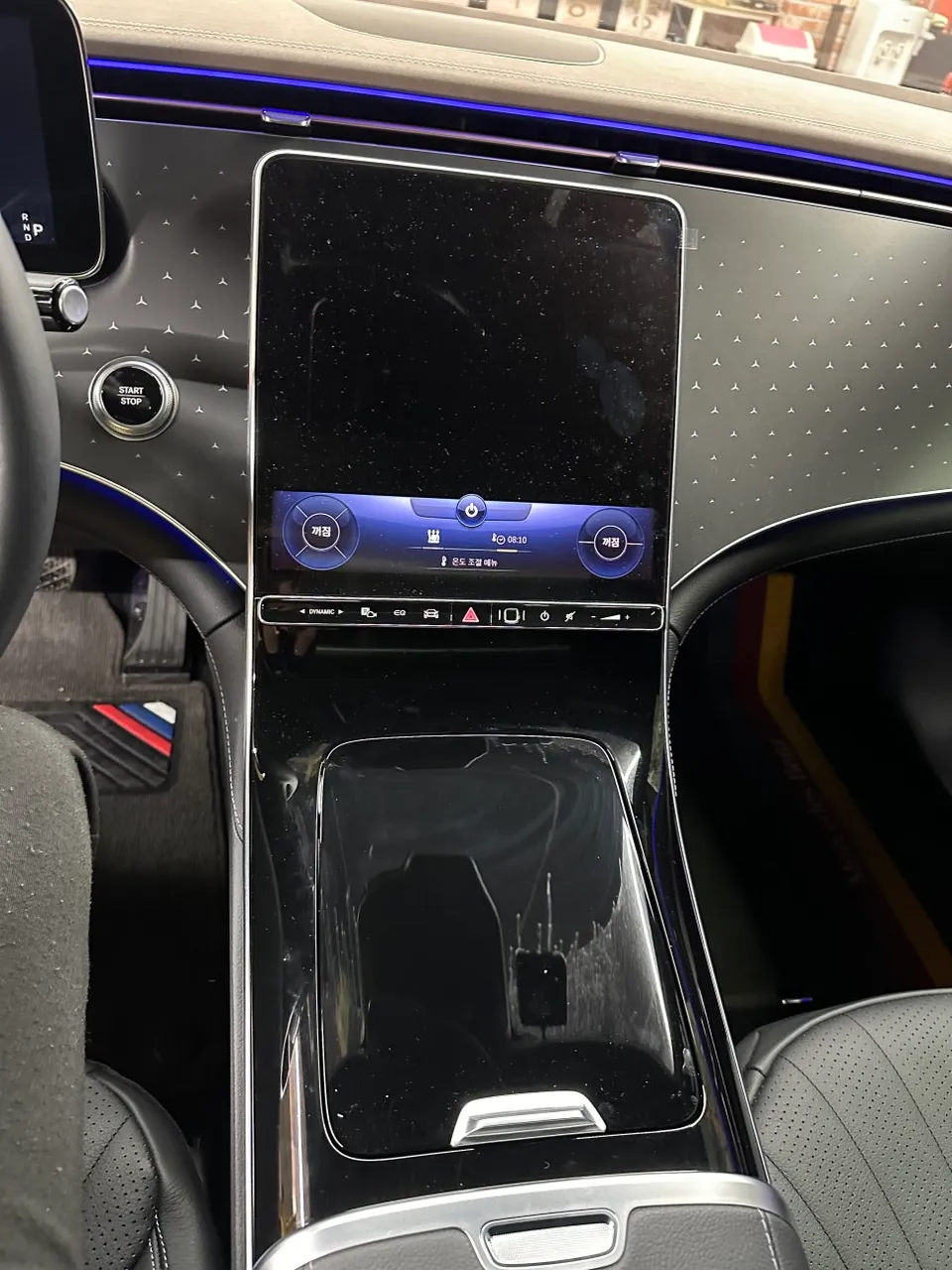
Mercedes-Benz EQE interior PPF installation for scratch protection. Protects high-touch areas, maintaining vehicle value.
Protecting Your Mercedes-Benz EQE's Interior with Paint Protection Film
Welcome to Today's Car. This review details a Mercedes-Benz EQE owner's decision to install interior Paint Protection Film (PPF) in the Yongin area, specifically to prevent scratches. While exterior PPF is common, interior PPF offers a more budget-friendly way to safeguard the most frequently touched parts of your vehicle. This service is rapidly gaining popularity among car owners who prioritize preserving their vehicle's pristine condition and long-term value.
Vehicle: Mercedes-Benz EQE
Service: Interior PPF (Scratch Protection)
Installation Method: Pre-cut film application (no on-site cutting)
Areas Covered: Key interior surfaces including storage compartments and the display.
Location: Today's Car Yongin Branch
Duration: Approximately 2 hours
The Hidden Threat: Micro-Scratches on the EQE Interior
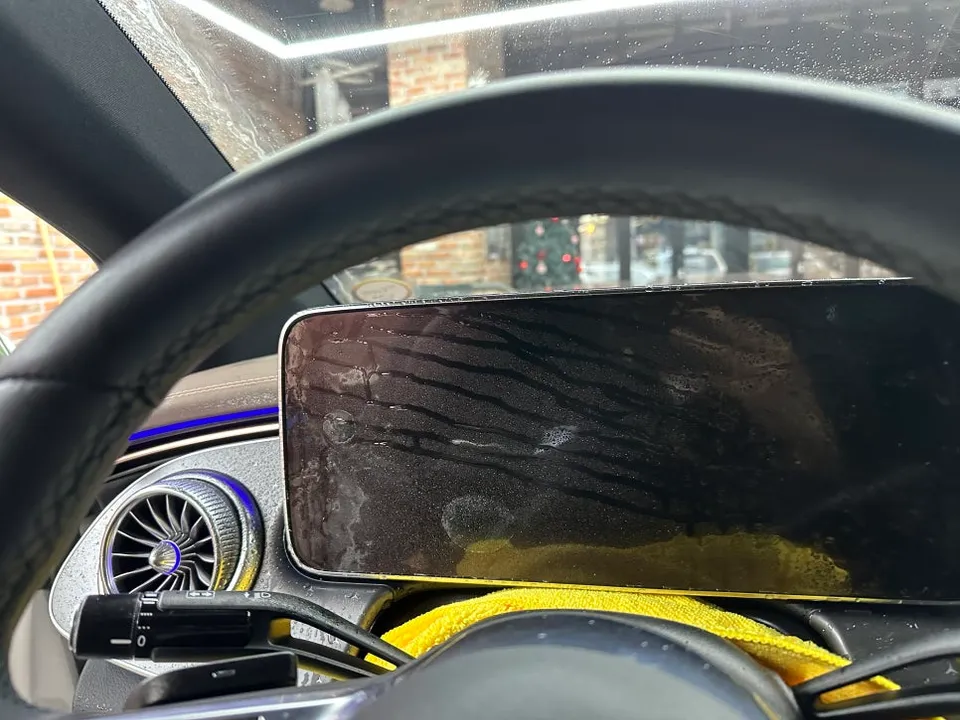
Even meticulous car owners can overlook the subtle damage accumulating inside their vehicles. While the exterior of this Mercedes-Benz EQE was immaculate, closer inspection revealed minor scratches on the storage areas and the central display. These blemishes, often caused by everyday interactions like placing items down or simply touching surfaces, are particularly noticeable on modern EVs with their prevalent use of touchscreens, premium leather, and high-gloss plastic panels. The advanced interior materials in vehicles like the EQE are highly susceptible to visible wear and tear, making proactive protection essential. Opting for interior PPF is a smart move to mitigate this common issue and reduce daily driving anxieties.
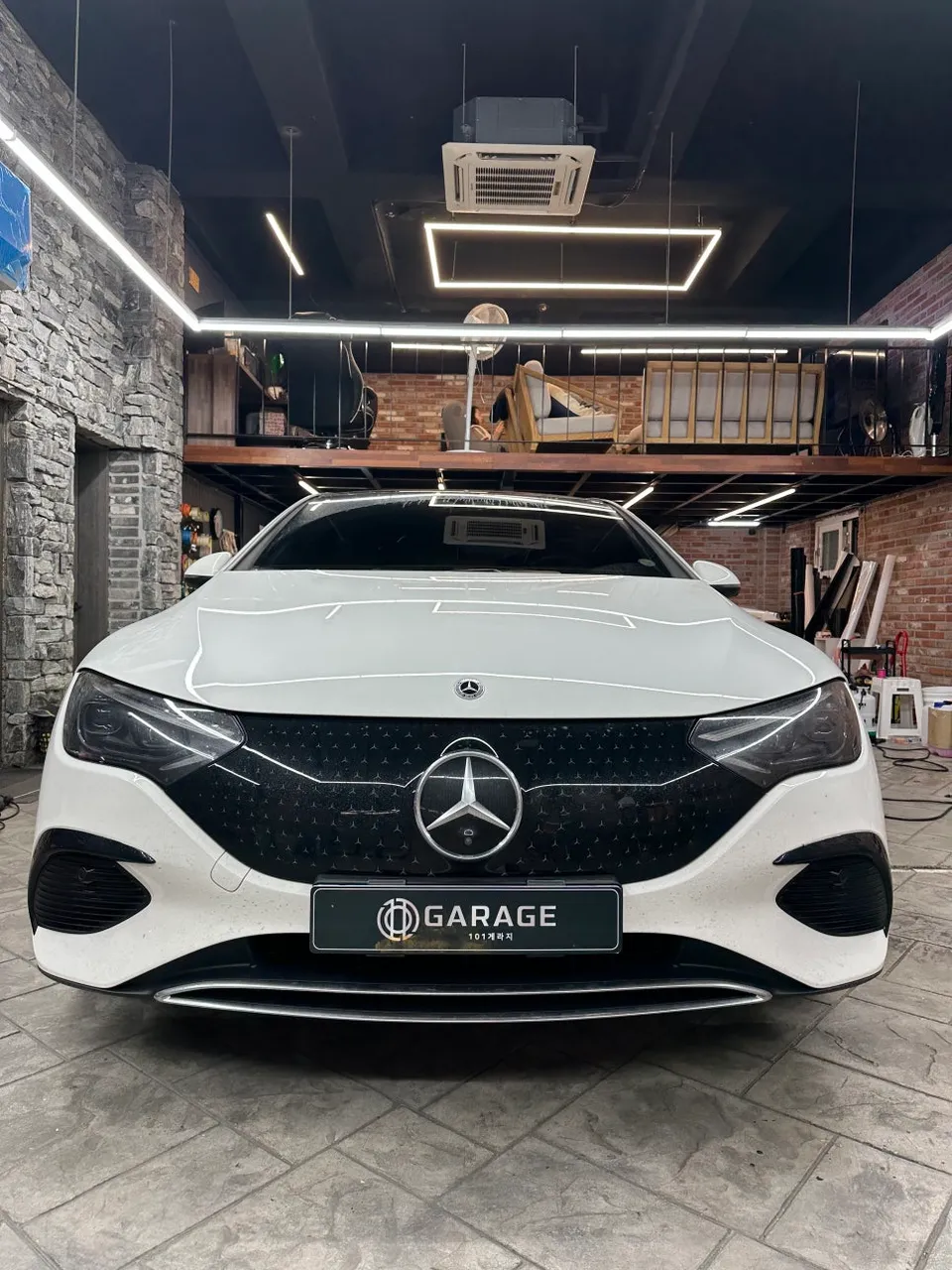
The Foundation of Quality: Thorough Interior Preparation
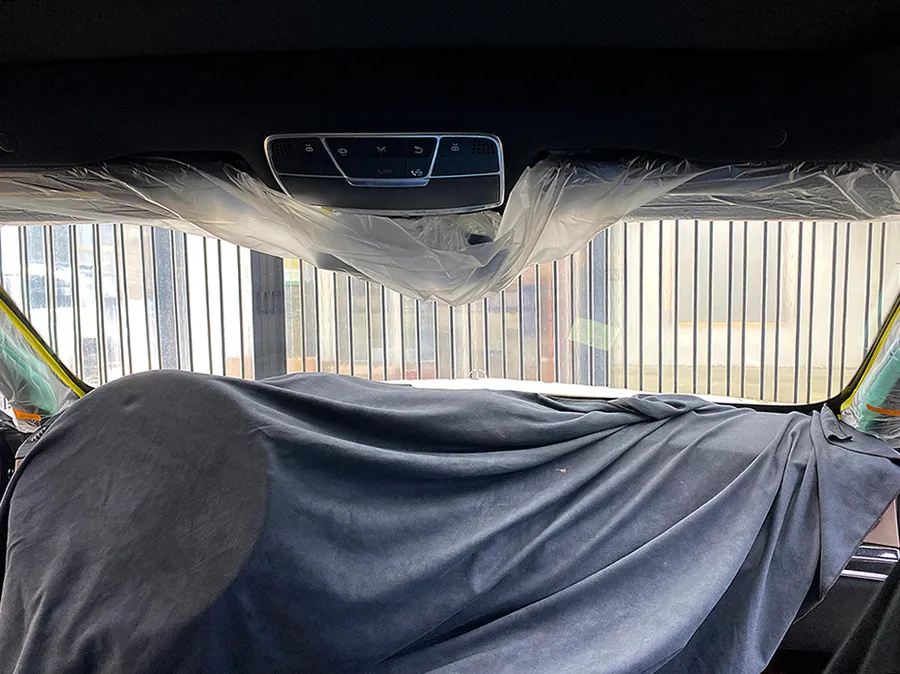
The success of any film application hinges on meticulous preparation. At Today's Car Yongin, the process begins with a thorough cleaning of all surfaces to be treated. Removing dust, debris, and oils is crucial to prevent air bubbles or pockets from forming beneath the film, which are considered installation defects. Following the cleaning, masking tape is applied to protect adjacent areas, including speakers, electronic panels, and delicate trim, from moisture.
A common concern with interior PPF is the use of water during application, especially around sensitive electronics. However, professional installers use a precisely controlled amount of water, which poses no risk of damaging the vehicle's systems. This controlled application ensures the film adheres smoothly without compromising the integrity of the interior components.
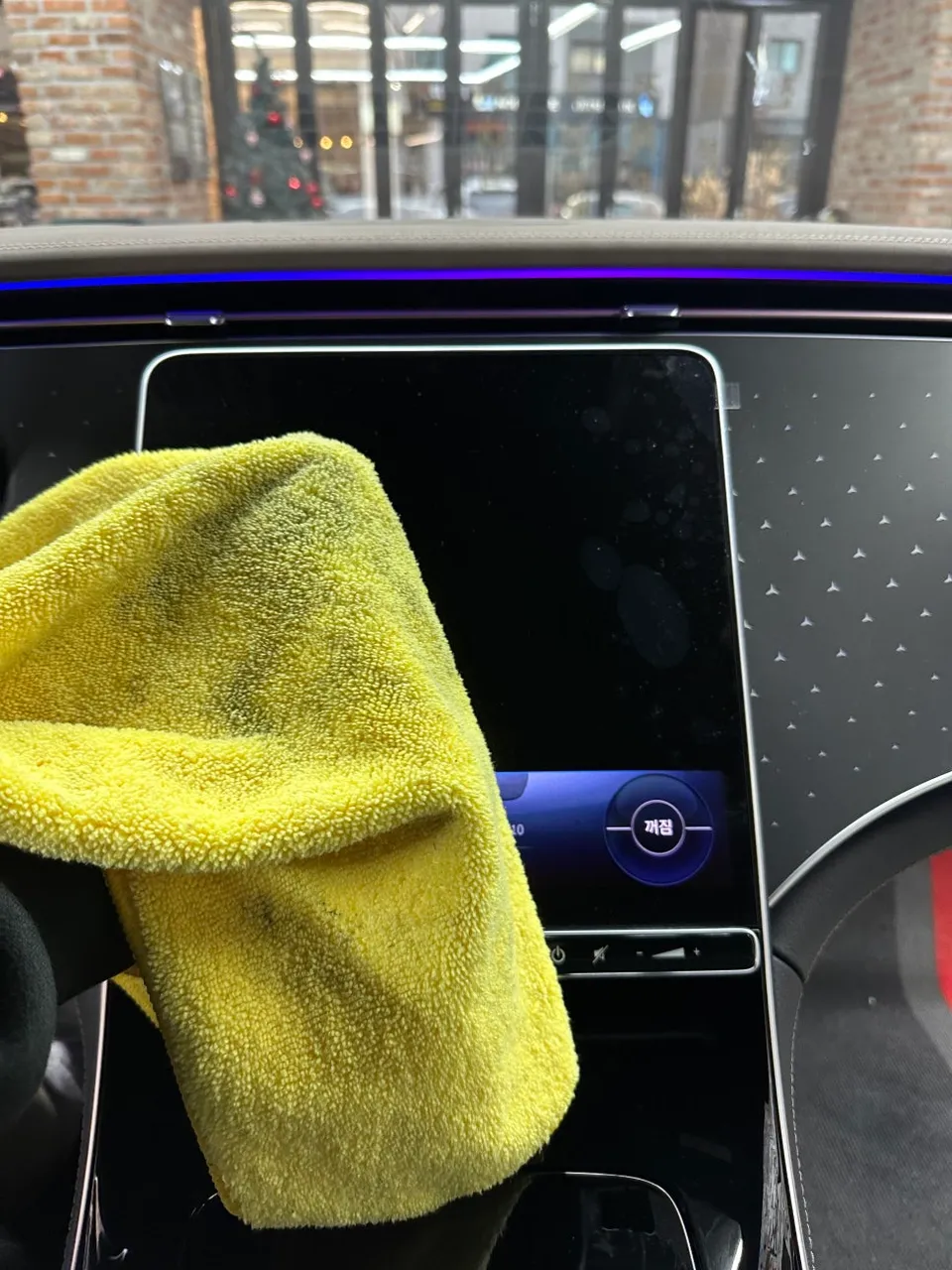
Precision Application: The Art of Interior PPF Installation
Installing interior PPF requires a high degree of precision to avoid trapping dust or creating air bubbles. Since the film is pre-cut to match the exact dimensions of the Mercedes-Benz EQE's interior panels, there's no need for on-site cutting, ensuring a perfect fit. This method, often described as 'cut-to-fit,' guarantees a seamless finish.
Before application, surfaces are treated with an IPA (Isopropyl Alcohol) solution to remove any remaining fingerprints or microscopic dust. The film is then quickly applied after a fine mist of water. Speed is critical during this stage, as exposure to air can lead to dust contamination. Once positioned, a specialized squeegee (squeegeeing) is used to meticulously remove all water and air from beneath the film. Using professional tools ensures consistent pressure and a flawless finish, which is difficult to achieve with manual methods.
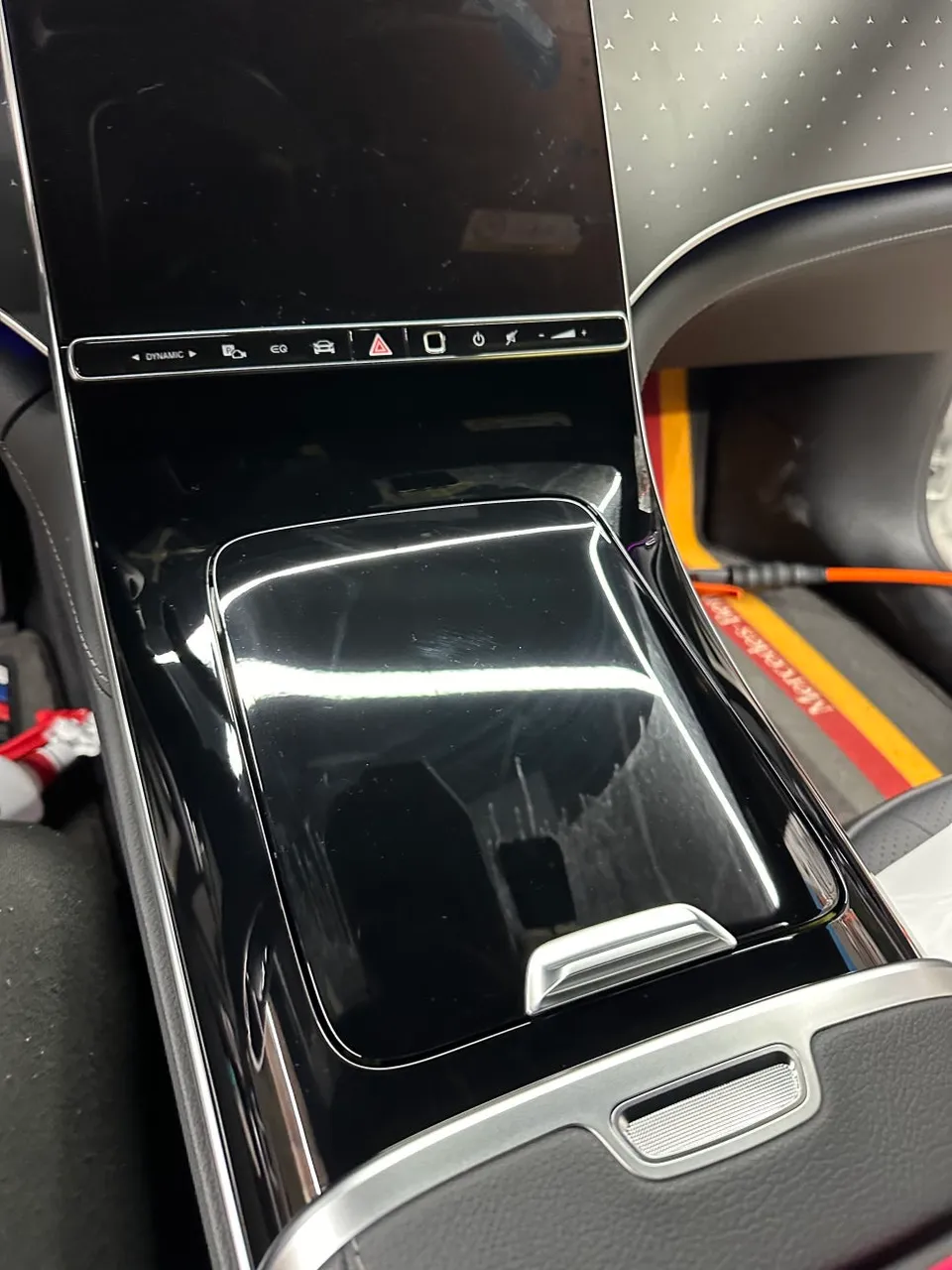
Interior PPF vs. Standard Screen Protectors: Key Differences
It's important to distinguish interior PPF from basic screen protectors or generic films. While both offer a layer of protection, PPF stands apart in terms of texture, clarity, and durability. Unlike rigid plastic screen protectors, PPF is a flexible, self-healing urethane film designed to absorb impacts and resist scratches. Its optical clarity ensures it doesn't significantly alter the appearance of the interior surfaces, and its superior durability provides long-lasting protection against the rigors of daily use. This makes it a more comprehensive solution for safeguarding high-value vehicle interiors.
Frequently Asked Questions
Q. How much does PPF cost for a Mercedes-Benz EQE?
The interior PPF installation for this Mercedes-Benz EQE in Korea cost approximately 2 hours of labor. Typical US pricing for interior PPF can range from $300 to $800 depending on the vehicle and coverage areas.
Q. How long does PPF last on a Mercedes-Benz EQE?
High-quality PPF typically lasts 5-10 years, offering long-term protection against scratches and minor impacts. Regular cleaning with mild soap and water will help maintain its clarity and performance.
Q. Is PPF worth it for a Mercedes-Benz EQE?
PPF is highly recommended for Mercedes-Benz EQE owners concerned about interior wear and tear, especially on high-gloss or touch-sensitive surfaces. It's a valuable investment for preserving the vehicle's aesthetic appeal and resale value.
Q. How is PPF installed on a Mercedes-Benz EQE?
Installation involves several key steps: 1. Thoroughly cleaning and degreasing all interior surfaces. 2. Precisely applying pre-cut PPF pieces using a slip solution to allow for adjustments. 3. Carefully squeegeeing out all water and air bubbles. 4. Allowing the film to cure properly.
Q. What is the difference between PPF and ceramic coating for a Mercedes-Benz EQE?
PPF provides a physical barrier against scratches and impacts, while ceramic coating offers chemical resistance and hydrophobic properties for gloss and ease of cleaning. PPF is ideal for protecting surfaces from physical damage, whereas ceramic coating enhances and protects the paint's appearance.
101 Garage
More ppf Reviews
See all →
More Mercedes-Benz Reviews
Pair with Another Service
Add hydrophobic protection on top of PPF
Complete your new car protection package