Mercedes-Benz G-Class Body Kit Review: Cost & Results
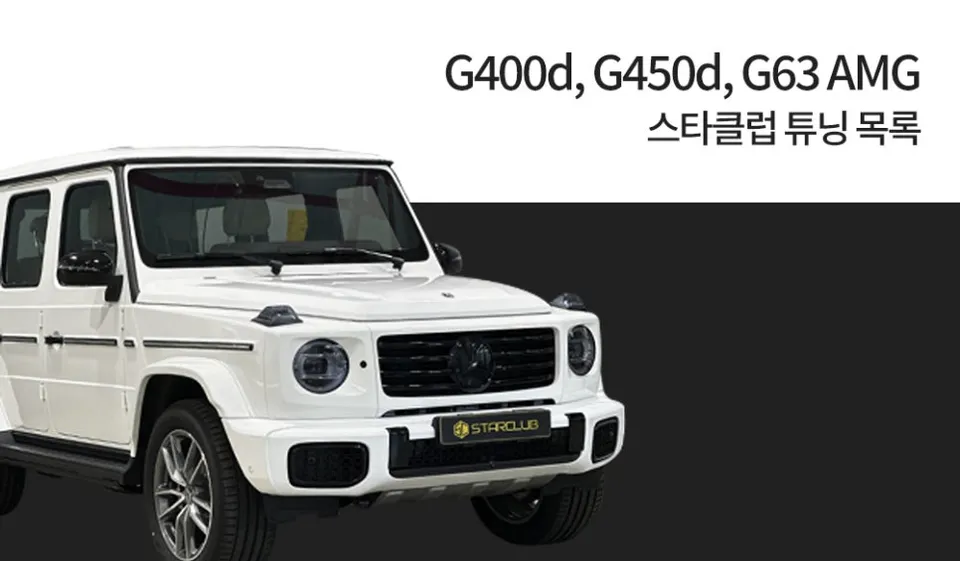
Mercedes-Benz G-Class body kit installation: costs vary widely. Enhances aesthetics and durability with proper care.
G-Class Body Kit Options and Enhancements
The Mercedes-Benz G-Class, known for its iconic ruggedness, offers a compelling canvas for personalization. For G400d, G450d, and G63 AMG owners in Korea, the desire to stand out is common. This review delves into the world of G-Wagen body kits and other popular tuning options, drawing from extensive data across over 1,000 service locations. We'll cover what's available, the typical body kit cost, installation timelines, and what to expect in terms of durability and overall value.
G-Class Body Kit Installation and Cost Breakdown
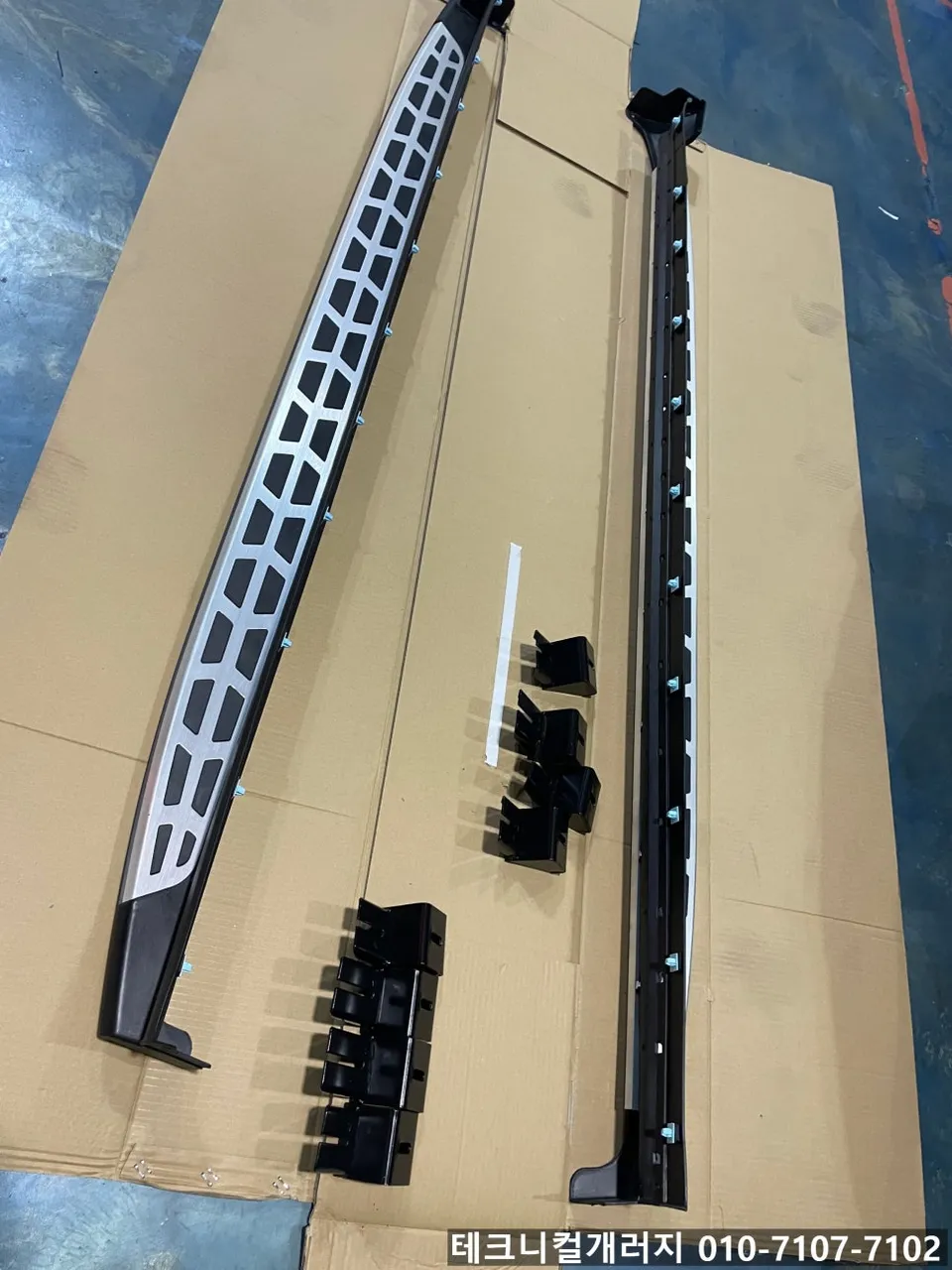
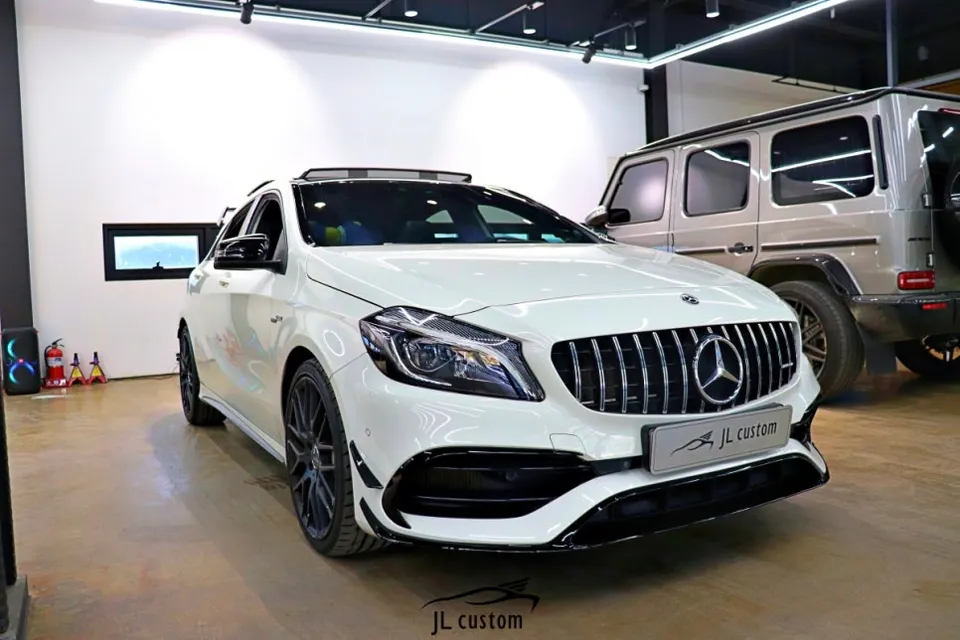
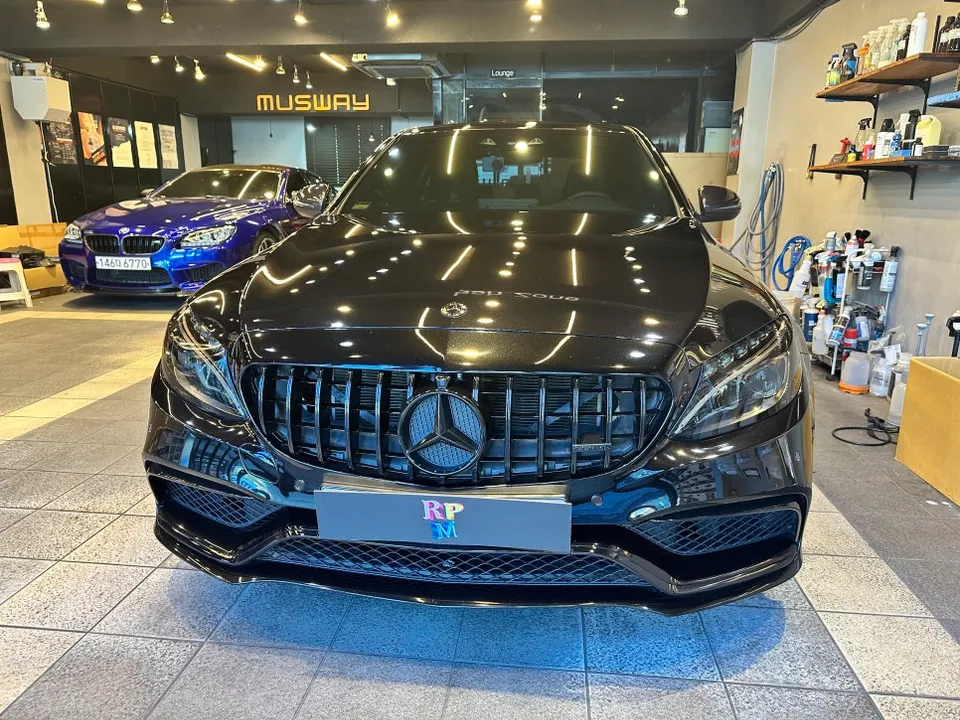
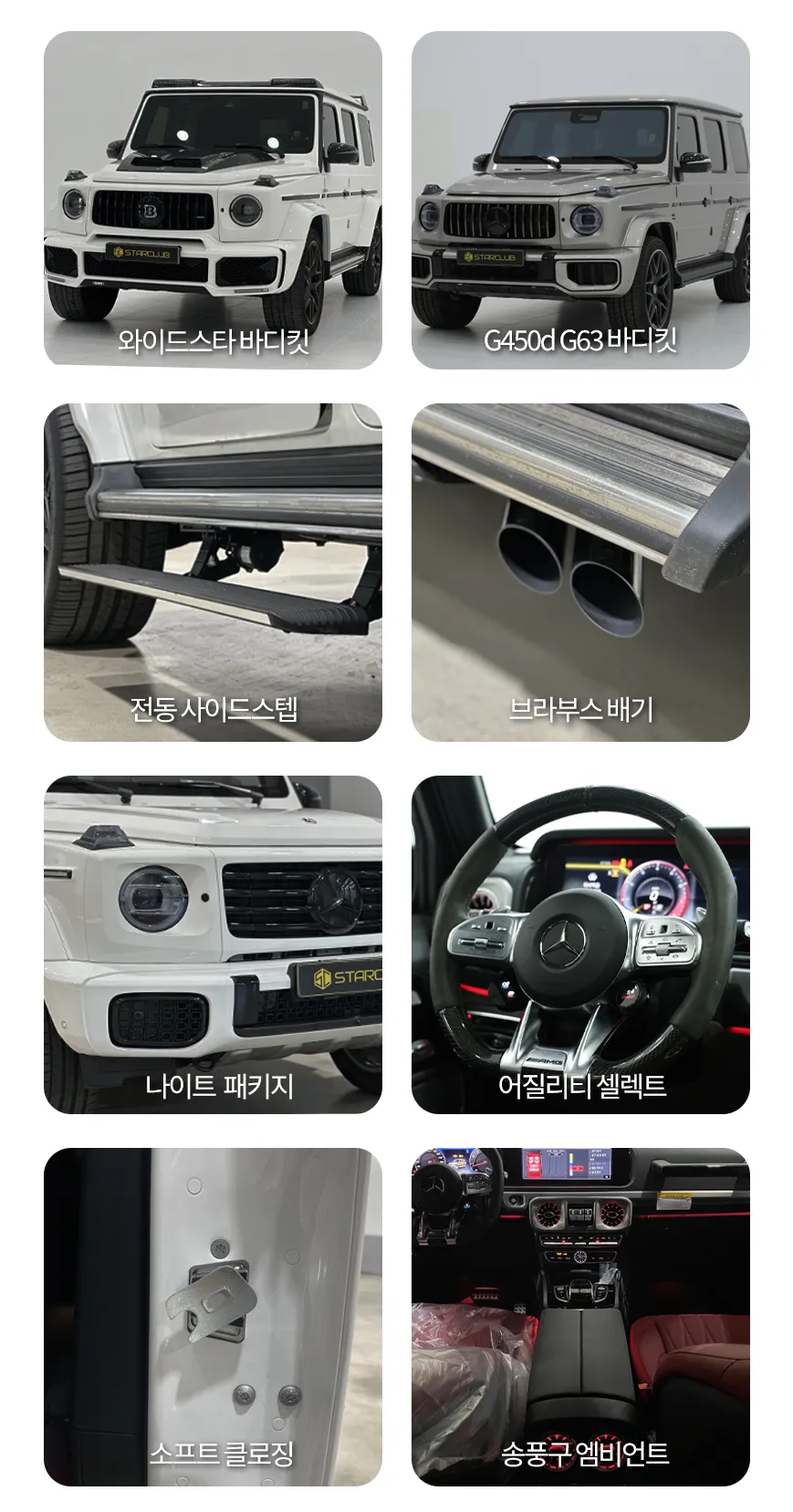
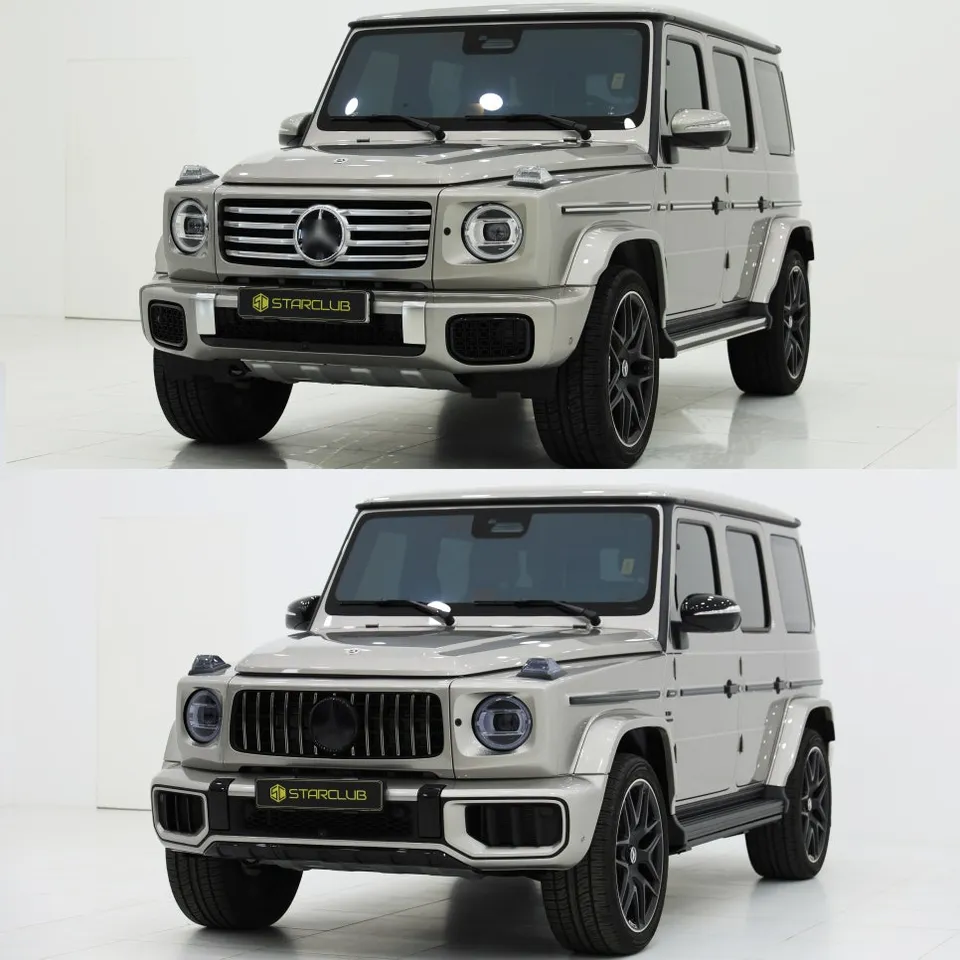
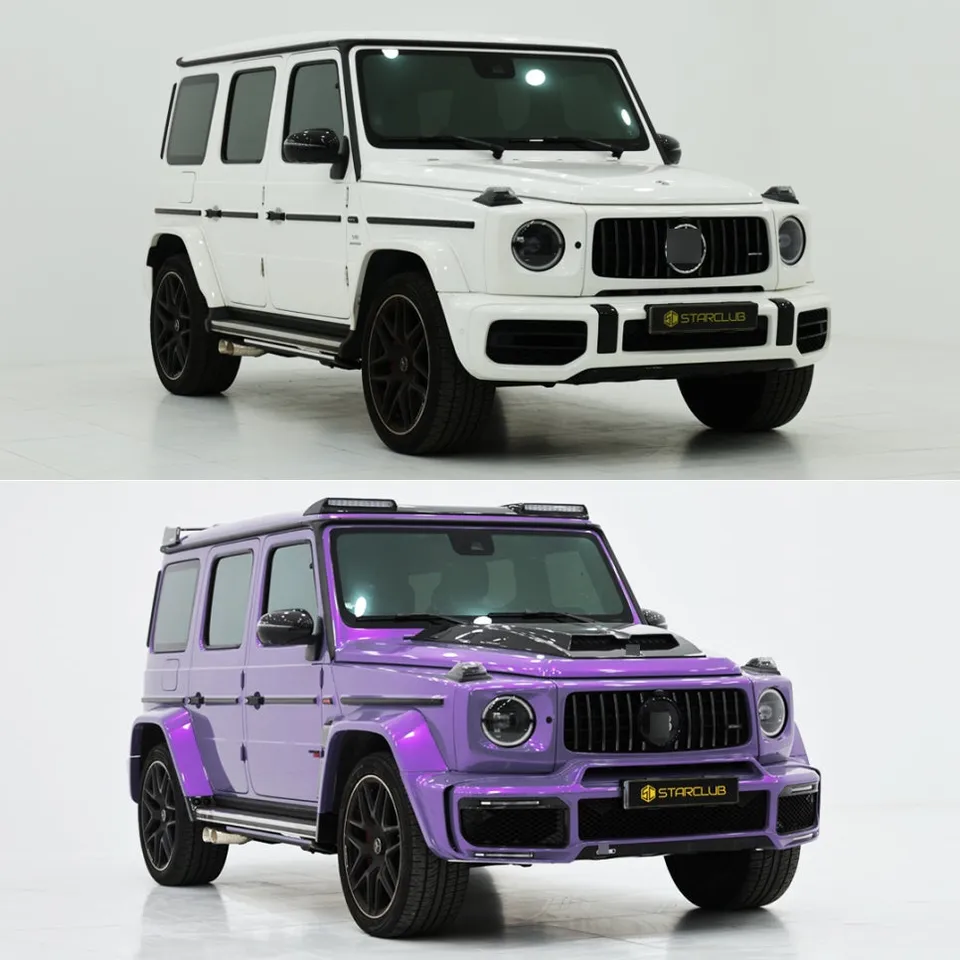
When considering a body kit for your G-Class, the choices range from subtle enhancements to full visual transformations. Many owners opt for a G63 AMG conversion to achieve a more aggressive aesthetic. Beyond full body kits, popular additions include carbon fiber parts for elements like the hood, searchlights, spoilers, and spare tire covers. Other desirable upgrades include power side steps for improved ingress and egress, and performance exhaust systems from brands like Brabus or Akrapovič to enhance the G-Wagen's auditory presence. The cost of a G63 AMG conversion body kit can start in the millions of Korean Won (KRW) for a full set, with individual carbon fiber components ranging from hundreds of thousands to millions of KRW. For context, this could translate to several thousand US dollars for a comprehensive kit. Exhaust systems and power side steps also typically fall into the multi-million KRW range. Exact pricing depends heavily on the specific parts chosen, the brand, and the scope of work. It's always best to get a detailed quote after a vehicle inspection.
G-Class Body Kit Durability and Maintenance
The longevity of a G-Class body kit largely depends on the materials used and how well it's maintained. High-quality body kits, especially those made from durable materials like polyurethane or carbon fiber, can last for many years with proper care. Carbon fiber parts are known for their strength-to-weight ratio, making them a premium choice for both aesthetics and performance. However, like any exterior modification, they can be susceptible to damage from impacts or improper cleaning. Regular cleaning with mild soap and water, avoiding abrasive materials, and being mindful of parking and driving conditions will help preserve the finish and integrity of the body kit. Many parts come with a warranty, typically ranging from 1 to 3 years, offering peace of mind. For complex installations like full body kits or power side steps, the process can take anywhere from 1 to 3 days to complete, ensuring all components are fitted precisely and function correctly.
Installation Process:
- Surface Preparation: The existing body panels are thoroughly cleaned and prepped to ensure optimal adhesion.
- Component Fitting: New body kit components (bumpers, side skirts, spoilers, etc.) are carefully aligned and attached to the vehicle's frame.
- Integration: Any necessary wiring for features like lighting or power steps is connected, and all parts are securely fastened.
- Finishing Touches: The installed kit is inspected for fitment, and any final adjustments or paint matching are completed.
Frequently Asked Questions
Q. How much does a body kit cost for a Mercedes-Benz G-Class?
In Korea, a full G63 AMG conversion body kit can start in the millions of KRW, with individual carbon parts also costing hundreds of thousands to millions of KRW. US pricing can range from $3,000 to $10,000+ depending on the kit's complexity and brand.
Q. How long does body kit installation take on a Mercedes-Benz G-Class?
Installation times vary, with simpler additions taking a few hours, while full body kit conversions can require 1-3 days. Proper maintenance involves regular cleaning with mild solutions and avoiding harsh impacts to ensure longevity.
Q. Is a body kit worth it for a Mercedes-Benz G-Class?
A body kit is most worthwhile for G-Class owners seeking a distinct visual upgrade or a more aggressive aesthetic, like a G63 AMG conversion. It offers a significant aesthetic transformation, enhancing the vehicle's presence and personalization.
Q. How is a body kit installed on a Mercedes-Benz G-Class?
Installation typically involves preparing the vehicle's surface, carefully fitting and securing the new body kit components (bumpers, skirts, etc.), integrating any necessary wiring, and performing final checks for a seamless finish.
Q. What is the difference between FRP and polyurethane body kits for a Mercedes-Benz G-Class?
Polyurethane kits are generally more flexible and impact-resistant, making them more durable for daily driving, while FRP (Fiber-Reinforced Plastic) kits can be lighter but more prone to cracking upon severe impact. For most owners, polyurethane offers a better balance of durability and cost.
OhCar Partner Shop