Porsche Panamera 970 Body Kit Installation Review
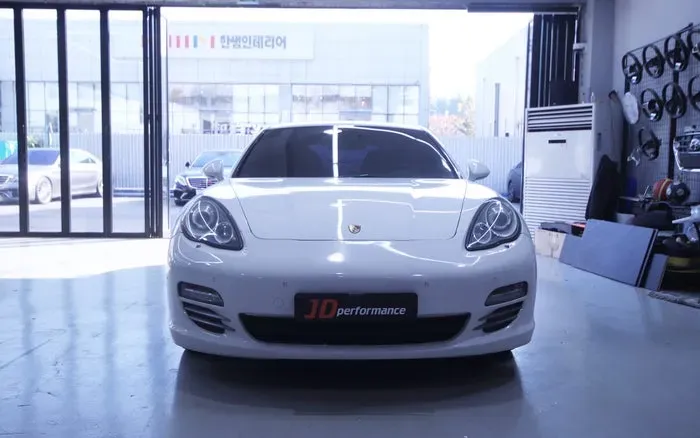
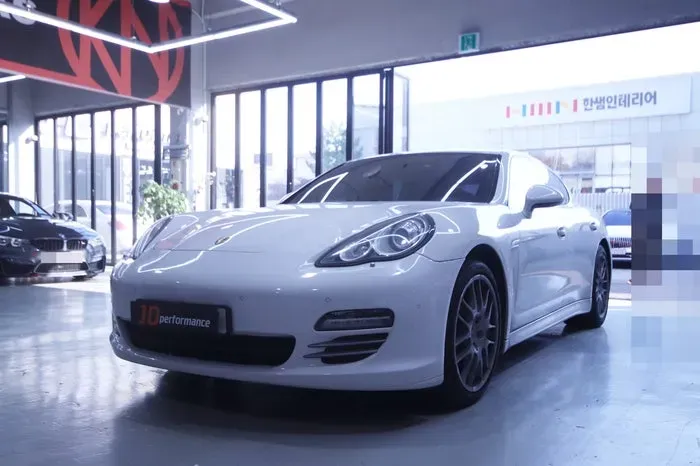
Porsche Panamera 970 to 971.2 GTS body kit conversion: Approx. $7,300+. Dramatic visual upgrade, requires extensive modification.
Transforming the Porsche Panamera 970 with a 971.2 GTS Aero Kit
For owners of the first-generation Porsche Panamera 970, the desire to update its appearance to match the latest models is a common aspiration. This review details a comprehensive conversion that transforms a 970 model into the visually striking 971.2 GTS design. This isn't just a simple body kit installation; it's a significant undertaking involving extensive modifications to achieve a seamless, modern look. The process requires a deep appreciation for the vehicle and a substantial investment in both time and resources to elevate the Panamera's aesthetic appeal and perceived value.
Dramatic Before & After: Panamera 970 to 971.2 GTS Conversion
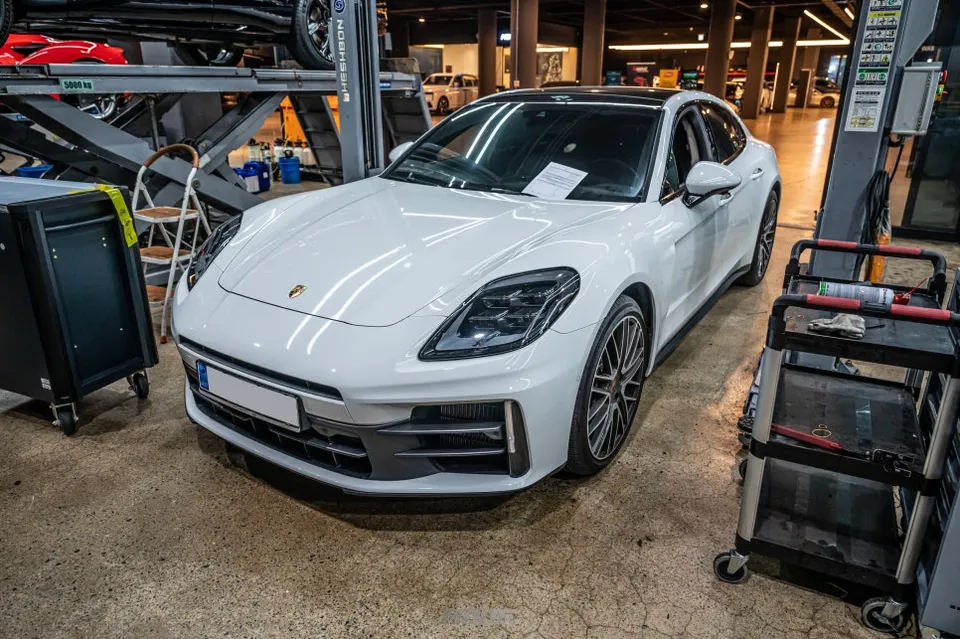
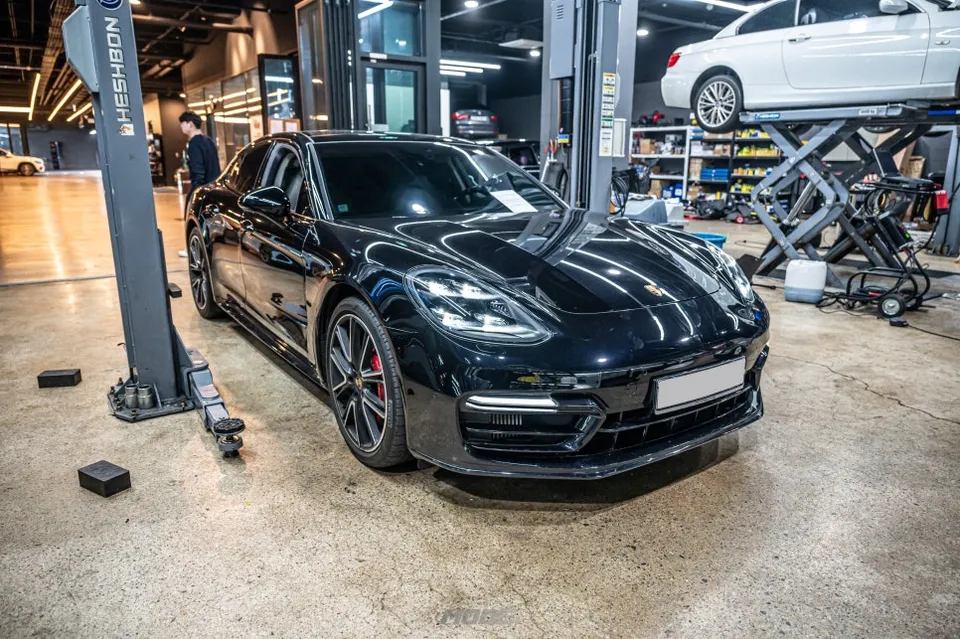
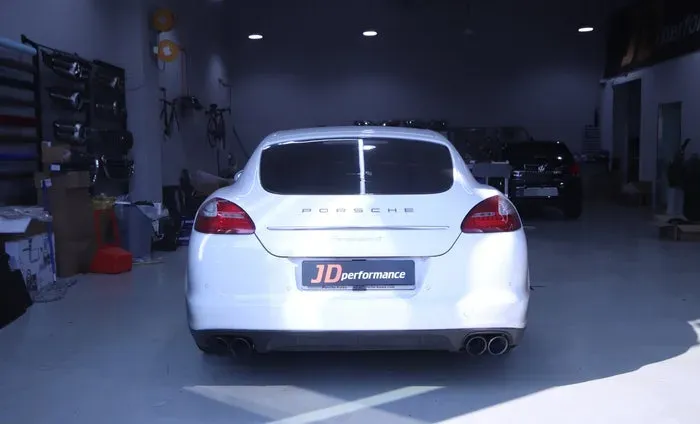
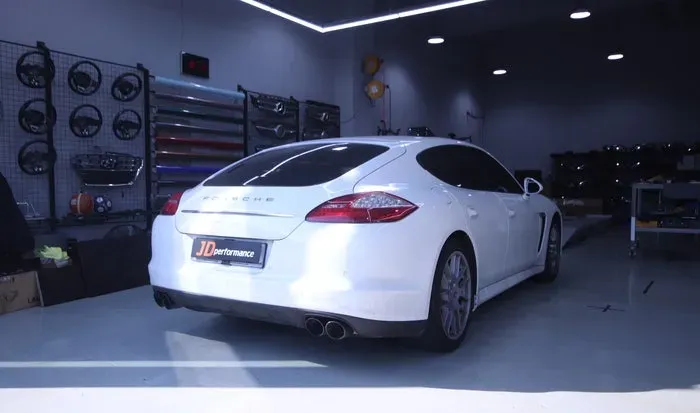
The core of this project was to meticulously replicate the 971.2 GTS styling on the older 970 chassis. This involved a complete overhaul of the front and rear bumpers, headlights, taillights, trunk, and even rear fender modifications. The rear end, in particular, required extensive work due to the completely different design of the taillights and fender lines, necessitating a full replacement and reshaping.
Front-End Transformation: The updated front fascia boasts the latest PDLS headlights, with all panel gaps expertly addressed for a factory-fresh finish. The front bumper features a sophisticated two-way illuminated daytime running light and turn signal system. Complementing these changes, a full vehicle wrap and a switch to 21-inch forged wheels further enhance the Panamera's already luxurious and sporty stance.
Rear-End Evolution: The rear transformation is arguably even more striking. The signature clear-type taillights and the active spoiler characteristic of the 971.2 GTS model were integrated, adding significant dynamism. The rear bumper's lower diffuser was finished in a single tone, mirroring the GTS trim for a cohesive look. The trunk lid was replaced, and the rear glass was also updated to a 971-compatible unit. Crucially, all electronic functions were thoroughly tested to ensure perfect operation.
Body Kit Installation Process & Considerations
Installing a full body kit, especially one designed to convert between generations like this Panamera 970 to 971.2 GTS conversion, is a complex process demanding high levels of skill. The Korean context for this specific conversion highlights the intricate bodywork required, particularly on the rear fenders to match the new design lines. This often involves welding, panel beating, and extensive use of body filler to achieve smooth, flowing contours. The integration of the new taillights necessitates precise fender modifications, followed by meticulous finishing work to ensure flawless surfaces.
The installation process typically involves these key steps:
- Component Preparation: Unboxing and inspecting all body kit parts (bumpers, fenders, lights, etc.) for damage or defects. Minor adjustments or test fitting may occur.
- Body Modification & Fitment: Removing original bumpers and potentially other body panels. Custom fabrication, including cutting, welding, and shaping of fenders or mounting points, is performed to ensure the new components align correctly.
- Surface Preparation & Priming: Extensive sanding, filling, and priming of the new and modified body panels to create a perfectly smooth surface ready for paint.
- Painting & Clear Coating: Applying the base coat and clear coat in a professional paint booth to match the vehicle's existing paint or achieve a new finish.
- Final Assembly & Integration: Reinstalling all modified and new body panels, connecting lights and sensors, and performing final checks for fit, finish, and function.
The cost for such an extensive conversion in Korea can range significantly, often starting from around ₩10,000,000 (approximately $7,300 USD, subject to exchange rates and specific shop pricing) and potentially increasing based on the complexity, parts chosen, and finishing details like paint or wrap. Durability is generally good if high-quality parts are used and professionally installed, but like any body modification, it requires careful maintenance. Avoid harsh impacts and ensure regular cleaning to preserve the finish.
When considering a body kit for your Panamera 970, weigh the aesthetic benefits against the significant cost and complexity. This type of conversion is best suited for owners who are passionate about achieving a specific, modern look and are prepared for the investment involved. For those seeking a more straightforward update, consider simpler modifications like spoiler additions or wheel upgrades.
Frequently Asked Questions
Q. How much does a body kit cost for a Porsche Panamera 970?
This extensive 971.2 GTS style conversion in Korea cost approximately ₩10,000,000 (around $7,300 USD). Typical body kit installations in the US can range from $1,500 to $5,000+ for parts and labor, depending on the kit's complexity and material.
Q. How long does body kit installation take on a Porsche Panamera 970?
A full conversion like the one described, involving significant body modification, can take several weeks. Proper maintenance involves regular washing and waxing, and avoiding high-impact situations to preserve the finish and integrity of the kit.
Q. Is a body kit worth it for a Porsche Panamera 970?
A body kit is worth it for Panamera 970 owners seeking a dramatic visual upgrade to a more modern aesthetic. The value lies in achieving a significantly refreshed look that can enhance driving enjoyment and potentially resale appeal, provided the installation is professional and the cost is justified by the owner's goals.
Q. How is a body kit installed on a Porsche Panamera 970?
Installation involves removing original bumpers, potentially modifying fenders (often requiring cutting, welding, and filling), test-fitting new components, extensive surface preparation and priming, professional painting, and final assembly. All electronic functions, like lights and sensors, must be carefully integrated and tested.
Q. What is the difference between FRP and polyurethane body kits for a Porsche Panamera 970?
Polyurethane kits are generally more flexible, durable, and resistant to cracking than Fiberglass Reinforced Plastic (FRP) kits, making them better suited for daily driving and easier to repair. For a high-performance vehicle like the Panamera, a polyurethane kit is often recommended for its longevity and better fitment.
OhCar Partner Shop