Mercedes-Benz GLB Ventilated Seats Review — Ultimate Summer Comfo


Upgrade Your Mercedes-Benz GLB with Ventilated and Heated Seats
As summer temperatures soar, the need for effective climate control in your vehicle becomes paramount. For Mercedes-Benz GLB owners, especially those in regions experiencing intense heat like Namyangju, the discomfort of a hot leather seat can significantly detract from the driving experience. While heated seats are a winter essential, ventilated seats offer crucial relief during warmer months, combating the sticky, uncomfortable feeling of leather against skin. This review details a comprehensive installation of both ventilated and heated seats for a Mercedes-Benz GLB, transforming its interior comfort.
Addressing the Limitations of Factory Options
Many luxury vehicles, including Mercedes-Benz models, offer ventilated and heated seat options, but these can come with a substantial price tag when specified from the factory. For owners who didn't opt for these features initially, retrofitting them through specialized aftermarket services can be a more cost-effective solution. Furthermore, factory-installed systems in some imported cars may have limited ventilation performance. This is where professional aftermarket installations shine, offering enhanced functionality and a more satisfying cooling effect. The Mercedes-Benz GLB featured in this case lacked the factory ventilation option, a common scenario for imported cars where such features are often bundled into higher trim levels or expensive packages. The realization of this oversight often hits hardest as the summer heat intensifies, leading many to seek immediate solutions.
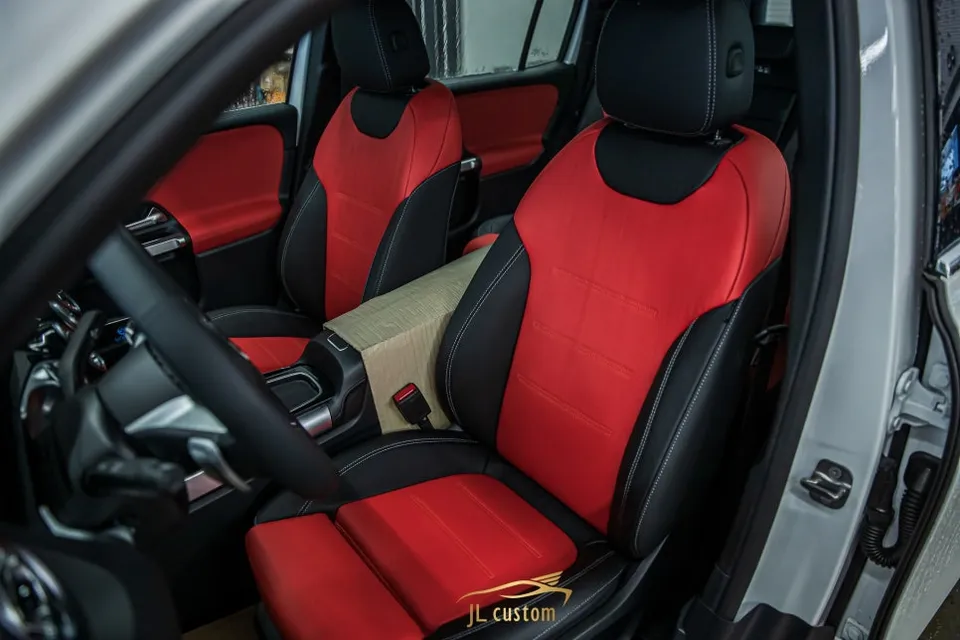
The Installation Process: Precision and Quality
The installation of ventilated seats involves several critical steps, each requiring precision and expertise to ensure both functionality and aesthetic integrity.
- Seat Skin Perforation (Tapping): The process begins with carefully perforating the existing seat leather. This creates the necessary openings for air to circulate. Specialized tools are used to ensure a uniform pattern and spacing, preventing any visual imperfections or potential water ingress. The quality of this step is crucial for the longevity and appearance of the finished product.
- Fan Module Installation: Once the seat skin is prepared, ventilation modules are installed. Typically, a base configuration includes four fans per seat. These fans draw air through the seat, expelling built-up heat and moisture, thereby providing a cooling sensation. For those desiring even greater cooling power, additional fans can be installed, up to a maximum of fifteen per seat, though this increases cost and power consumption.
- Heating Element Integration: For models requiring heated seats, heating elements are carefully placed beneath the seat upholstery. These elements distribute warmth evenly throughout the seat surface.
- Re-upholstering and Finishing: After the internal components are installed, the seat covers are meticulously re-upholstered. Special attention is paid to maintaining proper tension and using heat treatment where necessary, especially on curved surfaces, to achieve a smooth, factory-like finish.
- Switch Integration: The controls for the new ventilated and heated seats are seamlessly integrated. Often, existing heated seat buttons are repurposed or replaced with new switches that offer both heating and ventilation functions, maintaining a clean and intuitive dashboard layout without any visual dissonance.
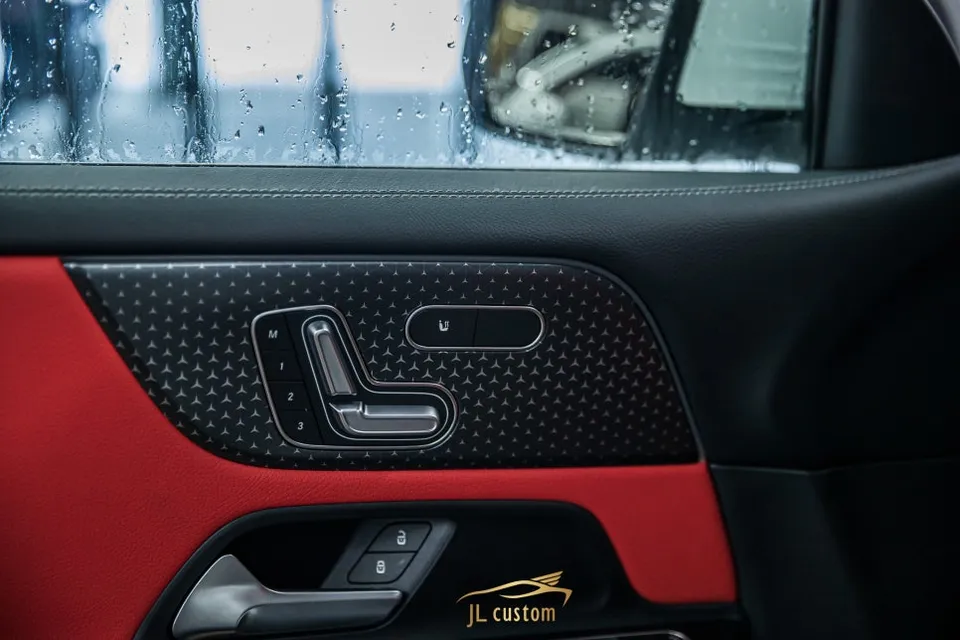
Enhanced Comfort and Seamless Integration
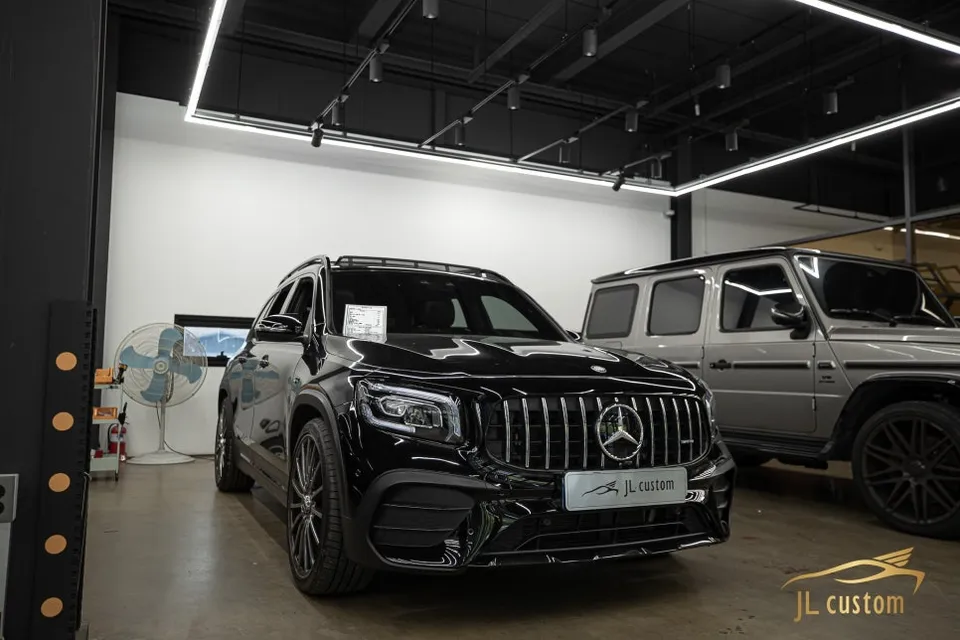
The result of this comprehensive installation is a significantly improved driving experience. The 1st-row seats in the Mercedes-Benz GLB are now equipped with powerful ventilation, ensuring comfort even on the hottest days. The 2nd-row seats benefit from the addition of heating elements, providing warmth during colder weather. The integration of the control switches is particularly noteworthy, appearing as if they were original factory equipment, maintaining the vehicle's premium aesthetic. This upgrade not only enhances comfort but also adds significant value to the vehicle, making it a more enjoyable and practical car year-round. The meticulous attention to detail, from the precise perforation of the leather to the smooth re-upholstering, ensures a high-quality finish that rivals, and in some cases surpasses, factory-installed options.
Today's Car