Mercedes-Benz GLC 300 Body Kit Review: Enhanced Safety & Convenie
Service Price
$115–150
Estimated price · Actual price may vary by shop

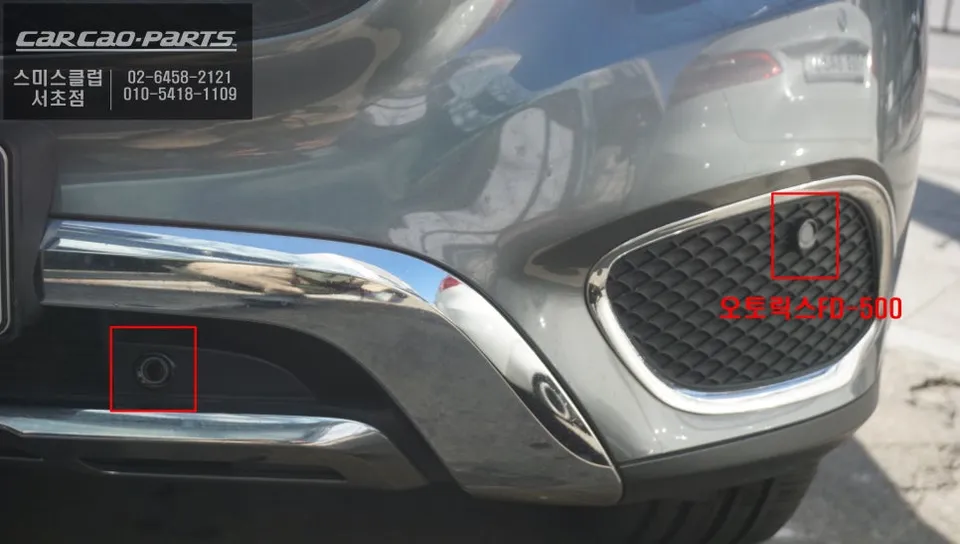
Mercedes-Benz GLC 300 side steps and parking sensors installed for enhanced safety and convenience. Improves accessibility and parking.
Enhancing Your Mercedes-Benz GLC 300 with Essential Accessories
The Mercedes-Benz GLC 300 is a premium SUV, but some imported models may lack crucial parking assistance sensors. For a vehicle of this size, the increased blind spots can make parking a challenge. This review details the installation of side steps and front/rear parking sensors on a Mercedes-Benz GLC 300, focusing on how these additions significantly improve both safety and user convenience. We'll explore the practical benefits and the installation process.
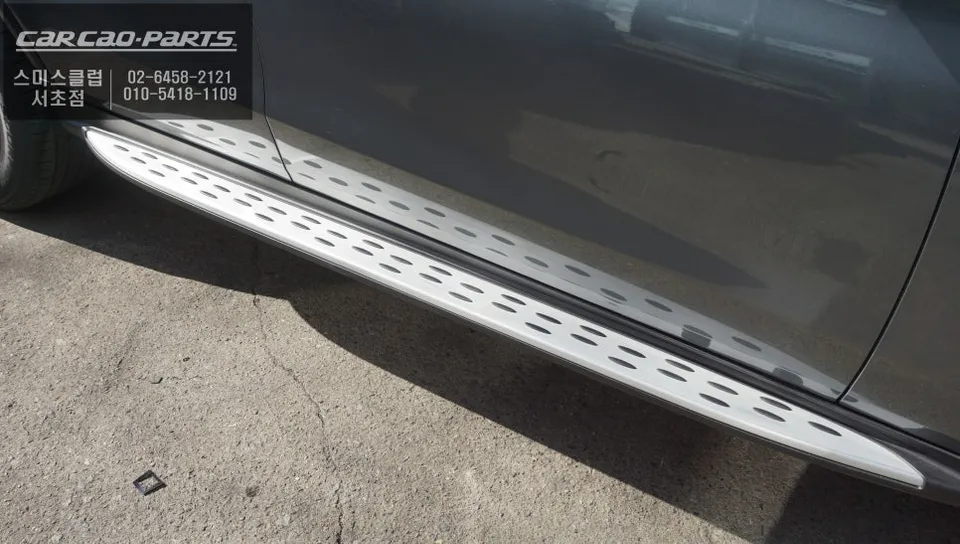
Improving Accessibility and Aesthetics with Side Steps
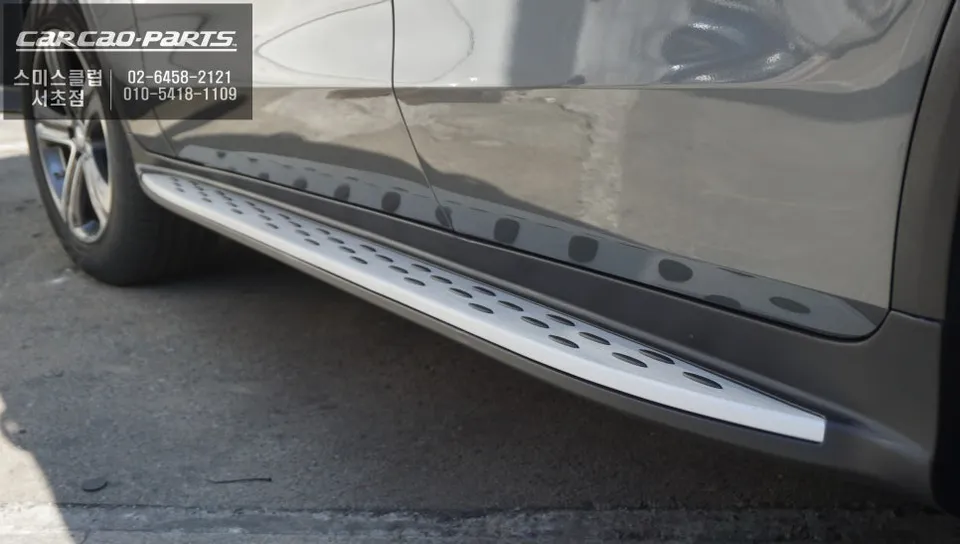
The higher ride height of the GLC 300 can make entry and exit difficult, especially for children and the elderly. Installing fixed side steps provides a stable platform, effectively lowering the perceived step-up height. These steps are designed to be robust, capable of supporting multiple occupants, and feature non-slip surfaces to prevent accidents. The installation process involves securely mounting the steps to the vehicle's existing chassis points, requiring no major modifications. Beyond their practical function, the side steps also complement the GLC 300's design, adding a touch of rugged elegance and enhancing its overall premium appearance.
Boosting Parking Safety with Front and Rear Sensors
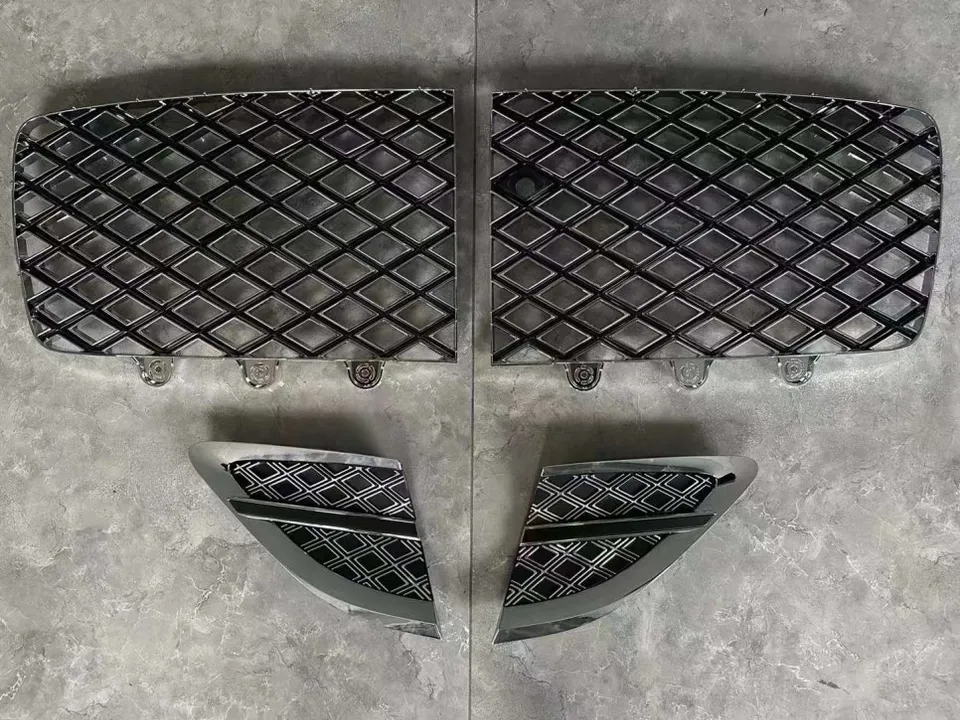
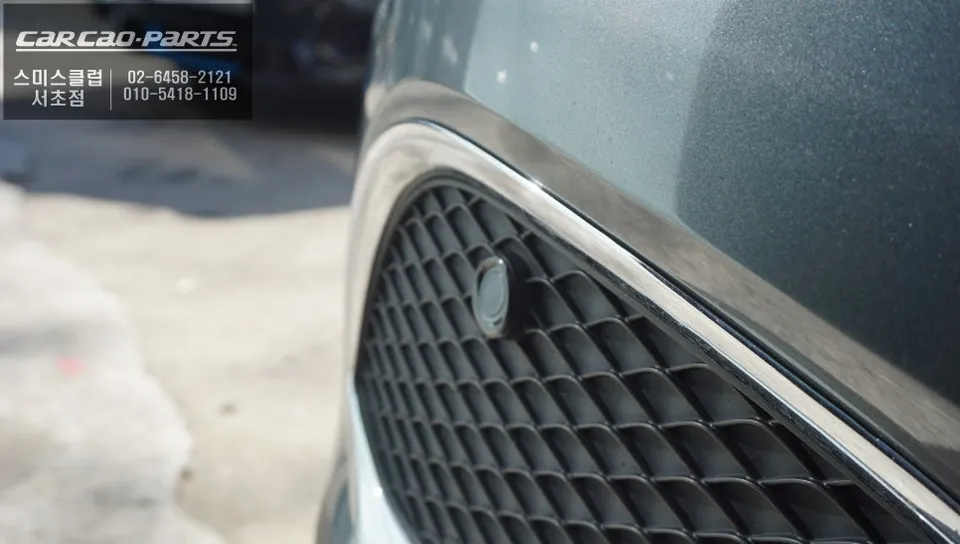
Parking sensors are vital for mitigating the risks associated with large vehicle blind spots. The front parking sensor system, specifically the AutoLix FD-500 model, offers a three-stage audible warning system. This system alerts the driver at 80cm, 60cm, and finally 40cm from an obstacle, allowing for progressive and calm reactions. The sensors are discreetly integrated into the front bumper. Similarly, the four-sensor rear system is crucial for navigating tight spaces and avoiding collisions with low-lying objects or pedestrians that might be hidden from the driver's view. These sensors provide real-time distance detection, relaying information through both audible beeps and visual cues on the display, making parking maneuvers significantly safer and less stressful.
Installation Process: Precision and Integration
The installation of these accessories requires careful attention to detail to ensure optimal performance and a seamless look. The process typically involves:
- Sensor Placement and Drilling: Precisely marking and drilling the bumper for sensor integration at designated factory locations.
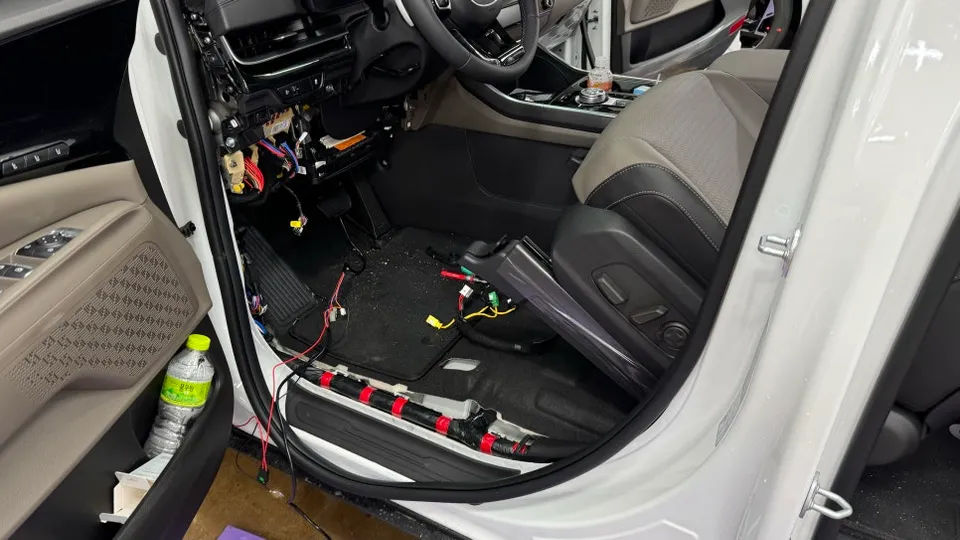
- Wiring and Connection: Running sensor wiring harnesses through the vehicle's interior or undercarriage, connecting them to the control module and power source.
- Side Step Mounting: Aligning side steps with pre-drilled chassis mounting points and securing them with bolts and brackets.
- System Testing: Verifying that all sensors function correctly, providing accurate distance readings and audible alerts, and ensuring side steps are firmly attached.
This meticulous approach ensures that the added features integrate perfectly with the GLC 300's existing systems and aesthetics.
Frequently Asked Questions
Q. How much does a body kit cost for a Mercedes-Benz GLC 300?
The specific cost for side steps and parking sensors on a Mercedes-Benz GLC 300 in Korea was detailed in the original context. Typical US pricing for similar accessory packages can range from $500 to $2000, depending on the brand and complexity.
Q. How long does body kit installation take on a Mercedes-Benz GLC 300?
Installation of side steps and parking sensors typically takes a few hours to a full day, depending on the complexity of the kit and the installer's experience. Regular cleaning of the side steps and ensuring sensor openings are free of debris will help maintain their longevity.
Q. Is a body kit worth it for a Mercedes-Benz GLC 300?
A body kit, particularly one including side steps and parking sensors, is highly beneficial for Mercedes-Benz GLC 300 owners who prioritize improved accessibility and parking safety. The value lies in the enhanced practicality and reduced risk of minor collisions.
Q. How is a body kit installed on a Mercedes-Benz GLC 300?
Installation involves precise drilling into the bumper for sensors and mounting side steps to the vehicle's chassis using existing points. Wiring is then carefully routed and connected to the vehicle's electrical system, followed by thorough testing of all functions.
Q. What is the difference between FRP and polyurethane body kits for a Mercedes-Benz GLC 300?
This review focused on functional accessories like side steps and sensors, not traditional body kits made from materials like FRP or polyurethane. For those materials, polyurethane offers greater flexibility and impact resistance compared to the rigidity of FRP.
Kakao Parts