Mercedes-Benz GLC Wheel Repair Review — Like New Finish
Service Price
$115–150
Estimated price · Actual price may vary by shop
Diamond Cut Wheel Repair vs. Standard Painted Wheels: Understanding the Difference
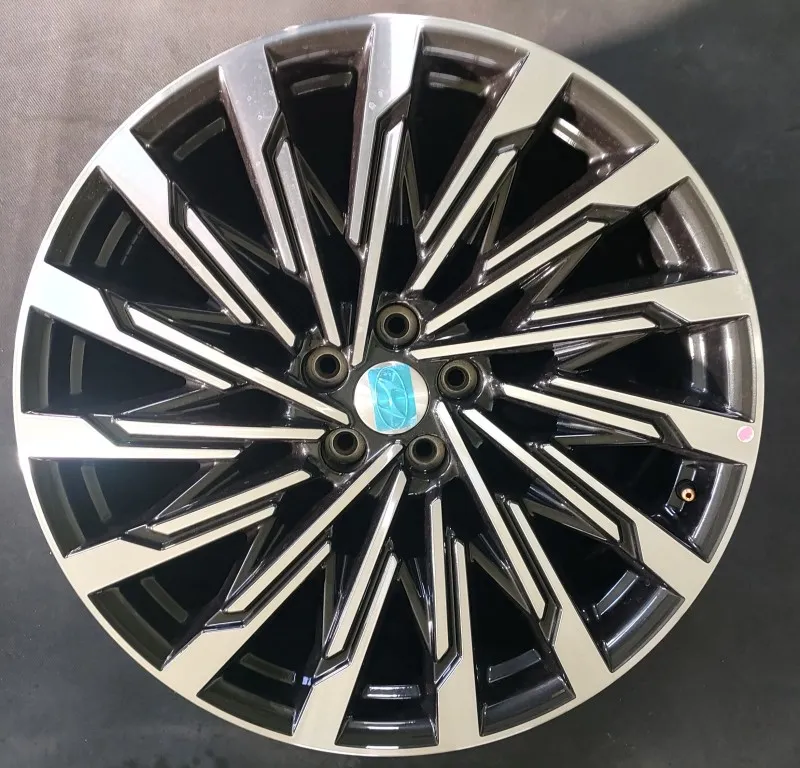
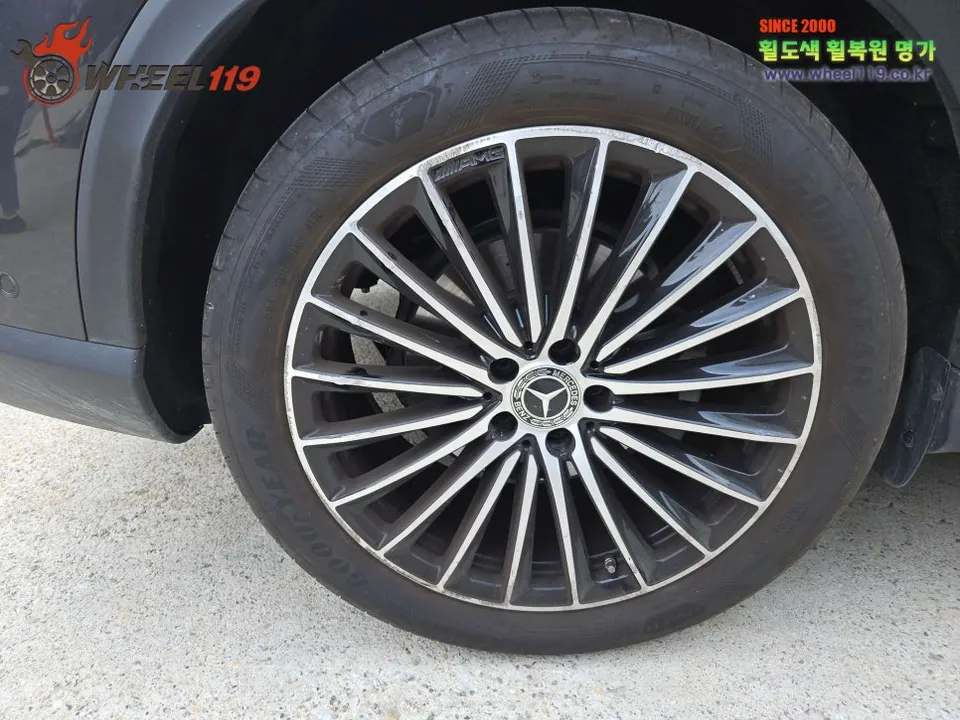
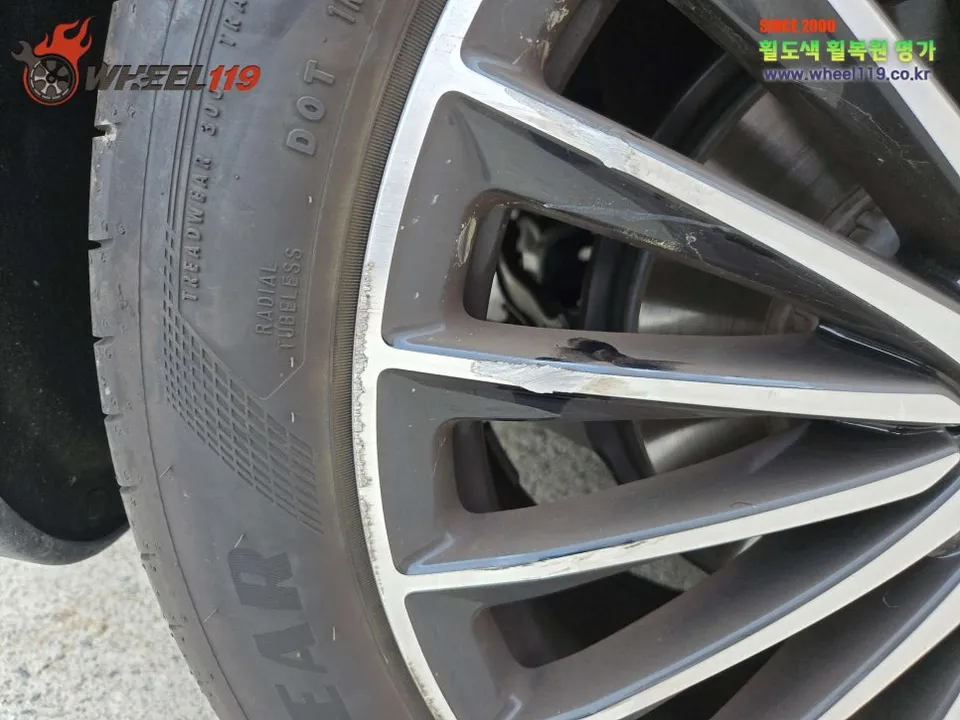
The wheels on a Mercedes-Benz GLC are not just standard painted rims; they feature a sophisticated diamond cut finish. This process involves precisely machining microscopic lines onto the wheel's surface, creating a unique luster and depth. It's named 'diamond cut' due to the intricate, precise nature of the work, akin to cutting a diamond. Unlike standard painted wheels, where minor scratches or scuffs can often be touched up with paint, diamond cut wheels require a much more specialized approach. If damaged, simply painting over the affected area won't restore the original look. The original pattern and depth must be meticulously recreated, making the repair process significantly more complex and demanding higher technical skill.
The quality of a diamond cut wheel repair is heavily dependent on the technician's expertise. While the same machinery might be used, an experienced professional can replicate the wheel's original pattern with remarkable accuracy. In contrast, less experienced technicians may struggle, resulting in misaligned patterns or uneven finishes. This is why choosing a reputable wheel repair specialist is crucial for achieving a factory-like finish.
Restoring Damaged Wheels: The Power of Aluminum Welding
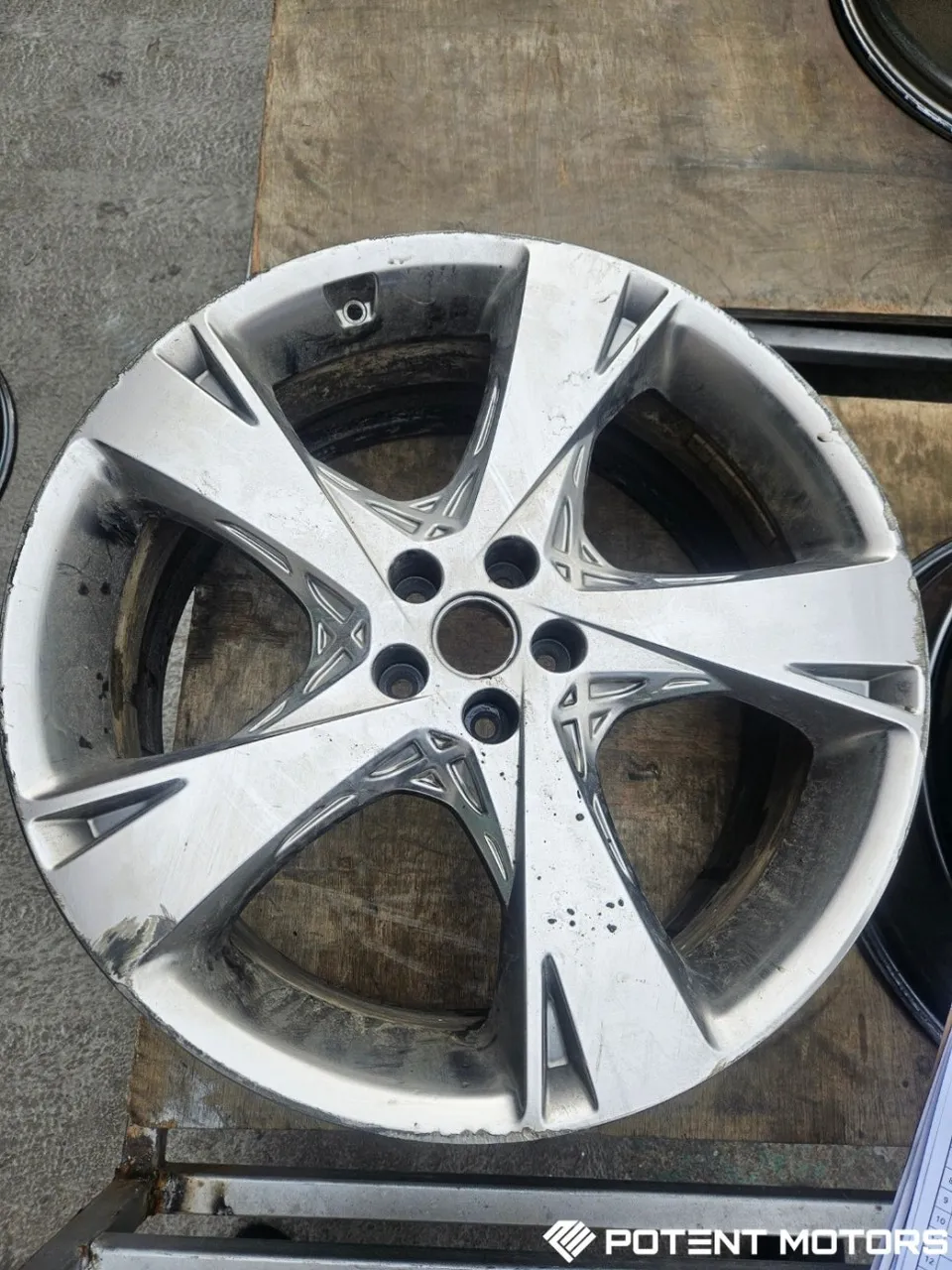
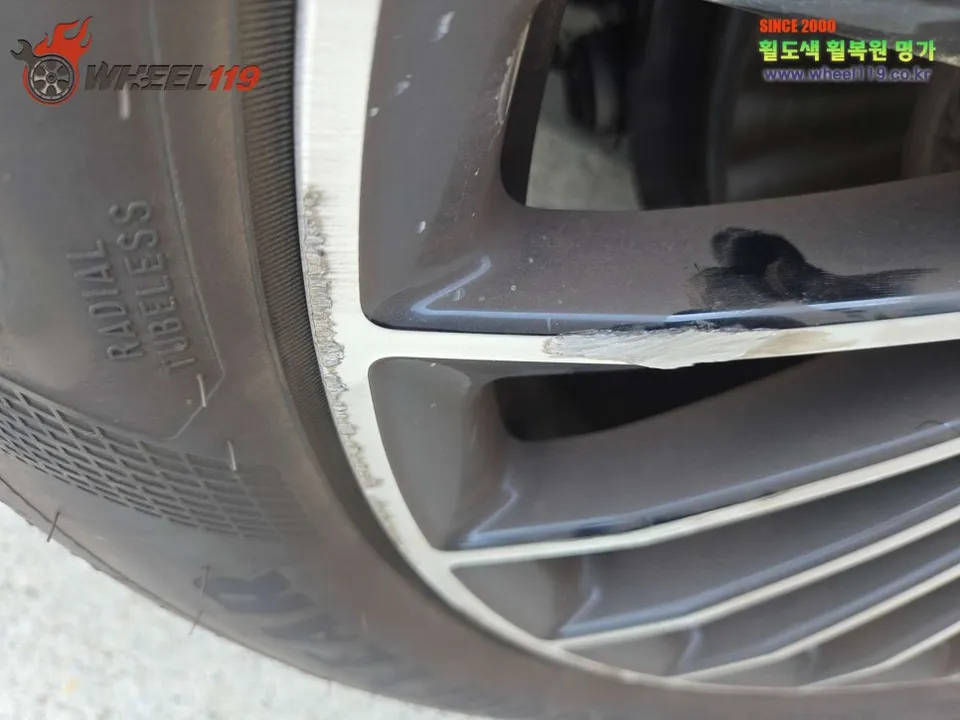
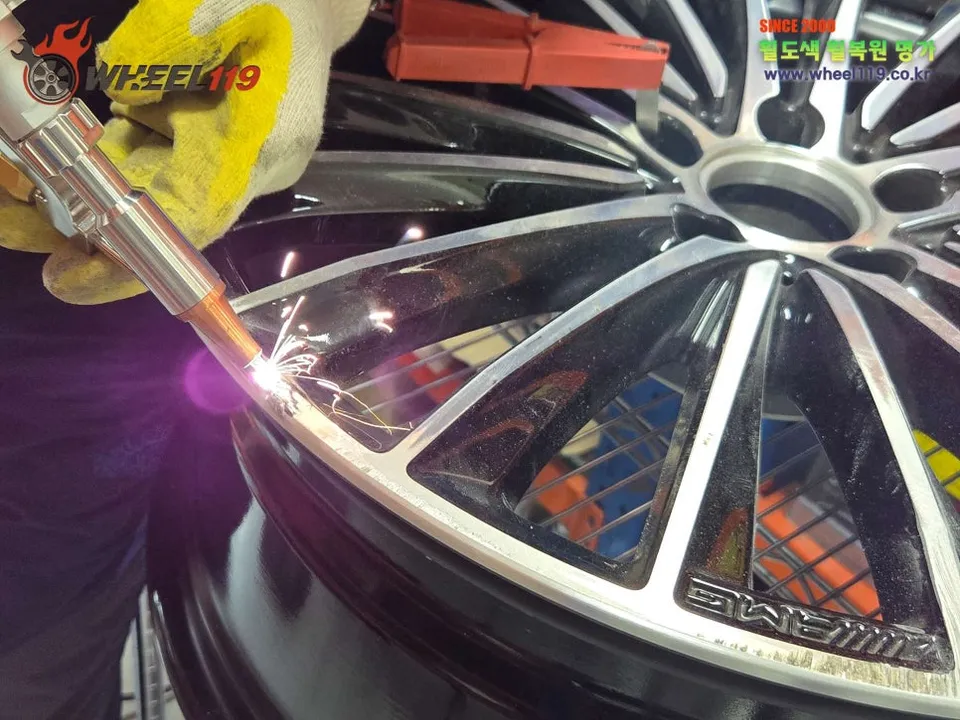
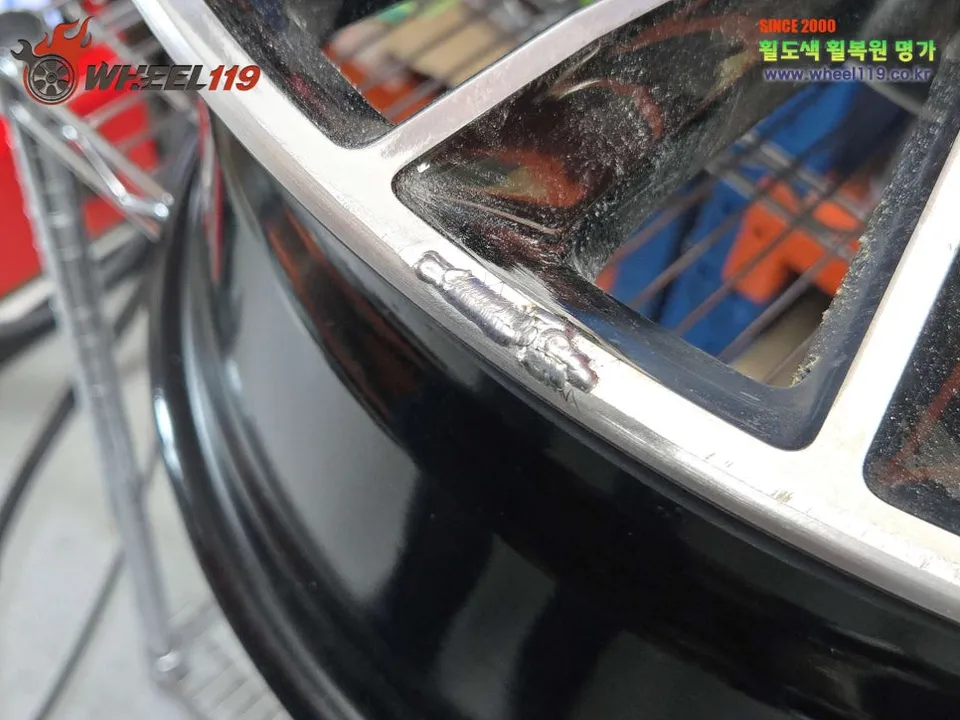
The Mercedes-Benz GLC in this case study suffered from significant curb rash, resulting in dents and deformation on the wheel's surface. The critical first step in repairing such damage is aluminum welding. This process involves carefully welding aluminum into the damaged areas to restore the wheel's original shape and integrity. Once the welding is complete and the material has cooled, the diamond cutting process is then applied to recreate the original finish.
Performing aluminum welding first offers a significant advantage: it minimizes the amount of material that needs to be removed during the subsequent machining process. Grinding away too much of the wheel can compromise its structural strength. By filling the damaged areas with weld, technicians can achieve the necessary repairs while preserving the wheel's integrity and extending its lifespan. Furthermore, this method allows for multiple repairs over the wheel's lifetime, should further damage occur.
The Crucial Final Steps: Clear Coating for a Flawless Finish
After the aluminum welding and diamond cutting stages are completed, the final step is arguably the most critical: clear coating. Without the use of specialized equipment and precise application techniques, the diamond cut pattern's luster can become uneven, or the color may appear inconsistent. This is where the true artistry of wheel restoration shines through.
Applying the clear coat requires more than just a standard spray gun; it demands meticulous control and expertise. Only in a facility equipped with professional-grade painting systems, operated by seasoned technicians, can a smooth, flawless finish that rivals a new wheel be achieved. If this final stage is not executed perfectly, even the most skillful welding and cutting work will result in a subpar final product. The clarity and uniformity of the clear coat are essential for the wheel's aesthetic appeal and long-term protection.
Wheel Repair Process:
- Damage Assessment: Thorough inspection to determine the extent of damage (curb rash, dents, cracks) and the type of wheel finish.
- Aluminum Welding: Filling damaged areas with aluminum to restore the wheel's original shape and structural integrity.
- Diamond Cutting/Machining: Precisely machining the repaired surface to recreate the original diamond cut pattern and finish.
- Clear Coating: Applying a protective clear coat using specialized equipment for a uniform, high-gloss finish.
- Quality Inspection: Final check to ensure the repair meets aesthetic and structural standards.
The entire repair process for the Mercedes-Benz GLC's wheels, encompassing welding, diamond cutting, and clear coating, took approximately 6 to 7 hours. This timeframe allows for same-day service, meaning the vehicle could be ready for pickup within a few hours of being dropped off. The cost for diamond cut wheel repair can vary based on the extent of damage, wheel size, and material. Generally, for standard wheels with minor damage, costs in Korea might range from 300,000 to 500,000 Korean Won per wheel. Moderate damage could increase this to 500,000 to 800,000 Korean Won. For luxury import vehicles like Mercedes-Benz, BMW, or Porsche, which often feature complex diamond cut finishes, the pricing can be higher due to the specialized techniques and materials required.
OhCar Partner Shop