Mercedes-Benz GLC X253 Body Kit Review: Cost & Results
Service Price
$115–150
Estimated price · Actual price may vary by shop
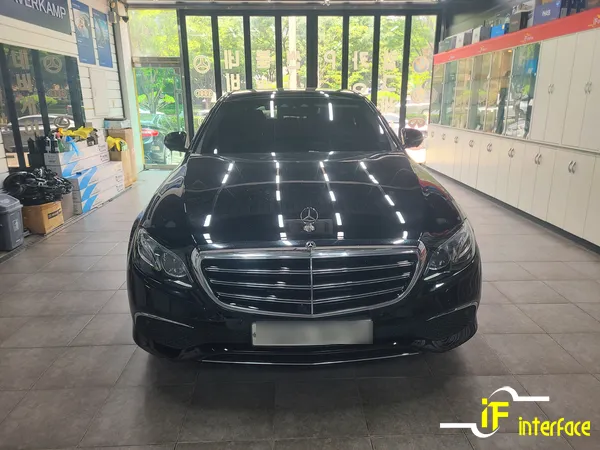
Before
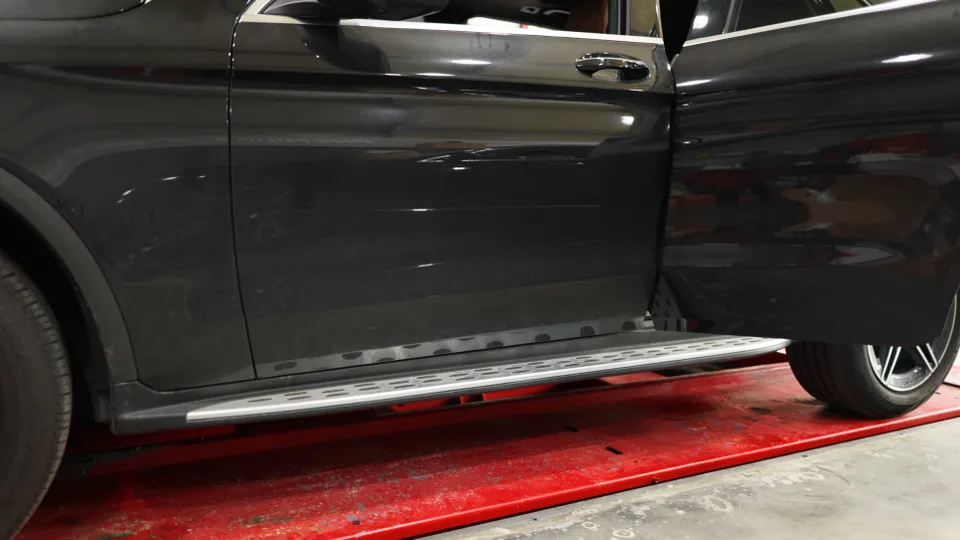
After
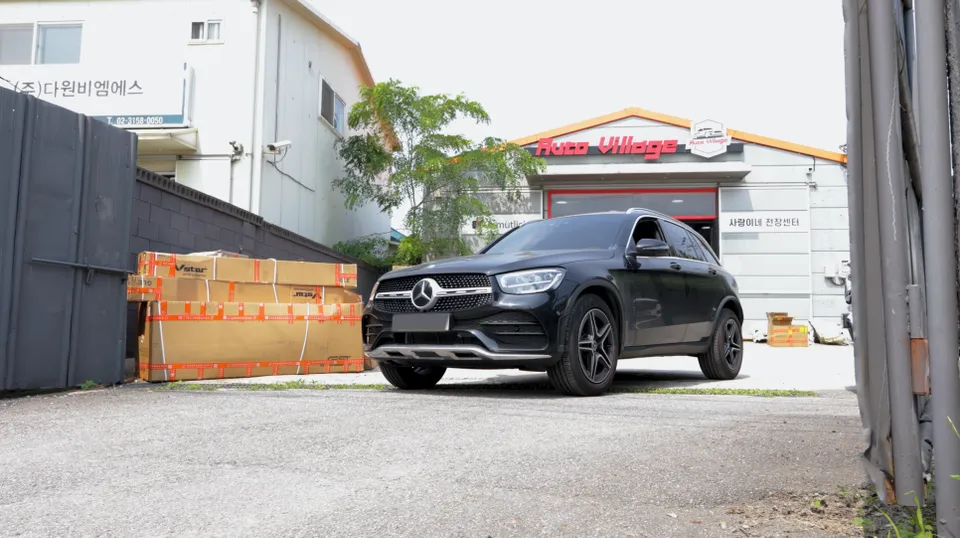
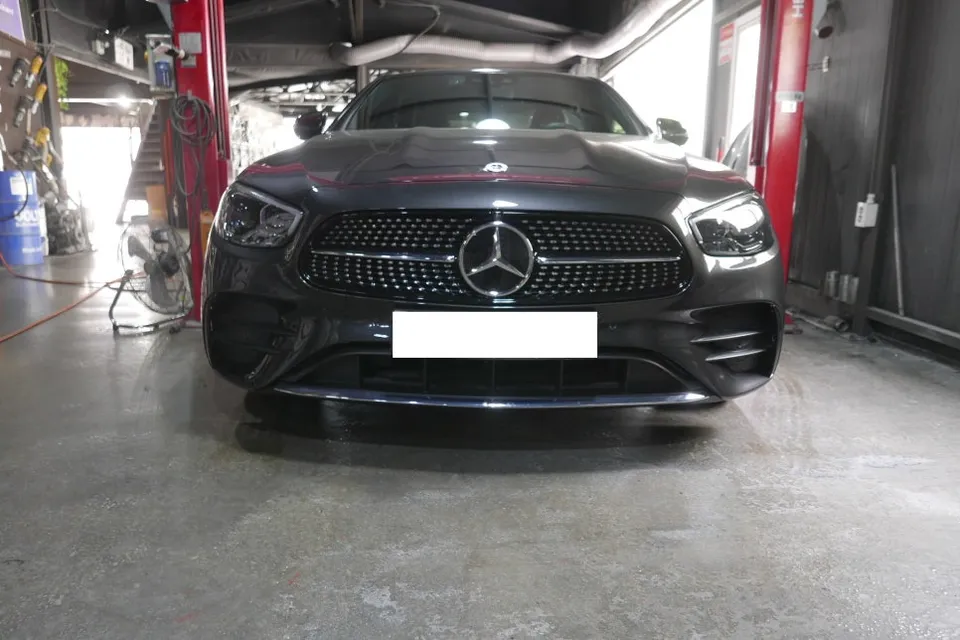
Process photos
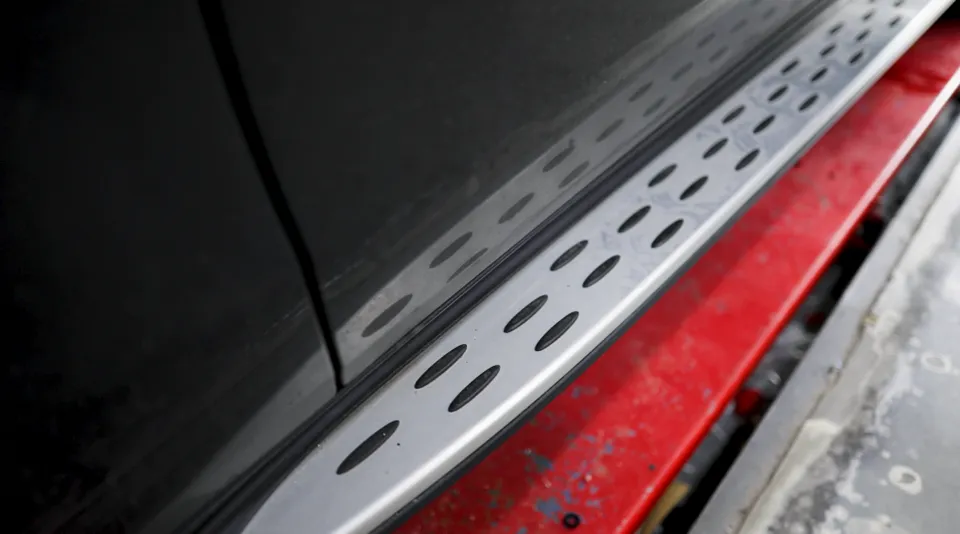
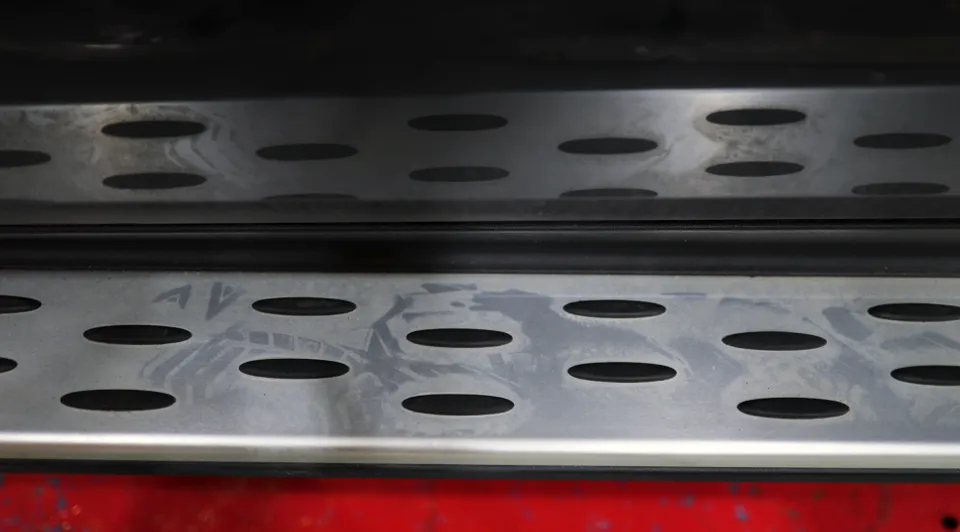
Mercedes-Benz GLC X253 body kit installation: Costs vary widely. Enhances aesthetics for a sportier look. Consider durability and maintenance.
Considering a Body Kit for Your Mercedes-Benz GLC X253?
Many Mercedes-Benz GLC X253 owners find themselves weighing the decision to install a body kit, often referred to as an aero kit. This modification can significantly alter the vehicle's aesthetics, but it's crucial to understand the full picture, including the body kit cost, installation process, and the long-term benefits. This review delves into what you can expect when upgrading your GLC X253 with a body kit, drawing insights from real-world experiences.
The Appeal and Practicality of Body Kits
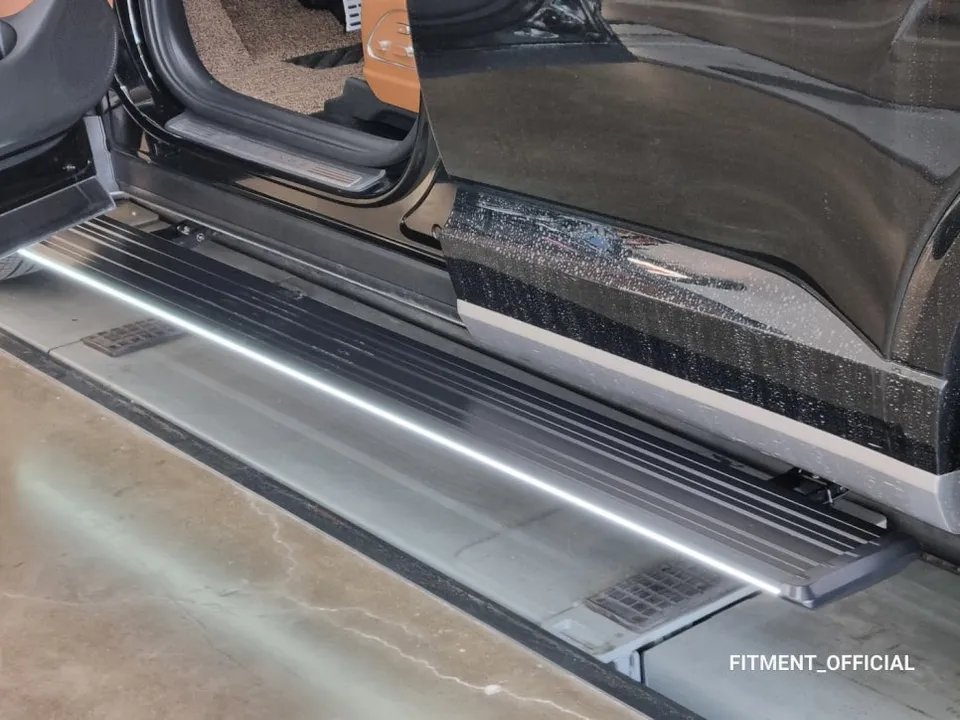
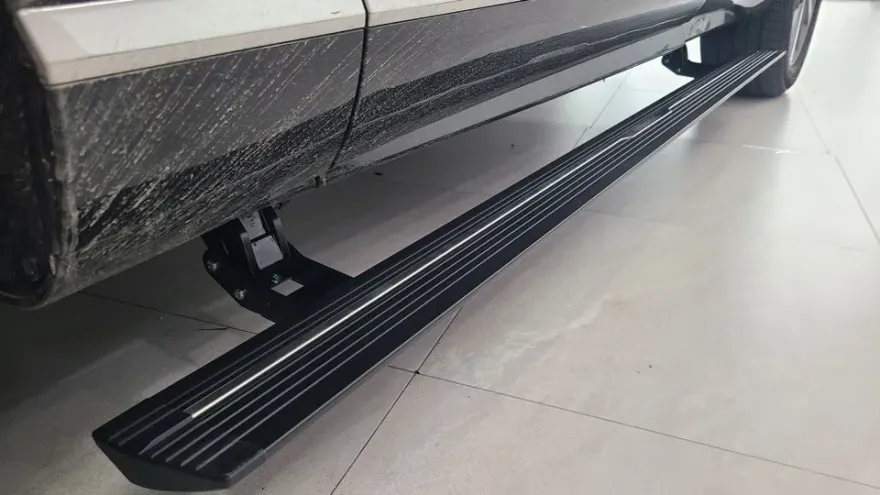
Body kits, or aero kits, are designed to enhance a vehicle's visual appeal, often giving it a sportier, more aggressive stance. For the Mercedes-Benz GLC X253, a body kit can refine its already premium look. However, the decision isn't just about aesthetics. Owners often consider the practicality and maintenance involved. For instance, while some vehicles benefit greatly from side steps for easier ingress and egress, the GLC's moderate ride height means these aren't always a necessity for all drivers. Removing fixed side steps, as seen in a recent modification, can lead to a cleaner, more streamlined look and reduced maintenance. The original Korean context highlights that fixed side steps can be prone to dirt accumulation and require more effort during washing. Replacing them with genuine, model-specific trim pieces offers a seamless integration and eliminates the hassle of cleaning these lower panels. This approach focuses on maintaining the vehicle's original design integrity while achieving a cleaner profile.
Body Kit Installation Process and Results
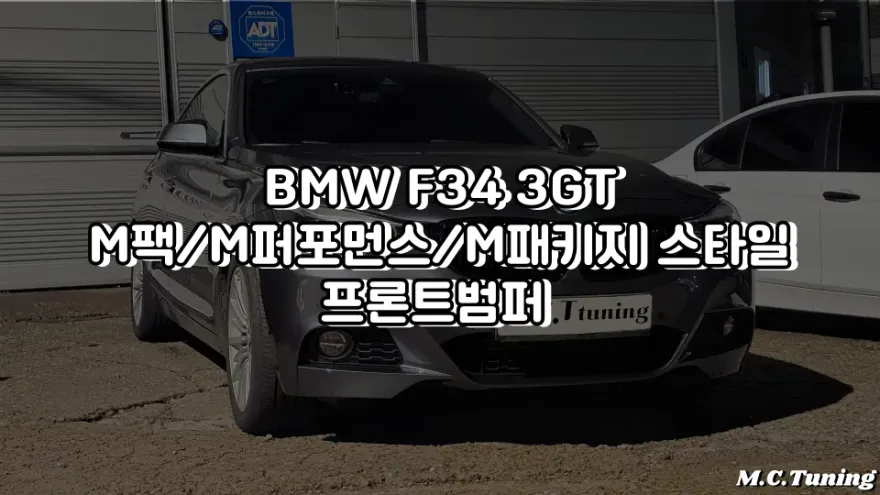
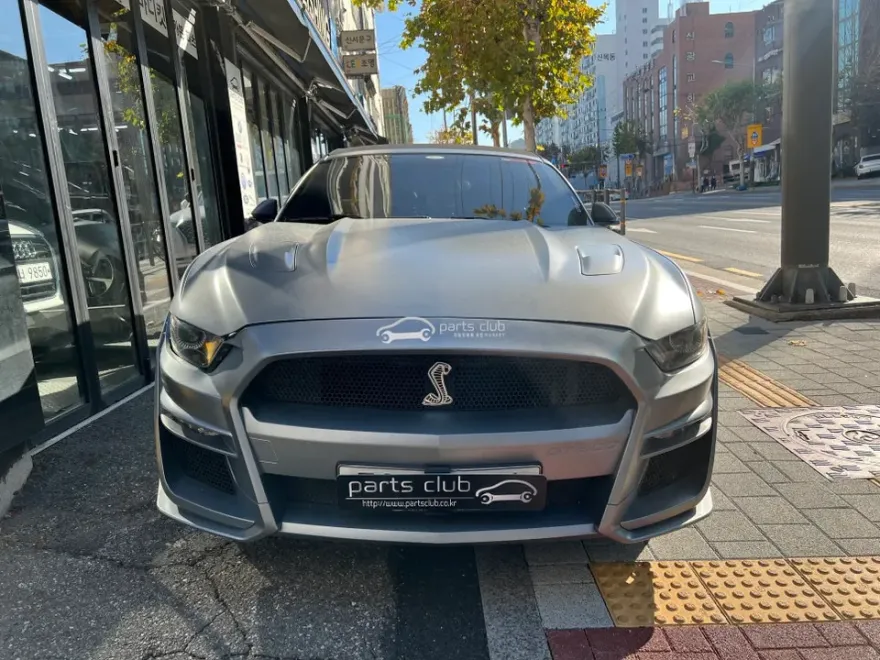
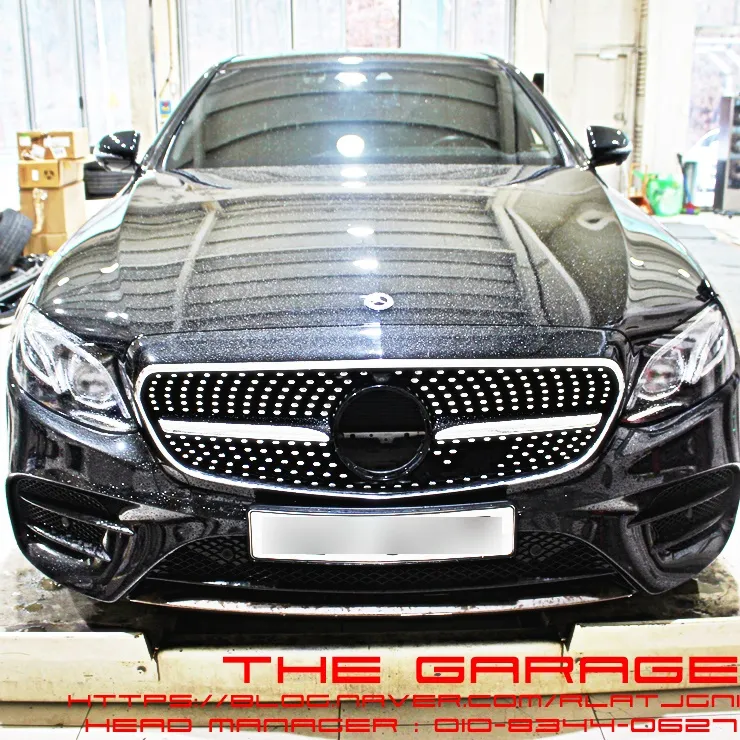
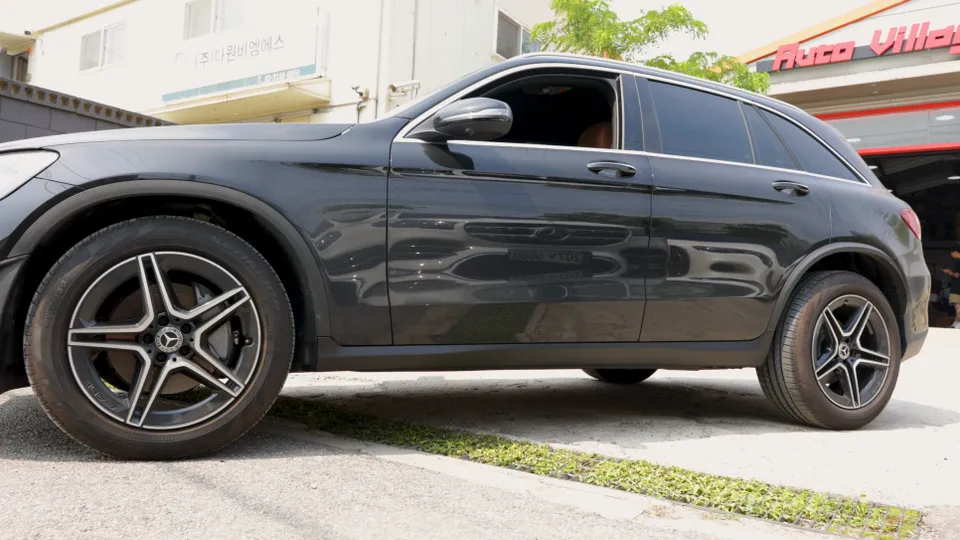
The installation of a body kit on a Mercedes-Benz GLC X253 typically involves several key steps. The process begins with the careful removal of any existing components that will be replaced, such as old side skirts or bumper elements. Precision is key here to avoid damaging the vehicle's paintwork or underlying structure. Following removal, the new body kit components are meticulously fitted. This often involves aligning new front lips, side skirts, and potentially rear diffusers or spoilers. The goal is a perfect integration with the vehicle's existing lines. Genuine parts, like the Mercedes-Benz approved trim pieces mentioned in the original context, ensure a factory-like finish in terms of material, color, and texture. The entire installation can take anywhere from 1 to 2 hours, depending on the complexity of the kit and the specific vehicle's condition. After installation, the visual transformation is often striking. The vehicle appears lower, wider, and more dynamic. The clean lines achieved, especially when opting for integrated trim pieces, contribute to a sophisticated and refined appearance. This not only enhances the car's curb appeal but also simplifies maintenance, as there are fewer intricate areas for dirt and grime to accumulate.
Cost, Durability, and Is It Worth It?
The body kit cost for a Mercedes-Benz GLC X253 can vary widely. While the provided Korean context mentions a cost of approximately 800,000 to 1,500,000 KRW (roughly $600-$1100 USD, depending on exchange rates and specific parts) including parts and labor for a trim replacement, a full body kit installation in the US can range from $115-$150 for basic front lip installation to several thousand dollars for a complete aero kit with professional painting and fitting. The material of the body kit also plays a role; polyurethane kits are generally more durable and flexible than fiberglass (FRP) kits, which can be prone to cracking. Durability is a significant factor. High-quality kits, especially those made from durable plastics or genuine manufacturer parts, can last for many years with proper care. Regular washing and avoiding harsh impacts will prolong their life. Regarding whether a body kit is worth it, it depends on your priorities. If you seek a more aggressive or personalized look for your GLC X253 and are prepared for the associated costs and potential maintenance, then it can be a worthwhile investment. For those who prioritize a cleaner, simpler aesthetic and easier maintenance, focusing on genuine trim pieces might be a better option. The decision hinges on your personal style and how you use your vehicle.
Frequently Asked Questions
Q. How much does a body kit cost for a Mercedes-Benz GLC X253?
The cost for a body kit on a Mercedes-Benz GLC X253 can range significantly, from around $115-$150 for a basic front lip installation to several thousand dollars for a full kit. The specific price depends on the kit's complexity, material, and whether professional painting and installation are included.
Q. How long does body kit installation take on a Mercedes-Benz GLC X253?
Installation time for a body kit on a Mercedes-Benz GLC X253 typically ranges from 1 to 2 hours for simpler modifications like trim replacement. More complex full body kit installations, including painting and fitting multiple components, can take several days.
Q. Is a body kit worth it for a Mercedes-Benz GLC X253?
A body kit can be worth it for a Mercedes-Benz GLC X253 if you desire a more aggressive or personalized aesthetic and are prepared for the investment. It's a great value for owners seeking to significantly enhance their vehicle's visual appeal.
Q. How is a body kit installed on a Mercedes-Benz GLC X253?
Body kit installation on a Mercedes-Benz GLC X253 involves carefully removing existing parts, precisely fitting new components like front lips and side skirts, and securing them for a seamless look. Professional installation ensures proper alignment and finish.
Q. What is the difference between FRP and polyurethane body kits for a Mercedes-Benz GLC X253?
Polyurethane body kits are generally more flexible and impact-resistant than FRP (fiber-reinforced plastic) kits, making them more durable for daily driving. For longevity and resilience against minor bumps, polyurethane is often the preferred choice.
OhCar Partner Shop