Mercedes-Benz GLC300 Wheel Repair Review — Deep Curb Rash Fixed
Service Price
$150+
Estimated price · Actual price may vary by shop

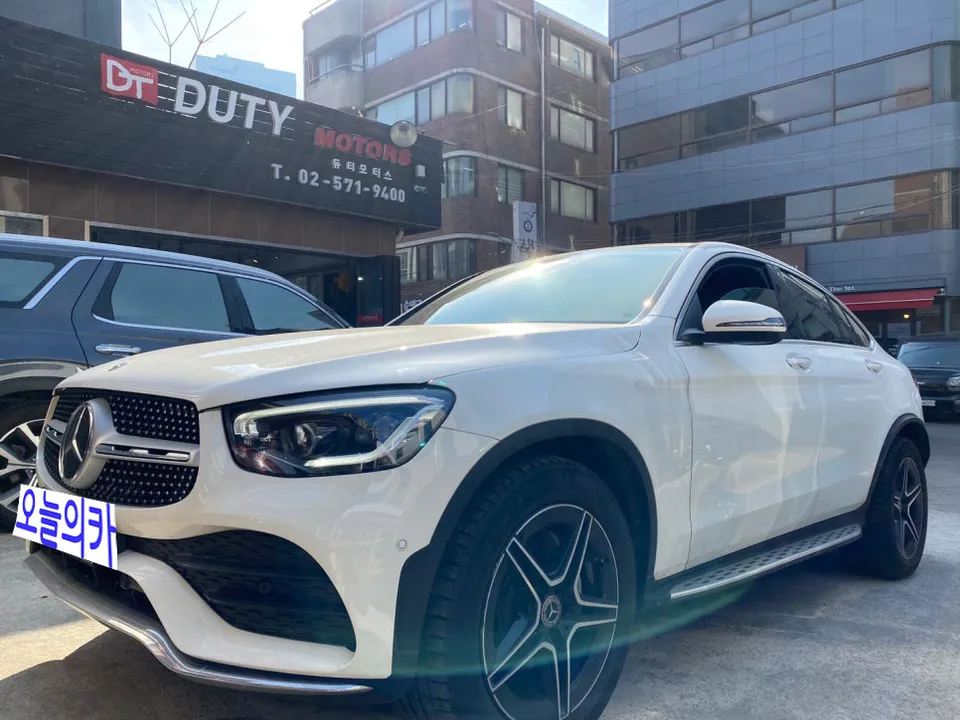
Wheel repair on Mercedes-Benz GLC300 C253: Deep curb rash fully restored through complete disassembly, sanding, refinishing, and clear coating.
Restoring Your Mercedes-Benz GLC300 Wheels: A Deep Dive into Professional Rim Repair
Hello from Today's Car!
Scratches from parking mishaps or curb impacts can be a major source of stress for car owners, especially those driving luxury imports like a Mercedes-Benz. In this detailed review, we'll walk you through the professional wheel repair and refinishing process for a Mercedes-Benz GLC300 C253. Based on a real-world case from Seoul's Jungnang-gu district, this guide will cover everything from assessing damage to achieving a factory-fresh finish, offering valuable insights for anyone facing similar wheel damage.
Vehicle: Mercedes-Benz GLC300 C253 (Coupe)
Service: Wheel Repair & Refinishing (Powder Coating) + Clear Coat Application
Damage: Deep scratches and rim edge damage from curb contact.
Process: Full disassembly → Sanding → Polishing → Heat Treatment → Painting → Clear Coating → Balancing.
Duration: Approximately 5-7 days (including drying and curing time).
Location: Today's Car, Jungnang-gu Branch.
Beyond a Simple Paint Job: The Necessity of True Wheel Repair
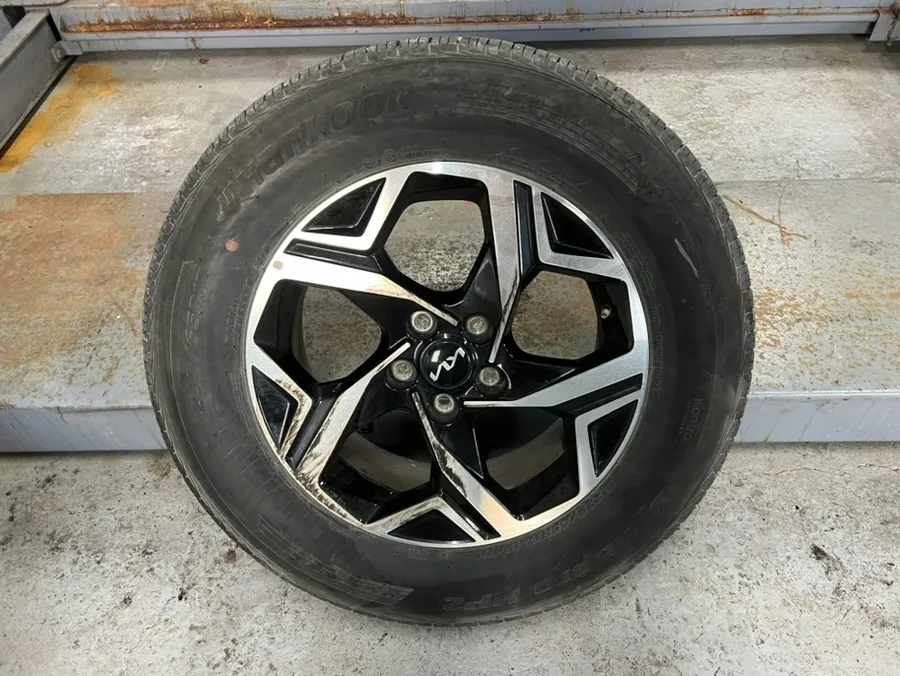
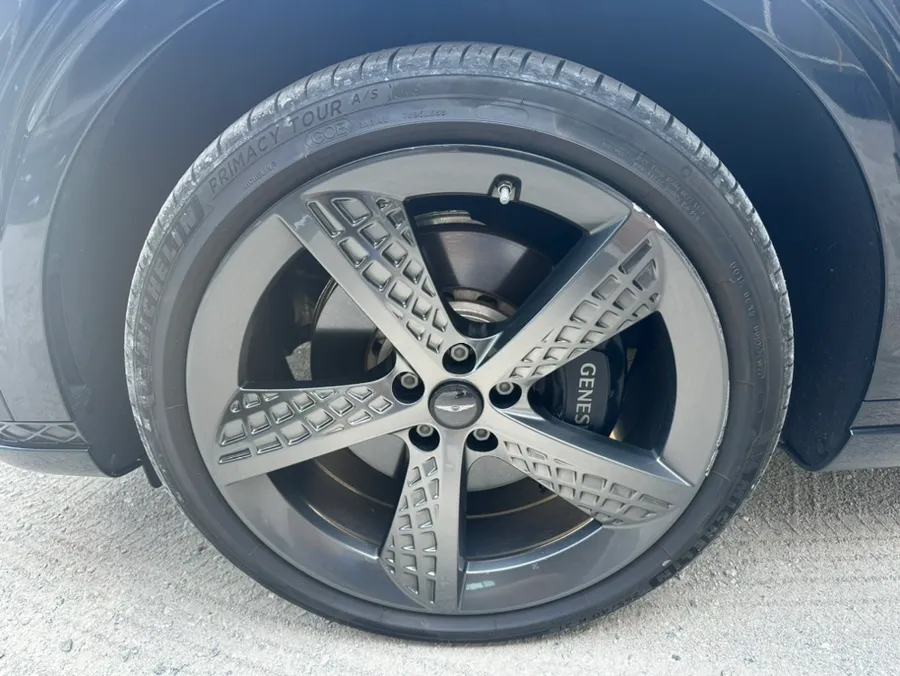
When wheels get scratched, the initial thought for many is a quick paint touch-up. However, this approach is often insufficient for genuine wheel repair. The underlying reasons are critical: Firstly, exposed aluminum from scratches is porous and won't accept paint adhesion properly, leading to premature peeling. Secondly, deep gouges cannot be filled effectively with standard paint; attempting to do so results in an uneven, unsightly finish, much like painting a bumpy wall. This was precisely the challenge with the Mercedes-Benz GLC300. The owner had visited multiple shops, but most could only offer a partial restoration, stating that a factory-level finish was unlikely. This highlights that professional rim repair is not merely painting but a meticulous mechanical and refinishing process.
[IMAGE_1]
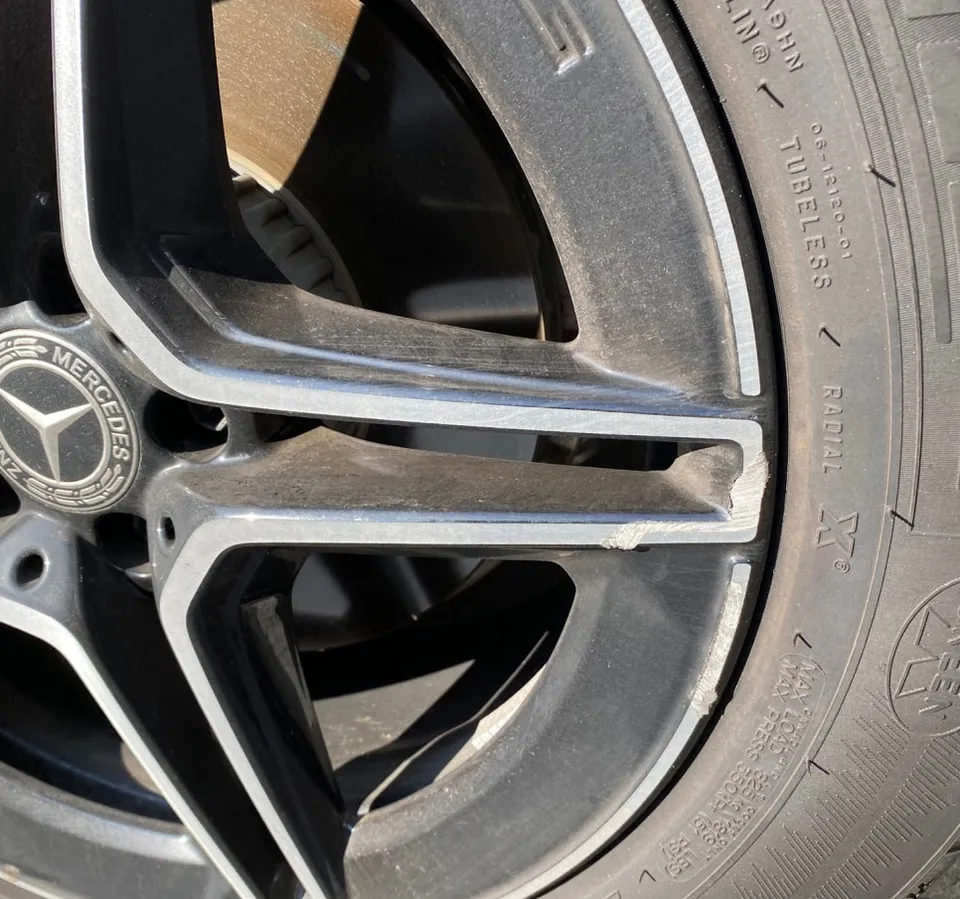
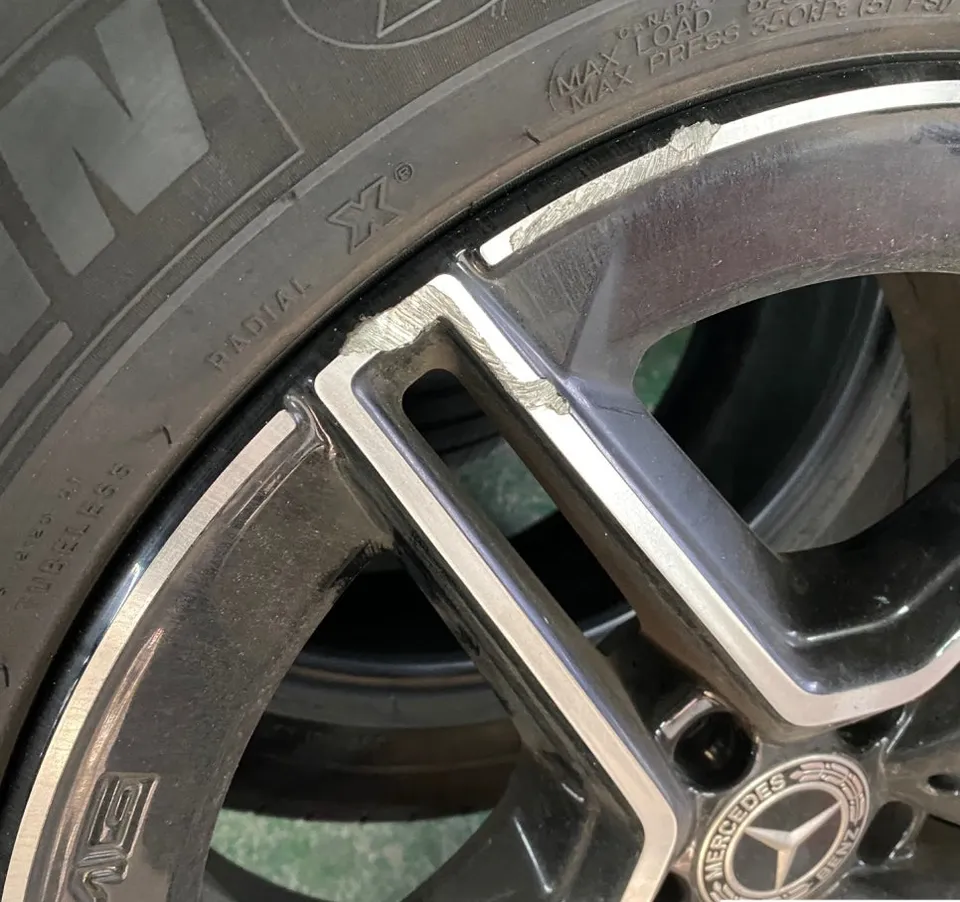
Assessing the Damage: A Closer Look at the GLC300's Wheels
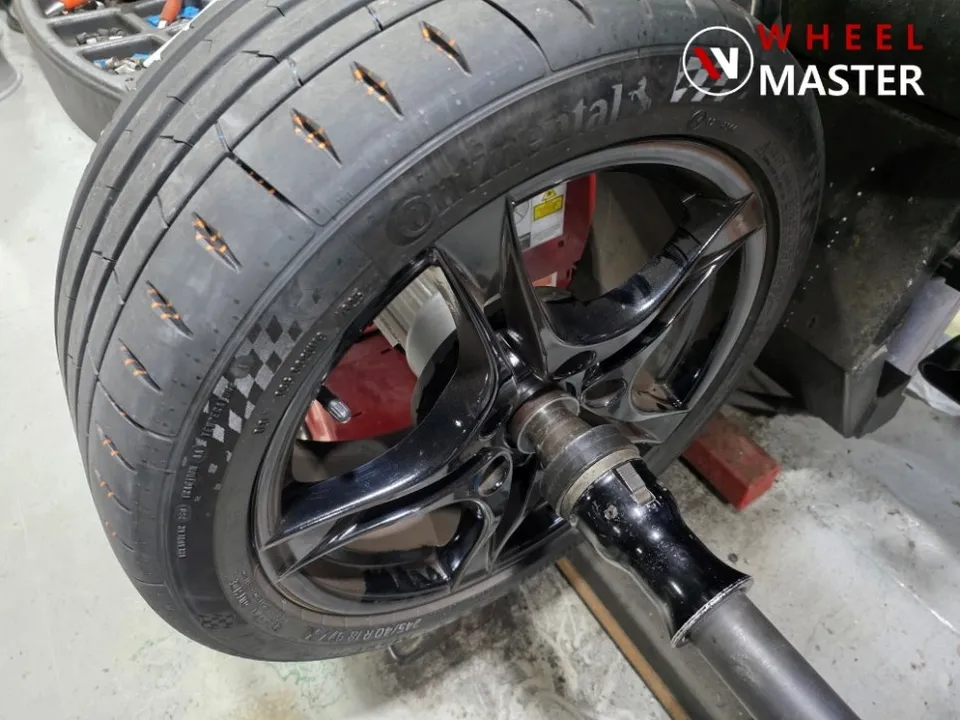
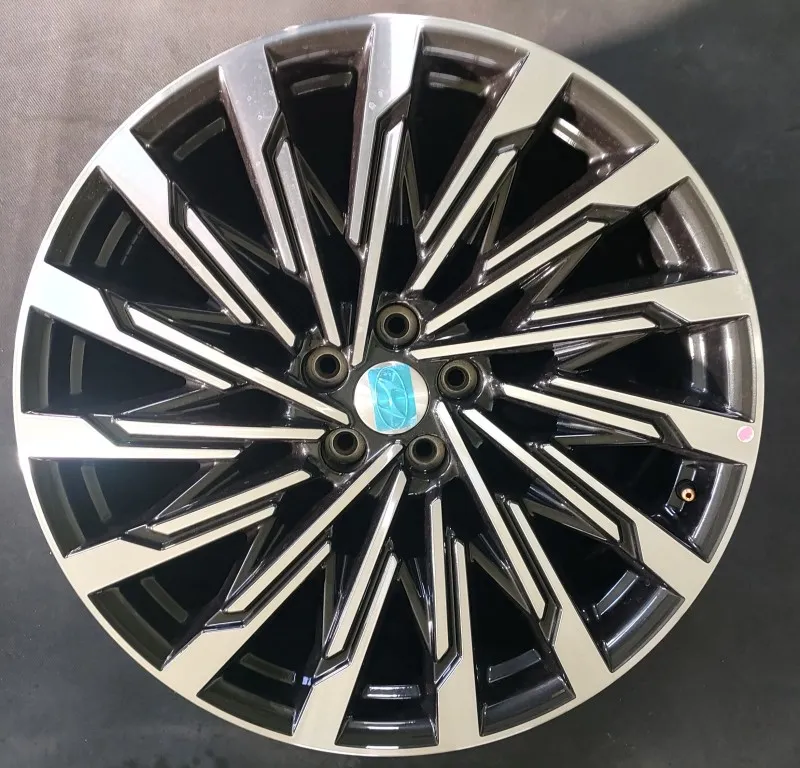
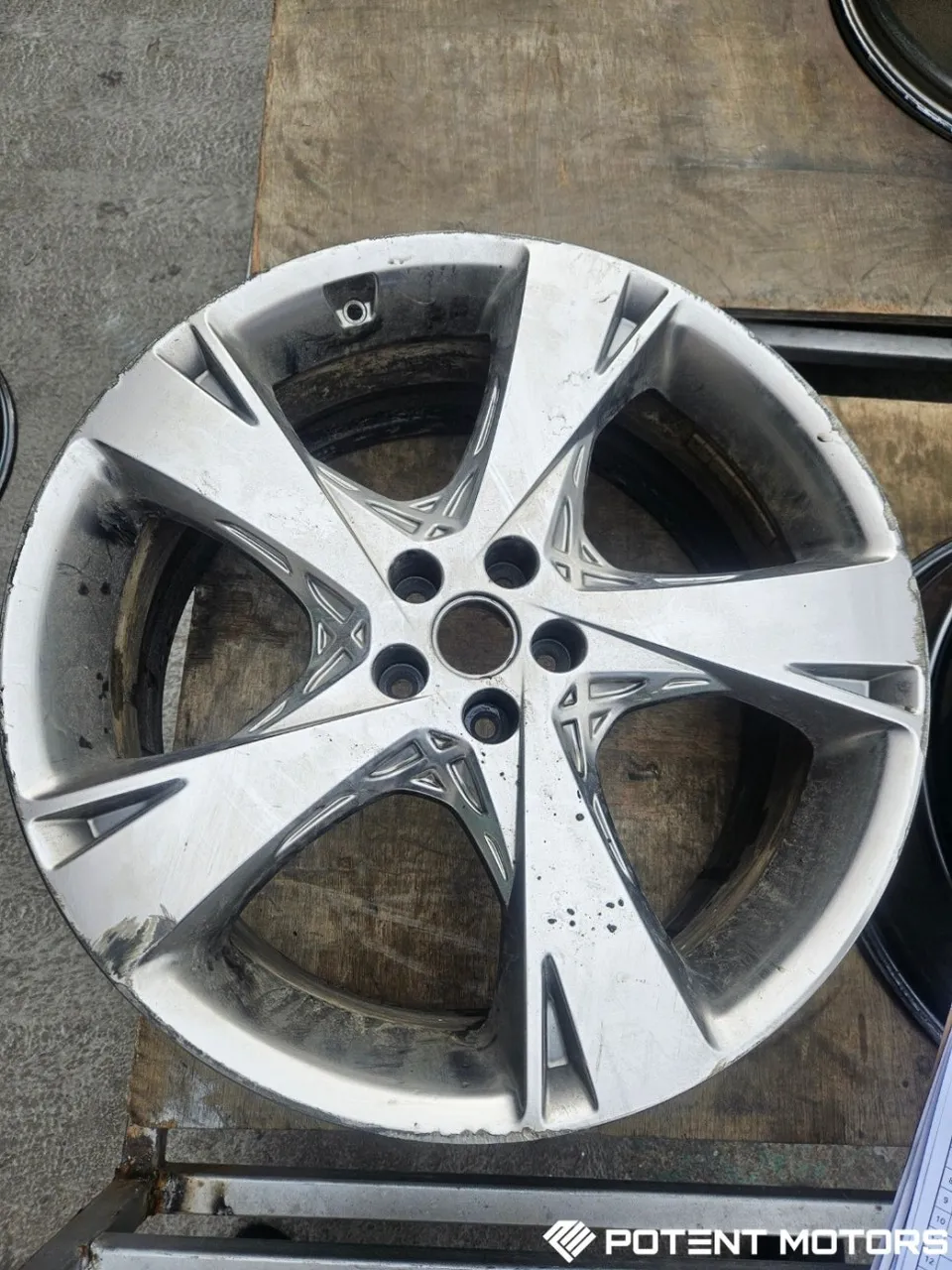
Before any work begins, a thorough inspection is paramount. This is crucial for identifying not only visible damage but also potential hidden issues like cracks or structural deformation. Overlooking these can lead to recurring problems post-repair. In this specific case, the damage to the wheel rim was significant, with deep abrasions and widespread scratching. Fortunately, there was no evidence of bending or cracking, which indicated that a full, high-quality restoration was achievable. Upon closer examination, the depth of the damage was evident. This level of abrasion ruled out simple polishing or light sanding; a comprehensive sanding process was the necessary starting point.
[IMAGE_2]
[IMAGE_3]
The Core of Wheel Restoration: Sanding vs. Polishing
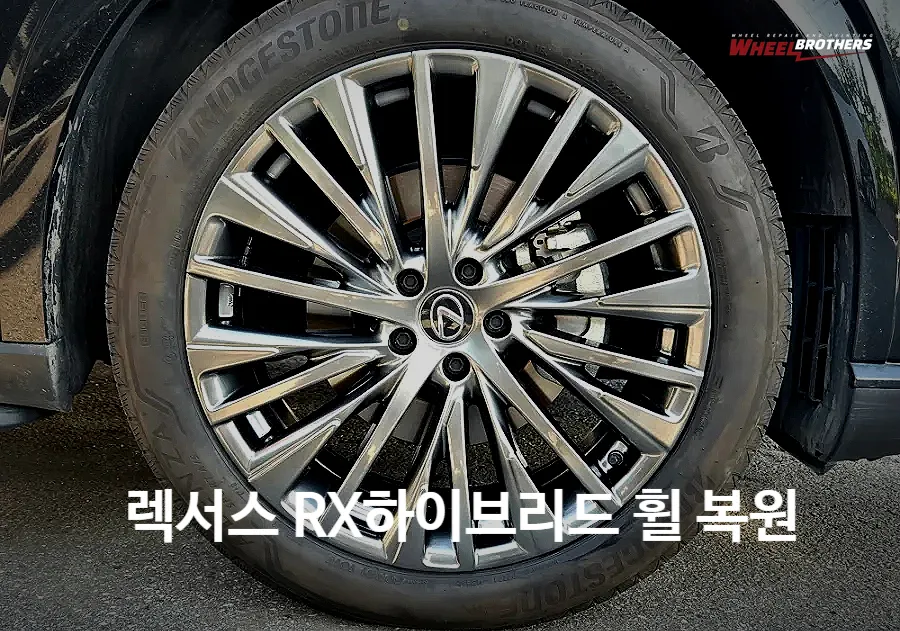
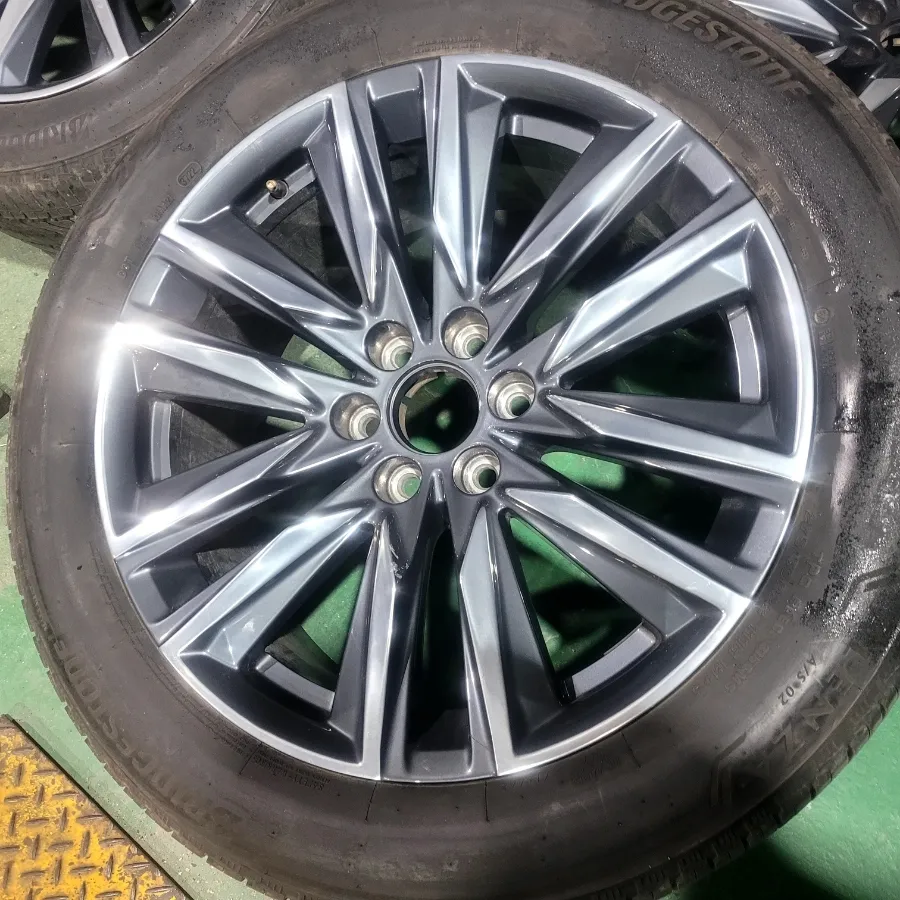
Let's break down the essential stages of the restoration process. Many people confuse 'sanding' and 'polishing,' but they are distinct operations. Sanding involves using abrasive materials (like sandpaper) to remove damaged material and create a smooth, level surface. It's akin to preparing a wooden table by removing imperfections. This step ensures the entire damaged area, and its surroundings, are uniformly prepped. Polishing, on the other hand, is a finer process performed after sanding. It uses very fine abrasives to eliminate microscopic scratches left by the initial sanding, creating a perfectly smooth finish ready for paint application. This meticulous preparation is key to achieving a flawless final look.
[IMAGE_4]
The Refinishing Process: From Bare Metal to Brilliant Shine
Following the critical sanding and polishing stages, the wheels are meticulously cleaned to remove all dust and contaminants. Then, the refinishing process begins. This involves applying specialized primers, base coats, and top coats. For this Mercedes-Benz GLC300, a high-quality powder coating was applied. Powder coating offers superior durability and a more uniform finish compared to traditional liquid paint, making it ideal for wheels that endure significant stress. After the color coat, a protective clear coat is applied to enhance gloss and shield against environmental damage. Finally, after a thorough curing process, the wheels undergo balancing to ensure they spin true on the vehicle, completing the comprehensive wheel repair and refinishing service.
How it works:
- Damage Assessment & Disassembly: Thorough inspection for all types of damage, followed by complete wheel disassembly.
- Surface Preparation: Aggressive sanding to remove deep scratches and curb damage, followed by fine polishing for a smooth finish.
- Coating Application: Application of primer, base color coat (powder coating in this case), and a protective clear coat.
- Curing & Finishing: Heat treatment for proper curing of coatings, followed by wheel balancing.
The result? Wheels that look indistinguishable from new, restoring the Mercedes-Benz GLC300's premium aesthetic. This level of rim repair ensures not only visual appeal but also the structural integrity and safety of the wheels.
Maintaining Your Refinished Wheels
To keep your newly restored wheels looking their best, regular cleaning with pH-neutral wheel cleaners is recommended. Avoid harsh chemicals or abrasive scrubbing pads, which can damage the new finish. Promptly addressing any new minor chips or scratches can prevent them from worsening. Proper maintenance ensures the longevity of your investment in professional wheel repair.
Frequently Asked Questions
Q. How much does wheel repair cost for a Mercedes-Benz GLC300 C253?
This Seoul review shows professional wheel restoration (disassembly, refinishing, clear coat) typically costs $400–$700 per wheel depending on damage depth. US pricing generally ranges $350–$850 per wheel for similar luxury vehicle restoration.
Q. Can curb rash be fully repaired on Mercedes-Benz GLC300 C253 wheels?
Yes, deep curb damage can be fully restored through professional refinishing when the rim structure remains intact, as demonstrated in this case. Properly applied clear coat protection ensures durability for 2–3 years; avoid harsh wheel cleaners and maintain regular inspection for minor touch-ups.
Q. Is wheel repair or replacement cheaper for a Mercedes-Benz GLC300 C253?
Repair is significantly cheaper—typically 50–70% less than replacement—making it ideal for curb rash that doesn't affect structural integrity. Luxury vehicle owners benefit most, as genuine Mercedes-Benz GLC300 wheels cost $600–$1,200+ per unit.
Today's Car