Mercedes-Benz GLS 580 PPF Review: Rock Chip Protection
Service Price
$150+
Estimated price · Actual price may vary by shop
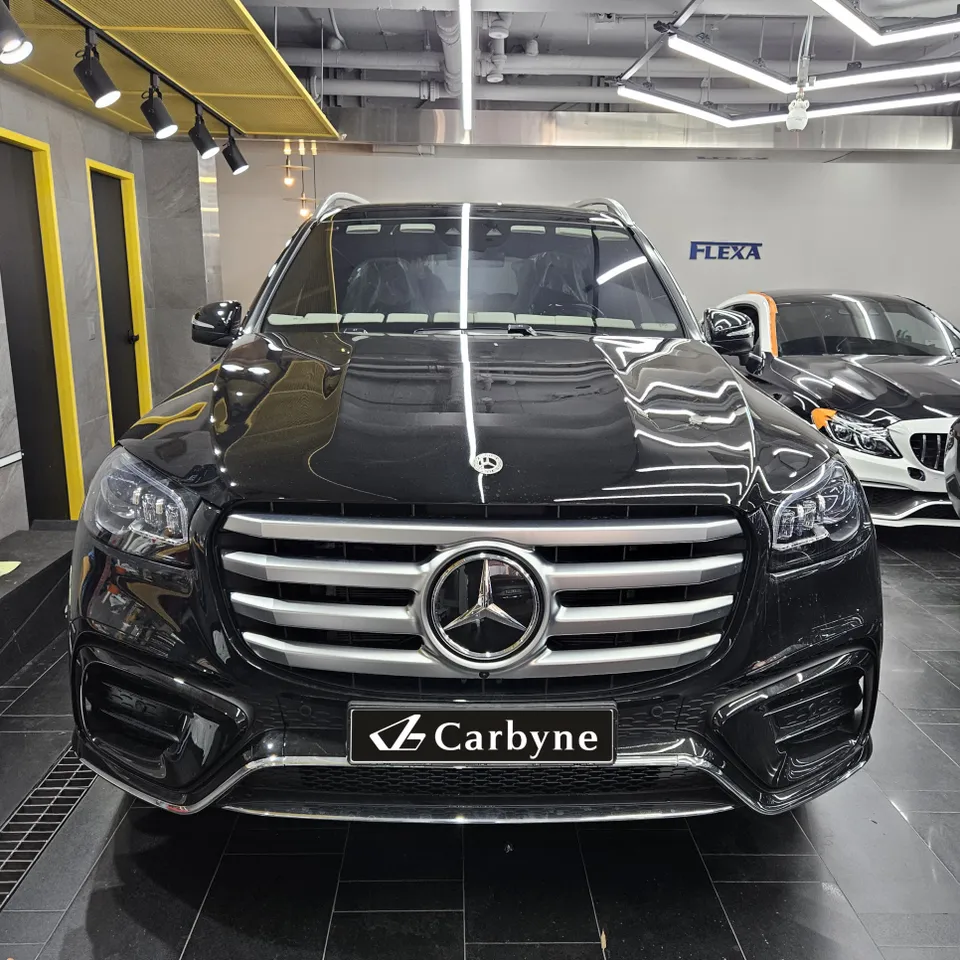
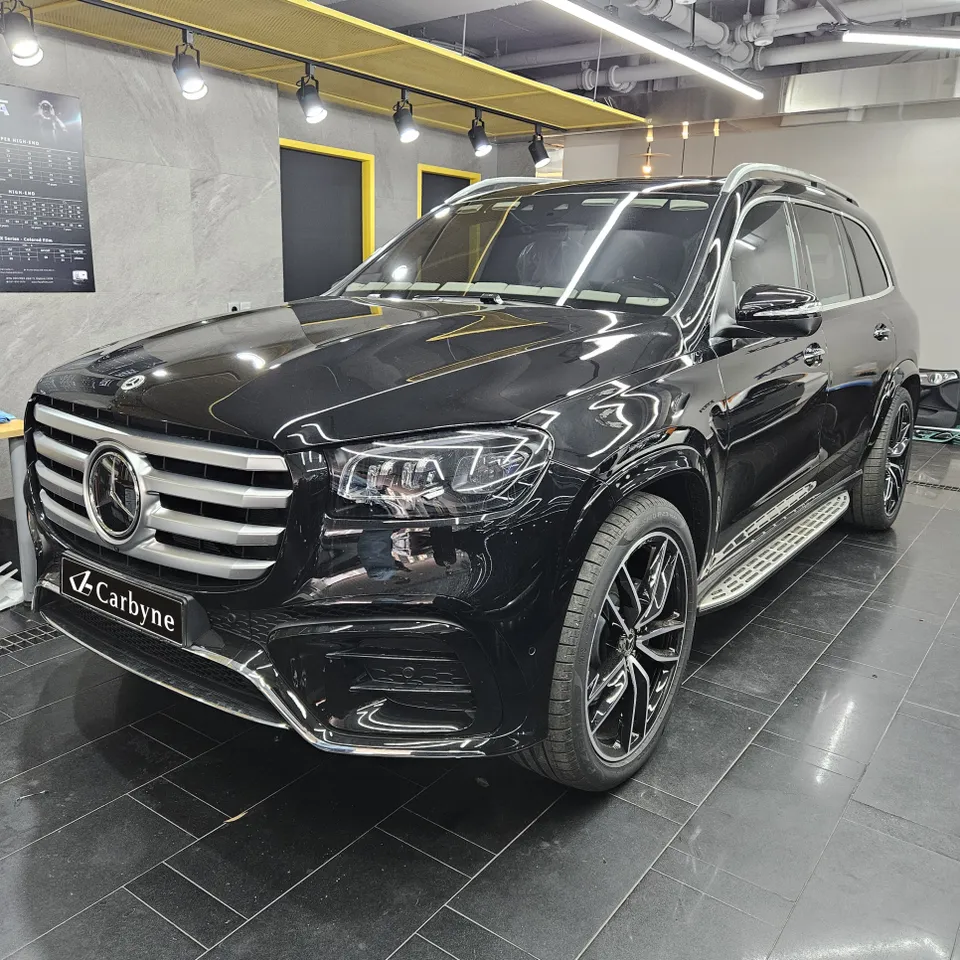
Mercedes-Benz GLS 580 full PPF installation in Hwaseong, Korea. Protects against rock chips and scratches. Cost varies, full wrap typically $3000+ USD
Protecting Your Mercedes-Benz GLS 580 with Paint Protection Film
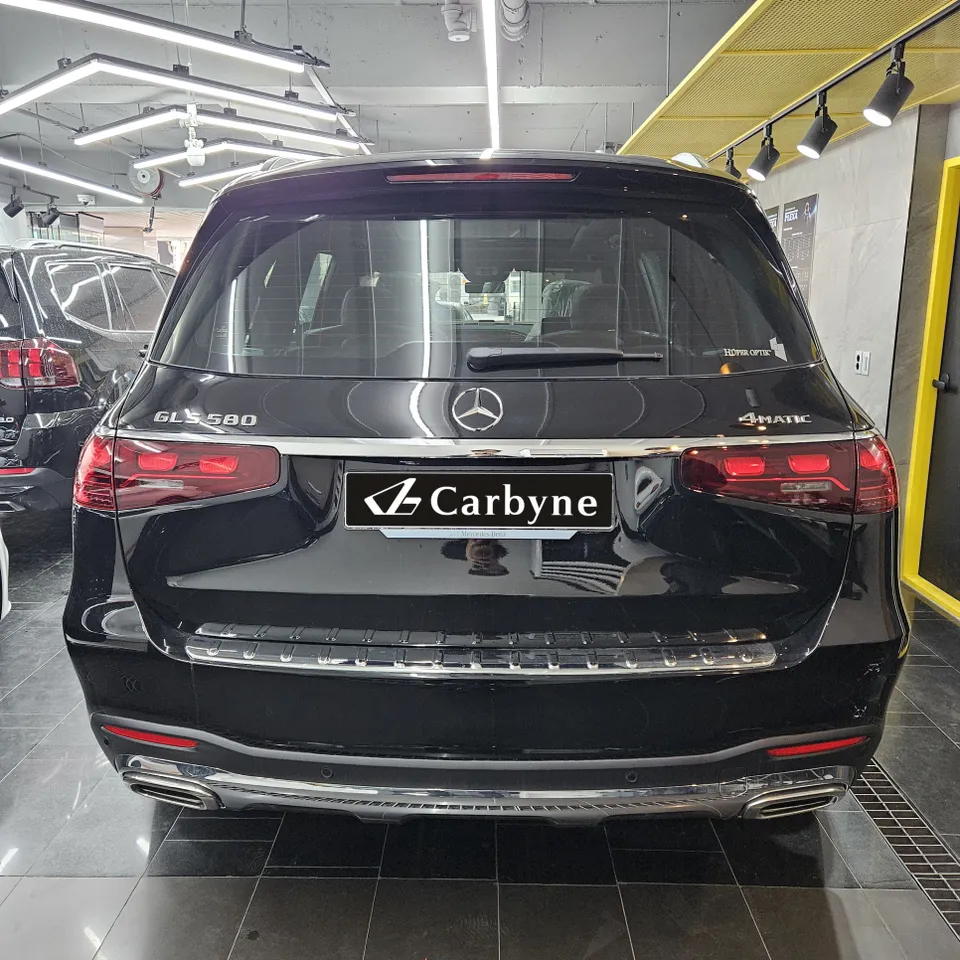
For owners of luxury vehicles like the Mercedes-Benz GLS 580, preserving the pristine condition of the paintwork is paramount. Damage to the exterior not only detracts from the vehicle's aesthetic appeal but can also significantly impact its resale value. This review details a comprehensive Paint Protection Film (PPF) installation on a GLS 580, focusing on how this service addresses common concerns like rock chip protection and overall paint durability. The work was performed at a specialist facility in Hwaseong, South Korea, catering to owners of high-end imported cars.
Black paint, while elegant, has a tendency to highlight every minor scratch and swirl, making it a challenging color to maintain. Owners often express frustration with the visibility of even the slightest imperfections. Full PPF application aims to provide a robust solution, creating a protective barrier against the elements and daily driving hazards.
The PPF Installation Process for a New GLS 580
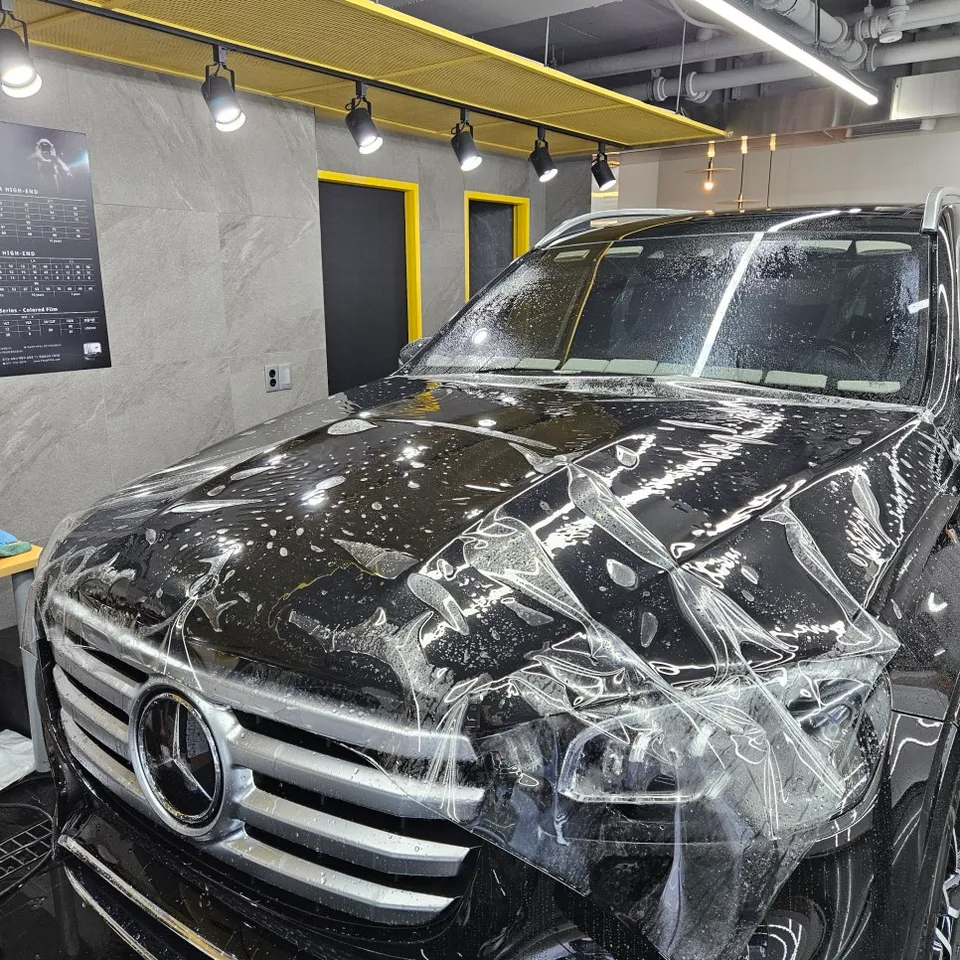
The Mercedes-Benz GLS 580, a flagship large SUV known for its performance and design, arrived at the detailing shop immediately after delivery. The process began with a meticulous inspection of the vehicle's condition. Following this, a thorough wash and degreasing were essential to ensure the PPF adheres perfectly to the paint surface. Proper preparation is critical for the film's longevity and appearance.
The hood, being one of the largest and most exposed panels, requires particular attention. During this stage, the installers focused on preventing any debris from getting trapped under the film and ensuring a smooth, wrinkle-free application. Precision during this initial phase is key to avoiding future issues and ensuring a flawless finish. The facility emphasizes the importance of this foundational work.
Detailed Protection for the Front Bumper and Headlights
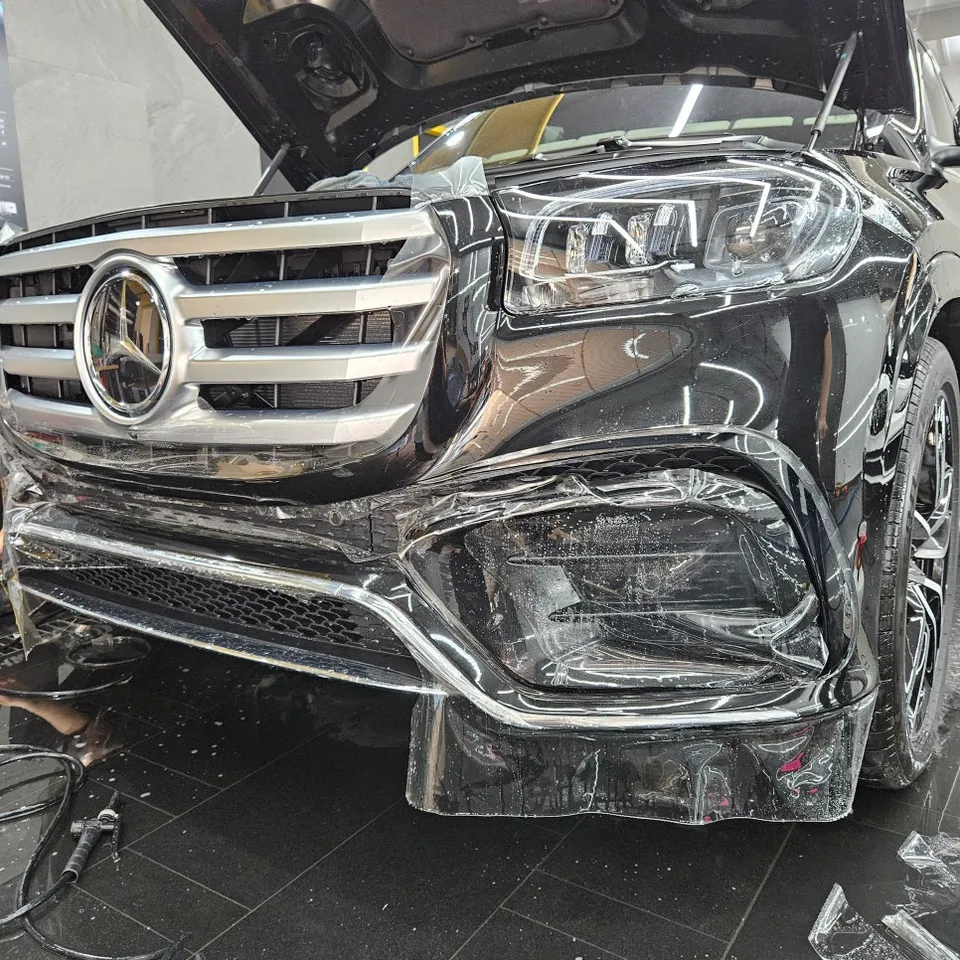
The front bumper is highly susceptible to damage from road debris, commonly known as stone chips. Areas just below the headlights, in particular, experience concentrated impacts due to airflow. To combat this, the installers used generously sized pieces of PPF, carefully overlapped to provide comprehensive coverage and prevent damage at the source.
Even the lower sections of the bumper were meticulously covered. The film was precisely cut and applied, extending protection beyond just the visible surfaces to encompass all areas at risk of damage during driving. This professional approach ensures long-term defense for the vehicle's front end.
Seamless Application on Fenders, A-Pillars, and Rear Quarters
Front fenders are also vulnerable to side impacts and road debris. The installation paid close attention to the edges, including the area near the wheel arches, to maintain both aesthetic integrity and maximum protection. The goal was a clean, integrated look.
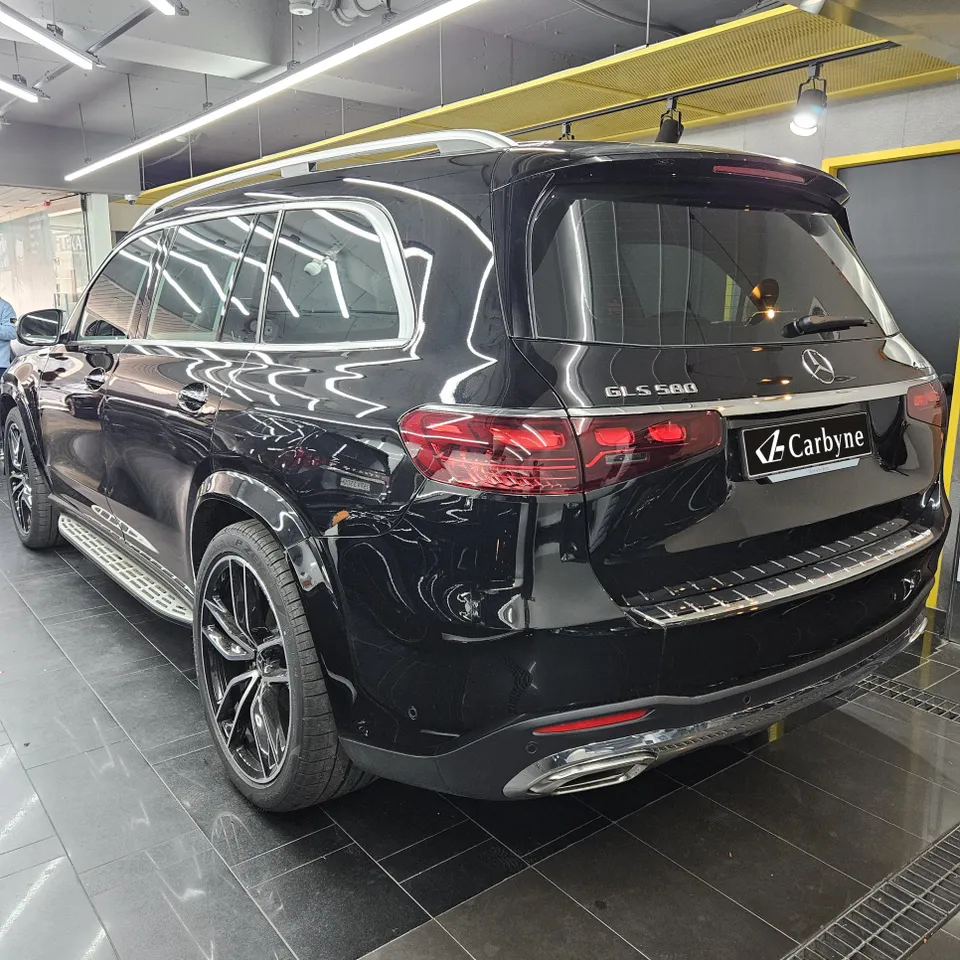
While some shops might use multiple pieces of film for areas like the A-pillars and rear fenders, this facility opted for a single, continuous application. This method not only results in a cleaner, more seamless appearance by minimizing seams but also reduces the risk of the film lifting or peeling over time. This attention to detail is a hallmark of quality PPF work.
Protecting Door Edges and the Trunk Area
The edges of car doors are prone to minor impacts during parking, often referred to as 'door dings.' These can be difficult to repair and affect the car's value. Applying PPF to these areas acts as a sacrificial layer, absorbing the impact and preserving the original paint.
The trunk area, being painted metal, is also included in the full PPF application. This rear section faces its own risks from stone chips during driving and potential contact during parking maneuvers, making its protection equally important for maintaining the vehicle's overall condition.
Installation Process:
- Surface Preparation: Thorough washing, decontamination, and degreasing of the vehicle's paintwork.
- Film Application: Precise cutting and application of the PPF, ensuring full coverage and smooth adhesion, often using large, single pieces where possible.
- Edge Wrapping: Carefully tucking film edges around panel lines and contours for a seamless look and maximum protection.
- Finishing and Curing: Final inspection, squeegeeing out any remaining moisture, and allowing the film to cure properly.
Before and After: The most immediate result is a visibly flawless finish. The PPF is virtually undetectable once applied, maintaining the original gloss and depth of the paint. The 'after' state shows a vehicle shielded from minor scratches, swirl marks, and the impacts of small stones. The 'before' state, especially on a dark vehicle, would typically show faint imperfections that are now covered and protected.
Durability and Maintenance: High-quality PPF is designed to last for many years, typically 5-10 years, depending on the product and maintenance. It offers excellent resistance to physical damage. Maintenance involves regular washing with pH-neutral soaps and avoiding abrasive materials. While self-healing properties can address minor scratches over time with heat, deeper cuts will require professional attention or replacement.
Is it Worth It?: For a high-value vehicle like the Mercedes-Benz GLS 580, especially if driven regularly or in areas prone to road debris, PPF offers significant peace of mind. The cost, which can range from $150+ for partial applications to several thousand dollars for a full wrap, is an investment in preserving the vehicle's condition and future resale value. The protection against rock chips, scratches, and environmental contaminants often justifies the expense for discerning owners.
Frequently Asked Questions
Q. How much does PPF cost for a Mercedes-Benz GLS 580?
The full PPF installation on this Mercedes-Benz GLS 580 was performed in Korea. While specific pricing for this instance isn't detailed in USD, a full PPF wrap for a vehicle of this size in the US typically ranges from $3,000 to $5,000 or more, depending on the film quality and installer.
Q. How long does PPF last on a Mercedes-Benz GLS 580?
High-quality Paint Protection Film is designed to last between 5 to 10 years, offering durable protection against road debris and minor abrasions. To maximize its lifespan, regular washing with mild soap and avoiding abrasive cleaners is recommended.
Q. Is PPF worth it for a Mercedes-Benz GLS 580?
For owners concerned about maintaining the pristine condition and resale value of their GLS 580, PPF is often considered a worthwhile investment, especially for daily drivers or those in areas with frequent road hazards. It provides superior protection against rock chips, scratches, and environmental damage compared to other paint protection methods.
Q. How is PPF installed on a Mercedes-Benz GLS 580?
PPF installation involves meticulous surface preparation, including thorough washing and degreasing. The film is then precisely cut and applied to the vehicle's panels, often using large, single pieces to minimize seams. Edges are carefully wrapped around contours for a seamless finish, followed by final inspection and curing.
Q. What is the difference between PPF and ceramic coating for a Mercedes-Benz GLS 580?
PPF provides a thick, physical barrier that protects against impact damage like rock chips and scratches, while ceramic coating offers a thin, hard layer primarily for hydrophobic properties, gloss enhancement, and resistance to light scratches and chemical etching. For comprehensive protection against physical damage, PPF is the superior choice.
OhCar Partner Shop
More ppf Reviews
See all →
More Mercedes-Benz Reviews


Pair with Another Service
Add hydrophobic protection on top of PPF
Complete your new car protection package