MINI Clubman OEM Front Sensors Installation Review
Service Price
$approx. $1,150–1,500
Estimated price · Actual price may vary by shop
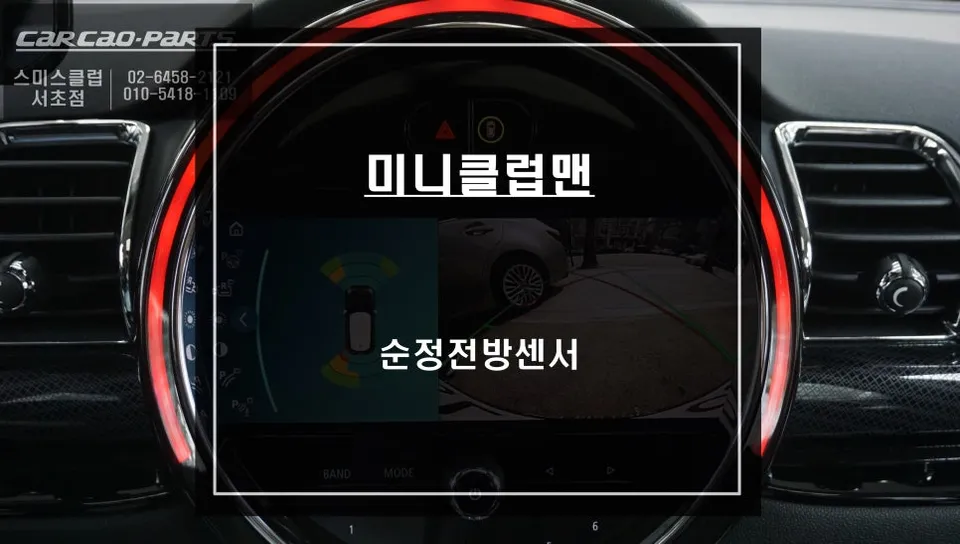
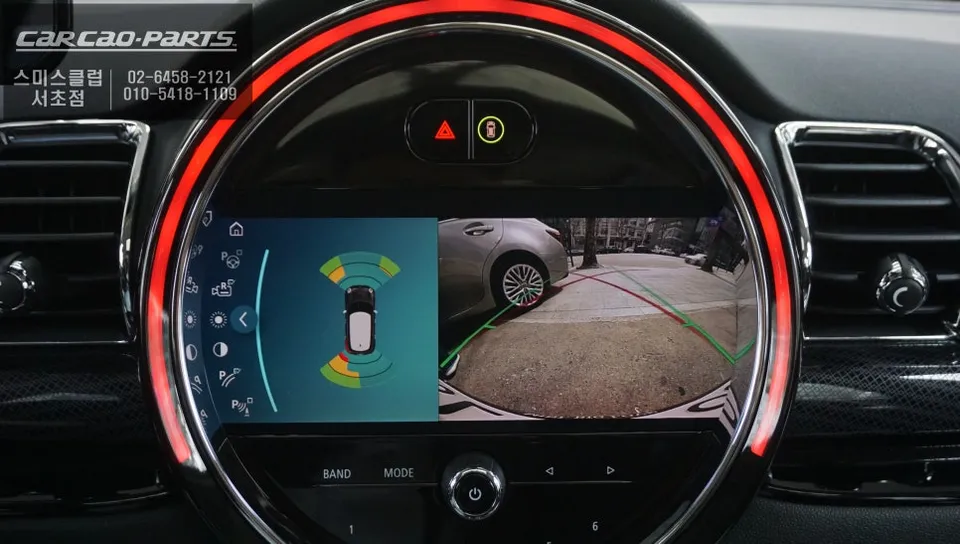
OEM front parking sensors installed on MINI Clubman. Enhances parking safety with visual/audible alerts. Seamless factory integration.
Enhancing Visibility and Safety for Your MINI Clubman
Parking can be a challenge, especially when judging the distance to front obstacles. Even in a car like the MINI Clubman, which isn't exceptionally long, blind spots can obscure low-lying or angled objects. This review focuses on the installation of genuine OEM front parking sensors, a safety upgrade designed to eliminate this anxiety. By integrating with the vehicle's existing system, these sensors provide audible warnings and visual cues on the factory monitor, significantly reducing the risk of front-end collisions. This is a practical enhancement for any Clubman owner seeking greater peace of mind.
Understanding Front vs. Rear Parking Assistance
Vehicle safety options can be broadly categorized. Front sensors primarily detect obstacles directly ahead during parking maneuvers, while rear sensors (often part of systems like S-RADAR) cover blind spots to the sides and rear. The OEM front sensor installation for the MINI Clubman involves precisely embedding four sensors into the front bumper. This system is designed to activate automatically at low speeds, typically below 15 km/h (approx. 9 mph).
The key advantage of front sensors is their necessity for front-facing parking situations, such as parallel or perpendicular parking. The visual distance indicators on the monitor allow even novice drivers to maneuver with confidence. While rear and side sensors are crucial for navigating tight spaces and changing lanes, equipping the Clubman with both front and rear systems offers the most comprehensive safety net.
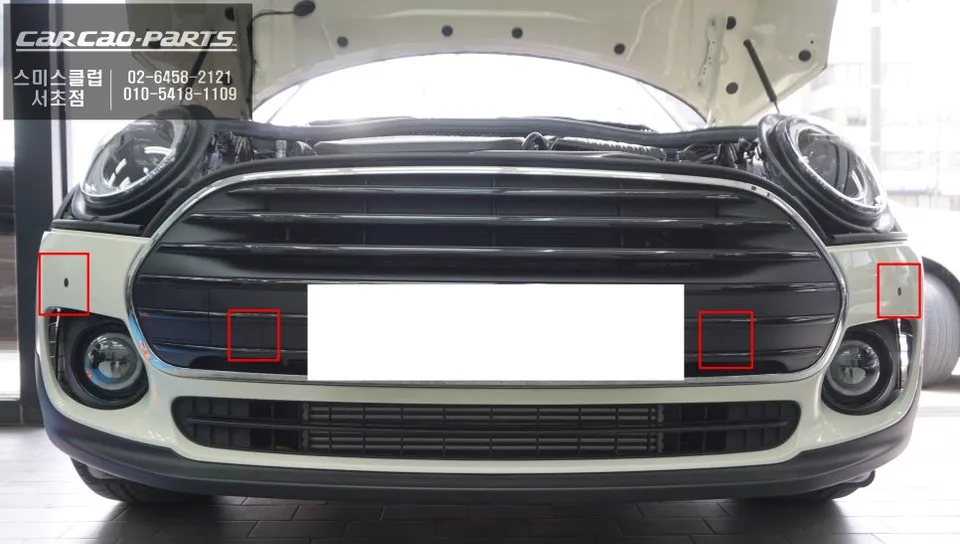
Seamless Integration with the Factory PDC System
The core of this upgrade lies in integrating the new front sensors with the MINI Clubman's existing factory Parking Distance Control (PDC) module. Most Clubman models come standard with rear PDC, and this installation cleverly adds front sensor input to that system.
Installation process:
- The front bumper is carefully removed.
- Using specialized templates, precise holes are drilled into the bumper at designated locations for the four sensors.
- The sensors are then meticulously embedded into the bumper, ensuring a flush and factory-like appearance.
- Wiring is connected using genuine OEM connectors and routed discreetly along existing factory pathways.
- Finally, ECU coding is performed to activate the front sensor functionality within the car's computer system.
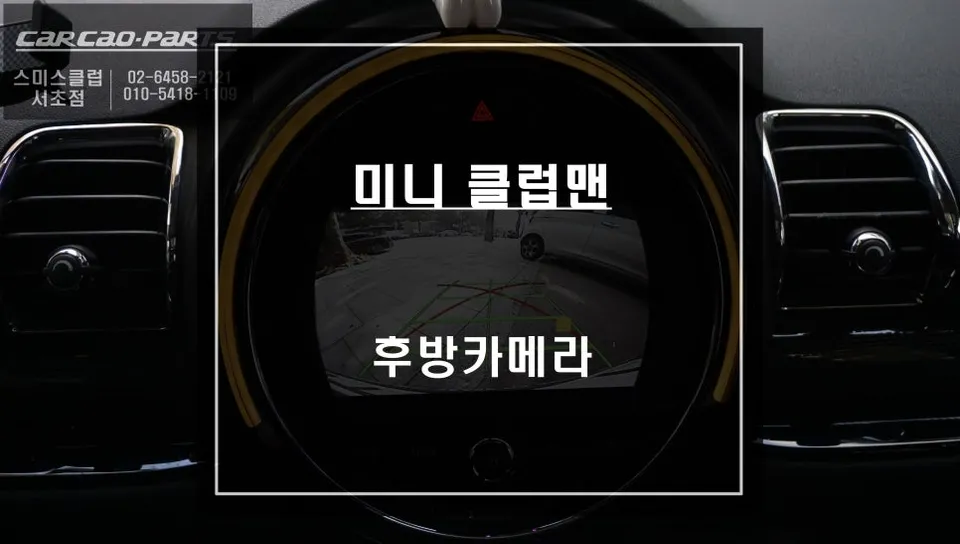
Post-installation, the car's original infotainment screen displays distance warnings and emits audible alerts, mirroring the functionality of the rear camera system. The system operates identically to factory-fitted options, requiring no additional user input beyond normal driving.
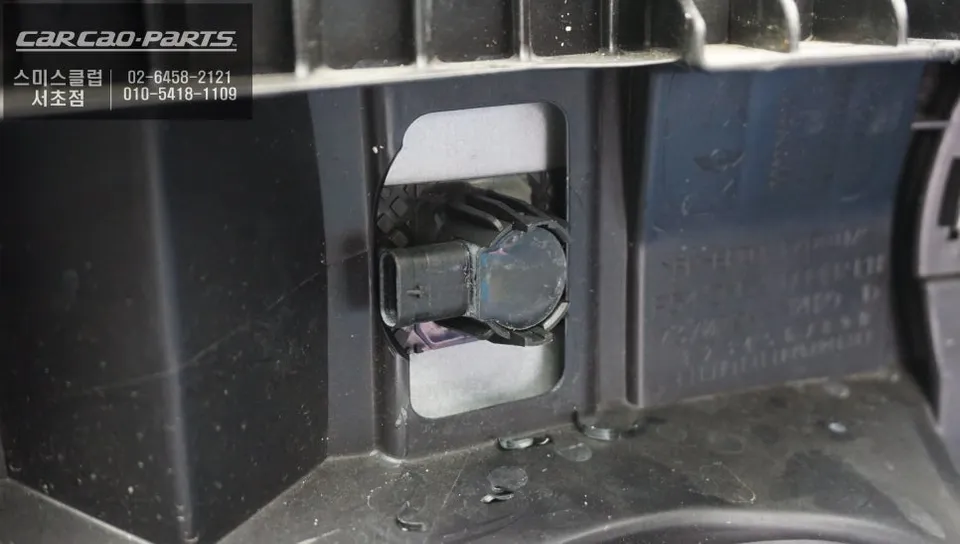
Automatic Activation for Effortless Use
A significant benefit of this OEM integration is its speed-sensitive automatic activation. The front sensors engage automatically when the vehicle's speed drops below approximately 15 km/h (9 mph) and disengage as speed increases. This means drivers don't need to manually switch the system on or off, ensuring it's always ready when needed in low-speed environments like parking lots or tight driveways.
This intelligent operation prevents unnecessary interference during regular driving, highlighting the advantage of a factory-coded solution. It functions precisely as if it were a standard option from the MINI factory.
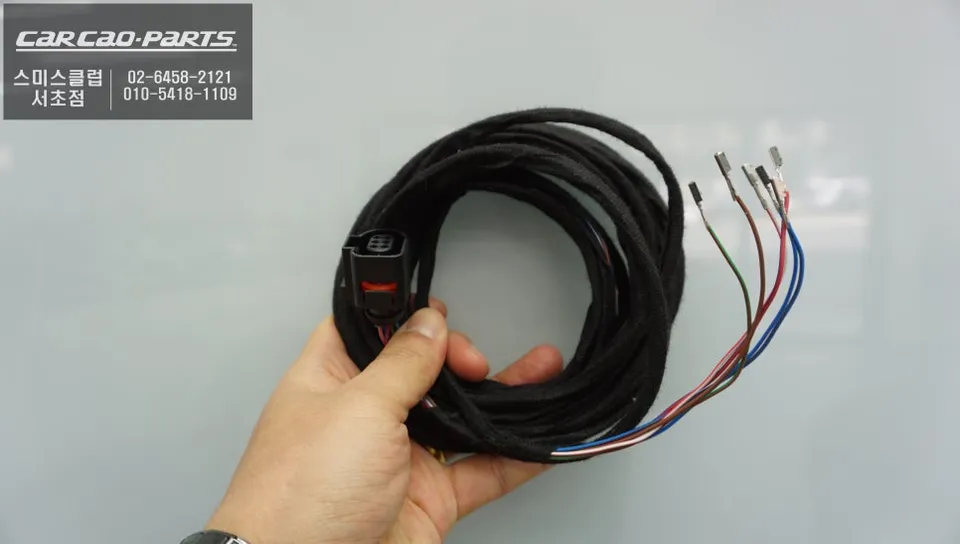
MINI Clubman Specifics and Installation Details
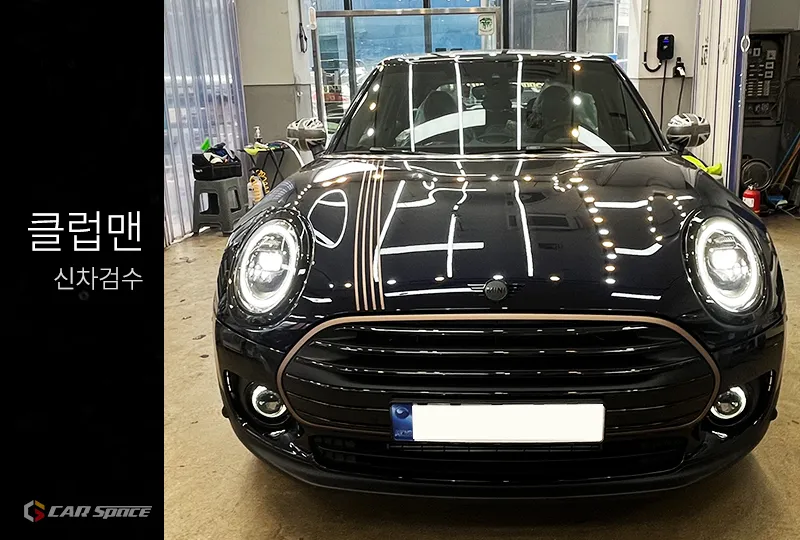
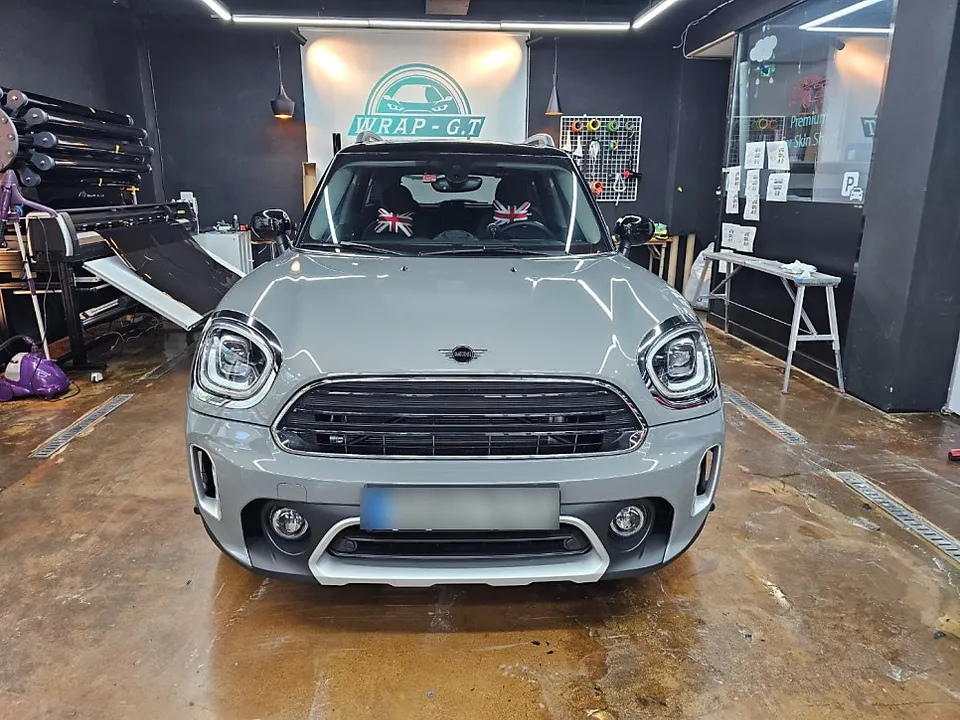
The MINI Clubman, with its distinctive near-square design, often presents a larger-than-expected front blind spot, a common complaint among owners. This makes front-end collisions a potential risk, particularly when stopped at traffic lights or navigating narrow alleys.
During the installation, the bumper is completely detached. A custom template is used to ensure the four sensor holes are drilled accurately. These positions are pre-tested for the MINI Clubman's bumper structure, guaranteeing optimal sensor angles and detection range. After sensor mounting, the wiring harness is connected to the PDC module using OEM-style pin connectors. All wiring is managed to follow original paths, ensuring no visible aftermarket cables are present inside the cabin. The precision required in connecting to the correct MINI factory coding is paramount for seamless operation.
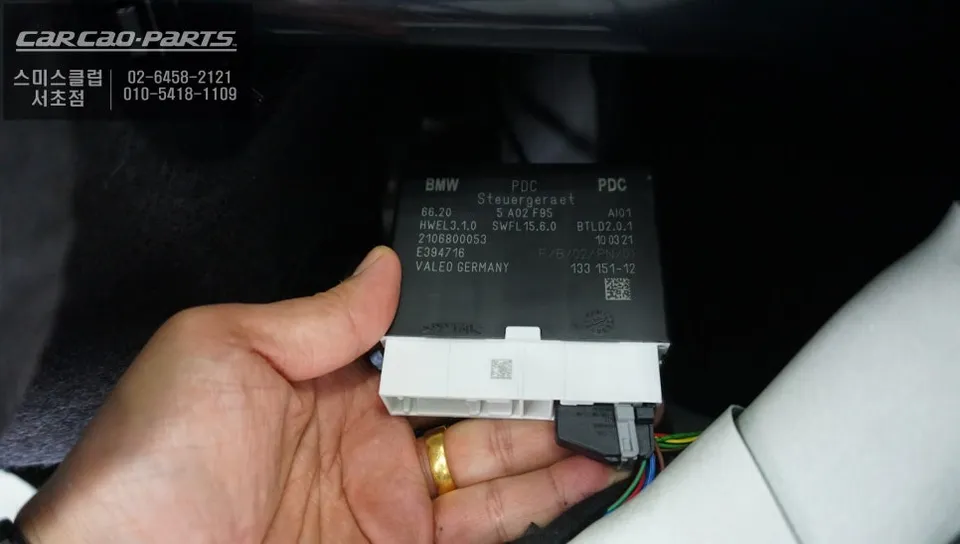
Frequently Asked Questions
Q. How much does OEM front sensor installation cost for a MINI Clubman?
The cost for this specific OEM front sensor installation on a MINI Clubman is approximately ₩550,000 (Korean Won). Typical US pricing for similar factory-integrated front parking sensor retrofits can range from $400 to $800, depending on the vehicle and installation complexity.
Q. How long does OEM front sensor installation take on a MINI Clubman?
This installation typically takes about 2-3 hours to complete. Proper maintenance involves keeping the sensors clean from dirt and debris, which can interfere with their performance.
Q. Are OEM front sensors worth adding after purchase for a MINI Clubman?
Yes, adding OEM front sensors is highly recommended for MINI Clubman owners who frequently navigate tight parking spaces or are concerned about front visibility. They significantly enhance parking safety and reduce the risk of low-speed collisions, offering excellent value for the added peace of mind.
Q. How are OEM front sensors installed on a MINI Clubman?
Installation involves removing the front bumper, precisely drilling holes for four sensors using a template, embedding the sensors, connecting wiring with OEM connectors, and finally performing ECU coding to activate the system through the factory PDC module.
Q. What is the difference between dealer-installed options and aftermarket upgrades for a MINI Clubman?
Dealer-installed OEM options, like these front sensors, are designed and integrated by the manufacturer to work seamlessly with the vehicle's existing systems and electronics. Aftermarket upgrades, while functional, may not offer the same level of integration, reliability, or aesthetic finish as genuine OEM parts.
Kakao Parts